White Bass vs Yellow Bass in Illinois: How to Tell Them Apart
It’s a common scenario on many Illinois waters: you’ve got a feisty silver-sided fish on the line, and as you bring it in, you start wondering, "Is this a white bass, or a yellow bass?" These two popular panfish cousins can look remarkably similar, especially to the untrained eye, leading to confusion not only for identification but also for understanding their habits and applicable regulations. This comprehensive guide will arm you with the knowledge to confidently distinguish between white bass and yellow bass, delve into their preferred habitats, and help you refine your fishing strategies for each.
Unmasking the White Bass: Key ID Features
White bass are a fantastic sport fish found throughout many of Illinois's larger lakes and rivers. They are known for their schooling behavior and aggressive strikes, often providing fast-paced action, especially during their spring runs. Understanding their distinct characteristics is the first step to telling them apart from their yellow cousins.
Body Shape and Coloration
When you hold a white bass, you'll immediately notice its more streamlined, elongated body compared to a yellow bass. They have a sleek, almost torpedo-like profile, built for speed and chasing baitfish in open water. Their coloration tends to be silvery-white on the sides, fading to a lighter, almost pure white belly. The back is typically a darker green or grayish-green, providing good camouflage in deeper waters. While the name implies "white," don't expect them to be stark white all over; the silvery sheen is quite noticeable.
One of the most defining features, beyond just the color, is the overall feel of the fish. They feel robust and powerful, a testament to their predatory nature. This sleekness allows them to slice through the water with incredible efficiency when chasing down schools of shad or other forage fish. They often congregate in large schools, a behavior that makes them a favorite target for anglers once a feeding frenzy begins.
Striped Patterns and Dorsal Fins
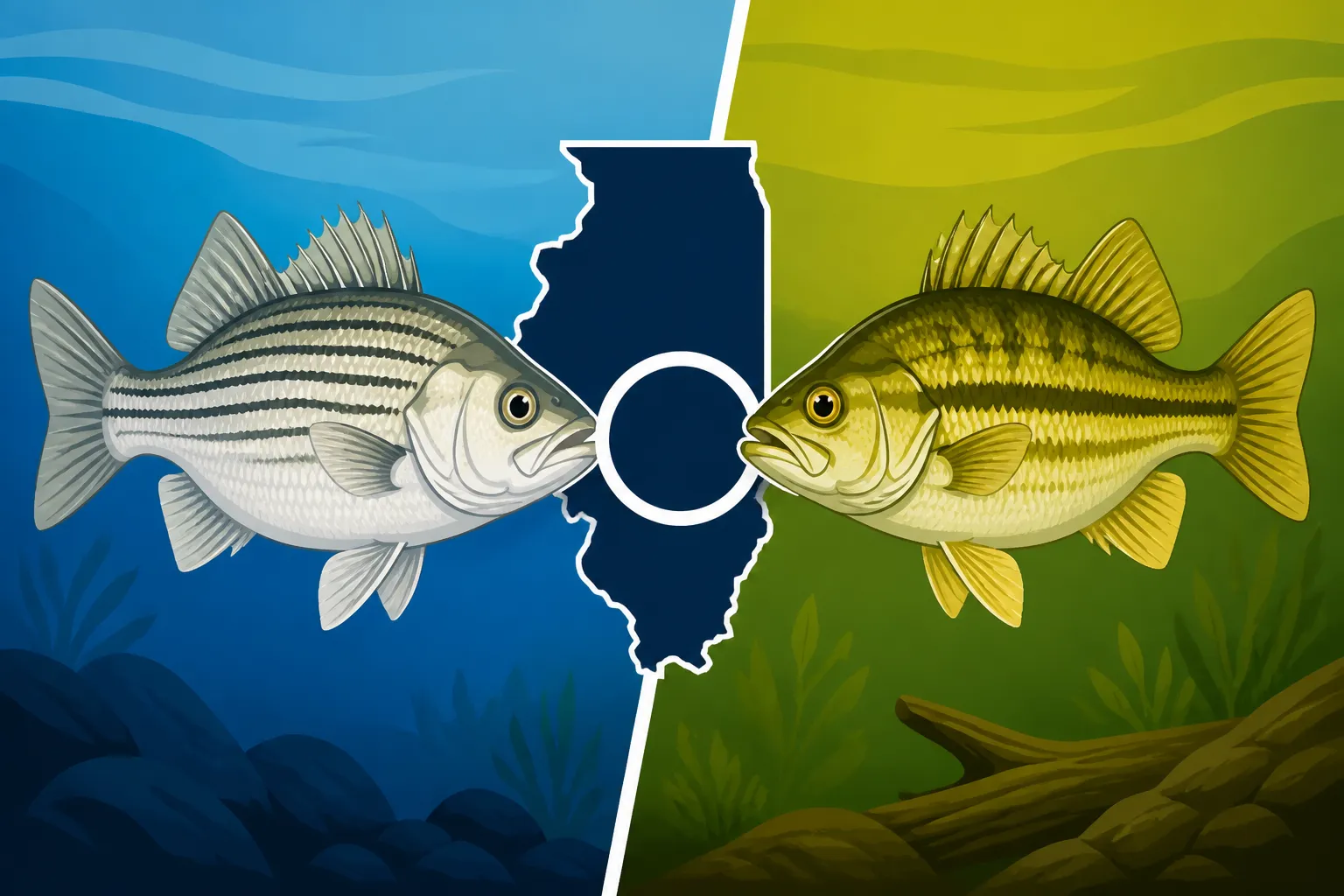
Perhaps the most reliable visual cue for identifying a white bass lies in its lateral stripes. White bass typically have several distinct dark stripes running horizontally along their sides. The key here is that at least one of these stripes, usually the lower ones, will be broken or disjointed above the anal fin. It might not be a huge gap, but you'll see a clear interruption, or sometimes the lines will be slightly offset. This "broken stripe" is your go-to identifier.
Another crucial feature is their dorsal fin setup. White bass possess two dorsal fins, but they are connected at the base by a membrane, forming what appears to be a single, long fin with a deep notch. If you look closely, you can see the separation, but they aren't completely detached. Pay attention to the spine count too, as professionals sometimes use that, but for the average angler, the connection is the more practical visual. Their eyes tend to be proportionally larger, which makes sense for a fish that hunts by sight in open water.
Size and Mouth Structure
White bass generally grow larger than yellow bass in Illinois waters. While size can vary wildly based on habitat and food availability, a mature white bass commonly reaches 10 to 14 inches and can weigh over a pound, with some much larger individuals being caught. The state record for white bass is a testament to their growth potential, far exceeding that of yellow bass. How Big Do Illinois Blue Catfish Get? might give you an idea of how impressive some Illinois fish can be, though white bass won't reach those proportions!
When examining their mouth, notice that the upper jaw of a white bass extends noticeably beyond the lower jaw. This creates a slightly "overbite" appearance, designed for grasping prey as they swim through schools of baitfish. Their mouth is also quite large and protractible, allowing them to engulf smaller fish with ease. This predatory mouth structure, combined with their sleek body and broken stripes, forms a clear picture of the white bass as an agile, open-water hunter.
Decoding the Yellow Bass: Distinctive Characteristics
Yellow bass are another cherished catch in Illinois, particularly for those looking for consistent action and excellent table fare. While they share some similarities with white bass, a closer look reveals several clear differences that make identification straightforward once you know what to look for.
Body Build and Color
In contrast to the white bass, the yellow bass has a deeper, more compressed body. It looks a bit "chunkier" or "stockier" for its length, more like a typical panfish shape than the sleek torpedo of a white bass. Their coloration is perhaps the most obvious clue in their name: they typically exhibit a brassy, yellowish tint on their sides, often with a golden hue, especially on their belly and fins. This yellow coloration is much more pronounced than the silvery tones of a white bass. The dorsal side can range from olive green to dark gray, but the yellow flanks are usually quite evident.
This deeper body shape often means they prefer slightly different habitats or hold differently in the water column compared to their more streamlined relatives. They are adept at navigating cover, such as submerged timber or weed beds, where their body profile gives them an advantage. This difference in form is a direct reflection of their differing predatory strategies and preferred foraging grounds.
Stripe Continuity and Fin Separation
The lateral stripes on a yellow bass are a dead giveaway once you know the trick. Unlike the white bass's broken lines, all the horizontal stripes on a yellow bass are continuous and unbroken, running the entire length of its body from gill plate to tail. These stripes are typically darker and more prominent against the yellowish background. You won't find any gaps or offsets in these lines. This solid stripe pattern is the single most reliable way to tell a yellow bass apart from a white bass in Illinois.
Now, let's talk about those dorsal fins. A yellow bass also has two dorsal fins, but here’s the key distinction: they are distinctly separated, not connected by a membrane at the base. You can clearly see a gap between the spiny front dorsal fin and the softer-rayed rear dorsal fin. This separated fin structure, combined with the continuous stripes, provides unambiguous identification. Their eyes might seem a tad smaller in proportion to their head compared to a white bass, an adaptation that might reflect their tendency to forage in slightly murkier or shallower waters where light penetration isn't as critical.
Typical Size and Mouth
Yellow bass are generally smaller than white bass. Most yellow bass caught by anglers in Illinois will fall into the 6 to 10-inch range, with larger specimens being less common. While they don't reach the same trophy sizes as white bass, what they lack in individual size they often make up for in sheer numbers, making them a popular target for anglers seeking a full stringer. You might be surprised at the numbers you can pull out of a good yellow bass school!
Regarding their mouth, the jaws of a yellow bass meet more evenly, or the lower jaw might protrude ever so slightly, but not to the extent of the white bass's pronounced overbite. Their mouth is also smaller, reflecting their diet which often includes smaller insects, crustaceans, and very small baitfish, rather than exclusively pursuing larger schools of shad. This smaller, more balanced mouth aligns with their more varied diet and their tendency to forage closer to the bottom or in areas with more cover.
Habitat, Behavior, and Where to Find Them in Illinois
Knowing how to identify white and yellow bass is fantastic, but understanding where they live and how they behave is crucial for actually catching them. While both are members of the temperate bass family and often inhabit similar bodies of water, their preferences and habits can differ enough to require different fishing strategies.
Preferred Waters and Schooling Habits
White bass are creatures of open, expansive waters. They thrive in large reservoirs, major rivers, and deep lakes where they have plenty of room to roam and chase schools of baitfish like shad. Think of places like Rend Lake Fishing Guide for Illinois Anglers, Lake Shelbyville Fishing Guide, or the main channels of the Illinois River Fishing Guide. They are pelagic, meaning they spend much of their lives in the open water column, often suspended, constantly on the hunt. Their schooling behavior is legendary; once you find one white bass, you've often found hundreds. They'll push baitfish to the surface, creating visible "jumps" or "boils" where they aggressively feed. This is often an indicator of a hot bite.
Yellow bass, on the other hand, are a bit more versatile in their habitat preferences. While they can be found in larger lakes and rivers, they often gravitate towards areas with more structure and cover. This includes shallow bays, backwater sloughs, weed lines, submerged timber, and even smaller ponds and reservoirs where white bass might not be as prevalent. They still school, but their schools might be tighter and more associated with specific pieces of structure or depth contours, rather than chasing baitfish across vast open expanses. They are common in the smaller tributaries and quieter sections of the Mississippi River, for example, where you can also find other panfish. Mississippi River Backwater Fishing for Crappie and Bass, Illinois gives a good sense of these types of habitats.
Feeding Patterns and Seasonal Movements
White bass are highly opportunistic predators, and their feeding patterns are heavily dictated by the movement of their prey. They are incredibly active feeders, especially during dawn and dusk, or when weather conditions create low light. During the warmer months, they often feed heavily on the surface, creating those exciting "jumps" where they corner baitfish. In cooler months, they will move to deeper water, often suspending over ledges or humps, still following bait. Their renowned spring spawning runs up rivers and into shallow bays are a prime time to catch them when they are concentrated and aggressive.
Yellow bass tend to have more consistent, less dramatic feeding patterns. They are often bottom-oriented, picking off crustaceans, insect larvae, and small minnows. While they will also chase baitfish, they are less prone to aggressive surface feeding frenzies. They can be caught throughout the day, though mornings and evenings are still generally productive. Their seasonal movements are less about chasing massive bait schools across open water and more about moving to different depths or types of cover depending on water temperature and spawning cycles. For example, they might move into shallow, brushy areas to spawn in spring and then retreat to deeper structures in summer. Understanding these subtle differences in their seasonal behavior is key to consistent success.
Prime Illinois Locations for Each Species
Illinois offers fantastic opportunities for both white and yellow bass. For white bass, anglers should target the state's major impoundments and large river systems. Lake Shelbyville, Rend Lake, Carlyle Lake, Clinton Lake, and the main stem of the Illinois River are all renowned for excellent white bass fishing. Look for them around points, humps, creek channels, and anywhere you see surface activity. During the spring run, focus on river arms and feeder creeks. Best Fishing Spots in Illinois will give you a broader overview of places to start.
For yellow bass, you'll find them in many of the same larger lakes but often in different areas – shallower bays, backwater channels, and around submerged brush. They are also incredibly common in smaller, private ponds and many state park lakes throughout Illinois, where they can often be the dominant panfish species. The backwaters of the Mississippi River and Illinois River also hold good populations. Yellow bass can also be found in Lake Michigan, though less frequently targeted than the salmon and trout. Finding a good yellow bass hole can sometimes be a local secret, so don't be afraid to explore some of the lesser-known public access lakes or smaller parks.
Tailoring Your Approach: Fishing Techniques and Gear
To consistently catch white and yellow bass, you'll want to adjust your techniques and gear slightly. While there's overlap, optimizing your setup for each species will increase your catch rates and overall enjoyment on the water.
Top Lures and Baits for White Bass
White bass are aggressive and react well to fast-moving lures that mimic baitfish. Small, chrome-colored spoons (like a Kastmaster or a Little Cleo), inline spinners (such as a Mepps or Rooster Tail), and small crankbaits are perennial favorites. When they are schooling and actively feeding on the surface, topwater poppers or small walking baits can be incredibly effective and exciting. White or chartreuse plastics fished on a jig head also work wonders, especially when yo-yoed or retrieved quickly. The key is to match the hatch – pay attention to the size of the baitfish they are feeding on and select a lure of similar size and color. You can find a fantastic selection of these lures on Amazon, making it easy to stock up before your next trip.
Live bait options are also highly effective. Small minnows, especially when fished under a bobber or on a crappie rig, are irresistible to white bass. When the fish are deep, a drop-shot rig with a live minnow can also be a game-changer. Remember, white bass are often found in tight schools, so once you get a bite, keep your lure in the water or quickly cast back to the same spot, as there are likely many more fish there. Best Bait for White Bass During the Spring Run offers even more specific advice for that exciting season.
Effective Methods for Yellow Bass
Yellow bass, while still aggressive, often prefer a slightly slower presentation or smaller baits. They are less likely to chase a fast-moving crankbait across open water. Small jigs, particularly those tipped with a piece of a wax worm, a small minnow, or a tiny plastic grub (like a micro tube jig or a small curly tail), are incredibly effective. Colors like chartreuse, white, pink, or black are often good choices. Fishing these jigs under a bobber or slowly retrieving them near the bottom or around structure works well.
Live bait is arguably king for yellow bass. Small minnows, wax worms, red worms, or even pieces of nightcrawler fished on a small hook (size 8 or 10) under a bobber are deadly. They are perfect for targeting these fish in shallow areas or around submerged cover. When you find a school, the action can be non-stop. Since yellow bass often school tightly around structure, a vertical presentation, such as jigging directly over a submerged brush pile or stump, can lead to quick limits. The key is patience and a subtle approach, letting the bait do most of the work. For a fun family outing, How to Fish for Bluegill With Kids might overlap with some excellent yellow bass strategies too!
Essential Tackle and Rod Setups
For both white and yellow bass, light to medium-light spinning tackle is ideal. A 6 to 7-foot spinning rod with a fast action provides enough sensitivity to feel subtle bites and enough backbone to handle a feisty fish. Pair this with a small to medium-sized spinning reel spooled with 4 to 8-pound test monofilament or fluorocarbon line. Braided line in a similar pound test can also be used, especially if you want more sensitivity and casting distance, though a fluorocarbon leader is often recommended with braid.
When buying gear, consider durable and sensitive options. A good quality rod and reel setup can make a huge difference in detecting bites and fighting fish. Many anglers find great deals on reputable brands for rods, reels, and tackle boxes on Amazon, which offers a wide variety of fishing equipment from beginner-friendly combos to more specialized setups. Having a selection of small weights, bobbers, and hooks is also essential for adapting to different conditions. And don't forget a small pair of pliers for hook removal! Having the right Best Tackle for Illinois Spring Fishing will always set you up for success.
Here's a quick comparison table to keep those key differences straight:
| Feature | White Bass | Yellow Bass |
|---|---|---|
| Body Shape | More elongated, streamlined | Deeper, more compressed, stockier |
| Coloration | Silvery-white sides, dark green/gray back | Brassy yellowish sides, olive green/dark back |
| Lateral Stripes | At least one stripe broken/disjointed | All stripes continuous and unbroken |
| Dorsal Fins | Two, connected at the base by a membrane | Two, distinctly separated |
| Upper Jaw | Extends noticeably beyond lower jaw | Meets evenly with lower jaw |
| Typical Size | 10-14 inches, often over 1 lb | 6-10 inches, typically under 1 lb |
| Preferred Habitat | Large open reservoirs, major river channels | Smaller lakes, backwaters, structured areas |
| Feeding Style | Aggressive, often surface-oriented | More bottom-oriented, varied diet |
Culinary Delights and Illinois Regulations
Beyond the thrill of the catch, both white and yellow bass offer excellent table fare. However, like all fishing in Illinois, there are regulations regarding size and creel limits that anglers must adhere to for conservation purposes.
Taste Profiles and Preparation Tips
Both white bass and yellow bass are highly regarded for their firm, white, flaky flesh and mild flavor. They are delicious pan-fried, baked, or grilled. Many anglers consider them among the best-tasting freshwater fish. White bass, due to their larger size, can yield larger fillets, which are excellent when battered and deep-fried. Some anglers report that the meat of white bass can be slightly richer, especially from larger fish, while yellow bass are often described as having a consistently sweet, mild flavor.
The key to maximizing their culinary appeal is proper handling after the catch. Keep them on ice immediately, and clean them as soon as possible. Some people prefer to remove the darker, reddish meat along the lateral line, especially on larger white bass, as this can sometimes impart a stronger, "fishier" taste. Once filleted, they are incredibly versatile. They can be used in fish tacos, ceviche, or simply seasoned and cooked to perfection. If you're wondering Is Yellow Bass Good to Eat?, the answer is a resounding yes!
Size and Creel Limits for White Bass in Illinois
Illinois has specific regulations for white bass, designed to ensure sustainable populations for future generations of anglers. These regulations can vary by specific body of water, so it's absolutely crucial to always check the most current Illinois Fishing Information Guide for the particular lake or river you plan to fish. You can usually find this guide on the Illinois Department of Natural Resources (IDNR) website. As a general statewide rule, there's usually a daily creel limit for white bass, often quite generous, allowing anglers to bring home a good number of fish. However, minimum size limits are less common for white bass than for species like walleye or largemouth bass, meaning most fish you catch can be kept, provided you stay within the daily bag limit. This contrasts with more restrictive species like those in Illinois Walleye Size and Catch Limits or Illinois Statewide Bass Fishing Limits.
Always carry your fishing license and be aware of the rules. Violations can result in penalties, as discussed in Penalties for Fishing Without a License in Illinois. Conservation is a shared responsibility, and following these rules ensures everyone can enjoy the bounty of Illinois waters.
Yellow Bass Regulations and Conservation
Yellow bass are generally quite prolific, and as such, their regulations in Illinois are often more liberal than for many other species. In many Illinois waters, there is no minimum size limit and a very generous daily creel limit, allowing anglers to keep a large number of fish. This makes them an excellent target for family fishing trips or for those looking to fill a cooler with tasty fillets. Again, always double-check the specific regulations for the water body you are fishing, as local rules can sometimes supersede statewide general guidelines. The Illinois Fishing Regulations Overview will always be your best friend before heading out.
Despite their abundance, responsible angling practices are still important. Only keep what you can reasonably eat or process. Releasing healthy fish, especially larger ones, ensures a strong gene pool. Understanding the difference between these two species and adhering to their respective regulations not only makes you a more informed angler but also contributes to the health and vitality of Illinois's fisheries. Don't forget that Illinois Fishing Seasons Guide can also help you plan your trips around optimal times for various species.
Disclaimer
This article is for general informational purposes only and does not constitute professional advice. Laws, prices and regulations vary by location and change over time. Consult a qualified professional for guidance on your specific situation.