Lake Shelbyville Fishing Guide
Ever stared at a massive body of water like Lake Shelbyville and felt a little overwhelmed, wondering where on earth to even start fishing? It's a common feeling, trying to unlock the secrets of such a large and diverse lake. This comprehensive guide is here to cut through that confusion, giving you the real-world insights and practical strategies you need to make your next trip to Lake Shelbyville a truly productive and enjoyable one, no matter if you're a seasoned angler or just starting out.
Understanding Lake Shelbyville: A Gem in Central Illinois
Lake Shelbyville isn't just another body of water; it's a monumental achievement in water management and a veritable playground for anglers. Created by the U.S. Army Corps of Engineers in the late 1960s, its primary purpose was flood control and water supply, but it quickly blossomed into one of Illinois's most celebrated recreational lakes. Stretching over 11,000 acres at normal pool, with a shoreline exceeding 250 miles, it’s truly a central Illinois fishing powerhouse that demands respect and a little local knowledge to truly conquer.
A Brief History and Its Unique Structure
The creation of Lake Shelbyville involved damming the Kaskaskia River, transforming a vast agricultural valley into a sprawling reservoir. This history is crucial because it directly influences the lake's unique underwater topography. Beneath the surface, you'll find submerged timber, old roadbeds, creek channels, and former farm foundations, all of which create incredible structure and cover for fish. This isn't just a big bowl of water; it's a complex underwater landscape that offers endless possibilities for anglers willing to explore.
What makes Lake Shelbyville stand out is this blend of deep, clear main lake areas with shallower, timber-choked arms and bays. The north end of the lake, particularly around the Kaskaskia River and its tributaries, tends to be shallower and can become quite turbid after heavy rains. As you move south towards the dam, the water generally deepens and clears, offering different fishing challenges and species opportunities. Understanding this basic north-to-south gradient is your first step in deciphering the lake's fishing patterns.
The Sheer Scale and Diverse Habitats
With its impressive size, Lake Shelbyville offers an incredible diversity of habitats, from rip-rap banks and rocky points to expansive mud flats and standing timber. This means that whether you prefer casting to visible cover, trolling open water, or probing deep channels, you'll find suitable conditions here. It's a lake that can genuinely cater to every style of fishing, which is why it consistently ranks among the top destinations in the state, drawing anglers from across Illinois and beyond.
The sheer scale can be daunting, leading many first-time visitors to feel lost. However, this vastness is precisely what makes it so rewarding. There's always a new cove to explore, a different point to cast, or a fresh piece of submerged structure to locate. It’s not uncommon to spend a full day on the water and still feel like you've barely scratched the surface. This is why many anglers return year after year, slowly piecing together their favorite spots and seasonal patterns on this magnificent body of water.
Targeting Lake Shelbyville's Prized Catches
Lake Shelbyville is renowned for its diverse fishery, boasting healthy populations of several highly sought-after species. Knowing what's biting when and where is key to a successful trip. The lake's robust management by the Illinois Department of Natural Resources (IDNR) ensures that populations remain strong and offer exciting opportunities for anglers of all skill levels.
Largemouth and Smallmouth Bass: The Adrenaline Rush
Bass fishing on Lake Shelbyville is legendary. The lake offers fantastic opportunities for both largemouth and smallmouth bass, though they often prefer different types of habitat. Largemouth bass will typically be found around the abundant shallow cover – fallen trees, brush piles, docks, and weed beds, especially in the shallower arms of the lake like the Lithia Springs area. They love ambush points, so focusing on transitions and edges is always a smart move.
Smallmouth bass, often referred to as "bronze backs," tend to gravitate towards the clearer, rockier areas of the main lake, particularly points, humps, and rip-rap near the dam or larger creek channels. They fight hard and are a blast to catch on light tackle. Many anglers specifically target these feisty fighters. Understanding the subtle differences in their preferred habitats will significantly increase your chances of a productive day on the water, whether you're chasing that elusive lunker largemouth or a hard-fighting smallmouth. When considering your bass fishing options, you might also be interested in exploring other top choices mentioned in our guide to the Best Bass Fishing Lakes in Illinois.
Crappie: Panfish Paradise
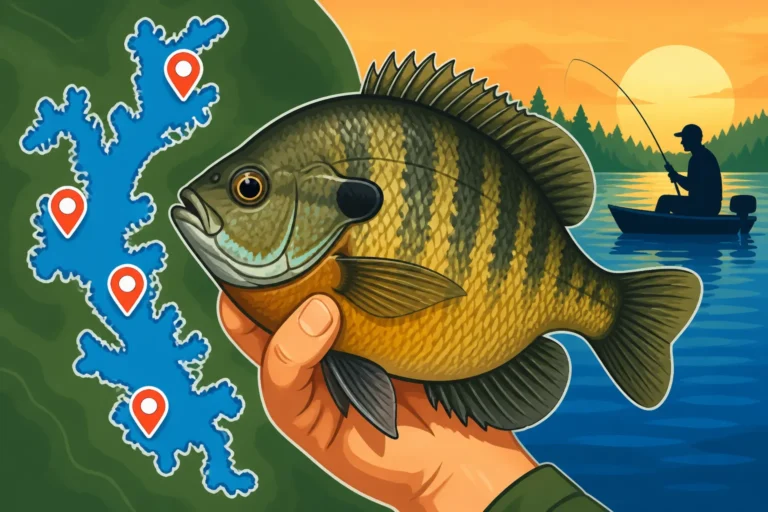
If you're looking for a cooler full of delicious fillets, Lake Shelbyville's crappie fishery is hard to beat. Both black and white crappie thrive here, and they are incredibly popular targets, especially in the spring during their spawning season. Crappie congregate in large schools, making it possible to catch a significant number once you locate them. They often relate to submerged brush piles, standing timber, and bridge pilings throughout the lake.
The key to crappie success is finding those brush piles and knowing the right depth. In spring, they'll move shallow to spawn, often in just a few feet of water, especially in the larger creeks like Coal Creek or Sand Creek. As the water warms, they'll retreat to deeper cover, suspending over brush or along channel edges. For an in-depth look at when these panfish are most active, check out our Illinois Crappie Spawn Season Guide. Many anglers rely on spider rigging or vertical jigging with small jigs or minnows to tempt these tasty fish.
Walleye and Sauger: Elusive but Rewarding
While not as prolific as the bass or crappie, Lake Shelbyville has a respectable population of walleye and their close cousin, the sauger. These elusive predators are highly prized for their table fare and their challenging nature. They typically prefer deeper, cooler water and will often be found along main lake points, submerged humps, and the old river channel. Trolling with crankbaits or presenting jigs tipped with minnows are common tactics for these fish.
The walleye bite can be notoriously finicky, but when you hit it right, the reward is well worth the effort. Sauger are often found in similar areas, sometimes even more tolerant of turbid water. It's important to be aware of the specific Illinois Walleye Size and Catch Limits that apply to Lake Shelbyville, as these can vary. Patience and persistence are vital when pursuing walleye and sauger, as they often require a more subtle approach compared to other species.
Catfish: The Bottom-Dwellers
For anglers who enjoy a strong fight and excellent eating, Lake Shelbyville offers fantastic catfishing opportunities. Channel catfish are abundant throughout the lake, and you'll also find flathead catfish, particularly in the river arms and larger creek channels. Blue catfish are less common but are present and can grow to impressive sizes. Catfish are generally less structure-dependent than bass or crappie, often roaming flats or cruising channel edges, especially during low-light conditions.
Common tactics include bottom fishing with cut bait, stink bait, worms, or live bait for flatheads. The shallow, timbered northern end of the lake and the Kaskaskia River arm can be particularly productive for channel catfish, while the deeper parts of the old river channel hold larger flatheads. Night fishing is a popular and often highly effective way to target catfish, especially during the warmer months. Remember to familiarize yourself with the Illinois Catfish Daily Limits Explained to ensure you're fishing legally.
| Species | Primary Habitat | Best Time to Target | Common Techniques |
|---|---|---|---|
| Largemouth Bass | Submerged timber, docks, brush piles, weed lines | Spring, Summer, Fall | Jigging, flipping, crankbaits |
| Smallmouth Bass | Rocky points, humps, rip-rap, main lake structure | Spring, Summer, Fall | Drop-shot, jerkbaits, jigs |
| Crappie | Standing timber, brush piles, bridge pilings | Spring (spawn), Fall, Winter | Jigging, minnows, spider rigging |
| Walleye / Sauger | Old river channel, deep points, humps, current breaks | Spring, Fall, Winter | Trolling, jigging, live bait |
| Channel Catfish | Shallow flats, creek channels, river arms | Spring, Summer, Fall | Bottom fishing (cut bait, worms) |
| Flathead Catfish | Deep timber, log jams, river channel | Summer (night), Fall | Live bait, trotlines |
Prime Fishing Locations on Lake Shelbyville
Lake Shelbyville is a big place, and knowing where to focus your efforts can make all the difference. While fish can be found almost anywhere, certain areas consistently produce better results due to their specific habitat features and fishing pressure. Don't be afraid to explore, but these spots are great starting points.
Finding Fish in the Main Lake Body
The main lake body, particularly the southern half closer to the dam, is characterized by deeper, clearer water and more prominent rocky structures. This is prime territory for smallmouth bass, walleye, and often suspended schools of crappie. Look for long tapering points that extend into the main lake, as these act as highways for baitfish and predators. Submerged humps, often marked on good contour maps, are also excellent spots, especially during the summer months when fish seek deeper, cooler water.
The rip-rap along the dam and causeways are consistent producers for various species, particularly smallmouth bass and walleye, especially during low light or when current is present. These rocky banks attract baitfish and provide excellent ambush points. Don't overlook the main lake basin itself; during summer, fish like crappie and even white bass will suspend over open water, chasing schools of shad. Using a good fish finder is essential here to locate these nomadic schools.
Exploring the Tributary Arms and Backwaters
The tributary arms, such as the Kaskaskia River arm, Coal Creek, Sand Creek, and Wolf Creek, offer a stark contrast to the main lake. These areas tend to be shallower, with more standing timber, flooded brush, and mud flats. This is classic largemouth bass and crappie country, especially in the spring. The timber provides endless cover for fish, and the shallower waters warm up faster, kicking off the spawn.
During spring, these creeks are where the crappie spawn happens, with fish moving into incredibly shallow water. The abundant brush and logs also make them excellent spots for targeting largemouth bass with jigs, spinnerbaits, and topwater lures. As water levels fluctuate, these backwater areas can become incredibly productive or completely unfishable, so always pay attention to recent rainfall and lake levels. Many locals swear by these quieter, more secluded coves for consistent action. For more specific insights on these areas, you might find our guide on the Best Crappie Coves on Lake Shelbyville particularly useful.
Accessible Shoreline and Pier Fishing Spots
Even without a boat, Lake Shelbyville offers numerous opportunities for bank anglers and those who prefer fishing from piers. The area around the General Dacey Trail near Shelbyville offers accessible shoreline and several fishing piers that can be productive for panfish, catfish, and even bass. These spots are fantastic for families and beginners. The numerous public parks and campgrounds around the lake, such as Lithia Springs and Sullivan Beach, also provide good bank access, often with brush piles added specifically for fish habitat.
Additionally, many of the campgrounds and day-use areas have designated fishing spots. These locations, while sometimes seeing more pressure, are regularly stocked or naturally hold a good variety of fish. For instance, the shore access around the Spillway Recreation Area can be great for a mixed bag of panfish and catfish, especially after releases from the dam create some current. To discover more options for casting from terra firma, be sure to read our detailed article on Lake Shelbyville Shore Access for Bank Anglers.
Seasonal Strategies for Lake Shelbyville Success
Fishing Lake Shelbyville successfully often means adapting your techniques and locations with the changing seasons. What works in spring will likely fall flat in summer, and vice versa. Understanding these seasonal shifts is key to consistent catches.
Spring: The Spawn and Post-Spawn Bonanza
Spring on Lake Shelbyville is a magical time for anglers. As water temperatures begin to climb into the 50s and 60s Fahrenheit, the fish become incredibly active, driven by the urge to spawn. This is prime time for both bass and crappie to move shallow. In the early spring, often through March and April, crappie will stage on brush piles and timber in the tributary arms before moving onto shallower spawning beds. You can literally fill a cooler during the Illinois Crappie Spawn Season Guide.
Largemouth bass will follow suit, moving from deeper wintering holes to pre-spawn staging areas on points and flats before fanning out onto beds in late April and May. Spinnerbaits, jigs, and lipless crankbaits can be incredibly effective during the pre-spawn. Post-spawn, fish can be a bit lethargic but will quickly recover and move to early summer patterns. Always remember to check the Spring Fishing Calendar for Illinois Anglers to pinpoint the best windows.
Summer: Deep Water and Night Fishing Tactics
Summer brings warmer water temperatures, pushing many fish deeper, especially during the heat of the day. This is when main lake points, humps, and the old river channel become key. Drop-shot rigs, deep-diving crankbaits, and Carolina rigs are excellent for targeting bass that have moved off the banks. Crappie will suspend over deep brush piles, and walleye will relate to main lake structure. Fishing early mornings, late evenings, and even into the night can be incredibly productive during summer.
Night fishing for catfish is particularly popular and effective. The cooler night air and reduced boat traffic can make for a peaceful and rewarding experience. Use lighted bobbers or glow sticks for your rods and be prepared for some serious tugs. Targeting areas with good access to deep water and current is often the most successful strategy during these warm months, especially for those looking for big flathead catfish.
Fall: The Feeding Frenzy
As water temperatures cool in the fall, Lake Shelbyville experiences a "turnover," and fish become extremely active, feeding heavily in preparation for winter. This is a fantastic time for aggressive fishing, especially for bass and walleye. Largemouth bass will chase schools of shad back into the creek arms and shallower flats, making crankbaits, jerkbaits, and topwater lures highly effective. Smallmouth bass will be active on main lake points and humps.
Crappie will also school up and can be found relating to deep timber and brush piles, often suspending at specific depths. Trolling for walleye with crankbaits or casting blade baits on main lake structure can also be very productive. Fall often brings some of the most comfortable fishing weather and some of the most aggressive bites of the year, making it a favorite season for many Lake Shelbyville regulars. Our Fall Fishing Calendar for Illinois Anglers offers additional insights for this prime season.
Winter: Ice Fishing and Cold-Water Challenges
While Lake Shelbyville can freeze over, consistent and safe ice fishing conditions are not always guaranteed due to its size and exposed nature. However, when the ice is safe, anglers target crappie, bluegill, and sometimes even walleye and sauger through the ice. Focus on shallower bays and coves that freeze first and offer good structure like standing timber or brush. Small jigs tipped with wax worms or minnows are typically the go-to baits.
For open water fishing during the winter, the bite can be tough but rewarding for those who brave the cold. Fish will be concentrated in deep holes, along the old river channel, and around submerged structure in the deepest parts of the lake. Slow-moving baits like blade baits, jigging spoons, or subtle presentations of live bait are often the most effective. This is a time for patience and precision, but trophy fish can be caught by anglers who understand Winter Bass Fishing Tips and cold-water behavior.
Essential Gear and Techniques for Lake Shelbyville
Having the right equipment can significantly enhance your Lake Shelbyville fishing experience. The lake's diverse fishery means you'll likely need a variety of gear to be prepared for anything, from battling a trophy bass to filling a cooler with crappie.
Rods, Reels, and Line: Matching Your Quarry
For bass fishing, a medium-heavy baitcasting setup with 15-20 lb fluorocarbon or braided line is a versatile choice for throwing jigs, spinnerbaits, and Texas rigs in heavier cover. A medium-action spinning rod with 8-12 lb fluorocarbon or monofilament is excellent for finesse techniques, jerkbaits, and smaller crankbaits, especially for smallmouth bass on clearer points. For crappie, ultralight spinning gear with 4-6 lb monofilament or braid is ideal, allowing you to feel those subtle bites.
Catfish anglers will want a heavy-action rod and a durable baitcasting or spinning reel spooled with 20-30 lb monofilament or braid, capable of handling large fish and strong currents. Walleye and sauger often require a sensitive medium-light to medium-action spinning rod with 8-10 lb line for jigging or light trolling setups. Having a few different rod and reel combos will allow you to quickly adapt to different situations and target species. For recommendations specifically tailored to this location, our article on the Best Fishing Boat for Lake Shelbyville also touches on suitable rod and reel setups.
Baits, Lures, and Rigs: What Really Works Here
Lake Shelbyville fish aren't terribly picky, but some baits and lures consistently outperform others. For bass, jigs (both pitching and football styles), spinnerbaits, crankbaits (shallow to deep divers), Texas-rigged worms, and chatterbaits are staples. Topwater lures can be explosive during low-light conditions. For crappie, small 1/16 to 1/8 oz jigs (chartreuse, white, black/chartreuse), live minnows, and small plastic tubes or grubs are incredibly effective.
Catfish respond well to cut bait (shad or herring), chicken liver, nightcrawlers, and stink baits for channel cats. For flatheads, live bluegill or sunfish are often the best choice. Walleye and sauger can be caught on jigs tipped with minnows or plastics, blade baits, and trolling crankbaits like Berkley Flicker Shads or Rapala Shad Raps. Always carry a variety and be prepared to experiment until you find what the fish are keying in on that day.
Electronics, Boats, and Safety Considerations
A good fish finder with GPS capabilities is almost a necessity on a lake of Shelbyville's size, allowing you to locate submerged structure, track depth contours, and mark productive spots. Side imaging and down imaging technologies can reveal hidden brush piles and fish schools that traditional sonar might miss. For those looking for a guided experience, services like FishingBooker can help you find experienced local guides who know the lake's nuances and often have top-tier electronics.
Regarding boats, anything from a small Jon boat to a full-sized bass boat can be effective, depending on your target species and comfort level on open water. Pontoon boats are popular for families and crappie anglers due to their stability. Always ensure your boat is properly registered and equipped with all necessary safety gear, including enough life jackets for everyone on board, as detailed in the Illinois Life Jacket and PFD Rules. If you're new to boating or operating a vessel with more than 10 horsepower, remember the Illinois Boater Education Card Requirements are important for safety and compliance.
Making the Most of Your Lake Shelbyville Trip
A successful fishing trip to Lake Shelbyville goes beyond just knowing where to cast. Planning, understanding local rules, and knowing where to find assistance can make your visit much more enjoyable and productive.
Navigating Regulations and Licenses
Before you even launch your boat or cast a line, ensure you have the appropriate licenses and stamps. Anyone 16 years or older needs an Illinois fishing license. Depending on what you're targeting, you might also need an Inland Trout Stamp if you plan to fish for stocked trout in designated waters, though this is less common for general Shelbyville fishing. Licenses can be easily purchased online, at bait shops, or through authorized vendors like Walmart or a local sporting goods store. For a complete breakdown of what you need, consult the Illinois Fishing License Guide for 2026.
Beyond licenses, it's crucial to be aware of Lake Shelbyville's specific fishing regulations. While statewide limits apply for many species, some lakes, including Shelbyville, might have site-specific length or daily harvest limits for certain fish, particularly bass, crappie, or walleye. Always check the current Illinois Fishing Information Guide or local signage at boat ramps to avoid any unintentional violations. Knowing the rules not only keeps you legal but also helps conserve the fishery for future generations. For a broader understanding of fishing laws, refer to the Illinois Fishing Regulations Overview.
Tips for Planning Your Visit and Accommodations
Lake Shelbyville is a popular destination, especially during peak seasons. Planning your trip well in advance, especially if you need accommodations, is a wise move. The area offers a range of lodging options, from campgrounds operated by the Army Corps of Engineers and Illinois State Parks to private cabins, hotels, and vacation rentals in nearby towns like Shelbyville and Sullivan. Reserving boat slips or campsites can be particularly challenging during summer weekends and holidays, so book early.
Consider using resources like local bait shops for up-to-the-minute fishing reports and advice. They are often the best source of hyper-local information on what's biting, what baits are working, and current lake conditions. Additionally, if you're feeling overwhelmed by the size of the lake or want to maximize your chances of success, consider hiring a local fishing guide. Websites like FishingBooker can connect you with experienced guides who specialize in Lake Shelbyville and can provide a tailored fishing experience, complete with gear and insider knowledge. Their expertise can save you a lot of time and effort in locating those elusive fish.
Disclaimer
The information provided in this guide is for general informational purposes only and is based on typical conditions and regulations. Fishing conditions, fish behavior, and specific regulations can change rapidly. Always consult the most current Illinois Department of Natural Resources (IDNR) fishing regulations and local signage before fishing. The author and publisher are not responsible for any personal injury or property damage incurred while following the advice or using the products mentioned herein. Always prioritize safety on the water.