Winter Bass Fishing Tips
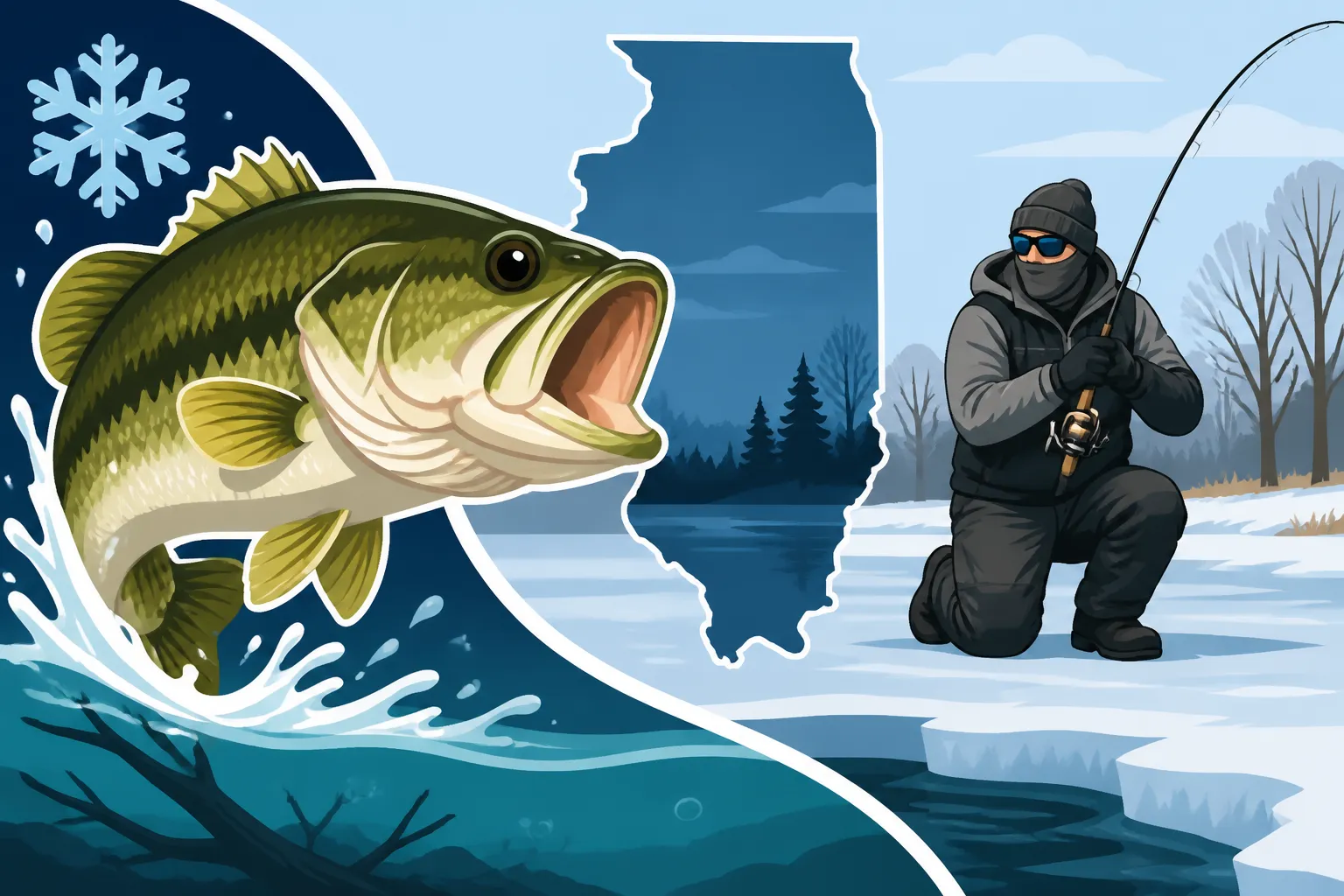
The idea of bass fishing in the dead of winter often feels like a cruel joke, doesn't it? The thought of bundling up against the biting Illinois wind, trying to coax a bite out of a seemingly lethargic fish in freezing water, can be enough to make anyone put their rods away until spring. It’s a common frustration to hit the water when temperatures plummet only to come back empty-handed, questioning if bass even exist once the cold truly sets in. But trust me, winter bass fishing in Illinois is absolutely possible, and can even be incredibly rewarding if you understand how these elusive fish behave when the mercury drops. This comprehensive guide will arm you with the knowledge and strategies to brave the cold and find success, turning those frustrating blank days into memorable catches.
Understanding Winter Bass Behavior
When the chill winds blow across Illinois lakes and rivers, everything in the underwater world shifts dramatically. Bass, like most cold-blooded creatures, are heavily influenced by water temperature, and their behavior changes profoundly as winter sets in. Trying to fish them with summer tactics is a sure recipe for disappointment.
Why Bass Slow Down in Cold Water
Think about how you feel on a brutally cold day – you probably don't want to run a marathon or gorge on a huge meal, right? You conserve energy, move slowly, and prefer warmth and comfort. Bass operate on a similar principle. As water temperatures drop below 50 degrees Fahrenheit, and especially once they dip into the low 40s or high 30s, a bass's metabolism slows significantly. This isn't just a slight change; it's a fundamental physiological shift. Their digestion takes much longer, meaning they don't need to eat as frequently. Their movements become sluggish, and their reaction times decrease.
This metabolic slowdown means they're not going to chase a fast-moving crankbait across a shallow flat like they would in August. Instead, they seek out areas where they can expend minimal energy while still having access to potential food sources. They'll often school up tightly, sometimes in very specific zones, to maximize their efficiency in finding food and staying protected. Understanding this fundamental physiological change is the first step to unlocking the winter bass bite, as it dictates everything from where you look for them to what lures you throw and how you retrieve them.
Where to Find Bass in Winter
The key to finding winter bass is stability and structure. Bass will seek out deeper water that offers more stable temperatures, even if that means just a few degrees warmer than the surface. They’re looking for areas that act as thermal refuges. This often means creek channels, main lake points that drop off steeply into deeper water, humps, and ledges. You'll find them relating very tightly to these features, sometimes holding just inches off the bottom or tucked into specific pieces of cover.
Brush piles, rock piles, and standing timber in deeper water are absolute magnets for winter bass on lakes like Rend Lake or Lake Shelbyville. These structures provide both ambush points for prey and a sense of security for the bass. The goal is to locate these deeper structures and then meticulously work them. Don't be surprised if you find a whole school of bass stacked up in a very small area; once you find one, there are often more. Pay close attention to areas that transition from shallow to deep quickly, as these "edges" are prime highways for bass moving to and from their deep-water winter haunts.
The Impact of Weather on Winter Bass
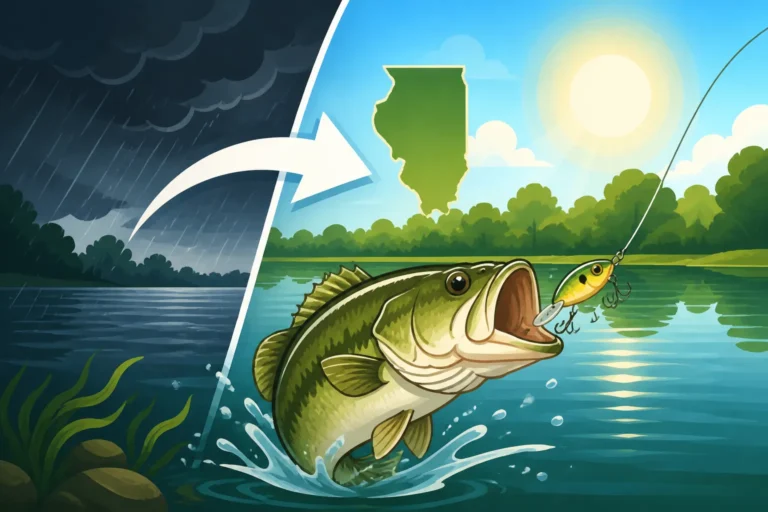
Winter weather, while often a deterrent for anglers, also plays a crucial role in bass behavior. Cold fronts, those sharp drops in temperature and pressure, typically shut down the bite even further, making bass even more reluctant to move or feed. However, following a stable period or a warming trend, even a slight one, can significantly improve your chances. A string of sunny days, particularly after a cold snap, can warm up dark bottom areas or rock formations enough to draw bass into slightly shallower water for short feeding windows.
Cloudy days, surprisingly, can sometimes be better than bright sunny days for winter bass, as the overcast conditions can make bass less wary and more inclined to roam a bit from their deep cover. Barometric pressure is another factor: a rising, stable barometer usually signals better fishing, while a falling barometer often makes the fish feel uncomfortable and less active. Always check the forecast and try to plan your trips for those more stable or warming periods, paying close attention to the Water Temperature and Fish Activity Guide to truly understand how these elements impact the bite.
Essential Gear and Tackle for Cold Weather
Winter bass fishing isn't just about different techniques; it often requires a subtle shift in your gear setup to maximize your sensitivity and comfort. Battling the elements while trying to detect a faint bite demands the right tools and attire.
Rod and Reel Selection
Sensitivity is king when winter bass fishing. The bites are often incredibly subtle – a slight tick, a spongy feeling, or simply the line going slack when it shouldn't. For this reason, many anglers opt for medium-light to medium power spinning rods with a fast or extra-fast action. The lighter power allows for better detection of those faint bites, while the fast action provides the backbone for a quick hookset. Graphite rods are preferred over fiberglass for their superior sensitivity. For baitcasting setups, you'll want a similar power range, leaning towards a medium power rod with a sensitive tip, especially for heavier jigs or blade baits.
Pair these rods with high-quality spinning reels or low-profile baitcasters that offer smooth drags and operate well in cold temperatures. For line, fluorocarbon is often the top choice due to its low stretch, which enhances sensitivity, and its near invisibility underwater. A 6-10 pound fluorocarbon line for spinning gear and 10-15 pound for baitcasting is a good starting point. You can find a fantastic selection of sensitive rods and reels perfect for Best Rods and Reels for Illinois Anglers on Amazon, ensuring you have the right tools for those delicate winter bites.
Cold Weather Apparel and Comfort
This might sound obvious, but staying warm and dry is paramount. There’s nothing worse than having to cut a trip short because you’re shivering uncontrollably. Layering is your best friend. Start with a moisture-wicking base layer (merino wool or synthetic are excellent choices), add an insulating mid-layer (fleece or down), and top it off with a waterproof and windproof outer shell. Don't forget insulated, waterproof boots, thick wool socks, a warm hat, and good quality gloves that still allow for dexterity. Convertible gloves, where you can expose your fingertips, are often a lifesaver for tying knots and handling fish.
Keeping your core warm is critical, but so are your extremities. Hand warmers tucked into gloves or pockets can make a huge difference, as can a warm thermos of coffee or soup. Staying comfortable allows you to focus on the fishing, remain patient, and prolong your time on the water, which is often necessary to get those few precious bites. Before any winter outing, I always make sure my Illinois Boating Safety Gear Checklist includes all my cold-weather essentials, some of which I pick up from Amazon for convenience and selection.
Sonar and Electronics
In winter, your fish finder isn't just a luxury; it's a necessity. Being able to accurately locate subtle deep-water structure, identify baitfish schools, and most importantly, pinpoint individual bass or tight schools of fish is crucial. High-definition 2D sonar will help you see fish suspended or holding tight to the bottom. Down imaging provides a photo-like view of structure directly below your boat, making it easier to distinguish between brush piles and rock formations.
Side imaging is incredibly powerful for covering water efficiently and finding those hidden deep-water humps, ledges, or isolated brush piles that might be off to the side of your boat. Don't just scan; actively interpret what your screen is telling you. Pay attention to contour lines on your mapping software to identify channel swings and deep points. Mark waypoints on your GPS for any promising structure or fish you find. This advanced technology significantly reduces wasted time casting to empty water, allowing you to present your lure directly to where the bass are holding.
Top Winter Bass Lures and Presentation Techniques
With bass being less active and their feeding windows shorter, your lure selection and presentation become critical. It's not about covering water quickly; it's about meticulous, patient presentations.
Finesse Jigging and Slow Presentations
When bass are cold and lethargic, finesse jigging techniques are often the most productive. Small jigs, particularly football jigs, arkie-style jigs, or finesse jigs weighing anywhere from 1/4 to 3/8 ounce, are excellent choices. Pair them with compact trailers that offer subtle action, like small craws or chunk-style baits. The key is to present these lures slowly. Cast it out, let it sink to the bottom, and then impart very subtle movements – a slight hop, a drag along the bottom, or just leaving it motionless for extended periods.
The Ned Rig has also gained immense popularity for its effectiveness in cold water. Its mushroom-shaped head allows the soft plastic worm to stand upright off the bottom, creating an irresistible, non-threatening presentation to sluggish bass. Shaky heads with small straight-tail worms are another great option, allowing for long pauses and gentle quivering motions. For colors, stick to natural hues like black and blue, green pumpkin, or browns, which mimic crawfish or small baitfish often present in deeper water. Remember, sometimes the less you do, the better. Patience is absolutely key, and the bites can be so light they almost feel like nothing at all.
Blade Baits and Lipless Crankbaits
While finesse often rules, there are times when a more aggressive, yet still controlled, presentation can trigger a reaction strike from winter bass. Blade baits and lipless crankbaits fit this bill perfectly. Blade baits, like those from Johnson or other reputable brands, are excellent for vertical jigging over deep structure or suspended schools of bass. Their compact size and intense vibration can call fish in from a distance, and the flash as they fall can provoke a strike. Drop them to the desired depth, give them a sharp lift, and let them fall on a semi-slack line, watching for any hesitation in the line on the drop.
Lipless crankbaits, particularly those with a tight wobble, can also be effective when slow-rolled along deep breaks or even vertically jigged. Their loud rattles can sometimes provoke a bite from inactive fish. Try them in areas where you’ve marked baitfish or slightly more active bass on your sonar. Silver, chrome, or natural baitfish patterns are often good choices. The trick is to fish them slowly and methodically, allowing the fish plenty of time to react. They might not chase it far, but they might grab it if it comes right into their strike zone.
Jerkbaits and Suspension Techniques
When bass are suspended off deeper points, over channel swings, or around standing timber, suspending jerkbaits can be absolutely deadly. Unlike traditional crankbaits that dive and rise, suspending jerkbaits stay at a specific depth when paused, keeping them in the strike zone longer. This extended hang time is critical in cold water, giving lethargic bass ample opportunity to commit. Cast your jerkbait to the desired area, retrieve it to its maximum depth, and then start your retrieve with a series of jerks and pauses. The pauses are the most important part; sometimes, a pause of 10-20 seconds (or even longer!) is needed before a bass decides to strike.
Popular jerkbaits like the Lucky Craft Pointer or the Megabass Vision 110 are renowned for their ability to suspend perfectly and produce a wide darting action on the twitch. Experiment with the length of your pauses and the aggressiveness of your jerks until you find what the fish prefer on any given day. Targeting these suspended fish requires good sonar to identify their depth, but once found, a well-presented jerkbait can often outperform anything else.
Live Bait Options
While artificial lures are a staple for bass anglers, sometimes the most natural presentation is simply the best, especially for super-finicky winter bass. Live bait, typically shiners or large minnows, can be incredibly effective when bass are truly shut down and unwilling to chase anything artificial. In many Illinois waters, using live bait for bass is a perfectly legal and productive strategy, though it's always wise to consult the Illinois Fishing Regulations Overview for any specific water body you plan to fish.
Rigging live bait can be as simple as a small hook (size 1 or 1/0) through the back or lips, fished under a slip bobber or free-lined near deep structure. The subtle, natural movements of a live minnow are often enough to tempt even the most inactive bass. This technique is particularly effective when you've located a school of bass on your sonar but they refuse to bite artificials. Drop a lively minnow right into the school, and more often than not, one of them will eventually pick it up. Patience is still required, as the bites can be very light, but live bait provides an undeniable advantage when the bite is tough.
Strategic Approach to Illinois Winter Fishing
Beyond the lures and gear, a strategic mindset is essential for consistent success in Illinois winter bass fishing. It’s about being deliberate, patient, and adaptable, knowing that every detail counts.
Targeting Specific Structures
Winter bass aren't roaming aimlessly; they are highly concentrated around specific types of structures that offer them comfort and access to food. Identifying these key locations on your chosen Illinois lake or river is critical. Look for sharp drop-offs, deep creek channels that wind through the main lake, submerged roadbeds, and bridge pilings. These areas provide vertical depth changes that allow bass to move up or down in the water column with minimal effort, seeking out preferred temperatures or ambush points.
On lakes like Clinton Lake, the deeper humps and main lake points where baitfish congregate can be highly productive. For river systems like the Illinois River, focus on the deepest scour holes, channel bends, and current breaks created by islands or wing dams. Don't overlook large rock piles or standing timber in 15-30 feet of water, which are prime holding areas. Always check Why Fishing Rules Vary by Lake and River because some specific bodies of water might have unique characteristics or regulations that influence where and how you target bass. Use your map and sonar to identify these structures, then approach them slowly and methodically, ensuring you thoroughly work every inch of potential cover.
Timing Your Trip for Success
In winter, the timing of your fishing trip can be almost as important as your location. Forget the early morning summer bite; winter bass often become more active as the day progresses and the sun has a chance to warm the water, even if only slightly. The prime feeding windows usually occur from late morning through mid-afternoon, when water temperatures are at their highest. Aim to be on the water around 10 AM and fish until 3 or 4 PM.
Stable weather patterns are also your friend. Avoid heading out right after a severe cold front if possible, as the fish will likely be in an extreme lockdown. Instead, look for a string of mild, stable days, or even better, a gradual warming trend. While the Illinois Bass Spawn Timing Guide focuses on spring, understanding how bass react to temperature changes then can inform your winter approach too. The days surrounding the official start of the Illinois Fishing License Guide for 2026 in March can sometimes offer a sneak peek at more active fish as temperatures begin their slow ascent. Remember, these fish have shorter feeding windows, so make every cast count during those peak hours.
Safety Considerations
Winter fishing, while rewarding, carries inherent risks that must be taken seriously. Hypothermia is a real danger, so dressing in layers and having extra warm clothing, even if you don't think you'll need it, is essential. Always tell someone where you are going and when you expect to return. Consider carrying a charged cell phone in a waterproof bag, a whistle, and a throw rope. If you're fishing from a boat, ensure all your Illinois Boating Safety Gear Checklist items are present and in good working order, including a working engine, communication devices, and plenty of fuel.
Perhaps most critically, be acutely aware of water temperatures. Cold water immersion can lead to incapacitation very quickly. Always wear your life jacket, especially when fishing alone or in potentially hazardous conditions. Even though it might feel cumbersome, wearing your PFD at all times is the smartest decision. Reviewing the Illinois Life Jacket and PFD Rules is a good practice for all boaters. If you are considering ice fishing for bass, which is less common but possible in some areas, absolutely adhere to strict ice safety guidelines – never venture onto unsafe ice, and always fish with a buddy.
Winter Bass Lure Application Guide
| Lure Type | Target Depth Range (feet) | Recommended Retrieve Style | Notes |
|---|---|---|---|
| Finesse Jigs | 10-30+ | Slow drag, hop, or subtle shake; long pauses | Black/blue, green pumpkin. Use compact trailers. For tight schools on bottom. |
| Ned Rigs | 5-25 | Drag and pause; very subtle shakes | Mimics a struggling baitfish. Extremely effective for finicky fish. |
| Shaky Heads | 10-30 | Drag, slight shake, and long pauses | Similar to Ned, good for vertical structure. |
| Blade Baits | 15-40+ | Vertical jigging: lift-fall; slow retrieve over deep areas | Good for schooling bass and reaction strikes. Chrome, silver, natural colors. |
| Lipless Crankbaits | 10-25 | Slow roll along breaks; vertical jigging over schools | Best for slightly more active fish or covering deep flats slowly. |
| Suspending Jerkbaits | 5-20 | Jerk, jerk, long pause (5-20+ seconds); erratic retrieve | Excellent for suspended bass. Natural baitfish colors. |
| Live Minnows/Shiners | Variable | Fished on a simple hook, free-lined or under a slip bobber | For extremely tough bites. Patience is key. |
Disclaimer
Fishing conditions and regulations in Illinois can change. Always consult the latest Illinois Department of Natural Resources (IDNR) fishing guide and local regulations before heading out on the water. This guide provides general information and recommendations, but it is the angler's responsibility to adhere to all current laws and safety guidelines.