Fall Bass Fishing Patterns
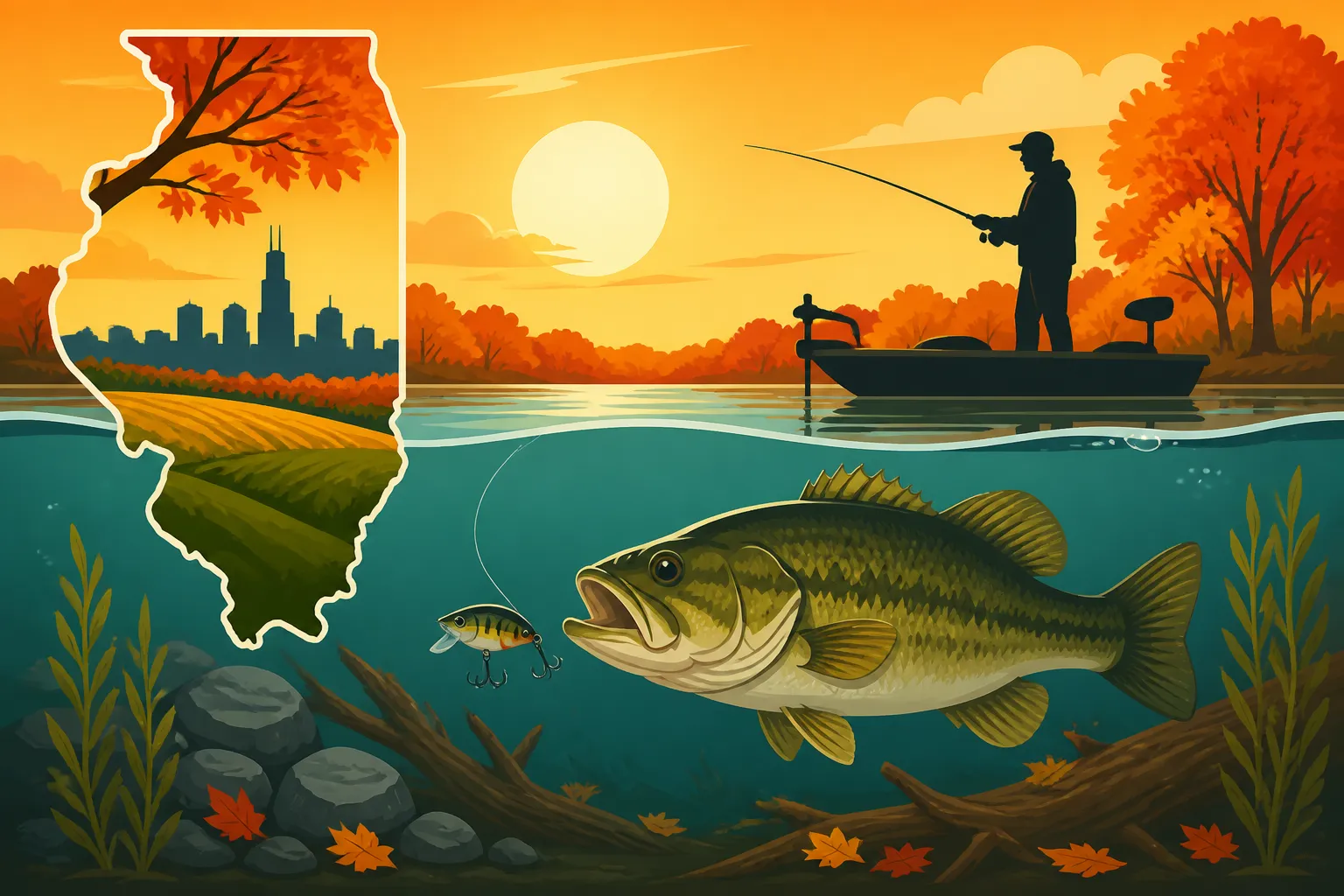
The crisp air, the changing leaves, and the shifting light can signal some of the most frustrating – and rewarding – bass fishing in Illinois. If you've ever felt like the bass just vanish after summer, or if you struggle to consistently find them as the seasons change, you're not alone. This guide is here to demystify fall bass fishing patterns, helping you understand how these elusive fish react to the dropping temperatures and find them more reliably in our diverse Illinois waters.
Understanding the Fall Transition for Bass
Fall is a period of dramatic change in a bass's world, and understanding these shifts is key to consistent success. It's not just about the leaves turning; it's a whole ecosystem transformation that dictates where bass feed, hide, and ultimately, survive the coming winter. Anglers who learn to "read" these environmental cues often outperform those who stick to static summer strategies.
Water Temperature Changes and Their Impact
As summer's heat fades, water temperatures in Illinois lakes and rivers begin a steady decline. This cooling trend is the primary driver of fall bass behavior. Initially, slightly cooler water can invigorate bass, making them more active and willing to chase bait. Think of those first few comfortable days after a sweltering heatwave – the fish feel it too! This often leads to some fantastic topwater and reaction bite opportunities.
However, as the temperatures continue to plummet, especially after a series of cold fronts, bass metabolism slows down. They become less inclined to chase fast-moving baits over long distances. Instead, they conserve energy, often preferring slow, easy meals. This means anglers need to adjust their presentations, slowing down their retrieve and focusing on lures that mimic lethargic baitfish or crawfish. Understanding the critical temperature thresholds for different species can really improve your game, much like knowing the optimal conditions for the Illinois Bass Spawn Timing Guide.
Forage Fish Movements
The other major piece of the fall puzzle is the movement of forage fish. Shad, minnows, and other baitfish react strongly to cooling water. As surface temperatures drop, these baitfish often migrate from the deeper, cooler summer haunts into shallower coves and flats that hold residual warmth. They're also instinctively bulking up for winter, creating massive schools that bass absolutely key in on. This mass migration is like a giant buffet for hungry bass, and if you can find the bait, you're usually not far from the predators.
Later in the fall, as temperatures become uniformly cold, these baitfish will often move to deeper main lake basins or river channels, seeking stable temperatures. Bass will follow them, sometimes suspending just above or within these massive bait balls. This is where your electronics become invaluable, helping you spot these crucial concentrations of forage that act as magnets for big bass.
Early Fall Bass Patterns: The Feeding Frenzy
Ah, early fall! For many Illinois anglers, this is one of the most exciting times to be on the water. The scorching summer heat has broken, the water is still warm enough to keep bass active, and the baitfish are often ganged up, providing ample opportunities for some explosive topwater action and aggressive strikes.
Topwater Action and Shallow Water Attacks
When those first few cool nights roll in, but the daytime temperatures remain mild, the shallow water bite can be absolutely phenomenal. Bass, rejuvenated by the cooler water, will often push baitfish against banks, points, and other shallow cover. This is prime time for topwater lures like poppers, walking baits, and buzzbaits. Imagine a calm morning on Lake Shelbyville, casting a Zara Spook over a submerged weed bed, and watching a chunky largemouth explode on it – that’s the magic of early fall.
Don't neglect other shallow water presentations either. Spinnerbaits, chatterbaits, and squarebill crankbaits can be incredibly effective when bass are aggressively feeding on baitfish in 2-6 feet of water. Focus on areas where you see baitfish flickering or jumping, especially around docks, fallen trees, and weed lines that still have some green. It's a much different game than the deep, sluggish bites of Summer Bass Fishing Patterns, offering a refreshing change of pace.
Following Shad and Other Baitfish
In early fall, bass become relentless in their pursuit of baitfish. They'll often school up themselves, herding vast clouds of shad or minnows into predictable ambush points. Look for large schools of bait on your fish finder, or even better, observe them flickering on the surface or being attacked by seagulls. If you find the bait, the bass are usually right there with them.
Crankbaits that mimic the local forage, particularly shad patterns, are incredibly effective. You'll want to choose cranks that dive to the depth of the baitfish. Lipless crankbaits are also fantastic for covering water quickly and drawing reaction strikes from aggressive fish. These lures can be purchased easily from retailers like Amazon, ensuring you have the right bait to match the hatch. Pay attention to wind-blown banks, as the wind can concentrate baitfish, creating a feeding frenzy for bass.
Mid-Fall Bass Patterns: Migration and Structure
As fall progresses, the dynamic shifts. The initial feeding frenzy gives way to a more nuanced game where bass start migrating from summer haunts to wintering areas, often pausing and feeding around key structural elements along the way. This phase requires a bit more detective work, but the rewards can be substantial for those who crack the code.
Key Transitional Areas to Target
Mid-fall is all about transition. Bass will move from shallow cover to deeper main lake points, humps, ledges, and channel swings. Think of these as "highways" or "rest stops" where they pause before making their final push to deeper wintering grounds. In larger reservoirs like Carlyle Lake or Rend Lake, these can be extensive areas, but the principle remains the same: fish the routes and stopping points between summer and winter locations.
Target these areas with crankbaits, jigging spoons, and football jigs. The bass might not be as eager to chase as they were in early fall, so slower, more deliberate presentations often shine. Vertical jigging a spoon on a deep point, or slowly dragging a football jig down a steep break, can trigger strikes from bass that are still feeding actively but not expending maximum energy. This is a great time to explore new spots, as understanding where the fish move can reveal some of the Best Fishing Spots in Illinois for cooler weather.
Focusing on Hard and Soft Structure
Bass in mid-fall will gravitate towards both hard and soft structure that provides cover and ambush points. Hard structure includes rocky points, riprap banks, brush piles, and sunken timber. These areas offer shelter from currents and weather, and they often hold residual warmth or concentrate baitfish. Soft structure includes still-green grass beds, lily pad fields that are starting to die back, and even subtle depth changes in softer bottom areas.
When fishing hard structure, a jig and trailer or a shaky head worm can be deadly. These baits allow you to feel every rock and stick, slowly working your presentation right into the strike zone. For soft structure, if there are still healthy grass beds, a bladed jig or a Texas-rigged creature bait can punch through the cover and draw strikes. Remember, bass are still opportunistic feeders, and they won't pass up an easy meal that wanders into their living room.
Late Fall Bass Patterns: Deep Water and Slow Presentations
As autumn reaches its cold, bitter conclusion, and winter looms, bass fishing transforms into a game of patience, precision, and understanding deep-water behavior. The fast-paced action of early fall is largely a memory; now, it's about finding those concentrated schools of fish and coaxing strikes with subtle, slow presentations. This period can be incredibly challenging, but it often yields some of the biggest fish of the year.
Locating Wintering Holes
By late fall, water temperatures have plummeted, and bass have made their final migration to their wintering grounds. These "wintering holes" are typically the deepest, most stable parts of a lake or river. Think main lake basins, deep creek channels, bluff walls, and reservoir dams. Bass will often congregate in large schools here, seeking out thermal refuge and suspending just above the bottom or within deep cover. This is when your electronics become absolutely essential, helping you spot these crucial concentrations of fish. Without a good fish finder, you might as well be guessing.
Once you’ve located these deep schools, the challenge shifts to getting them to bite. They’re not actively chasing much anymore. Vertical presentations are often key. Drop shot rigs, spoons, and blade baits worked directly over or into these schools can be highly effective. Patience is paramount; don't be afraid to sit on a spot for a while, slowly working your bait through the school. This deep-water approach is a stark contrast to the shallower strategies discussed in Spring Bass Fishing Patterns.
Subtle Bites and Finesse Tactics
With their metabolism slowed by the cold water, late fall bass are notorious for their subtle bites. You might feel nothing more than a slight "tick," a spongy weight, or simply a cessation of line movement. This demands acute focus and sensitive tackle. Light line, such as fluorocarbon for its low stretch and invisibility, paired with a sensitive rod, is critical. Many anglers find excellent sensitive rods and reels on platforms like Amazon that are perfectly suited for these finesse techniques.
Finesse tactics reign supreme here. Drop shot rigs with small worms or creature baits, Ned rigs, and shaky head jigs are ideal. Slowly drag, hop, or dead-stick these baits on the bottom near deep structure. Occasionally, a blade bait or jigging spoon can provoke a reaction strike if fish are still somewhat active, but generally, the slower you go, the better. Understanding How to Catch Bass in Cold Water is crucial during this phase, as success hinges on methodical, deliberate efforts rather than power fishing.
Essential Fall Bass Lures and Techniques
Having the right lures and knowing how to present them effectively makes all the difference when chasing fall bass. This isn't a "one size fits all" season; your tackle box needs to be as adaptable as the bass themselves, shifting from aggressive reaction baits to subtle finesse presentations as the water cools.
Reaction Baits for Active Fish
In early to mid-fall, when bass are still energetic and actively pursuing baitfish, reaction baits are your bread and butter. These lures are designed to provoke an aggressive strike, often triggering fish that might not be actively feeding but can't resist a fast-moving meal.
- Topwater Lures: Poppers, walk-the-dog baits (like Heddon Super Spook), and buzzbaits are fantastic for those crisp mornings and evenings. Focus on shallow flats, coves, and points where baitfish are abundant. Imagine the explosion of a bass on a topwater lure as the sun rises over the Fox River—it's exhilarating!
- Crankbaits: Squarebill crankbaits excel in shallow, cover-laden areas, deflecting off wood and rock to trigger strikes. Medium-diving crankbaits are perfect for targeting those transitional depths on points and ledges. Look for shad or crawfish patterns depending on the forage base.
- Lipless Crankbaits: These versatile lures are great for covering a lot of water quickly, especially over submerged grass beds or around schooling baitfish. They can be ripped through vegetation or retrieved steadily to entice aggressive fish.
- Spinnerbaits and Bladed Jigs: Both are excellent for imitating baitfish and are particularly effective in stained or slightly off-color water. How to Fish a Spinnerbait for Bass involves varying retrieve speeds and depths to find what the fish prefer on any given day.
Slow-Moving Baits for Cooler Waters
As late fall approaches and water temperatures dip into the 50s and then 40s, the bass's metabolism slows significantly. They're less likely to chase a fast-moving meal and prefer something easy and nearby. This is when you need to slow down, sometimes dramatically, and focus on baits that mimic dormant or struggling forage.
- Jigs: Football jigs are excellent for deep structure like ledges, humps, and brush piles, as they maintain bottom contact and mimic crawfish or dormant baitfish. Flipping jigs can still be effective in deep wood or rock cover.
- Finesse Worms and Creature Baits: Rigged on shaky heads, Ned rigs, or drop shots, these smaller, subtle plastics are perfect for cold, clear water. They offer a very natural presentation that can entice even the most lethargic bass. The key is minimal movement and long pauses.
- Jigging Spoons and Blade Baits: These lures are fantastic for vertical presentations over deep schools of bass. A lift-and-fall retrieve often triggers strikes from fish suspended near bait balls or close to the bottom. They’re heavy and sink quickly, allowing you to get to the fish efficiently.
- Swimbaits (slow rolled): Even soft plastic swimbaits, when retrieved painstakingly slowly on a jig head, can be effective in deeper water. They mimic a solitary, struggling baitfish—an easy target for a cold-water bass.
Environmental Factors Affecting Fall Bass
Beyond just water temperature and bait movements, several other environmental factors play a huge role in how and where bass position themselves and how willing they are to bite in the fall. Ignoring these can lead to a frustrating day on the water, while paying attention can give you a significant edge.
The Impact of Cold Fronts
Nothing can shut down a hot fall bite faster than a strong cold front. After a cold front passes, especially one that brings a significant temperature drop, bass often become lethargic and move to deeper, more stable water. They might suspend off points or bury themselves deep in cover. The high pressure that often follows a front also tends to make fish less active. If you find yourself fishing after a dramatic temperature plunge, you'll need to adapt your strategy.
To combat a post-front bite, think slow and deep. This is when finesse presentations really shine. Ned rigs, drop shots, and small jigs fished painstakingly slowly can still coax bites. Often, bass will hug the bottom or tight to cover, so precise casting and lure placement are crucial. Learning How to Catch Bass After a Cold Front is a skill that will save many a tough fishing day, emphasizing patience and a willingness to downsize your tackle.
Water Clarity and Weather Conditions
Water clarity and general weather patterns also heavily influence fall bass behavior. Clear water often means bass are more reliant on sight, making natural colors and lighter lines more effective. In stained or muddy water, vibration and darker, contrasting colors can be more important. The visibility of your lure, especially from brands found on Amazon, can make a huge difference.
Overcast days or periods of light rain can often be fantastic for fall bass fishing, as the reduced light penetration encourages bass to move shallower and be more active. Bright, sunny days, especially after a cold front, tend to push bass deeper and make them less willing to bite. Wind can be a double-edged sword: a light chop can break up the surface, making bass feel more secure and active, while a strong, sustained wind can make boat control difficult and push fish off prime feeding areas. Always check the forecast and observe the conditions on the water to adjust your approach accordingly. For a more general overview of yearly patterns, consider consulting the Illinois Fishing Seasons Guide.
Fall Bass Fishing Strategies for Illinois's Waters
Illinois offers an incredible array of fishing opportunities, from vast reservoirs to smaller natural lakes and winding rivers. Each type of water body will present unique challenges and rewards for fall bass anglers. Tailoring your approach to the specific body of water is key.
Reservoir Fishing: Rend Lake, Shelbyville, and Carlyle
Illinois's "Big Three" reservoirs—Rend Lake, Lake Shelbyville, and Carlyle Lake—offer some of the state's best fall bass fishing, but they each have their own quirks. In these large impoundments, the fall transition is often very pronounced. Early fall will see bass aggressively chasing shad on main lake points, large flats, and in creek arm mouths. Think reaction baits here, like lipless crankbaits, spinnerbaits, and medium-diving crankbaits.
As the water cools in mid-to-late fall, bass will migrate towards deeper channel swings, ledges, and hard bottom areas. On Rend Lake, which can have extensive shallow flats, finding those deeper creek channels can be crucial. Lake Shelbyville, with its steeper banks and clearer water, often has bass relating to deep timber and rocky ledges. Carlyle Lake, being shallower overall, might see bass holding tighter to stumps and main lake humps in deeper water. Jigging spoons, football jigs, and drop shots become essential tools. You might even find some big ones following specific Illinois Bass Pre-Spawn Timing at Rend Lake patterns as they move towards future spawning grounds.
River Systems: Illinois River, Kankakee, and Fox
River bass fishing in the fall presents a different set of challenges and opportunities. The current plays a much more significant role here. In early fall, smallmouth and largemouth bass in rivers like the Illinois River or Kankakee River will often relate to current breaks, eddies, and rocky areas that offer ambush points for baitfish. Smallmouth, in particular, will remain active and can be caught on spinnerbaits, crankbaits, and tubes.
As late fall progresses, river bass will often move into slower, deeper pools, oxbows, and backwater areas that are protected from the main current. They're looking for stable temperatures and less energy expenditure. Vertical jigging a spoon or dragging a jig can be effective in these deeper, calmer stretches. Look for slack water behind wing dams, submerged log jams, or deep bends in the river. Pay attention to How Water Temperature Affects Fish Activity as this will dictate how active the river bass are. The Fox River, with its varied depth and structure, can be particularly good for this kind of hunting.
Preparing for Fall Bass Fishing Trips
Beyond just knowing where to cast and what lure to use, preparing properly for your fall bass fishing trips in Illinois can greatly enhance your enjoyment and success. The weather can be fickle, and fish behavior is constantly changing.
Essential Gear and Tackle Adjustments
Your tackle box needs to reflect the season's changing demands. In early fall, you'll want a good selection of power fishing baits: topwaters, crankbaits, spinnerbaits. As the season progresses, shift your focus to finesse gear. That means lighter rods, reels spooled with fluorocarbon or braid-to-fluorocarbon leaders, and a wide array of jigs and soft plastics. Make sure you have sensitive rods for feeling those subtle cold-water bites, perhaps some of the Best Rods for Illinois Largemouth Bass you can find.
Don't forget the small stuff! Extra jig heads, various weights for your Texas rigs and Carolina rigs, and a diverse selection of soft plastic colors are essential. Sometimes, a slight change in plastic color from green pumpkin to black and blue can be the difference between a tough day and a banner day.
Layering Clothing and Safety Considerations
Fall weather in Illinois can be unpredictable, often swinging from mild to frigid in a matter of hours. Layering your clothing is absolutely critical. Start with a moisture-wicking base layer, add insulating layers like fleece, and top it off with a waterproof and windproof outer shell. A good quality pair of gloves and a warm hat are non-negotiable, especially when you're out on the water early in the morning or late in the evening.
Safety on the water is paramount, particularly as temperatures drop. Always wear your life jacket—hypothermia is a real danger if you fall overboard in cold water. Let someone know where you're going and when you expect to return. Check your boat's safety equipment, including lights and a fully charged battery. Consider purchasing a personal locator beacon for solo trips. While fall fishing can be incredibly rewarding, staying safe is always the top priority.
Understanding the Illinois Fishing Regulations
Last but certainly not least, always, always be up-to-date on the current Illinois fishing regulations. Fall often means different patterns, but the rules for Illinois Fishing Season and Catch Limit Rules remain in effect. Size limits, daily creel limits, and specific regulations for certain lakes or rivers can change year to year. Make sure you have your Illinois Fishing License Guide for 2026 and any necessary stamps, like the Illinois Inland Trout Stamp Requirements if you're targeting specific species. The Illinois Department of Natural Resources (IDNR) publishes an annual fishing information guide that is a must-read for any angler. You can usually find a copy at bait shops or download it from the IDNR website.
By understanding these fall bass fishing patterns and adapting your approach, you’ll be well on your way to enjoying some of the most consistent and exciting bass fishing Illinois has to offer.
| Fall Bass Stage | Water Temperature Range | Primary Locations to Target | Key Lures & Techniques |
|---|---|---|---|
| Early Fall | 60-70°F (15-21°C) | Shallow flats, points, coves, creek arm mouths, active baitfish schools | Topwater, lipless crankbaits, spinnerbaits, squarebill crankbaits |
| Mid-Fall | 50-60°F (10-15°C) | Main lake points, ledges, humps, channel swings, deep weed lines, brush piles | Crankbaits (medium-deep), football jigs, bladed jigs, Texas rigs |
| Late Fall | 40-50°F (4-10°C) | Deep main lake basins, creek channels, bluff walls, deep timber, hard bottom | Drop shot, Ned rig, shaky head, jigging spoons, blade baits, slow jigs |
Disclaimer
The information provided in this guide is for general informational purposes only. Fishing conditions, regulations, and fish behavior can change rapidly. Always consult the latest Illinois Department of Natural Resources (IDNR) fishing regulations before heading out and prioritize safety on the water.