How to Fish a Spinnerbait for Bass
There’s nothing quite like the thrill of a hard strike from a feisty largemouth bass, but sometimes, figuring out the right lure to consistently entice them feels like a mystery. You've probably found yourself cycling through different baits, wondering what secret weapon other anglers are wielding. Well, for many, that go-to, versatile, and incredibly effective lure is the spinnerbait, and mastering its use can dramatically improve your bass fishing success across Illinois waters. This guide will walk you through everything you need to know about fishing spinnerbaits, from their components to the best techniques and conditions for success.
The Unmistakable Anatomy of a Spinnerbait and Why Bass Can't Resist It
Let's be honest, a spinnerbait looks a bit unconventional, almost like a piece of jewelry for fish. But there's a method to its shimmering madness, and understanding each component helps you wield it more effectively. It’s a lure designed for pure attraction, built to mimic fleeing baitfish while also offering an irresistible vibration that bass feel long before they see it.
Essential Components and Their Roles
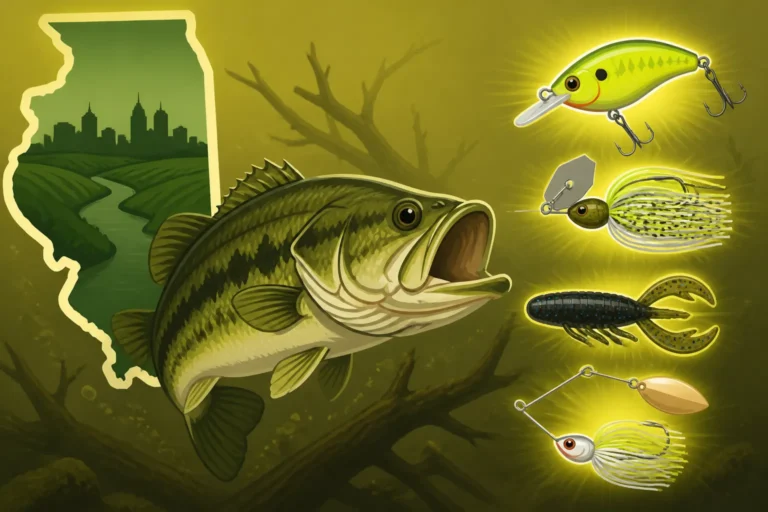
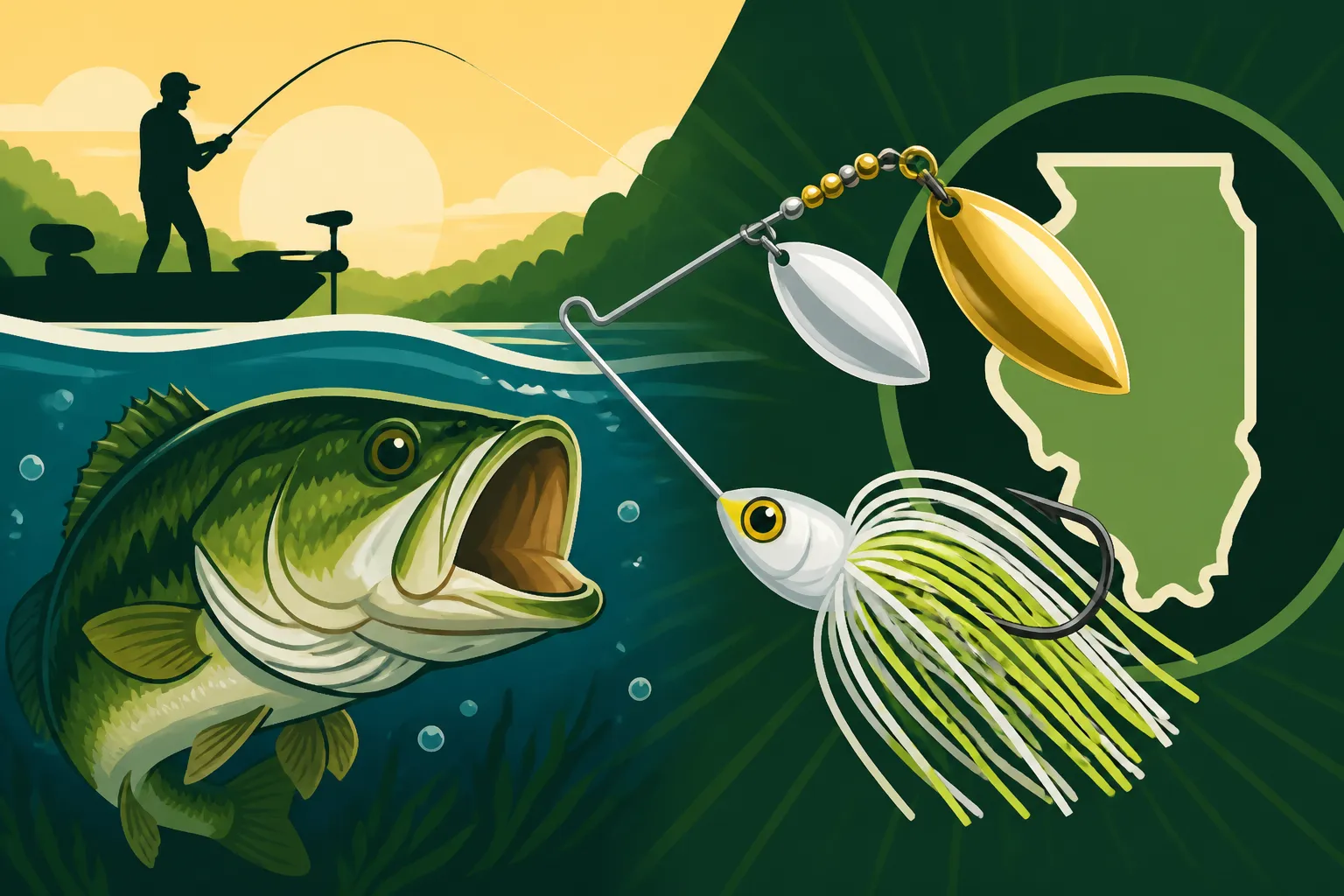
A typical spinnerbait is built around a heavy-gauge wire frame, usually bent into an L-shape. On one end, you'll find the main hook and a jig head, often covered by a soft, flowing skirt. On the other end, connected by a swivel, are the blades – usually one or two, sometimes more – that spin and flash.
The wire frame is crucial. It’s what gives the lure its unique profile and allows the blades to rotate freely. A good quality, strong wire frame is essential because it holds everything together and withstands the fight of a powerful bass. The jig head provides weight, dictating how deep and fast the lure sinks and can be retrieved. The skirt, typically made of silicone or rubber strands, pulsates in the water, adding a lifelike body and movement that entices strikes. And finally, the blades are the real stars of the show, creating both visual flash and vibrational cues that call bass in from a distance. You can find a massive selection of spinnerbaits on Amazon, from budget-friendly options to high-end models.
The Irresistible Flash and Vibration Combo
Think about what makes baitfish appealing to a predator. They flash their scales in the sunlight as they dart and turn, and their movements create subtle vibrations in the water. A spinnerbait perfectly replicates these cues, but on steroids. The spinning blades catch and reflect light, creating a dazzling, erratic flash that mimics a school of panicked minnows. This visual stimulus alone is often enough to trigger a predatory response.
But it’s the vibration that truly sets the spinnerbait apart. As the blades rotate through the water, they displace water, creating pressure waves that travel far. Bass, with their highly developed lateral lines, can detect these vibrations from a surprising distance, even in murky water or low-light conditions. It's like a dinner bell ringing underwater, telling them exactly where their next meal is hiding, even if they can't see it clearly. This combination of flash and feel is what makes the spinnerbait so deadly, especially when fish are spread out or not actively feeding on visual cues alone.
Why the Weedless Design is a Game Changer
One of the most frustrating things in fishing is constantly getting hung up on cover. Weeds, submerged timber, brush piles – these are often prime bass habitats, but they're also tackle magnets. This is where the spinnerbait's ingenious design truly shines. The wire arm that holds the blades acts as a guard for the hook point, pushing aside obstacles and allowing the lure to glide through heavy cover with remarkable ease.
This weedless characteristic means you can cast your spinnerbait directly into dense vegetation, around fallen logs, or right up against dock pilings without fear of losing your lure. This ability to penetrate prime bass real estate, where other lures would snag instantly, gives you a significant advantage. You're putting your bait right in front of fish that feel safe within their cover, often triggering a territorial strike they wouldn't make on an open-water presentation. It's truly a game-changer for fishing those tricky, high-percentage spots that hold the biggest bass.
Mastering Spinnerbait Retrieval Techniques for Illinois Bass
Throwing a spinnerbait isn't just about casting it out and reeling it in. There’s a whole repertoire of retrieval techniques that can make the difference between a slow day and a banner one, depending on the conditions and the mood of the bass. Each method aims to present the lure in a way that best mimics natural prey and provokes a strike.
The Classic Steady Retrieve
This is the bread and butter of spinnerbait fishing and a great place to start, especially if you're new to the lure. The steady retrieve involves simply casting your spinnerbait out and reeling it back in at a consistent speed. The goal here is to keep the blades spinning continuously, creating that constant flash and vibration.
Varying your retrieve speed is key. Sometimes, a slow, methodical retrieve is what the bass want, especially in colder water or when they’re lethargic. Other times, a medium-fast retrieve, where the blades are almost blurring, can trigger reaction strikes from more active fish. The steady retrieve is fantastic for covering a lot of water quickly, helping you locate active schools of bass. It’s particularly effective when fish are scattered or holding near obvious cover like the edges of weed lines or submerged points. Experiment with your speed until you find what the fish are responding to on a given day.
The Stop-and-Go and Erratic Twitch
Bass are opportunistic predators, and dying or injured baitfish often present an easy meal. The stop-and-go retrieve and erratic twitching techniques capitalize on this instinct by mimicking a struggling baitfish. For the stop-and-go, cast your lure out and reel it steadily for a few seconds, then pause briefly, allowing the spinnerbait to flutter or fall a foot or two, before resuming your retrieve. That sudden change in action often draws a strike as the lure appears vulnerable.
The erratic twitch takes this a step further. After your cast, use your rod tip to twitch and pull the lure through the water, mixing in short, sharp jerks with brief pauses. Imagine a frantic baitfish trying to escape. This technique is particularly effective when fishing around specific cover like a log or a rock pile. The sudden movements can often annoy a bass into striking, even if it wasn't actively feeding. This type of retrieve can be deadly during the Illinois Bass Pre-Spawn Fishing Patterns when bass are staging and a bit more aggressive.
The "Slow Roll" for Deeper Bass
When the water gets colder, or during the heat of summer, bass often retreat to deeper, cooler water. This is where the "slow roll" technique comes into its own. This method involves using a heavier spinnerbait and retrieving it just fast enough to keep the blades barely turning, often along the bottom or through the middle of the water column in deeper areas.
To execute a slow roll, cast your spinnerbait and let it sink to your desired depth, or even until it ticks the bottom. Then, begin a very slow, steady retrieve. You want to feel the blades thumping, but just barely. This presentation mimics a sluggish, easy meal, which can be highly effective for less aggressive bass. The slow roll is excellent for working deep ledges, submerged humps, or the deep edges of weed beds. It requires patience but can yield some truly big fish, especially during periods when bass aren't keen on chasing faster presentations. Consider this technique if you're targeting bass on Lake Shelbyville Fishing Guide where deeper structure is prevalent.
Burning a Spinnerbait for Reaction Strikes
On the complete opposite end of the spectrum is "burning" a spinnerbait. This is a high-speed retrieve designed to trigger aggressive reaction strikes from active bass. You’re not trying to mimic a natural baitfish here as much as you are trying to annoy or surprise a bass into lashing out.
Cast your spinnerbait and immediately begin a very fast retrieve, keeping your rod tip high to help keep the lure near the surface. The blades will be whirring, creating a huge commotion and a blur of flash. This technique is best suited for warmer water, active fish, and when you're looking for aggressive bass that are willing to chase. It's particularly effective along shallow weed lines, over submerged grass, or when bass are busting bait on the surface. While not always the most consistent method, when it works, it can be incredibly exciting, as bass often hit the lure with explosive force.
When and Where to Reach for a Spinnerbait in Illinois Waters
One of the spinnerbait's greatest strengths is its versatility. It can be fished effectively in a wide range of conditions and locations, making it a staple in any Illinois angler’s tackle box. Knowing when and where to deploy it can significantly boost your success rate.
Optimal Conditions and Seasons
Spinnerbaits truly shine in certain conditions, often outperforming other lures when the going gets tough.
- Cloudy and Windy Days: These are prime spinnerbait conditions. The reduced light penetration from clouds makes the flash of the blades more pronounced, while the wind creates chop on the water's surface, breaking up the lure's silhouette and making it look more natural. The wind also disperses scents and vibrations, making the spinnerbait's strong vibration an advantage.
- Murky or Stained Water: Because of their strong vibration, spinnerbaits are incredibly effective in off-color water where bass rely more on their lateral line than their eyesight. The flash helps, but the thump is what truly draws them in. This is a great choice if you're looking for Best Bass Lures for Murky Water.
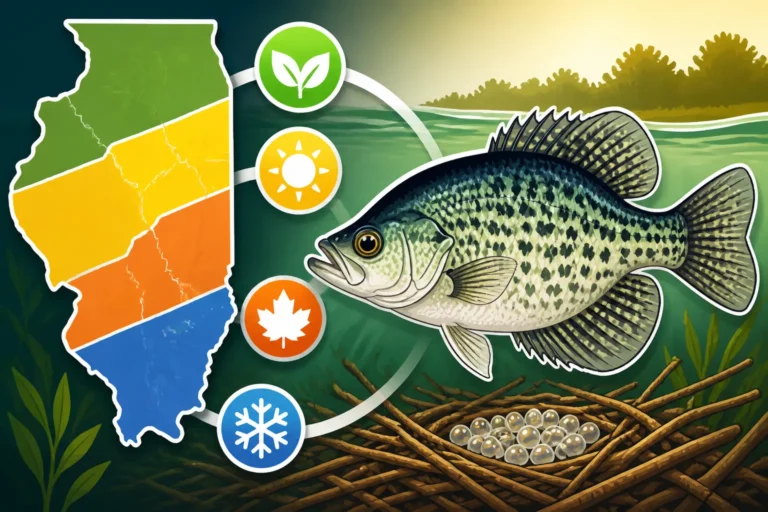
- Spring and Fall: These transitional seasons are fantastic for spinnerbaits. In spring, especially during the Illinois Bass Spawn Timing Guide, bass are often shallow and aggressive, making them susceptible to a well-presented spinnerbait. During fall, as baitfish migrate to shallower pockets, bass follow, and a spinnerbait is perfect for imitating these schooling fish.
- Morning and Evening: Like many lures, spinnerbaits are often more effective during low light conditions, such as dawn and dusk, when bass are more actively feeding. The flash and vibration cut through the dim light, making the lure an easy target.
Prime Locations and Cover for Spinnerbait Success
You'll be hard-pressed to find a bass habitat where a spinnerbait won't work, but some spots are absolute magnets for this lure.
- Weed Lines and Submerged Vegetation: This is classic spinnerbait territory. The weedless design allows you to run the lure right over the top of matted grass, along the edges of weed beds, or even through sparse patches of submerged hydrilla. Bass love to ambush prey from these hidden spots. Think about those extensive weed flats on Rend Lake Fishing Guide – perfect for a spinnerbait.
- Woody Cover: Fallen trees, brush piles, submerged stumps, and laydowns are all excellent places to target. Cast your spinnerbait past the cover and retrieve it so it deflects off the wood. That sudden deflection often triggers a reactive strike from bass hiding in the structure.
- Docks and Piers: The shaded areas and submerged structure around docks provide perfect ambush points for bass. Skip your spinnerbait under docks or retrieve it along the pilings. The flash and vibration can draw bass out from under the shadows.
- Rocky Points and Riprap: These areas offer a buffet of crayfish and baitfish, and bass frequently patrol them. A spinnerbait worked slowly along the rocks, occasionally bumping them, can be incredibly effective. The Mississippi River, for example, has numerous riprap sections that hold great bass.
- Shoreline Cover: Don't overlook the obvious. Overhanging trees, grass banks, and shallow points along the bank are all great places to cast a spinnerbait, especially if you're employing Bank Fishing Techniques.
Water Clarity and Spinnerbait Application
Understanding water clarity is crucial for selecting the right spinnerbait and technique.
- Murky or Stained Water: As mentioned, spinnerbaits excel here. Opt for larger blades (like Colorado blades) for maximum vibration and brighter, more contrasting skirt colors like chartreuse, white, or firetiger. The stronger thump and visibility help bass find the lure.
- Clear Water: In clear water, bass can be more finicky and observant. Downsize your blades to willow leaf styles for a more subtle flash and vibration, and choose more natural skirt colors like shad, perch, or bluegill patterns. A faster retrieve can also be beneficial to prevent bass from getting too good a look at the lure. If you’re fishing a crystal clear pond in Illinois, refer to our guide on Best Bass Lures for Clear Water for more tips.
Choosing the Right Spinnerbait for Illinois Bass
With an overwhelming array of spinnerbaits available, selecting the right one can feel daunting. But by understanding the purpose behind different blade types, skirt colors, and weights, you can confidently pick the perfect lure for any situation you encounter in Illinois. Brands like Strike King, Booyah, and Terminator offer a wide array of spinnerbaits, many of which are readily available on Amazon.
Blade Types and Their Actions
The blades are perhaps the most defining feature of a spinnerbait, each type offering a distinct action, vibration, and flash.
- Colorado Blades: These are round, cupped blades that produce the most vibration and "thump" in the water. They also create a lot of lift, allowing you to retrieve them slower while keeping them higher in the water column.
- Best Use: Excellent for murky water, low-light conditions (dawn, dusk, night fishing), and cold water when a slow retrieve is needed. The strong vibration calls fish from a distance.
- Willow Leaf Blades: Long and narrow, willow leaf blades create less vibration but offer maximum flash and a more subtle, darting action. They also have less lift, making them ideal for faster retrieves and deeper presentations.
- Best Use: Perfect for clear water, faster retrieves, and when you need to get the lure down deep quickly. They excel at imitating slender baitfish like shad.
- Indiana Blades: A hybrid between Colorado and willow leaf, Indiana blades are oval-shaped and offer a balance of flash and vibration. They're a good all-around choice when you're not sure which blade type to use.
- Best Use: Versatile and effective in a wide range of conditions, offering a good compromise between strong vibration and flash.
- Tandem Combinations: Many spinnerbaits feature two blades, often a larger Colorado blade up front for vibration and a smaller willow leaf blade in the back for flash. This offers the best of both worlds.
- Best Use: Highly versatile, adaptable to varied conditions, and often a go-to choice for anglers wanting both a strong thump and a lot of flash.
Here's a quick table to summarize the blade types:
| Blade Type | Shape | Action / Vibration | Flash | Best Use |
|---|---|---|---|---|
| Colorado | Round | Strong, thumping | High | Murky water, low light, slow retrieves |
| Willow Leaf | Long, narrow | Less vibration, subtle | High, darting | Clear water, fast retrieves, deeper water |
| Indiana | Oval | Moderate thumping | Medium | Versatile, good all-around, balanced |
| Tandem | Mix (e.g., Colorado/Willow) | Varied, customizable | High | All-around versatility, adapts to conditions |
Skirt Colors: Matching the Hatch and Beyond
The skirt adds bulk, lifelike movement, and color to your spinnerbait, playing a crucial role in attracting bass.
- Natural Colors: When bass are feeding on specific baitfish (like shad, bluegill, or perch), choosing a skirt color that mimics their natural prey is often highly effective. Shad patterns (white, silver, gray) are excellent year-round. Green pumpkin, brown, or black can mimic crayfish or bluegill.
- Bright and Contrasting Colors: In murky water or on dark, cloudy days, bright colors like chartreuse, firetiger, or bright white stand out more. These colors also often trigger aggressive reaction strikes when bass are feeding actively. If you're fishing in muddy post-rain conditions, consider these brighter options.
- Dark Colors: For low-light conditions, especially night fishing, black or dark blue skirts can create a strong silhouette against the lighter sky, making the lure easier for bass to track.
When stocking up, it's worth checking out user reviews on platforms like Amazon to see what other Illinois anglers are having success with.
Weight and Size Selection
The weight and size of your spinnerbait directly impact its running depth, castability, and how effectively it imitates local forage.
- Weight:
- 1/4 to 3/8 ounce: These lighter weights are perfect for shallow water (0-5 feet), casting into tight spots, and for faster retrieves near the surface. They’re great for targeting bass in early Spring Bass Fishing Patterns.
- 1/2 to 3/4 ounce: These are your most versatile weights, ideal for a wide range of depths (5-15 feet) and conditions. They cast well and offer good control for various retrieval speeds.
- 1 ounce and heavier: For deep water (15+ feet), strong currents, or windy conditions that make casting difficult, heavier spinnerbaits are essential. They get down quickly and stay down, making them great for the "slow roll."
- Size:
- Match the size of your spinnerbait to the size of the baitfish in the area. If bass are feeding on small minnows, use a smaller spinnerbait. If they're keying in on larger shad or bluegill, a bigger profile might be more effective.
- Don't forget to grab some extra trailer hooks, easily found on Amazon, to increase your hook-up ratio, especially if you're noticing short strikes on larger baits.
Ultimately, having a variety of spinnerbaits with different blade types, colors, and weights in your tackle box will prepare you for virtually any situation you encounter on Illinois’ Best Fishing Spots in Illinois. From specific blade styles to diverse skirt colors, a quick search on Amazon will show you the immense variety available.
Disclaimer
Fishing involves inherent risks. Always prioritize your safety and adhere to all local fishing regulations and laws. This guide is for informational purposes only and does not guarantee fishing success. Always check current conditions and wear appropriate safety gear, especially when boating.