When to Chase Salmon vs Trout on Illinois’s Lake Michigan Shore
Navigating the vast waters of Lake Michigan for salmon and trout can feel like trying to solve a complex puzzle, especially when you're standing on the Illinois shore or heading out from one of its bustling harbors. Many anglers get caught up in the excitement, casting endlessly without a clear understanding of when each species truly makes its appearance or where to even begin. This comprehensive guide is designed to demystify the seasonal movements and behavioral patterns of Lake Michigan's prized salmon and trout, giving you the knowledge to strategically plan your trips and significantly increase your chances of a successful catch along the Illinois shoreline and beyond.
Understanding Lake Michigan's Dynamic Fishery
Lake Michigan isn't just a giant body of water; it's a complex ecosystem with fluctuating temperatures, currents, and an abundance of forage that dictates where and when its predatory fish species will be found. Understanding these dynamics is the first step in figuring out when to chase salmon versus trout.
The Great Lakes Anadromous Fish Cycle
Many of the salmon and trout species in Lake Michigan are what we call anadromous, meaning they spend most of their lives growing in the open lake but return to shallower waters or tributary rivers to spawn. Unlike truly anadromous species that migrate from the ocean to freshwater, Lake Michigan's salmon and trout complete their entire life cycle within the freshwater system, moving between deep, cold offshore waters and warmer, shallower nearshore areas throughout the year.
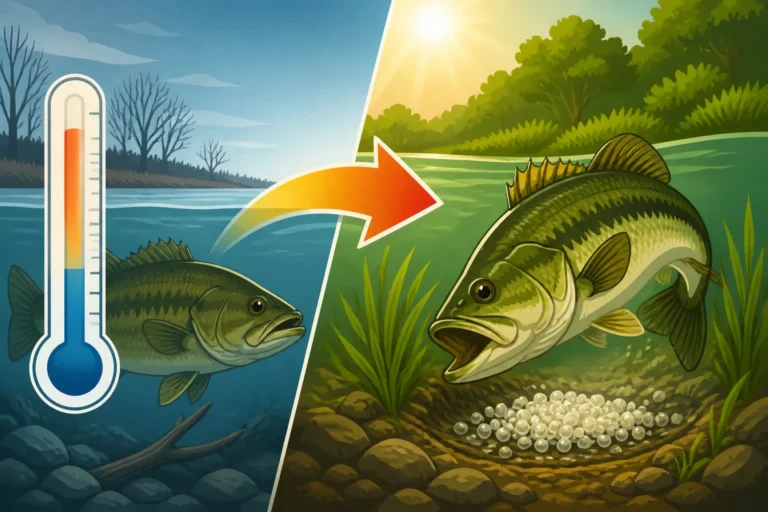
This movement is primarily driven by three factors: food, water temperature, and spawning instincts. In the spring, as the ice melts and nearshore waters begin to warm, baitfish like alewives and smelt move into these shallower zones. This brings the salmon and trout with them, making them accessible to shore anglers and those fishing closer to the harbors. As summer progresses and surface waters heat up, these fish retreat to the cooler, deeper parts of the lake, often congregating around what's known as the thermocline – a layer where the water temperature changes rapidly. This shift often necessitates a boat equipped with specialized gear to reach them. Finally, in late summer and fall, the urge to spawn draws mature salmon and trout back to the nearshore areas and into tributary rivers, offering another fantastic opportunity for shore-based anglers. Understanding this cyclical movement is crucial for timing your trips effectively.
Key Species and Their Habits
Lake Michigan is home to several species of salmon and trout, each with its own unique preferences and seasonal patterns. Knowing these individual habits will help you differentiate your approach.
Coho Salmon: Often the first salmon species to show up in numbers along the Illinois shore in the spring, Coho salmon are aggressive feeders known for their acrobatic fights. They prefer cooler water, generally between 40-55°F, and are heavily reliant on baitfish like alewives. Young coho tend to stay closer to shore in spring before moving to deeper water as summer progresses. They are also known for a shorter, less pronounced spawning run compared to Chinooks, with many returning to harbors and river mouths in late summer/early fall. Their silver sides with a few spots on the upper lobe of the tail make them identifiable.
Chinook Salmon: Also known as King salmon, Chinooks are the largest and most powerful salmon in Lake Michigan, capable of growing to impressive sizes. They are highly migratory and chase schools of baitfish throughout the open lake. While they can be caught offshore throughout the summer, their most anticipated appearance for shore anglers is during their dramatic fall spawning run. They seek out specific temperature ranges, often slightly warmer than coho, typically between 50-60°F when actively feeding. Look for their distinct black gums and spots on both lobes of their tail.
Rainbow Trout (Steelhead): These are essentially migratory rainbow trout that spend their lives in Lake Michigan, much like salmon, before returning to rivers to spawn. Steelhead are renowned for their incredible strength, speed, and aerial displays when hooked. They are particularly active near tributary mouths and river systems during their spring and fall spawning migrations, but they also cruise nearshore areas of the lake, especially after strong winds or rain. They are identifiable by their silver body and a reddish band along their side, especially pronounced during spawning, and fine spots on their back and tail.
Brown Trout: A true cold-water enthusiast, brown trout are often found closer to shore and are less migratory than salmon or steelhead. They are known for their resilience and can be caught year-round in Illinois waters, though they are most active in the colder months of fall, winter, and early spring. Browns are opportunistic feeders, preying on baitfish, insects, and even smaller trout. They love structure, making rocky breakwalls, piers, and river mouths prime locations. Their coloration varies greatly, from silvery-brown in open water to golden-brown with distinct black and sometimes red spots (often with light halos) in rivers.
Lake Trout: While less common for shore anglers due to their preference for very deep, cold water (often below 40°F), lake trout are a significant part of the Lake Michigan fishery, particularly for boat anglers. They are native to the Great Lakes and are long-lived, slow-growing fish. Occasionally, in the coldest parts of winter or early spring, a few may wander into deeper harbors or nearshore areas where they can be targeted with specialized techniques. Lake trout are typically dark gray to olive-green with light spots and a deeply forked tail.
Prime Time for Coho Salmon in Illinois
Coho salmon are often the first major game fish to kick off the Lake Michigan fishing season in Illinois, providing thrilling action for both boat and shore anglers. Their seasonal patterns are quite predictable, allowing you to plan your trips for maximum success.
Early Spring Blitz (March – May)
As winter finally loosens its icy grip on Lake Michigan, usually from March through May, the waters close to shore begin to warm faster than the deep lake. This creates a thermal "comfort zone" that attracts vast schools of baitfish, primarily alewives and smelt. Where the bait goes, the Coho follow, making this period the absolute prime time for catching these feisty salmon from piers, breakwalls, and small boats along the Illinois shore. Water temperatures between 40-50°F are ideal. You'll often find them just a few feet below the surface in 10-30 feet of water.
For shore anglers, casting small spoons in bright colors like orange, red, or chartreuse is highly effective. Spoons such as the classic Little Cleo, Krocodile, or a Dardevle in 1/4 to 3/8 ounce sizes are staples. Varying your retrieve speed, from a slow wobble to a fast jigging action, can trigger strikes. Another highly successful method is suspending spawn bags or small pieces of cut bait (like pieces of smelt or shrimp) under a bobber. This technique allows the bait to drift naturally, enticing hesitant biters. Popular locations for this early spring blitz include the many harbors and protected areas along the Chicago Lakefront, such as Belmont Harbor, Montrose Harbor, and Jackson Park, as well as further north in Waukegan Harbor. These sheltered spots warm up quicker and offer easier access.
Summer Offshore Pursuit (June – August)
As the late spring transitions into the warmer months of June, July, and August, the entire nearshore environment heats up significantly. The comfortable 40-50°F water that Coho salmon prefer disappears from the shoreline, forcing these fish to retreat to the cooler, deeper regions of Lake Michigan. This migration means that during the peak of summer, targeting Coho largely becomes a boat-based endeavor. Anglers with access to boats capable of navigating the open lake can follow the Coho offshore, often finding them anywhere from 3 to 10 miles out, depending on the year and the formation of the thermocline.
This deeper water fishing requires specialized gear like downriggers, which are essential for presenting lures at precise depths in the water column where the salmon are feeding. Planer boards are also frequently used to spread out lines horizontally, covering a wider area and avoiding prop wash from the boat. Popular techniques include trolling dodgers or flashers paired with artificial flies (often called "peanut flies") or small spoons that mimic baitfish. Speed is crucial, typically around 2-3 miles per hour. While it's a different game than the early spring shore bite, summer offshore Coho fishing can be incredibly productive, with anglers often reeling in multiple fish. Many charter operations in ports like Waukegan, Diversey Harbor, or North Point Marina specialize in these offshore Lake Michigan Salmon Season Timing in Illinois trips, providing an excellent option for those without their own deep-water boat setup.
Chasing Chinook Salmon Along the Illinois Shore
The powerful Chinook salmon, or "Kings" as they're affectionately called, offer some of the most exhilarating fishing experiences on Lake Michigan. Their sheer size and incredible fighting ability make them a coveted catch, and Illinois anglers have specific windows of opportunity to target them effectively.
Late Spring to Early Summer (May – July)
While Coho salmon often dominate the early spring bite, Chinooks start to become more active and present themselves as a viable target from late spring through early summer, typically from May into July. During this period, the water temperatures are steadily rising, and while many Chinooks are still scattered in the deeper, cooler offshore waters, some larger kings will venture into the mid-depth ranges, especially around structure or current breaks. This often creates an overlap with the Coho fishery, meaning you might hook into either species on the same trip.
Boat anglers will find success targeting Chinooks by adjusting their tactics for deeper presentations and often faster trolling speeds compared to Coho. Large spoons, often in flashy silver, green, or blue patterns, are excellent choices. J-Plugs, which mimic injured baitfish with their erratic swimming action, are also incredibly effective for Kings. Meat rigs, consisting of a strip of cut bait (like herring or alewife) fished behind a flasher or dodger, are another top producer for enticing these powerful fish. While primarily a boat fishery at this time, an occasional large Chinook might be caught from shore by anglers casting substantial spoons or large stickbaits, particularly if there's a good current or a sudden influx of colder water near the piers or breakwalls. Consistency, however, leans heavily towards the boat anglers during these months.
The Fall Spawning Run (August – October)
This is the event every serious Illinois salmon angler anticipates: the fall spawning run. From late August through October, mature Chinook salmon, driven by their powerful reproductive instincts, begin to congregate near the mouths of tributary rivers and within the major harbors along the Illinois Lake Michigan shoreline. This is when the "King" truly becomes accessible to shore anglers in significant numbers, offering some of the most exciting, albeit sometimes crowded, fishing opportunities of the year.
The primary target locations for the fall run are the protected waters of Chicago's harbors (like Montrose, Belmont, and Jackson Park harbors) and the Waukegan Harbor, as well as the lower stretches of rivers that feed into the lake, such as the Chicago River system. Chinooks will push into these areas seeking freshwater to spawn, often following the scent trails of previous generations. Techniques for shore anglers during this time shift dramatically from trolling to casting and bait fishing. One of the most effective baits is skein, which are salmon eggs cured in various colors and scents. Anglers often fish skein under a bobber or on a bottom rig. Large crankbaits, spoons, and even brightly colored soft plastics can also provoke strikes from aggressive, territorial kings.
However, the fall run presents its challenges. The fish are often focused on spawning, not necessarily feeding, so triggering a reaction strike is key. Heavy rains can flush fish out of rivers or into harbors, making timing crucial. Crowds can also be significant, especially on weekends at popular spots, so arriving early is often necessary. While fishing for these majestic fish, it's vital to respect all Illinois Fishing Season and Catch Limit Rules to ensure the sustainability of the fishery. Catching a trophy Chinook from shore during this window is a badge of honor for many Illinois anglers, and the raw power of these fish is something truly unforgettable.
Targeting Lake Michigan Trout Species
Beyond the dramatic salmon runs, Lake Michigan offers fantastic opportunities to target several species of trout, each with its own preferred season and habitat. These fish provide year-round angling possibilities, especially for those willing to brave cooler weather.
Brown Trout: Cool Water Cruisers (Fall, Winter, Early Spring)
Brown trout are the true resident fighters of the Illinois Lake Michigan shoreline. Unlike their more migratory salmon and steelhead cousins, browns tend to stay closer to shore for extended periods, making them an excellent target for bank and pier anglers almost year-round, but especially during the cooler months. Their peak activity typically spans late fall, through the winter (even under ice in protected harbors), and into the early spring. They thrive in water temperatures between 40-55°F, often found congregating near structures that offer both cover and access to baitfish.
For shore anglers, targeting brown trout means focusing on areas with rocky breakwalls, rip-rap, piers, and even the discharges from power plants (like the Waukegan power plant) which create warmer water plumes that attract both bait and trout. Casting stickbaits, such as Rapala Original Floaters, Husky Jerks, or Bandit Walleye Deep divers, in natural or bright patterns (like chrome/blue, firetiger, or clown) can be incredibly effective, especially during low light conditions at dawn or dusk. Spoons like the Little Cleo or Castmaster in silver, gold, or copper are also reliable producers. Many experienced anglers also use spawn bags or live minnows suspended under a bobber, particularly when brown trout are actively feeding on natural forage. Brown trout are known for their resilience and strong fights, often surprising anglers with their power in shallow water. You can find excellent advice on specific brown trout patterns and locations in guides focusing on Lake Michigan Trout Season Timing in Illinois.
Rainbow Trout (Steelhead): River Runners (Spring and Fall)
Rainbow trout, or steelhead as they are often called in their migratory form, offer a different kind of Lake Michigan challenge. These are highly prized for their spectacular fighting ability and willingness to jump. While some steelhead can be caught trolling offshore, the most accessible opportunities for shore anglers occur during their distinct migratory runs up tributary rivers in both spring and fall. These fish spend most of their lives in the vastness of Lake Michigan, but the call to spawn draws them into the smaller river systems.
The primary windows for steelhead river runs in Illinois are spring (roughly March-May) and fall (September-November). During these periods, steelhead will stage near river mouths or even enter the lower reaches of rivers, seeking suitable spawning grounds. Techniques for targeting them in these riverine environments often involve drifting natural baits like spawn sacs, beads, or small jigs under floats. Fly fishing with egg patterns, nymphs, or streamers can also be highly effective. For those fishing the Lake Michigan shore itself, opportunities arise after heavy rains, which often flush steelhead out of rivers or draw them to the river mouths before they enter. At these times, casting spoons, twitching crankbaits, or even using a bobber and spawn along harbor walls or near river mouths can connect you with a silver bullet. Understanding the subtle differences between different trout species is key, and an article like Rainbow Trout vs Brown Trout vs Brook Trout: Identification Guide can help you identify your catch.
Lake Trout: Deepwater Dwellers (Year-Round with Nuances)
Lake trout are the undisputed heavyweights and native residents of Lake Michigan's depths. Unlike salmon or steelhead, they do not undergo significant nearshore migrations for spawning in the same way. Instead, they typically reside in the deepest, coldest parts of the lake, often preferring water temperatures well below 40°F. This preference generally makes them primarily a boat fishery, requiring specialized gear to reach them at depths that can range from 50 to over 200 feet.
However, there are nuances to this. In the very coldest months of winter, when the entire lake cools down significantly, or during early spring before the nearshore waters warm too much, some lake trout might venture into deeper harbors or near the mouths of major rivers. For shore anglers, catching a lake trout is often an incidental bonus rather than a targeted pursuit, but it's not impossible. In deep harbors with good structure, jigging heavy spoons (like Swedish Pimples or larger Kastmasters) or blade baits can occasionally tempt a hungry laker. Boat anglers, on the other hand, can target them year-round using downriggers and large spoons, cowbells with spin-n-glos, or meat rigs. While they might not be the primary focus for a shore-based Lake Michigan fishing trip, it's good to be aware that these ancient fish are out there, swimming in the dark depths beneath your feet.
Essential Gear and Techniques for Salmon and Trout
Successfully targeting Lake Michigan's salmon and trout, whether from shore or boat, requires the right tools and knowing how to use them. Investing in appropriate gear can make a huge difference in your success and enjoyment.
Shore Angling Setup for Success
For anglers who prefer to keep their feet on solid ground, a well-chosen shore angling setup is paramount for reaching distant fish and handling powerful strikes. The primary goal is casting distance and the ability to fight strong, often large fish.
Rod and Reel: You'll want a medium-heavy to heavy power spinning combo. Rods in the 8 to 10-foot range are ideal, providing the necessary leverage for long casts with spoons and crankbaits, as well as absorbing the shock of a hard-fighting salmon or trout. A longer rod also helps keep your line over breakwater rocks, preventing abrasion. Pair this with a robust spinning reel in the 3000-5000 size range. Look for models with a smooth drag system, which is crucial for preventing line breaks when a big fish makes a powerful run. Many reputable brands offer excellent rods and reels that can be found on retailers like Amazon.
Line: The choice of line is critical. Many experienced anglers prefer a braided main line (20-30 lb test) for its incredible strength, lack of stretch, and casting distance. However, braided line is visible to fish, so it's essential to attach a fluorocarbon leader (10-15 lb test, 3-6 feet long) using a strong knot like an FG knot or a double uni knot. Fluorocarbon is nearly invisible underwater and offers excellent abrasion resistance against sharp rocks or fish teeth. Alternatively, you can use a high-quality monofilament line (10-15 lb test) as your main line, which has more stretch but can be more forgiving for beginners.
Lures: A varied tackle box is key.
- Spoons: Essential for salmon and trout. Popular choices include the Little Cleo, Krocodile, Dardevle, and Castmaster in weights from 1/4 to 3/4 ounce. Colors like silver, gold, chrome/blue, orange, and chartreuse are highly effective.
- Crankbaits/Stickbaits: Imitate baitfish. Rapala Original Floaters, Husky Jerks, and Bandit Walleye Deep divers are great options. Colors mimicking alewives or smelt are good, as are bright patterns.
- Soft Plastics: Can be effective, especially for steelhead and brown trout. Small paddle tail swimbaits or tube jigs in natural colors can mimic small baitfish or invertebrates.
- Bait: When fish are finicky, natural bait can be irresistible. Spawn bags (small mesh bags filled with salmon or trout eggs) are a go-to for all trout and salmon species, especially during spawning runs. Cut bait like pieces of smelt or shrimp can also be effective, fished on a simple bottom rig or under a bobber. Don't forget quality swivels and snap swivels to prevent line twist when using spoons and for quick lure changes, which you can easily stock up on through Amazon.
Boat Fishing Considerations for Deeper Waters
For those venturing onto the open waters of Lake Michigan, boat fishing opens up a whole new world of techniques, particularly trolling in deeper water where salmon and trout spend much of their lives.
Trolling Gear:
- Downriggers: These are crucial for presenting lures at precise depths. They use a heavy ball weight and a release clip to carry your fishing line down, releasing it when a fish strikes.
- Dipsy Divers/Planer Boards: Dipsy divers use water resistance to dive lures to a set depth and out to the side of the boat. Planer boards carry multiple lines away from the boat, covering a much wider swath of water and preventing tangles.
- Rods: Specialized trolling rods are often used, typically longer and with a softer tip to absorb the shock of trolling with heavy gear. Wire or leadcore line setups are also common, allowing lures to get deeper without additional weights.
Lures:
- Dodgers/Flashers and Flies: These are attractor systems. Dodgers and flashers are large, metallic blades that create vibration and flash, attracting fish. They are typically rigged in front of a small artificial fly (peanut fly) or a strip of cut bait.
- J-Plugs: These are unique, lipless trolling lures that have an erratic, wounded-fish action, particularly deadly for Chinook salmon.
- Large Spoons: Similar to shore spoons but often larger and heavier for trolling at higher speeds or in deeper water. Many popular spoon brands offer specific trolling models. You can often find great bulk deals on spoons and flashers suitable for Lake Michigan on Amazon.
- Electronics: A reliable fish finder with GPS capabilities is practically essential. It helps you identify baitfish schools, locate the thermocline (where fish often congregate), track your speed, and mark productive areas. GPS is also vital for navigation and safety on large bodies of water.
Remember, safety on Lake Michigan is paramount. Always check weather conditions, have all required Illinois Boating Safety Equipment Checklist on board, and ensure your boat is properly registered according to Illinois Boat Registration Requirements Explained.
Timing Your Trip: Factors Beyond Species
While knowing when certain salmon and trout species are most active is vital, successful Lake Michigan fishing isn't just about the calendar. Environmental factors like weather, water conditions, and even time of day play a huge role in fish behavior and can dramatically influence your catch rates.
Weather and Water Conditions
Lake Michigan is a living entity, and its mood changes with the weather. Understanding these changes and how they impact the fish can help you decide when and where to cast your line.
Impact of Wind: Wind is perhaps the most significant weather factor on Lake Michigan. A strong, sustained wind from a particular direction can create waves that crash against the shore, stirring up sediment and reducing water clarity. While this might deter some anglers, slightly turbid water can actually be beneficial, especially for brown trout and salmon, as it provides cover for them to hunt closer to shore. A north wind, for instance, often pushes warmer surface water offshore, allowing cooler, nutrient-rich water to well up near the coast, which can concentrate baitfish and therefore game fish. Conversely, a prolonged south wind can push warm water closer to shore, sending fish to deeper, cooler havens. High winds can also create strong currents, making boat control difficult and potentially moving baitfish schools around. Keeping an eye on wind forecasts is crucial, not just for fishing success but for safety as well.
Water Clarity: Water clarity is another key consideration. After heavy rains, especially if they cause rivers to swell and dump sediment into the lake, the nearshore waters can become quite muddy. While excessively murky water can shut down a bite, a slight stain can actually improve fishing, particularly for brown trout and post-spawn salmon, by making them feel more secure to feed aggressively. Clear, calm water, on the other hand, often means fish are warier and require more subtle presentations, or they've moved to deeper, darker water. Understanding how Water Temperature and Fish Activity Guide explains fish behavior in various conditions is a good idea.
Temperature Changes and Thermocline Depth: Lake Michigan experiences significant temperature stratification, especially in summer. The "thermocline" is a layer in the water column where the temperature drops rapidly. This layer is often where baitfish and therefore salmon and trout congregate, as it provides an optimal temperature range and often concentrated food sources. In spring and fall, as the lake mixes, the thermocline might be less defined or closer to the surface, bringing fish within reach of shore anglers. Monitoring current water temperature readings, often available through marine weather forecasts or fish finder electronics, can give you a critical edge in locating fish, especially for boat anglers.
Time of Day and Moon Phases
Just like human schedules, fish have their own peak activity times, and paying attention to these rhythms can greatly improve your chances.
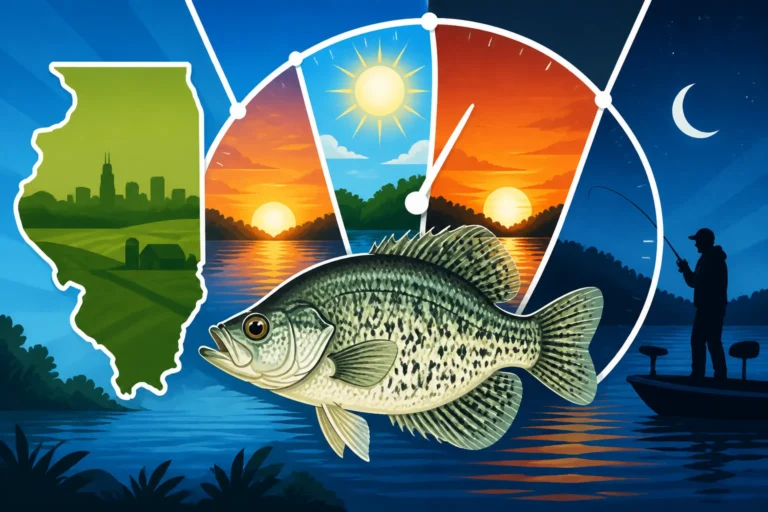
Dawn and Dusk: Without a doubt, the periods around dawn and dusk are often the most productive times for salmon and trout fishing on Lake Michigan, regardless of the species. During these low-light conditions, fish feel more confident to move into shallower areas to feed. The reduced light also makes them less wary of anglers and more willing to strike lures. For early spring Coho, a pre-dawn start can be the difference between a few fish and a full cooler. Similarly, a strong evening bite for brown trout along a breakwall can be spectacular as the sun dips below the horizon. Understanding Dawn Fishing Techniques can give you an edge.
Night Fishing: While not always the most comfortable, night fishing can be incredibly productive, especially for brown trout and sometimes even salmon in the harbors during their spawning runs. Under the cover of darkness, these fish move right up to the harbor walls and piers, often within a few feet of shore. Casting stickbaits or even fishing spawn under a light (where allowed) can lead to some surprisingly good catches. The tranquility of night fishing also offers a unique experience, free from the daytime crowds.
Moon Phase Influence: The moon phase is a factor that some anglers swear by, while others consider it secondary to weather and water conditions. Generally, some believe that major and minor feeding times (based on moonrise/moonset and moon overhead/underfoot) can trigger increased activity. However, on a massive, dynamic system like Lake Michigan, local conditions (wind, temperature, baitfish presence) often override subtle lunar influences. It's usually best to prioritize favorable weather and water conditions, and then consider moon phases as a potential bonus influence. Don't let a "bad" moon phase deter you if other conditions are perfect.
Conservation and Regulations on Lake Michigan
As passionate anglers, we all share a responsibility to protect and preserve the incredible Lake Michigan fishery for future generations. This means not only adhering to the rules but also practicing ethical angling.
Illinois Fishing Regulations Overview
Understanding and complying with the Illinois fishing regulations for Lake Michigan is not just about avoiding fines; it's about contributing to a healthy ecosystem. The Illinois Department of Natural Resources (IDNR) sets specific rules that govern bag limits, size limits, and open seasons for various species. These regulations are meticulously crafted based on biological data, population health, and management goals.
For salmon and trout, there are often statewide or Lake Michigan-specific limits that apply. For example, there are daily creel limits for various salmon and trout species, and sometimes minimum size requirements, which can vary by species and even specific locations (e.g., within certain harbors during certain times). It is absolutely essential to consult the current year's Illinois Fishing Information Guide or the IDNR website before each trip, as regulations can change annually. Ignoring these rules can lead to significant penalties, ranging from hefty fines to the loss of fishing privileges. This guide specifically focuses on Illinois Fishing Regulations Overview and other key rules like Illinois Fishing Season and Catch Limit Rules. Furthermore, remember that many of these species, particularly trout and salmon, require an additional stamp on top of your regular fishing license. Always ensure you understand Illinois Trout and Salmon Stamp Requirements before targeting these prized fish.
Ethical Angling and Sustainable Practices
Beyond the letter of the law, ethical angling is about respect for the fish, the environment, and fellow anglers. Sustainable practices ensure that our grandchildren can enjoy the same fantastic fishing opportunities we do.
Catch and Release Best Practices: While many anglers keep some salmon and trout for the table (which is perfectly legal within limits), catch and release is an important practice, especially for smaller fish or those caught outside of prime eating condition. When practicing catch and release:
- Use barbless hooks or pinch down barbs to minimize damage.
- Land fish quickly to reduce stress.
- Handle fish gently with wet hands, supporting their body.
- Use pliers or a hook remover to quickly extract hooks.
- Avoid prolonged handling or keeping the fish out of water for too long, especially for photos.
- Revive exhausted fish by holding them gently in the water, facing into the current, until they swim off strongly.
Avoiding Snagging: During the fall spawning runs, salmon and trout often become aggressive and territorial, but they may not be actively feeding. This can lead to situations where fish are "snagged" or foul-hooked unintentionally. Intentional snagging (hooking a fish anywhere other than the mouth) is illegal in Illinois and highly unethical. Anglers should use appropriate gear and techniques that target actively biting fish. If you accidentally foul-hook a fish, it's generally best practice to release it if possible, minimizing harm.
Respecting Other Anglers and the Environment: Lake Michigan's shorelines and harbors can get crowded, especially during peak seasons. Always be mindful of other anglers, maintaining a respectful distance and avoiding casting over their lines. Keep noise levels down, especially in the early morning or late evening. Beyond that, always practice "leave no trace" principles. Pack out all your trash, including discarded fishing line (which can be deadly to wildlife), bait containers, and food wrappers. Consider picking up any litter you find. Taking these small steps ensures that everyone can continue to enjoy the beauty and bounty of Lake Michigan's fishery for years to come.
Salmon vs. Trout: Quick Reference for Illinois Lake Michigan
| Feature | Coho Salmon | Chinook Salmon | Brown Trout | Rainbow Trout (Steelhead) |
|---|---|---|---|---|
| Primary Season | Early Spring (Mar-May), Summer (offshore), Late Summer (harbors) | Late Spring (offshore), Fall (Aug-Oct) Spawning Run | Fall, Winter, Early Spring (year-round nearshore) | Spring (Mar-May) & Fall (Sept-Nov) River Runs, Post-rain nearshore |
| Water Temp Pref. | 40-55°F | 50-60°F | 40-55°F | 40-60°F |
| Key Locations | Harbors, Piers (spring); Offshore (summer) | Offshore (early); River Mouths, Harbors (fall) | Piers, Breakwalls, Power Plant Discharges | River Mouths, Harbors, Tributary Rivers |
| Shore Lures | Small Spoons, Spawn Bags, Cut Bait | Large Spoons, Crankbaits, Skein (fall) | Stickbaits, Spoons, Spawn Bags, Minnows | Spawn Bags, Jigs, Small Spoons |
| Boat Lures | Dodgers/Flies, Small Spoons | J-Plugs, Large Spoons, Meat Rigs | Spoons, Crankbaits (trolling in cooler water) | Spoons, Dodgers/Flies (trolling) |
| Fight Style | Acrobatic Jumps, Fast Runs | Powerful Runs, Deep Fights | Strong Runs, Head Shakes | Incredible Jumps, Fast Runs |
Disclaimer
Fishing conditions and regulations are subject to change. Always consult the latest Illinois Department of Natural Resources (IDNR) fishing guide before heading out on Lake Michigan. This article is for informational purposes only and does not constitute official legal advice regarding fishing regulations.