Best Time of Day to Catch Crappie
It's a familiar feeling, isn't it? You get out on the water, full of hope, only to spend hours without a single bite. Crappie can be incredibly elusive, and one of the biggest frustrations for anglers is feeling like they're just missing the window. This guide is here to demystify the "when" of crappie fishing in Illinois, helping you pinpoint the best times of day to cast your line for a productive trip.
The Magic of Low Light: Dawn and Dusk for Crappie
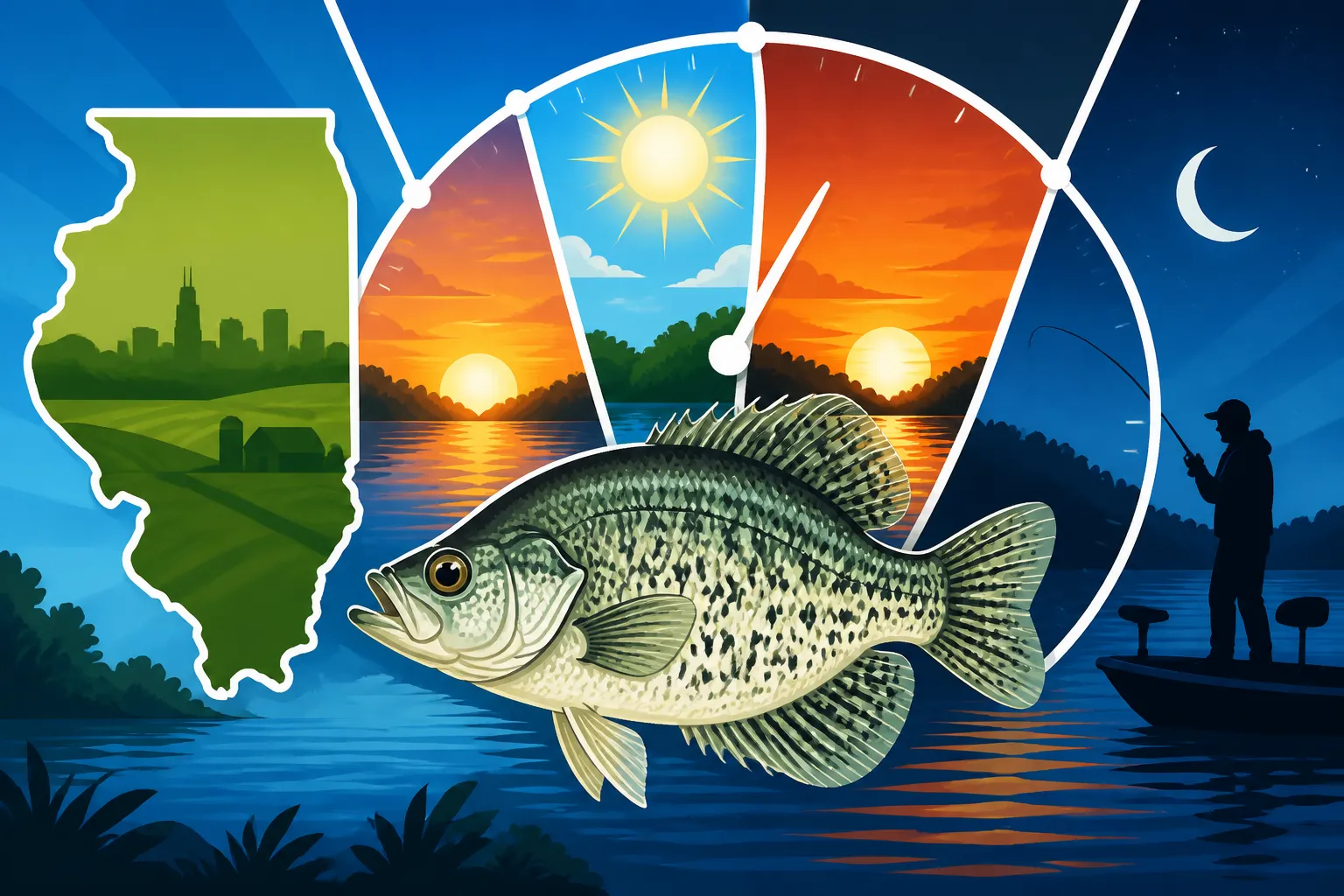
When you talk to seasoned crappie anglers in Illinois, they'll often whisper about dawn and dusk like it's a sacred secret. And honestly, there's a lot of truth to it. These low-light periods offer some of the most consistent and exciting crappie action you'll find, primarily because of how these fish are wired. It’s not just an old wives' tale; there’s solid biology behind why these times are so productive.
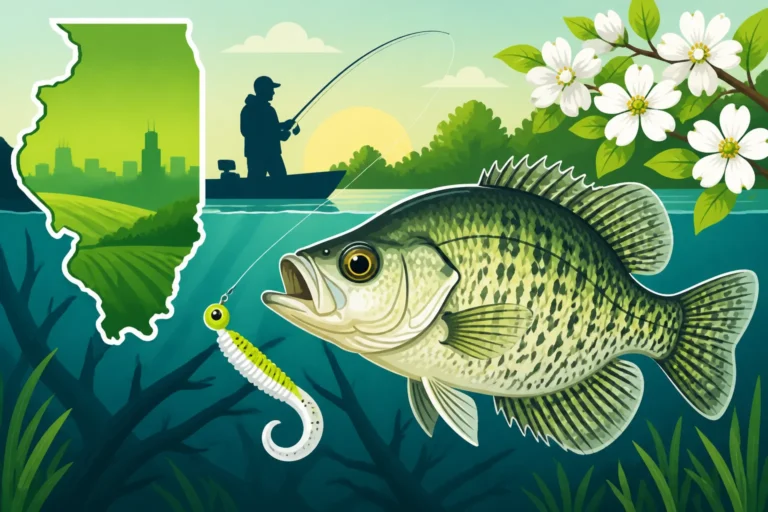
Crappie, both black and white varieties, have large eyes that are incredibly sensitive to light. While they can see fine in brighter conditions, they thrive in lower light, which gives them a distinct advantage over their prey, like minnows and small insects, which might struggle to see them coming. Think of it as a tactical advantage for the crappie. As the sun rises or sets, the diminishing light levels create a comfort zone for these fish, making them more confident to move out from deeper cover and actively feed.
Another reason for this prime biting window is the activity of their forage. Baitfish often become more active and exposed during dawn and dusk as they, too, adjust to the changing light. This creates a smorgasbord for hungry crappie, driving them into shallower waters or up from deeper ledges to hunt. It's a natural feeding frenzy cycle that anglers can exploit if they time their trips right. You'll often find them congregating near structure like fallen trees, brush piles, or weed lines during these times, waiting to ambush unsuspecting prey. This makes these spots hotbeds for targeting with a jig or a minnow under a bobber.
Why Low Light is a Crappie Angler's Friend
The physics of light penetration in water plays a huge role in crappie behavior. During the brightest parts of the day, especially on clear Illinois lakes, sunlight can penetrate deep, driving crappie down to darker, cooler waters to avoid the glare. But as the sun dips below the horizon in the evening or just begins its ascent in the morning, the light becomes diffused. This softer light allows crappie to move into shallower feeding areas without feeling exposed. They feel safer and more comfortable in these conditions, which translates directly into increased feeding activity.
This comfort level is crucial for crappie. Unlike some other game fish that might tolerate brighter conditions, crappie prefer to stick to the shadows and dimmer areas. It's a survival instinct; less light means less visibility for predators like bass or northern pike. So, by understanding this natural inclination, you can predict their movements. If you're out early, focus on the eastern banks as the sun rises, as the shadows cast by the trees will offer cover. Conversely, in the evening, the western banks will provide that critical shade. This knowledge can give you a significant edge, especially when fishing unfamiliar waters.
The ideal low-light period usually lasts for about an hour after sunrise and an hour before sunset, but this can vary based on cloud cover and water clarity. On an overcast day, the low-light conditions might extend for much longer, giving you an even wider window of opportunity. Conversely, on a super clear, sunny day, that window might be narrower, requiring you to be extra precise with your timing. Don't be afraid to experiment and observe; every body of water is a little different, and understanding the nuances of your chosen spot can make all the difference.
Adapting to Different Weather Conditions at Dawn/Dusk
While dawn and dusk are generally prime, weather can certainly throw a wrench into things. A calm, overcast morning after a warm night? That's crappie heaven. The low light is extended, and the stable barometric pressure keeps fish active. You might find fish holding tighter to cover or slightly deeper than usual if a cold front has recently passed, even during dawn or dusk. Conversely, a warm front can invigorate them, pushing them even shallower. Understanding these subtle shifts is key to consistent success.
Wind is another major factor. A light breeze can be your friend, creating a chop on the water that further diffuses light and concentrates baitfish, pushing them against a bank or structure. However, a strong, sustained wind can make boat control difficult and scatter fish, making them harder to locate. On windy days, try to find sheltered coves or points that break the wind, where crappie might seek refuge and food. You might also need to adjust your Crappie Jigging Techniques to compensate for the drift.
Rain can also be a blessing or a curse. A light, steady rain during dawn or dusk can be fantastic, as it breaks up the water surface, adding to the low-light conditions and washing insects and nutrients into the water, which in turn attracts baitfish. Heavy downpours, however, can muddy the water, drop water temperatures rapidly, and temporarily shut down the bite as fish seek deeper, more stable environments. Always keep an eye on the forecast and be ready to adapt your strategy. Even a subtle change in atmospheric pressure, detailed in our Water Temperature and Fish Activity Guide, can influence fish behavior.
Midday and Night Fishing: Breaking the Mold for Crappie
While dawn and dusk are often the go-to, writing off midday and night fishing for crappie would be a huge mistake. Crappie don't just disappear when the sun is high or hide completely after dark. Their behavior simply shifts, and smart anglers can adapt their tactics to find them during these less-conventional times, sometimes with even better results, especially when fishing pressure is high during the golden hours.
Midday can actually be surprisingly productive, particularly on overcast days or in waters with lots of deep cover. The key is understanding where crappie retreat during bright conditions. They don't vanish; they just seek refuge. This means you might need to change your approach, moving from shallow-water tactics to methods that target deeper structure. It requires a bit more effort and often more specialized gear, but the reward can be worth it.
Night fishing, on the other hand, is a completely different ball game and an incredibly effective way to target crappie, especially in heavily fished lakes. Under the cover of darkness, crappie become much bolder, often moving into very shallow water to feed. This is where light plays a crucial role, but in a way that attracts the fish rather than deterring them. Many anglers swear by a good night fishing setup, and it can be a tranquil and very rewarding experience away from the daytime crowds.
Finding Crappie During Bright Midday Hours
When the sun is blazing high in the sky, and you're wondering if all the crappie have packed up and gone home, don't despair! They're still there; they've just relocated. During midday, especially on clear days, crappie will typically move to deeper, shadier areas. This could mean they're suspended over deep water, hanging out under docks, bridges, or around substantial submerged structure like brush piles, rock piles, or artificial fish attractors. You'll also find them hunkered down in the thickest part of dense weed beds where the light penetration is minimal.
To target these midday crappie, you often need to switch from light bobber setups to vertical jigging or slow trolling with a sensitive rod. Using electronics, like a good fish finder, becomes almost essential to locate these deeper schools. Look for suspended arcs or dense clusters of fish around structure. Once you pinpoint a school, dropping a small jig or a minnow straight down to their level can be incredibly effective. Sometimes, a subtle bait presentation is all it takes. For deeper presentations, heavier jigs or even small spoon-like lures can get down to them quickly.
It's also important to consider the water type. In murkier, stained waters, midday sun might not penetrate as deeply, meaning crappie could still be shallower than in crystal-clear lakes. Always observe the conditions and adjust. And remember, during the summer heat, crappie often seek out cooler water, which is usually found deeper. So, don't be afraid to fish depths of 15-25 feet or more if that's where your electronics are marking fish. Persistence and precision are your best friends when chasing midday crappie.
The Unique Advantages of Night Fishing for Crappie
Night fishing for crappie is an experience unlike any other, offering a peaceful solitude combined with often incredible action. The primary advantage, as mentioned before, is that crappie feel much more secure under the cloak of darkness. This encourages them to move into shallower feeding grounds, making them more accessible than they might be during the bright daytime hours. The lack of fishing pressure from other anglers is also a huge bonus, allowing you to often have the best spots all to yourself.
The secret to successful night fishing for crappie often lies in light attraction. Many anglers use submersible fishing lights, like those you can find on Amazon, which glow green or white. These lights are lowered into the water, and they attract plankton, which then attracts baitfish, creating a miniature ecosystem that crappie can't resist. Position your boat or fishing spot near structure, deploy your light, and often within an hour or two, crappie will start to show up. It’s like setting up your own personal feeding station.
For gear, a headlamp is essential for tying knots and baiting hooks. A good headlamp, especially one with a red light option to preserve night vision, can be a game-changer. You'll want to use jigs or minnows under slip bobbers, positioned just above the light source or at the edge of the illuminated area. The crappie will often sit in the darker fringe, ambushing baitfish drawn to the light. Pay attention to your line and bobber; the bites can be subtle but often relentless once the fish arrive. Night fishing for crappie is a fantastic way to escape the heat and crowds of summer days and fill a cooler, and it's something every Illinois angler should try.
Seasonal Variations and Their Impact on Daily Crappie Patterns
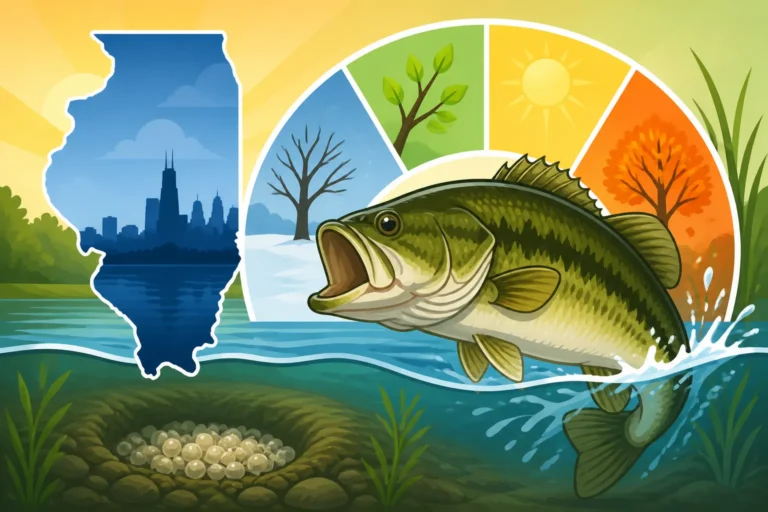
Crappie, like most fish, are highly influenced by the changing seasons. What works in spring might not be effective in summer, and winter demands an entirely different approach. Understanding these broader seasonal shifts is critical because they dictate not only where the crappie will be but also when they will be most active during the day. Ignoring the season is like trying to wear a winter coat in July; it just doesn't make sense.
From the chilly pre-spawn days of early spring to the icy grip of winter, crappie behavior is in constant flux, driven largely by water temperature and their reproductive cycles. This means the "best time of day" for crappie can change drastically from one month to the next. For instance, the urgency of the spring spawn creates unique feeding opportunities that aren't present during the lazy days of summer.
Being a successful crappie angler in Illinois means being a student of the seasons. It means knowing that crappie will often be shallower and more aggressive in spring, but will retreat to deeper, cooler waters in summer. It means understanding that fall brings another burst of feeding before the long, slow winter. Our Illinois Fishing Seasons Guide offers an excellent overview of these broader patterns.
Spring Spawn: A Game Changer for Timing
Spring is arguably the most anticipated season for crappie anglers in Illinois, and for good reason. This is when crappie move shallow to spawn, becoming more accessible and often very aggressive. The "best time of day" during the spawn can often feel like any time of day, but there are still prime windows. As water temperatures climb into the 50s and low 60s Fahrenheit (which is usually late April through May in many parts of Illinois), crappie will be staging in pre-spawn areas or actively on their beds. You can learn more about this crucial period in our Illinois Crappie Spawn Season Guide.
During the actual spawn, which can last for several weeks depending on the weather, crappie are often catchable all day long, though early morning and late afternoon still tend to be peak. They are focused on reproduction and defending their nests, making them less wary. Look for them in shallow bays, coves, and along shorelines with submerged brush or woody debris, typically in 2-6 feet of water. Fishing these areas with small jigs or minnows can be incredibly effective. Even midday can be excellent if there's cloud cover or a light chop on the water.
After the spawn, crappie can be a bit sluggish as they recover, but they quickly transition into a post-spawn feeding pattern. This typically means they'll drop back to slightly deeper cover near the spawning areas, often in 6-10 feet of water, and then move back and forth to feed. During this post-spawn period, morning and evening bites become dominant again, as they seek out cooler, shadier periods to forage. This is a great time to experiment with Crappie Tightlining Techniques to target them more precisely.
Summer, Fall, and Winter Crappie Patterns
Once summer arrives and water temperatures soar, crappie generally retreat from the shallow spawning grounds. The midday sun and heat drive them to deeper, cooler water. This means during summer, the best time of day will almost exclusively be dawn and dusk, when they move shallower to feed. During the brightest part of the day, you'll need to seek them out in depths of 10-25 feet, often suspended over old creek channels, around deep timber, or under shady structures like bridges. Night fishing also becomes exceptionally productive in the summer, as detailed earlier.
Fall, however, brings a renewed sense of urgency for crappie. As water temperatures begin to drop, crappie start to feed aggressively, packing on weight for the upcoming winter. This is a fantastic time for all-day fishing, though, again, early mornings and late afternoons are often most productive. They'll often move back into shallower waters, mimicking spring patterns, but they might be found on deeper points or along creek channels. Look for baitfish schools; where the bait is, the crappie won't be far behind. This is a prime time to visit some of the Best Crappie Fishing Lakes in Illinois.
Winter crappie fishing, particularly ice fishing, presents its own unique timing challenges. Crappie activity slows significantly in cold water, and their metabolism drops. During winter, the best time of day often shifts to midday or late afternoon, when the sun's highest position offers a slight warming effect, and light penetration is greatest through the ice. This mild warmth and increased light can stimulate a short feeding window. They'll be tightly schooled in deeper holes, around standing timber, or near distinct bottom structure. Patience and a good fish finder are key here, along with using very small jigs and light line to entice sluggish bites.
Here's a quick look at how the "best time" can shift throughout the year:
| Season | Prime Time of Day | Typical Location/Depth | Key Factors |
|---|---|---|---|
| Early Spring | Midday to Late Afternoon | Staging areas, slightly deeper cover near spawn flats | Rising water temps, pre-spawn feeding |
| Late Spring | All Day (especially dawn/dusk) | Shallow spawning areas (2-6 ft), brush piles | Active spawn, nest defense, aggressive bites |
| Summer | Dawn, Dusk, Night | Deep structure (10-25 ft), under docks, light attractors | High water temps, seeking cooler water/shade |
| Fall | Dawn, Dusk, Midday | Transition areas, deeper points, schooling baitfish | Cooling water, pre-winter feeding frenzy |
| Winter | Midday to Late Afternoon | Deep holes, standing timber, tight schools (ice fishing) | Cold water, low metabolism, seeking subtle warmth/light |
Factors Beyond the Clock: What Else Influences Crappie Bites
While the time of day is a huge piece of the crappie puzzle, it's certainly not the only one. There are numerous other environmental factors that play a critical role in whether crappie decide to bite, regardless of whether the sun is rising, setting, or directly overhead. Overlooking these elements can lead to a frustrating day, even if you hit the "perfect" time. The most successful anglers are those who can read the conditions and adapt their approach.
Understanding these additional influences allows you to fine-tune your strategy, making those prime times even more productive, or helping you salvage a tough bite when conditions aren't ideal. Sometimes, the crappie just aren't interested, and it's not always your fault! From the temperature of the water to the very air pressure around you, everything contributes to a crappie's mood and willingness to feed. This is why you'll often hear seasoned anglers talk about the subtle signs they look for before even making their first cast.
Knowing about these factors can also help you choose the right gear and techniques. For example, if the water is murky, you might opt for brighter colored jigs that stand out, or if the water is cold, a slower presentation might be necessary. It’s all interconnected, and the more pieces of the puzzle you have, the clearer the picture becomes for a successful fishing trip. Whether you're casting from shore or venturing out in a boat, being aware of these environmental cues can significantly increase your chances. For tips on how to fish from different vantage points, check out our guide on How to Catch Crappie From the Bank.
Water Temperature and Clarity
Water temperature is arguably the most critical factor influencing crappie activity. It dictates their metabolism, where they stage, and when they spawn. Crappie are cold-blooded, so their activity levels are directly tied to the water temperature. In spring, rising temps trigger their move shallow and their spawn. In summer, high temps drive them deep. In fall, falling temps spark their pre-winter feeding, and in winter, low temps make them lethargic. Knowing the ideal temperature range for active crappie (generally 55-70°F) for any given season is invaluable. Our Water Temperature and Fish Activity Guide goes into more detail.
Water clarity also profoundly impacts crappie behavior and the "best time" to fish. In clear water, crappie are often more skittish and light-sensitive, sticking to deeper cover or preferring low-light conditions like dawn, dusk, or night. You might need to use lighter lines, smaller baits, and more natural colors to avoid spooking them. On the other hand, in stained or murky water, crappie are often bolder and less shy about feeding throughout the day, as the reduced visibility gives them more confidence. They might also be found shallower.
When fishing murky waters, you can often get away with brighter colored jigs, like chartreuse or orange, as they create a better silhouette. The reduced light penetration also means that the prime low-light windows might extend longer into the day. Always observe the clarity of the water you're fishing and adjust your lure choice and presentation accordingly. You might find some excellent options for Best Crappie Jig Colors for Stained Water on a site like Amazon, making it easy to stock up for varying conditions.
Barometric Pressure and Fronts
Barometric pressure, or atmospheric pressure, is another subtle but significant factor that can dramatically affect crappie behavior. Fish, including crappie, have a swim bladder that is sensitive to changes in pressure. A stable or slowly falling barometric pressure is often associated with excellent fishing conditions. This is typically when fish are most comfortable and actively feeding. Think of those warm, overcast days just before a storm rolls in – those are often prime times.
However, a rapidly falling barometric pressure (often indicating a coming storm) can sometimes trigger a short burst of aggressive feeding right before the weather turns nasty, as fish sense the change and try to feed before conditions worsen. But once a cold front passes and the pressure rises rapidly, crappie often become very lethargic, getting lockjaw. They might move to deeper water, hug the bottom, or bury themselves in cover, becoming extremely difficult to catch. This post-front bite can be very frustrating, regardless of the time of day.
Understanding these pressure changes can help you plan your trips. If a strong cold front is expected, you might want to postpone your crappie trip or be prepared for a tough bite if you still go. Conversely, if you see a stable period or a slowly falling pressure, make sure you're on the water! While you can't control the weather, you can certainly be aware of it and adjust your expectations and techniques accordingly. Sometimes, even the "best time of day" won't produce if the barometric pressure has the crappie in a bad mood.
Disclaimer
Fishing conditions and regulations in Illinois can change frequently. Always consult the latest Illinois Department of Natural Resources (IDNR) fishing guide for specific rules, limits, and license requirements before heading out on the water. This information is provided for general guidance and educational purposes only.