Best Crappie Fishing Lakes in Illinois
There's nothing quite like the thrill of finding a schooling slab of crappie, but if you've spent countless hours on the water in Illinois only to come up short, you know the frustration. It’s tough to pinpoint the best spots and understand when those papermouths are truly biting. This comprehensive guide is here to cut through the guesswork, offering deep insights into Illinois' premier crappie fishing lakes, helping you fill your cooler with those delicious panfish.
Why Illinois is a Crappie Angler's Paradise
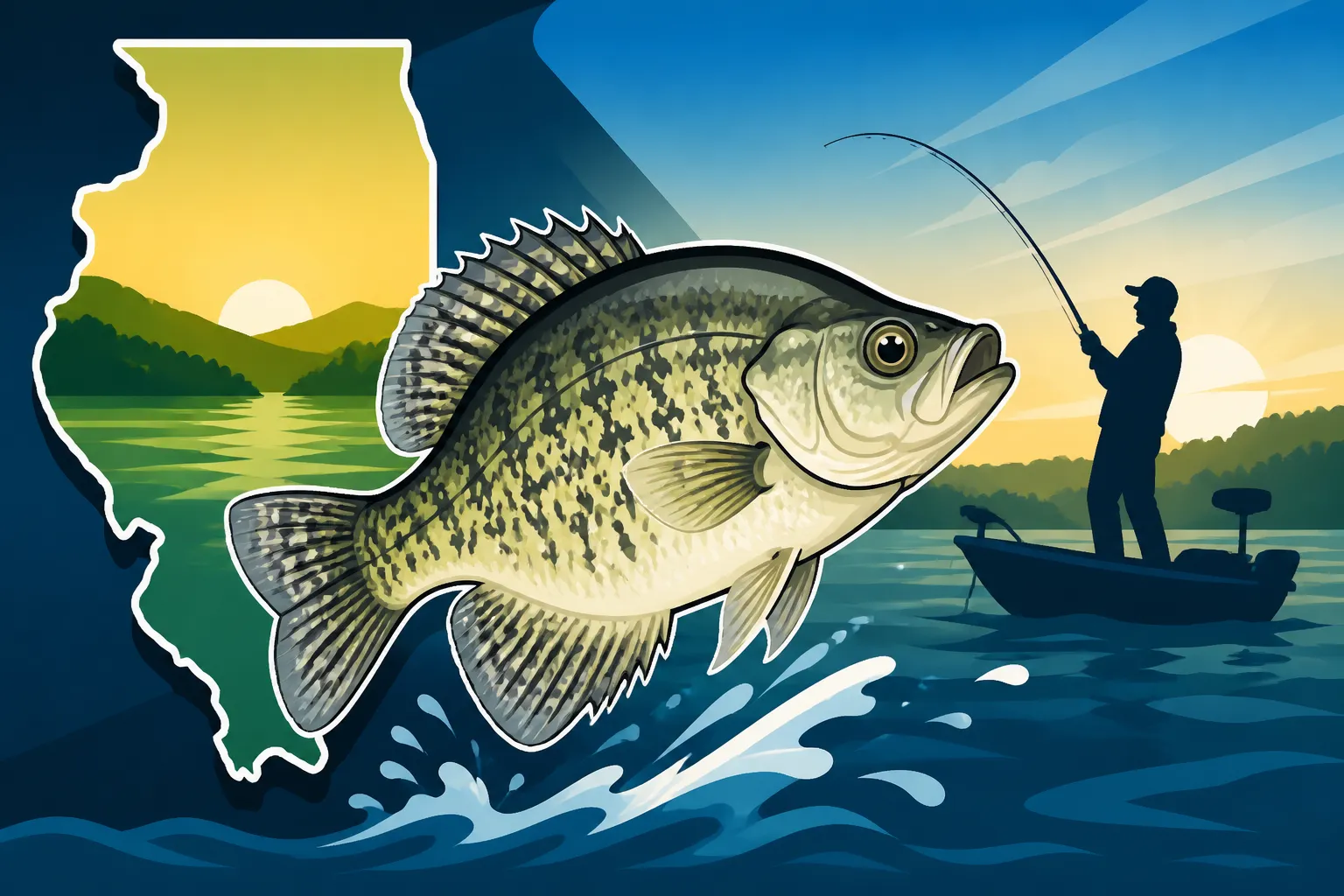
Illinois might be known for its flat farmlands, but beneath the surface of its many lakes and rivers lies a vibrant ecosystem teeming with crappie. Both black crappie and white crappie thrive here, providing fantastic angling opportunities for everyone from seasoned veterans to families just looking for a fun day out. What makes Illinois so special for crappie? It's a combination of diverse habitats, active stocking programs, and the sheer abundance of food sources that allow these fish to grow to impressive sizes.
Understanding Illinois' Crappie Species
Before we dive into the best lakes, let's quickly chat about our two main targets: black crappie and white crappie. While both are fantastic eating and offer a similar fight, they do have slight preferences in habitat and appearance.
Black crappie, often sporting a darker, speckled pattern, generally prefer clearer water with more vegetation and structure. Think submerged brush piles, weed lines, and standing timber in less turbid environments. They tend to be a bit more finicky, but when you find them, they're usually stacked up. On the other hand, white crappie are typically found in more turbid or silty waters, often preferring open water and congregating around main lake points, creek channels, and bridge pilings. They have more distinct vertical bars on their sides. Knowing these subtle differences can help you target the right species in the right location. Both grow to impressive sizes in Illinois, with "slab" crappie over a pound being a realistic goal in many of the state’s top lakes.
The Allure of Crappie Fishing for Families and Seasoned Anglers
Crappie fishing truly offers something for everyone. For families, it's an accessible and often highly rewarding experience. You don't need highly specialized gear, and the action can be consistent enough to keep kids engaged. Imagine the excitement on a child's face as they pull in a feisty crappie, especially if it's their first fish! These experiences create lasting memories. For serious anglers, crappie present a fascinating challenge. Their schooling nature means that if you crack the code for a given day – finding their depth, preferred structure, and bait – you can have incredible catch rates. Furthermore, crappie are arguably one of the best-eating freshwater fish, making them a top target for anglers who enjoy bringing home a delicious meal. Whether you're after quantity for the frying pan or chasing that personal best slab, Illinois' crappie fisheries deliver.
Rend Lake: A Crappie Powerhouse in Southern Illinois
If there's one lake that consistently comes up in conversations about Illinois crappie, it's Rend Lake. Located in Franklin and Jefferson counties, this massive 18,900-acre reservoir is renowned for its incredible crappie population, offering both numbers and size. It's a relatively shallow lake compared to some others, with an abundance of flooded timber, stump fields, and brush piles that create ideal habitat for crappie. The lake's fertile waters mean crappie grow quickly, and its expansive size ensures there are always new areas to explore.
Prime Crappie Locations at Rend Lake
Rend Lake is a maze of fantastic crappie real estate. One of the most famous areas is the submerged timber in the Nason Point and Gun Creek areas. These areas are absolutely loaded with standing timber, providing excellent cover. Anglers often spider-rigging or slowly trolling jigs through these flooded trees find great success. Another highly productive zone is the Old Route 37 bridge pilings and the numerous brush piles scattered throughout the lake, many of which are marked with GPS coordinates. During the spring spawn, crappie move into the shallower bays and coves, particularly those with woody debris or riprap. The Waltonville Road causeway is also a perennial hotspot, especially for bank anglers, due to the accessible structure and deeper water nearby. It's truly a crappie angler's dream, with diverse options for boaters and shore-based folks alike. For a deeper dive into specific spots, you might want to check out our guide on Rend Lake's Best Spots for Trophy Bluegill Over a Pound.
Effective Techniques for Rend Lake Crappie
To tackle Rend Lake's crappie, a variety of techniques prove effective. In the spring, when crappie are shallow and spawning, jigging with small plastic baits (like Bobby Garland crappie jigs or Johnson Crappie Busters) under a slip bobber near flooded timber or brush piles is incredibly productive. Live minnows, fished similarly, are also a top choice. As the water warms and crappie move deeper, spider-rigging becomes king. This involves deploying multiple rods off the front of your boat, presenting jigs or minnows at various depths as you slowly troll over structure like creek channels or deep timber. Many experienced anglers utilize their electronics to identify schools of crappie and submerged structure before making a pass. Don't overlook casting small crankbaits or bladed jigs along points or ledges, especially in the early morning or late evening.
Rend Lake Crappie Regulations
Rend Lake typically follows statewide crappie regulations, but it's always crucial to double-check the current Illinois Fishing Information Guide before you go. Generally, the statewide regulation for crappie is a daily creel limit of 15 fish, with no minimum length limit. However, regulations can change, and some bodies of water have site-specific rules. Knowing these rules ensures you have a legal and enjoyable trip. You can find detailed information by searching for "Illinois Fishing Information Guide" on the IDNR website.
Lake Shelbyville: Central Illinois' Crappie Hotspot
Moving north into Central Illinois, Lake Shelbyville offers another phenomenal crappie fishery. This 11,100-acre U.S. Army Corps of Engineers reservoir is characterized by its deep, clear waters, standing timber, and extensive creek channels. It’s a very different lake from Rend, requiring slightly different tactics, but the rewards are just as sweet, with plenty of healthy crappie to be caught. The lake's diverse topography, ranging from steep bluff banks to more gradual slopes, creates a wide array of crappie habitats throughout the year.
Top Crappie Fishing Areas in Lake Shelbyville
Lake Shelbyville has numerous crappie havens. The standing timber in the Wolf Creek and Sand Creek arms are legendary. These areas, particularly where old creek channels wind through the timber, hold massive schools of crappie, especially during the colder months when fish concentrate on deep structure. The brush piles and laydowns along the main lake points are also highly productive. Anglers often find success by focusing on the numerous bridge pilings and riprap areas, such as those found at the Route 16 bridge or the various causeways that cross the lake. These provide excellent cover and ambush points for crappie. For more specific local tips, consider checking out guides or even booking a trip with a local expert through platforms like FishingBooker, who can help navigate these complex waters and pinpoint the exact hot zones.
Strategies for Lake Shelbyville Crappie
Due to its deeper, clearer water, Lake Shelbyville crappie often respond well to more finesse-oriented techniques. Vertical jigging with small 1/16 to 1/32 ounce jigs tipped with minnows or soft plastics is deadly around standing timber and brush piles. Pay close attention to your electronics to identify schools and their preferred depth. In early spring and late fall, when crappie are in creek channels, trolling with crankbaits or minnow rigs (like a double-jig rig) at specific depths can be incredibly effective. Anglers often use long rods and planer boards to cover more water and present baits away from the boat. During the spawn, crappie will move into shallower coves, often around brush or bank vegetation, where a simple bobber and minnow or a tiny jig cast to visible cover can yield excellent results. Learning about Lake Shelbyville Walleye Spots Anglers Overlook can also provide insights into shared structures where crappie might also be present.
Special Regulations for Lake Shelbyville Crappie
Lake Shelbyville has had specific length and creel limits for crappie in the past, often implemented to help manage the fishery and promote larger fish. While statewide regulations are 15 fish daily with no minimum length, Lake Shelbyville often deviates. For example, in some years, it has had a 9-inch minimum length limit and a 15-fish daily creel limit, with no more than 10 fish over 10 inches. These rules are designed to protect the breeding stock and ensure a healthy population for years to come. It’s absolutely essential to consult the most recent Illinois Fishing Information Guide or check the signage at boat ramps around Lake Shelbyville to confirm the current site-specific regulations before you drop a line. Ignoring these can lead to fines and a less than ideal day on the water.
Carlyle Lake: Big Waters, Big Crappie Potential
As Illinois' largest man-made lake at 24,580 acres, Carlyle Lake offers an immense amount of water to explore, and with that comes incredible crappie potential. Located in Clinton, Fayette, and Bond counties, this lake is generally shallower and more prone to wind than Shelbyville, but it boasts a massive population of both black and white crappie. Its expansive, often turbid waters mean that crappie here are hardy and abundant, providing fantastic opportunities for anglers willing to cover water.
Productive Crappie Hotspots on Carlyle Lake
Carlyle Lake's crappie fishing is often centered around its numerous riprap areas, bridge pilings, and vast stump fields. The main lake points and causeways, particularly the General Dean Suspension Bridge and the railroad trestle, are magnet for crappie, especially during cooler months as fish stage in deeper water. The dam area itself can be very productive for bank anglers due to its deeper water access. Additionally, the numerous brush piles placed by the Illinois Department of Natural Resources (IDNR) and local fishing clubs offer fantastic structure; many of these locations are often published by the IDNR. The North Fork and West Side Creek channels also serve as major crappie highways, especially in spring. Don't overlook the shallow bays and flats with scattered timber during the spawn. If you're looking for other species while at Carlyle, our guide on Carlyle Lake's Best Catfish Spots Along the Dam might show you some shared water.
Recommended Tactics for Carlyle Lake Crappie
Crappie fishing on Carlyle often involves covering a lot of water. Spider-rigging is a very popular and effective technique here, allowing anglers to present multiple baits at varying depths as they slowly move over structure, creek channels, or the edges of stump fields. Trolling with small crankbaits or jigs is also a go-to, particularly for white crappie found in more open water. When the crappie move shallow for the spawn in spring, pitching jigs or minnows under a bobber into flooded timber, brush, or riprap areas becomes the most effective method. Because the water can be turbid, bright jig colors like chartreuse, orange, and white often perform well. Always keep an eye on your fish finder; crappie on Carlyle often suspend in schools.
Carlyle Lake's Crappie Regulations
Similar to Lake Shelbyville, Carlyle Lake often has site-specific regulations that differ from the statewide standard for crappie. It's not uncommon for Carlyle to have a daily creel limit of 15 fish, with a specific length limit, such as a 9-inch minimum. These regulations are periodically reviewed and updated by the IDNR to maintain a healthy fishery. To avoid any issues, always check the current Illinois Fishing Information Guide or look for posted signs at Carlyle Lake's boat ramps and access points. Being prepared with the correct information is just as important as having the right bait.
Kinkaid Lake and Lake of Egypt: Southern Gems for Slab Crappie
While Rend and Shelbyville often steal the crappie spotlight, two other southern Illinois lakes, Kinkaid Lake and Lake of Egypt, offer equally incredible, and sometimes even more challenging, crappie fishing for those seeking true slab-sized fish. These lakes have distinct characteristics that make them unique and highly rewarding destinations.
Kinkaid Lake: Clear Water and Big Crappie
Kinkaid Lake, a 2,750-acre lake in Jackson County, is known for its exceptionally clear water, deep channels, and rocky bluffs. This clarity often means the crappie here can be a bit more elusive, but when you find them, they are often impressive in size. The lake's deep standing timber, numerous rock piles, and submerged brush offer excellent cover. Key areas include the standing timber in the upper arms of the lake and the main lake points with deep drops. The clear water makes fishing a bit more technical; lighter lines, smaller baits, and more subtle presentations are often the key to success. A quiet approach is also vital here. For anglers interested in the lake's diverse fish population, information on Kinkaid Lake's Clear-Water Spots for Smallmouth Bass can also be relevant, as bass and crappie often share similar structures.
Lake of Egypt: Consistent Action and Healthy Fish
Lake of Egypt, a 2,300-acre private reservoir in Williamson and Johnson counties, is another southern Illinois jewel. Its unique status as a power plant cooling lake means it often has warmer water temperatures, making it a productive crappie fishery year-round. The lake is known for its excellent structure, including deep creek channels, numerous brush piles, and varied shoreline cover. Consistent crappie action can be found around the power plant discharge area, which often holds fish during colder months due to the warmer water. The brush piles and standing timber in the deeper main lake basins are also prime targets. Anglers often find large schools suspended over deep structure. Due to its private status, always check for specific public access points and any unique lake rules before visiting. While the lake is privately owned, public access is available at several boat ramps and marinas.
Tailored Tactics and Regulations for These Southern Lakes
For Kinkaid's clear waters, vertical jigging with small, natural-colored soft plastics or live minnows is highly effective, especially when targeting fish around deep timber or rock piles. Lighter fluorocarbon leaders can also make a difference. For Lake of Egypt, with its warmer waters, crappie can remain active longer into the winter. Spider-rigging over deep channels and brush piles is a staple, but don't overlook casting jigs or small crankbaits into coves with submerged cover during the spawn.
Both lakes typically adhere to statewide crappie regulations (15 fish daily, no minimum length), but due to their unique characteristics (Kinkaid's clarity, Lake of Egypt's private ownership), always confirm any potential site-specific rules with the IDNR or local lake authorities before fishing. Understanding the nuance of these lakes can lead to some truly memorable crappie catches.
Mastering Crappie Fishing: Seasonal Strategies and Essential Gear
Catching crappie consistently isn't just about knowing where to go; it's also about understanding when to go and having the right tools for the job. Crappie behavior changes dramatically with the seasons, and having the right gear can make all the difference in your success.
Seasonal Crappie Fishing Strategies
Crappie fishing is a year-round sport in Illinois, but your approach needs to adapt to the calendar.
Spring Crappie: The Spawn Frenzy
Spring is arguably the most popular time for crappie fishing, as these fish move shallow to spawn. As water temperatures climb into the 50s and 60s Fahrenheit, crappie will migrate from deeper wintering holes into shallower bays, coves, and protected areas with cover like brush piles, downed trees, and riprap. This is when pitching jigs or live minnows under a bobber is incredibly effective. Focus on water 2-8 feet deep. The best bite is often just before and during the actual spawn. You might find it helpful to consult a guide on Illinois Crappie Spawn Season Guide to pinpoint the ideal timing for your target lake.
Summer Crappie: Deep and Scattered
As summer temperatures rise, crappie will typically retreat to deeper, cooler water. They'll often suspend over creek channels, around deep standing timber, or near brush piles in 10-25 feet of water, sometimes even deeper. This is prime time for spider-rigging with multiple rods, slowly trolling live minnows or small jigs at specific depths. Another effective technique is night fishing under lights, where crappie are attracted to the illuminated plankton and baitfish.
Fall Crappie: Feeding Frenzy
Fall can offer some of the best crappie fishing of the year, often overlooked by anglers focused on bass or deer hunting. As water temperatures cool, crappie become highly active, feeding aggressively to build up reserves for winter. They'll often move back into shallower areas or suspend over structure along creek channels and main lake points. Casting small crankbaits, jigging, or slow-trolling minnows can be highly effective during this period. Crappie will often school up tightly, so finding one usually means finding many.
Winter Crappie: Ice Fishing and Deep Structure
Don't put your crappie gear away just because it's cold! Ice fishing for crappie in Illinois can be fantastic on safe, frozen lakes. Crappie will often suspend in deep basins or near the edges of drop-offs and standing timber. Vertical jigging with tiny ice jigs tipped with a grub or minnow is the go-to. For unfrozen lakes, crappie will often concentrate in deep, protected creek channels or around major submerged structure, where vertical jigging or slow trolling is still the key.
Essential Gear for Illinois Crappie Anglers
You don't need a boatload of expensive equipment to catch crappie, but having the right tools makes the experience much more enjoyable and productive.
Rods and Reels
For crappie, light to ultralight spinning gear is ideal. A 5 to 7-foot ultralight or light action spinning rod paired with a small spinning reel (like a 1000-2000 series) spooled with 4-6 pound test monofilament or fluorocarbon line is perfect. The sensitive tip allows you to detect subtle bites, and the light action handles small jigs and fights crappie beautifully. Many seasoned crappie anglers also employ long jigging poles (10-16 feet) for spider-rigging or reaching into dense cover from a distance.
Baits and Lures
The crappie angler's tackle box should be stocked with a variety of options:
- Live Minnows: These are almost always effective, especially when fished under a bobber or on a jig head. Small fathead minnows are a classic.
- Jigs: Small plastic jigs are a staple. Sizes typically range from 1/32 to 1/8 ounce. Colors like chartreuse, white, pink, black/chartreuse, and clear with glitter are popular. Brands like Bobby Garland, Charlie Brewer's Slider, and Mister Twister often produce excellent results.
- Soft Plastics: Tiny tubes, grubs, and shad-shaped bodies are great for tipping jigs or fishing alone.
- Bobbers: Both slip bobbers (for deeper presentations) and fixed bobbers (for shallow water) are essential.
- Crankbaits: Small, shallow-diving crankbaits can be very effective when crappie are aggressive or when trolling.
- Hooks and Weights: Small Aberdeen hooks (sizes 4-8) and split shot or small bullet weights for live bait rigs.
Electronics and Accessories
While not strictly essential for every angler, electronics can significantly improve your crappie fishing success, especially on larger lakes.
- Fish Finder/Sonar: A good fish finder can help you locate schools of crappie and identify submerged brush piles, timber, and creek channels. Many units today offer side-imaging or down-imaging, which are fantastic for mapping out structure.
- GPS: Useful for marking productive spots, especially on large, featureless lakes. Many fish finders include GPS capabilities.
- Landing Net: A small, fine-mesh net is invaluable for safely landing crappie, especially larger slabs.
- Pliers/Forceps: For easily removing hooks.
- Cooler with Ice: Crucial for keeping your catch fresh, especially if you plan to bring them home for dinner.
- Sun Protection: Hat, sunglasses, and sunscreen are a must for long days on the water.
Final Thoughts and Responsible Angling
Illinois offers truly phenomenal crappie fishing opportunities across its many lakes and rivers. From the vast timber of Rend Lake to the clear depths of Kinkaid, there's a crappie adventure waiting for every angler. Remember that success often comes down to adapting to the conditions, understanding crappie behavior, and having the right gear. And if you're ever looking to connect with a local expert for a guided trip, don't forget that services like FishingBooker can help you find experienced guides who know these waters inside and out.
Above all, let's practice responsible angling. Always respect catch limits, handle fish gently if you're releasing them, and leave no trace behind. Protecting our fisheries ensures that future generations of anglers can enjoy the same incredible crappie action we do today. Tight lines, fellow anglers!
Disclaimer
The information provided in this guide is for general informational purposes only and is not intended as legal advice. Fishing regulations in Illinois can change frequently. Always consult the most current Illinois Department of Natural Resources (IDNR) Fishing Information Guide or local signage for the latest and most accurate regulations, including licensing, length, and creel limits, before you go fishing.