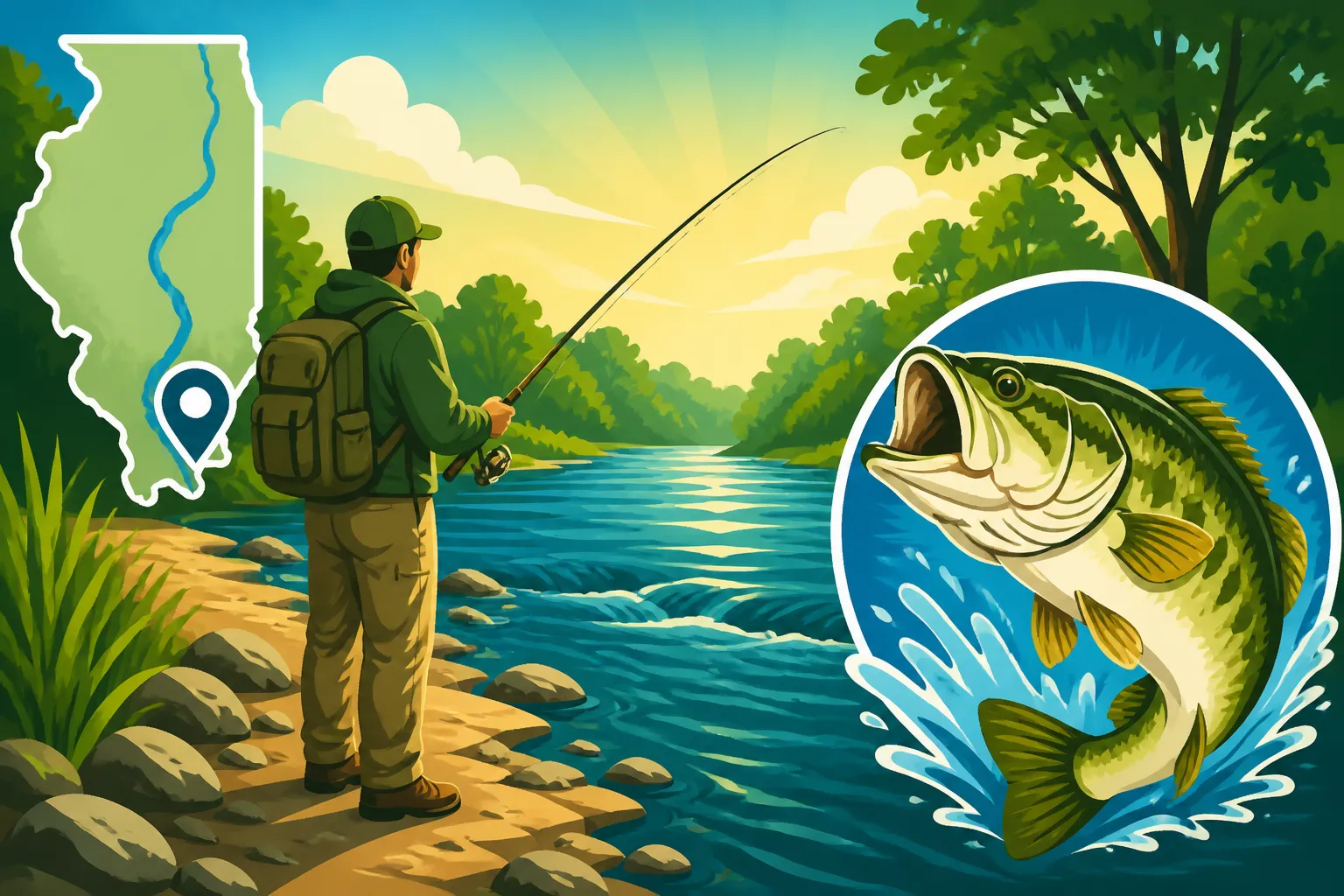
Best Shore Access on the Kankakee River, Illinois
Finding reliable public shore access for fishing can sometimes feel like trying to solve a puzzle, especially on rivers known for their beauty and fish populations like the Kankakee. Many anglers struggle with identifying legal and productive spots, often wasting precious fishing time scouting instead of casting. This comprehensive guide is designed to cut through that frustration, providing you with detailed insights into the best public shore access points along the Kankakee River in Illinois, along with tips to make your outing successful and enjoyable.
Understanding the Kankakee River's Unique Character for Shore Anglers
The Kankakee River is a true gem in Illinois, offering diverse fishing opportunities that change as the river flows from the Indiana border through various landscapes. For shore anglers, understanding the river's unique characteristics is key to unlocking its full potential. It's not just about finding a spot; it's about understanding why that spot is good.
The River's Flow and Bottom Structure
The Kankakee River is renowned for its swift currents, rocky bottom, and numerous riffles and pools, particularly in its upper and middle stretches. This diverse structure creates ideal habitats for a variety of game fish. Unlike slow, muddy rivers, the Kankakee's clear, oxygen-rich waters and abundance of natural cover, like submerged rocks, ledges, and fallen timber, attract species such as smallmouth bass, walleye, northern pike, and a robust population of channel catfish.
When you're scouting for shore access, look for areas where the current breaks around visible structure or where a deeper pool forms after a series of rapids. These are prime ambush points for predatory fish. The river's rocky nature means snags are common, so be prepared with extra tackle. Furthermore, changes in water levels due to rainfall can significantly impact access and fish behavior. A rise in water might open up new backwater opportunities, while a drop can expose new wading areas. Always check local river conditions before you head out, as safety is paramount, especially around strong currents. The river's dynamics mean that productive spots can shift slightly season by season, requiring anglers to stay adaptable.
Navigating Public vs. Private Access
One of the biggest hurdles for any shore angler is distinguishing between public and private land. The Kankakee River winds through both private properties and designated public areas, and respecting private land is not just good etiquette, it's the law. Trespassing can lead to fines and even prosecution, and it gives anglers a bad name. Stick to clearly marked public parks, state parks, and conservation areas.
Many public access points are managed by the Illinois Department of Natural Resources (IDNR) or local park districts. These areas are typically well-maintained, offer parking, and sometimes even have amenities like restrooms or picnic areas. However, even within public access points, certain sections might be off-limits due to ecological preservation efforts or safety concerns. Always pay attention to signage. If you're ever unsure about whether a piece of land is public or private, err on the side of caution and find another spot. Using resources like local county plat maps or online mapping tools can sometimes help identify property lines, but nothing beats looking for official park signs or speaking with locals or park rangers. Remember, part of enjoying the outdoors responsibly is respecting the land and those who manage it.
Prime Shore Fishing Access Points on the Kankakee River
When it comes to the Kankakee River, a few key locations stand out as fantastic shore fishing destinations. These spots offer a combination of accessibility, diverse fish populations, and scenic beauty, making them popular among local and visiting anglers alike.
Kankakee River State Park: The Gold Standard
Without a doubt, Kankakee River State Park is the crown jewel for shore fishing along the Kankakee. Stretching for miles along both banks of the river, this park provides an incredible array of opportunities. You'll find everything from fast-moving riffles to calm pools, rocky stretches, and undercut banks, all accessible by well-maintained trails and parking areas. The park is split into northern and southern sections, each offering unique fishing experiences.
In the northern section, near Bourbonnais, areas like the Kankakee River Dam offer excellent current breaks that hold various species, especially during migrations. Further downstream, the river opens up, providing more traditional bank fishing opportunities. The trails along the river are generally flat and easy to navigate, allowing you to cover a lot of ground and find secluded spots away from the crowds. This is a fantastic place to cast for smallmouth bass and walleye, particularly in the spring and fall. The sheer size of the park means you can spend days exploring and still discover new productive pockets. Always check the park's official maps upon arrival to orient yourself and identify specific access points and regulations. Many local fishing guides on platforms like FishingBooker often recommend this park as a top destination, especially for those looking for a diverse angling experience right from the bank.
City Parks and Urban Access
Beyond the state park, several city and local parks along the Kankakee River provide convenient and often surprisingly productive shore access, especially for those living in or visiting nearby towns.
- Bird Park (Kankakee, IL): Located right in the city of Kankakee, Bird Park offers easy access to the river with paved paths and open grassy areas leading right to the water's edge. While it might lack the wild feel of the state park, it's a fantastic spot for a quick fishing trip. The slower currents here can be great for channel catfish, especially in the evenings, and panfish like bluegill often gather near downed trees or submerged cover close to the banks. It's a popular spot for families, too, given its amenities.
- Wilmington and Momence Areas: As the river flows through towns like Wilmington and Momence, you'll find various municipal parks and boat launches that double as excellent shore fishing spots. These areas often have established rip-rap banks or small docks that provide solid footing for casting. For example, the parks in Wilmington provide access to sections of the river known for holding a good mix of smallmouth bass and northern pike. These urban spots are often overlooked but can yield impressive catches, especially if you explore beyond the most obvious points. They are generally well-lit and more populated, which can add a sense of security for solo anglers. For anglers who prefer easy access over wilderness, these city park options are ideal.
Lesser-Known Public Spots and Boat Launches
Sometimes, the best fishing spots are the ones that require a little more effort to find. Beyond the popular parks, the Kankakee River has numerous smaller, less-advertised public access points, often associated with smaller boat launches or road bridge crossings.
Many county and township boat ramps along the Kankakee River offer more than just launching points for boats; they often have adjacent bank access where anglers can set up. These spots tend to be less crowded than the main state park areas, offering a bit more solitude. Keep an eye out for small parking areas near bridges or utility easements, as these sometimes indicate informal but legal public access. While these might not have picnic tables or paved trails, they often provide direct access to excellent riverine habitat. Think about spots where a county road crosses the river; there might be a small pull-off and a path leading to the water. Some of the best Kankakee River Smallmouth Bass Spots are often found by exploring these unassuming access points. Additionally, some private campgrounds or liveries along the river might offer day-use passes for shore fishing, providing another option to explore new waters. Always be respectful of private property and ensure you have permission if you venture onto land that isn't clearly public.
Essential Gear and Techniques for Kankakee River Shore Fishing
Shore fishing on the Kankakee River requires a slightly different approach than, say, stillwater pond fishing. The current, structure, and targeted species dictate your gear and methods. Having the right tools and knowing how to use them can make all the difference.
Recommended Rods, Reels, and Lures
For the Kankakee River, versatility is key. You'll want a medium-heavy spinning or baitcasting rod, typically 6'6" to 7'6" in length, paired with a reliable reel spooled with 8-12 lb monofilament or fluorocarbon, or 20-30 lb braided line with a fluorocarbon leader. The longer rod helps with casting distance and managing fish in current, while the heavier action allows you to handle bigger fish and pull lures free from snags. If you're specifically targeting larger catfish, you might even step up to a heavy-action rod with 15-20 lb mono.
When it comes to lures, consider what the river's inhabitants are feeding on. For smallmouth bass and walleye, crankbaits that mimic baitfish are excellent, especially those with tight wobbles that can be worked against the current. Spinnerbaits and chatterbaits are also highly effective, particularly in areas with cover. Soft plastics rigged on jig heads (1/8 oz to 3/8 oz, depending on current) are incredibly versatile for probing rocky bottoms and enticing strikes from a variety of species. Crayfish and minnow imitations work wonders. For catfish, simple bottom rigs with an egg sinker, swivel, and a single hook baited with cut bait, stink bait, or nightcrawlers are traditional and effective. Don't forget a selection of weedless hooks and jig heads to minimize snags. You might also want to read up on Best Rods for Illinois Largemouth Bass Fishing for more specific rod advice that can be adapted for smallmouth and other river species.
Safety Considerations and River Etiquette
Fishing on a river like the Kankakee comes with its own set of safety considerations. The current can be strong, especially after heavy rains, and the rocky bottom can be slippery. Always wear sturdy, non-slip footwear, and consider wading boots with felt soles for extra grip if you plan to enter the water. A life vest is always a good idea, even when shore fishing, especially if you're near deep or fast-moving water. Inform someone of your fishing plans and expected return time. Be aware of changing weather conditions and know your limits, especially if you're alone.
River etiquette is just as important. Always pack out everything you pack in, leaving no trace of your visit. This includes fishing line, bait containers, and any other trash. Respect other anglers by giving them ample space and avoiding casting over their lines. If you're using a spot where boats frequently launch, be mindful of boaters and their needs. Understanding Illinois Fishing Regulations Overview is crucial for all anglers, including adhering to size and creel limits. And, of course, obtaining your Illinois Fishing License Guide for 2026 is a non-negotiable first step before casting a line. Many online services and local outfitters, like those found through FishingBooker, can help ensure you're legally ready to fish and well-informed.
Targeting Specific Species from Shore
The Kankakee River is a true angler's paradise, boasting a diverse fishery that can keep you busy year-round. From hard-fighting smallmouth to elusive walleye and robust catfish, understanding what each species prefers from a shore perspective will dramatically improve your success rate.
Chasing Smallmouth Bass and Walleye
Smallmouth bass are arguably the Kankakee River's most celebrated residents, known for their aggressive strikes and acrobatic fights. From shore, the best spots to target them are often areas with current breaks: behind large rocks, along undercut banks, or where feeder creeks enter the main river. These "current seams" provide ambush points where smallmouth can wait for baitfish or crayfish to be swept by. Early mornings and late evenings are typically the most productive times, especially during the spring and fall. Look for gravelly or rocky bottoms, as these are preferred spawning and feeding grounds. You can find more detailed information on specific locations and methods in our guide to Where to Catch Smallmouth Bass in Rivers and Streams.
Walleye, while often more elusive, are also present in good numbers, particularly in the deeper pools and runs, especially where there's a good mix of rock and gravel. They tend to be more active during low light conditions or at night. From shore, targeting walleye often involves casting jigs tipped with soft plastics or live minnows into deeper pockets, allowing the current to drift your bait naturally. Rip-rap banks and areas below dams often hold walleye, as these structures provide cover and concentrate baitfish. While you might associate walleye more with the Mississippi, much of the advice in our Illinois Walleye Fishing: The Complete Guide applies perfectly to the Kankakee.
Finding Catfish and Panfish Near the Banks
The Kankakee River is also an exceptional fishery for channel catfish, and they are incredibly accessible from shore. Catfish thrive in slightly slower currents and deeper holes, often near logjams, bridge pilings, or other significant cover that offers shelter from the main current. They are less picky eaters than bass or walleye, making them a great target for beginners and experienced anglers alike. The evenings and nighttime hours are prime for catfish, as they are primarily nocturnal feeders.
For shore fishing, a simple bottom rig with a weight, swivel, and a sturdy circle hook is all you need. Popular baits include cut bait (shad, carp), chicken livers, and various prepared stink baits. Look for areas with a slower current, like eddies or deeper bends, where food might accumulate. Many of the techniques discussed in How to Catch Catfish From the Bank are perfect for the Kankakee. Additionally, don't overlook panfish such as bluegill and crappie. While not as dominant in the main river's swift current, they can be found in abundance in calmer backwaters, oxbow lakes, and slower pockets created by downed trees or dense vegetation near the bank. A simple bobber rig with a worm or small jig can yield a cooler full of panfish, making them excellent targets for family outings. Always be mindful of the Illinois Catfish Daily Limits Explained to ensure you're fishing legally.
Disclaimer
The information provided in this guide is for general informational purposes only and is subject to change. Fishing regulations, license requirements, and access rules are set by the Illinois Department of Natural Resources (IDNR) and local authorities, and they can vary. Always consult the most current official IDNR fishing guide and local signage before heading out to fish. Adherence to all applicable laws and regulations is the angler's sole responsibility. Fishing, boating, and outdoor activities inherently involve risks; please prioritize your safety and the safety of others.