How to Catch Catfish From the Bank
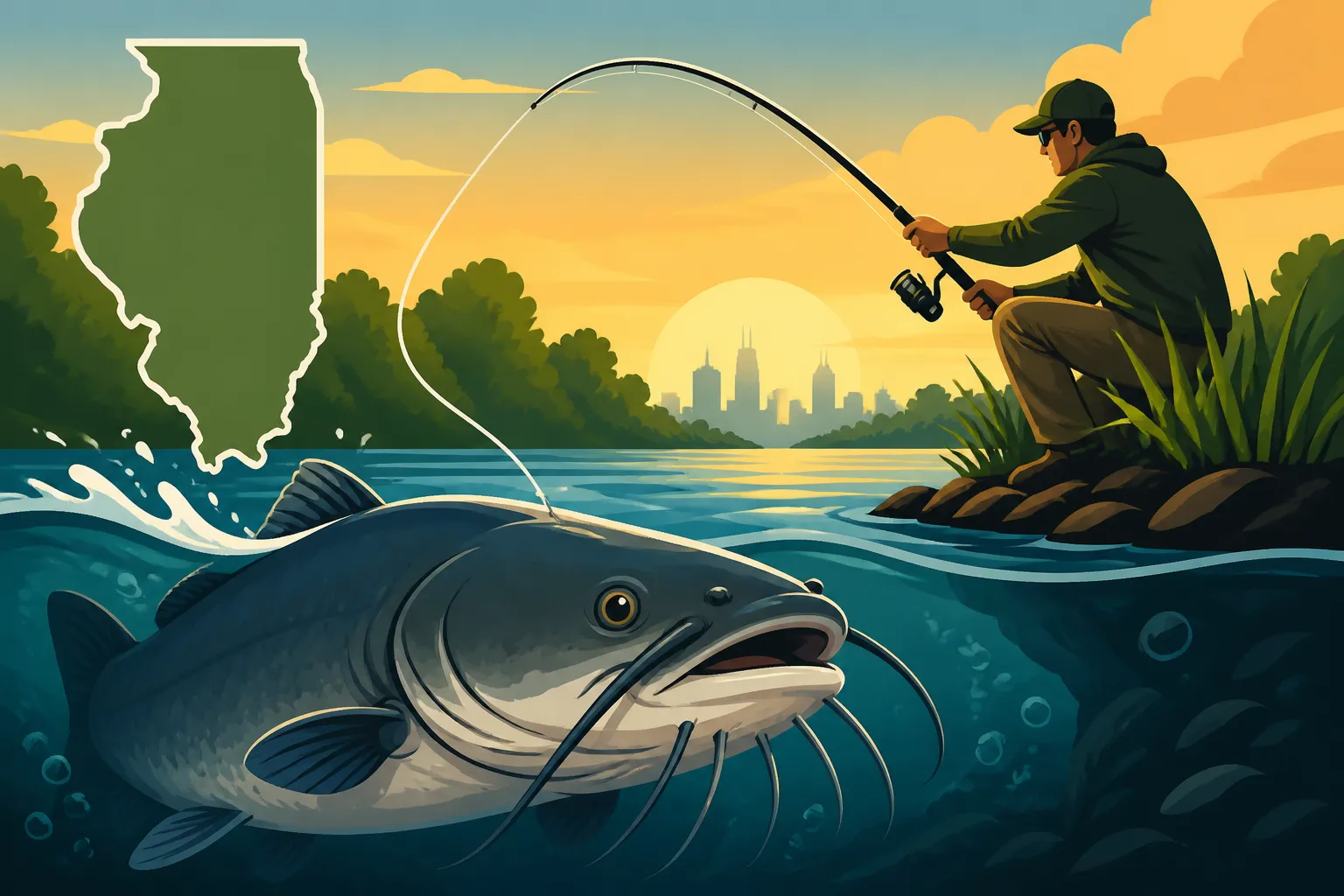
It can be incredibly frustrating to see those big catfish boils and splashes out in the middle of a lake or river, knowing you’re stuck on the bank with seemingly no way to reach them. Many anglers feel limited without a boat, but I'm here to tell you that some of the best catfishing can be done right from the shore! This guide will empower you with the knowledge and techniques to consistently land impressive catfish without ever stepping foot in a boat.
Understanding Catfish Behavior from the Bank
When you’re fishing from the bank, it’s easy to feel like you’re at a disadvantage compared to boat anglers who can zip around and find fish. But the truth is, catfish, especially the bigger ones, often move into areas that are perfectly accessible from shore, particularly during certain times of the day or year. It’s all about knowing what to look for and when to look for it.
Where Catfish Hide Near Shore
Catfish are opportunistic feeders and often patrol shallow areas close to the bank, especially where there's good cover, structure, or food sources. They're not always out in the deep, open water. Think like a catfish: where would you ambush a meal or find a comfortable resting spot with a bit of current protection?
Look for submerged brush piles, fallen trees, and root systems that extend into the water. These provide excellent cover and ambush points for catfish. Rock riprap along causeways or bridge abutments is another prime location, offering crevices for baitfish to hide and attracting catfish looking for an easy meal. Creek mouths or small drainages that feed into larger bodies of water are also fantastic, as they wash in food and create current breaks that catfish love. Don't overlook sharp bends in rivers or deep holes close to the bank, particularly if there’s an eddy or a slower current where fish can conserve energy. Sometimes, just a slight drop-off or a distinct change in bottom composition near the shore is enough to attract a patrolling catfish.
Best Times of Day and Season for Bank Catfishing
Catfish are famously nocturnal, and for good reason. They often become much more active as the sun dips below the horizon, moving into shallower feeding grounds. Dusk and dawn are prime times, offering a transition period where light levels are low, and many baitfish are active. But don't write off night fishing entirely! The dead of night can produce some of the biggest catfish, especially if you’re prepared with proper lighting and safety gear. You might find some useful tips in our guide on How to Fish After Dark Safely.
Seasonally, spring is fantastic as catfish move into shallower waters to spawn. This is when you can often find them in predictable, accessible areas close to the bank. As summer heats up, they'll still be active, especially during cooler evenings or after a good rain, which washes new food into the water. During fall, catfish are aggressively feeding to bulk up for winter, making them very catchable from shore. While winter can be slower, if you find deep holes that are accessible from the bank, you can still find concentrated fish. To understand the general patterns for these fish, our Illinois Catfish Season Guide offers a comprehensive breakdown of the best times to target them.
Essential Gear for Bank Catfishing in Illinois
You don't need a high-tech boat with all the bells and whistles to catch big catfish. What you do need is reliable, sturdy gear that can handle the power of these hard-fighting fish and get your bait to where they're feeding from the bank. Trying to land a hefty channel cat on a flimsy panfish rod is a recipe for heartbreak and lost fish.
Rod and Reel Setups for Shore Anglers
For bank catfishing, you'll want a rod that has some backbone. A medium-heavy to heavy action spinning or baitcasting rod, typically 7 to 9 feet in length, is ideal. The extra length helps with casting distance, allowing you to reach those deeper pockets or submerged structures further from shore. A good catfish rod will have a strong butt section to handle powerful runs and a sensitive tip to detect subtle bites. For those looking for durable and affordable options, you can often find excellent catfish combos on sites like Amazon that are specifically designed for this type of fishing.
When it comes to reels, a durable spinning reel in the 4000 to 6000 size range, or a baitcasting reel with a good drag system and line capacity, will serve you well. You need a reel that can hold plenty of line (150-200 yards minimum) because when a big flathead or blue cat decides to run, it runs. Spool up with 15-30 pound test monofilament line, or 30-65 pound braided line if you prefer. Braided line offers superior sensitivity and strength for its diameter, which can be a real advantage when you’re feeling for bites from afar. Monofilament, however, has more stretch, which can be forgiving with hard-hitting fish. Consider checking out our more general guide on Best Rods and Reels for Illinois Anglers for broader insights into suitable tackle.
The Best Baits and Rigs for Bank-Bound Catfish
Catfish aren't picky eaters, which is fantastic news for bank anglers. They're drawn to strong scents and natural baits. For channel cats, classic baits like chicken livers are incredibly effective. Their strong smell and soft texture are irresistible. Cut bait, using pieces of shad, carp, or even bluegill, is also a go-to, especially for bigger channel cats and blue cats. Some anglers swear by pre-made stink baits, dough balls, or punch baits, which can be particularly convenient for bank fishing. You can easily find a wide variety of these specialized baits, or even the ingredients to make your own concoctions, through retailers like Amazon.
For flathead catfish, live bait is usually preferred. Small to medium-sized sunfish, bullheads, or shad are excellent choices. They prefer live, struggling bait over dead or cut pieces. For a deeper dive into bait options, refer to our detailed guide on the Best Bait for Channel Catfish.
As for rigs, the slip sinker rig (often called a Carolina rig) is a staple for bank fishing. It allows the catfish to pick up the bait and run without feeling the weight of the sinker, giving you a better chance to set the hook. You’ll need an egg sinker (1/2 oz to 2 oz, depending on current), a swivel, an 18-36 inch leader of slightly lighter line, and a sharp circle hook or J-hook. Another great option is the three-way swivel rig, especially in current. This rig keeps your bait off the bottom and allows the current to move it naturally, enticing cruising catfish. Always use hooks appropriate for the size of catfish you expect to catch – usually a 3/0 to 8/0 circle hook.
Here’s a quick overview of some popular catfish baits:
| Bait Type | Target Species | Pros | Cons | Best Use |
|---|---|---|---|---|
| Chicken Livers | Channel, Blue Catfish | Strong scent, highly attractive | Messy, falls off hook easily | Still water, light current, fast action |
| Cut Bait (Shad, Carp) | Channel, Blue, Flathead Catfish | Durable, good scent trail, versatile | Requires baitfish, can be expensive | Rivers, lakes, targeting bigger fish |
| Live Bait (Sunfish) | Flathead Catfish | Highly effective for flatheads | Requires live bait well, more effort | Specifically targeting flatheads |
| Stink Baits | Channel Catfish | Very strong scent, convenient | Not always effective for larger fish | Easy bank fishing, general channel cat |
| Nightcrawlers | Channel Catfish, smaller cats | Readily available, easy to use | Smaller fish, less scent than other baits | Beginner friendly, catching numbers of fish |
Proven Techniques for Successful Bank Catfishing
Having the right gear is only half the battle; knowing how to use it effectively from the bank is where the real magic happens. Bank fishing demands patience and a keen understanding of how to present your bait in a way that appeals to catfish that are often patrolling a limited zone.
Casting and Presentation Strategies
One of the biggest challenges of bank fishing is reaching the productive water. You'll want to practice your casting to get your bait out as far as possible, especially if you suspect there's a drop-off or submerged structure just out of reach. Look for spots where you can get a clear backcast, or learn to make roll casts or sidearm casts if vegetation is an issue. Fan casting, where you cast to different angles across a wide area, is an excellent way to cover more water and locate fish. Start by casting straight out, then gradually move your casts to the left and right, covering a fan-shaped zone in front of you.
Once your bait is in the water, let the current do some of the work, especially in rivers. Catfish often sit just out of the main current, waiting for food to drift by. Position your bait so it's either in a current seam or slowly rolling along the bottom in a productive area. If you’re using a slip sinker rig, the catfish can pick up the bait without feeling immediate resistance, which can lead to more solid hookups. Be patient, pay attention to any subtle taps or tugs on your line, and don't be afraid to leave your bait in one spot for a good while. Catfish aren't always quick to bite, but once they find a good meal, they usually commit.
Setting Up Your Bank Fishing Station
A comfortable and efficient bank fishing setup can make all the difference, especially during longer sessions or night fishing trips. Invest in a sturdy rod holder – either a sand spike for soft ground or a tripod holder for harder surfaces – to keep your rod secure and pointing towards the water. This also helps with bite detection, as you can clearly see the rod tip twitching.
Comfortable seating, like a folding chair or bucket, will make your time on the bank much more enjoyable. For night fishing, a headlamp or a lantern is absolutely essential, not just for baiting hooks and tying knots, but also for safety. Keep your bait cool, especially in warm weather, by bringing a small cooler with ice. Having a pair of pliers for hook removal, a good towel for wiping slimy hands, and a small first-aid kit are also smart additions to your bank fishing arsenal. Remember to always bring a trash bag and pack out everything you pack in, leaving the bank cleaner than you found it. Our Illinois Fishing Regulations Overview will give you a good idea of what's expected of anglers in Illinois waters, including respecting the environment.
Finding the Hottest Bank Fishing Spots for Catfish in Illinois
One of the best things about bank fishing for catfish is that many of the prime locations are publicly accessible and don't require any special permits beyond your standard Illinois Fishing License Guide for 2026. Knowing where to go and how to identify promising water from shore will dramatically increase your success.
Public Access Points and River Banks
Illinois offers a wealth of public access points that are perfect for bank fishing. State parks and forest preserves often have designated fishing areas with easy shore access. Many boat ramps, even if you’re not launching a boat, provide excellent bank fishing opportunities along the edges of the ramp or nearby rock jetties. Rivers like the Illinois River, Mississippi River, and Kankakee River have numerous stretches with public access, including parks, bridges, and even roadside pull-offs, that can hold significant numbers of catfish.
For instance, along the Mississippi River, many of the smaller towns have riverfront parks or levees that provide excellent vantage points for casting into productive channels or backwaters. Checking local municipality websites or asking at bait shops in the area can often reveal hidden gems for bank fishing. Our guide on Best Bank Fishing Spots in Illinois provides a fantastic starting point for exploring these locations. Always be mindful of private property signs and stick to clearly marked public access points to avoid any issues. Also, remember that different species have different limits, so if you're catching a mix of fish, it's good to know the Channel Catfish Limits Compared to Walleye Limits in Illinois.
Reading the Water for Catfish Hotspots
Learning to "read the water" is a skill that will serve you well in any fishing scenario, especially from the bank. From your vantage point on shore, look for visual cues that indicate potential catfish holding areas. Identify current breaks, which are areas where the main flow of water is interrupted by an object like a log, rock, or sharp bend in the river. Catfish will often sit just behind these breaks, out of the strong current, waiting for food to drift into their strike zone.
Observe the surface of the water for any signs of baitfish activity or subtle boils, which could indicate larger fish feeding below. Look for changes in water depth near the bank; a steep drop-off just a few feet from shore can be a catfish highway. Online mapping tools or even old-fashioned paper maps can be incredibly helpful for scouting potential spots before you even leave home. Look for deep sections, river bends, and areas where smaller creeks flow into larger bodies of water. Don't be afraid to Checking Site-Specific Rules Before Fishing an Illinois Lake because regulations, and fish behavior, can vary from one body of water to another.
Disclaimer
This article is for general informational purposes only and does not constitute professional advice. Laws, prices and regulations vary by location and change over time. Consult a qualified professional for guidance on your specific situation.