Catfish Limits Compared to Walleye Limits in Illinois
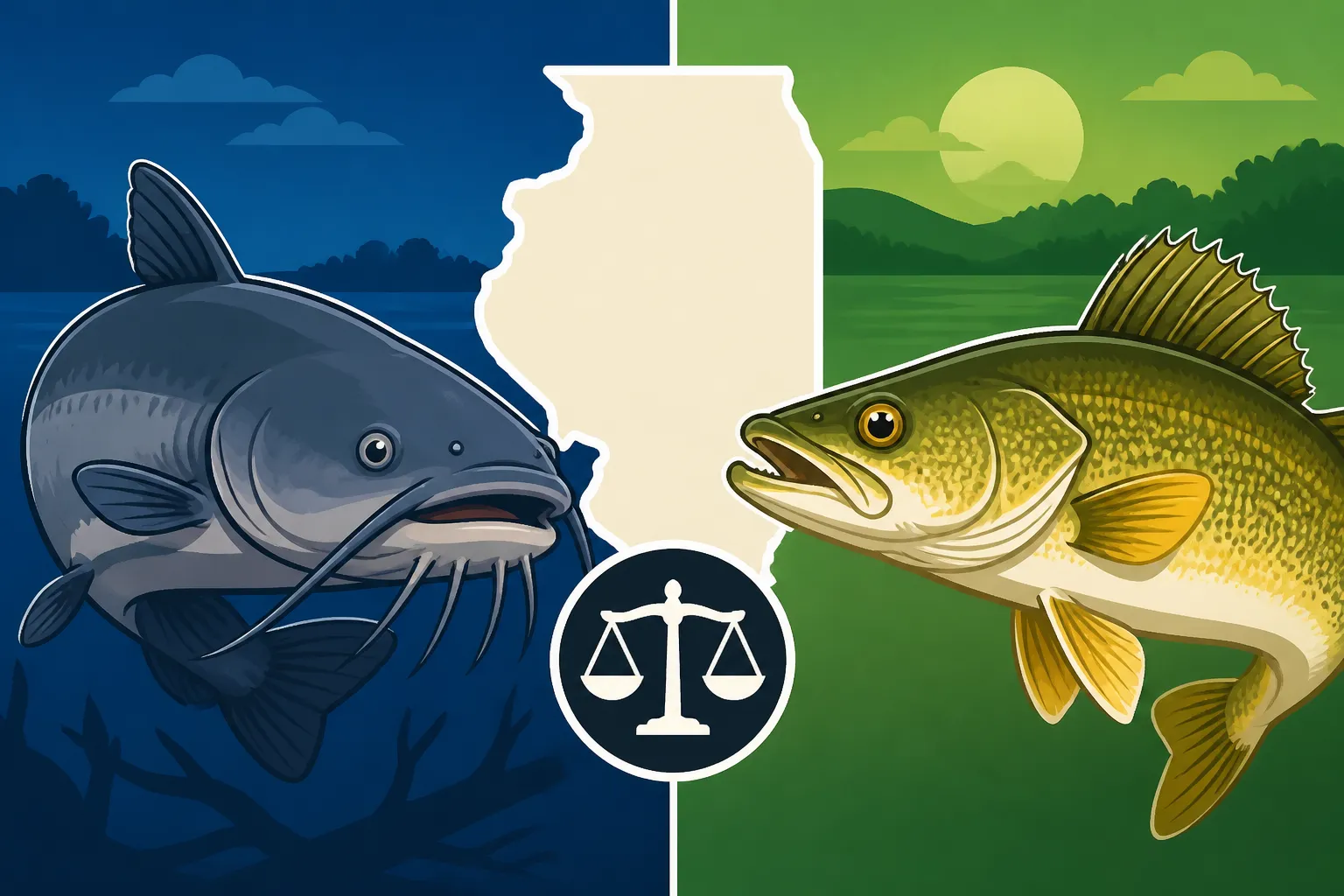
It can be incredibly confusing to keep track of all the different fishing regulations in Illinois, especially when you're trying to compare species like catfish and walleye. You're out on the water, you've landed a great fish, and suddenly you're second-guessing yourself: "Is this one a keeper? What's the limit for this species in this lake?" This guide is here to clear up that head-scratching confusion, offering a detailed look at how daily catch and size limits for catfish stack up against those for walleye across the state.
Understanding Illinois Catfish Regulations
Catfish are a beloved staple for many Illinois anglers. They're widespread, often plentiful, and put up a fantastic fight. Because of their abundance and different growth rates among species, the Illinois Department of Natural Resources (IDNR) manages them with varying limits. It's not a one-size-fits-all situation, which is often where the confusion begins for us everyday anglers.
Channel Catfish Daily Limits
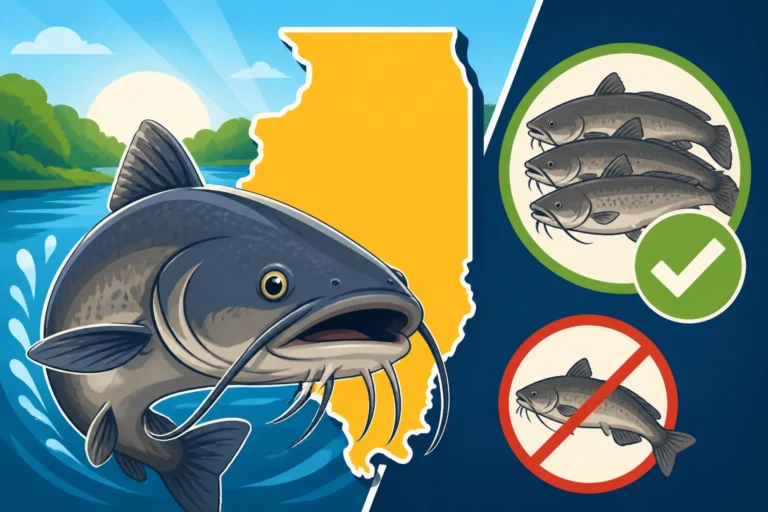
When you're chasing channel catfish, you'll generally find some of the more generous daily limits in Illinois. Most statewide regulations allow for a daily harvest of 20 fish. This reflects their robust populations in many of our rivers and lakes, their relatively fast growth rate, and their importance as a food fish. Think about it: twenty channel cats can make for a fantastic fish fry, enough for a big family gathering or to stock the freezer for a few meals. This higher limit often encourages anglers to target them, especially in waters where they thrive. For instance, on the expansive waters of Rend Lake, Lake Shelbyville, or even sections of the Illinois River, it’s not uncommon for dedicated channel cat anglers to approach this limit, making for a truly productive day. You can learn more about the specifics of the Illinois Channel Catfish Daily Limit of 20 Fish in our dedicated guide.
However, it's absolutely crucial to remember that "statewide" doesn't always mean "everywhere." While the 20-fish limit is a good general guideline, certain smaller lakes or specific management areas might have more restrictive rules. These site-specific rules are often put in place to protect local populations that might be more vulnerable to heavy fishing pressure or to help foster larger fish in those particular waters. So, while you might be thinking about that generous 20-fish limit, always double-check the local regulations for your chosen fishing hole.
Flathead and Blue Catfish Limits
Now, if you shift your focus to flathead and blue catfish, the picture changes quite a bit. These are the giants of the catfish world in Illinois, known for their impressive size and powerful fights. To protect these trophy-class fish and ensure sustainable populations, the daily limits are significantly more restrictive. For flathead catfish, the statewide limit is often set at 10 fish per day. Blue catfish, while also large, are a bit less common in some Illinois waters compared to channel or flathead, and their limits are often similar to flatheads, sometimes even more restrictive depending on the body of water. You can find detailed information on the Illinois Flathead Catfish Limit of 10 Fish Per Day to fully understand these regulations.
Why such a big difference? It boils down to their biology. Flatheads and blues grow much slower and live much longer than channel catfish. They also require specific habitats and conditions to reach those truly massive sizes. If anglers were allowed to keep 20 of these behemoths every day, their populations would quickly be depleted, and the chance of catching a true trophy fish would plummet. These stricter limits are a conservation effort, aiming to allow more of these fish to grow to maturity and spawn, ensuring future generations of big cats. It also makes catching one a more special event, a testament to its rarity and your skill.
Statewide vs. Site-Specific Catfish Rules
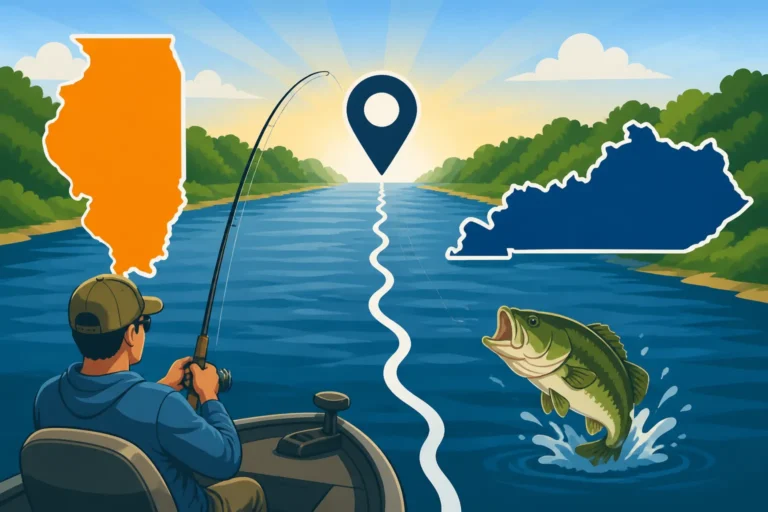
This is perhaps the most important point to hammer home for any angler in Illinois: statewide regulations are a starting point, but site-specific rules are the law of the water you're actually fishing. Imagine you're planning a trip to the Mississippi River, renowned for its catfish. While statewide limits might give you a general idea, specific pools or sections of the river might have their own unique regulations, possibly influenced by reciprocal agreements with neighboring states like Missouri or Iowa. Similarly, a smaller IDNR-managed lake might have a different catfish limit to promote a healthier ecosystem or a specific type of fishery.
This means before you even cast a line, you absolutely must consult the most current Illinois Fishing Information Guide. These guides, available online or at most bait shops, are your best friend for understanding the nuances of the rules. They will often list exceptions to statewide rules by lake, river section, or even species. Failing to do so can lead to confusion, accidental violations, and nobody wants to face the Penalties for Exceeding Your Daily Catch Limit. This variability underscores Why Fishing Rules Vary by Lake and River.
Deciphering Illinois Walleye Regulations
Walleye are another highly prized game fish in Illinois, revered for their delicious table fare and challenging pursuit. However, unlike the generally more abundant catfish, walleye populations often require more careful management, particularly concerning size and catch limits. This is because walleye are often stocked, have specific habitat needs, and can be more susceptible to overfishing if not properly managed.
Statewide Walleye Size and Daily Limits
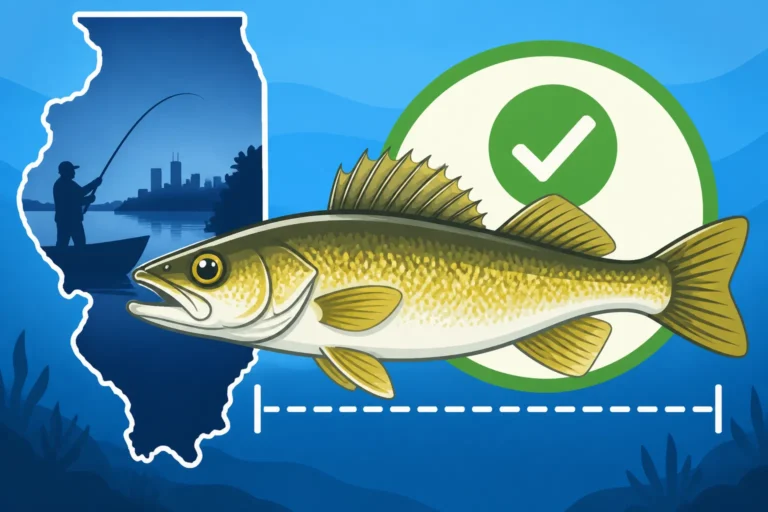
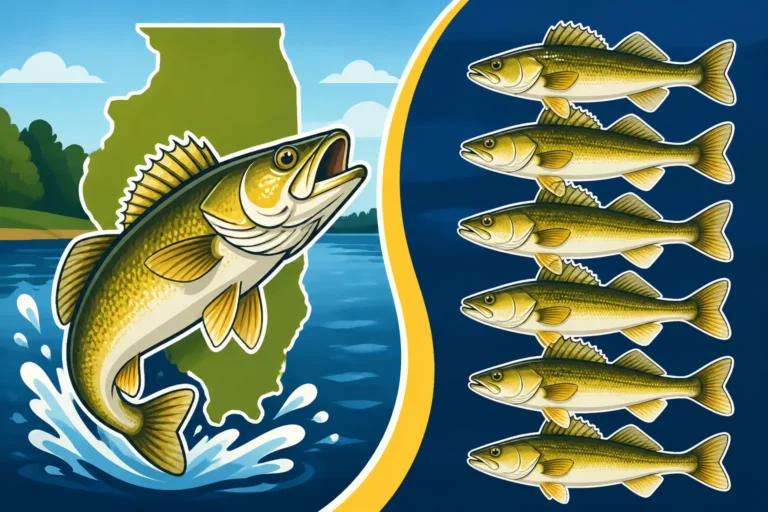
For walleye, the regulations typically involve both a daily catch limit and a minimum size limit. The statewide daily limit for walleye is usually six fish. This is considerably lower than the channel catfish limit, reflecting the differing population dynamics and management goals for the species. Beyond the number, there’s almost always a minimum length requirement, commonly 14 inches. This means any walleye you catch that measures less than 14 inches must be immediately and carefully released back into the water. This is a crucial distinction from channel catfish, which generally do not have a statewide minimum size limit.
The reason for this minimum size limit is straightforward: it allows walleye to reach sexual maturity and spawn at least once, contributing to the population before being harvested. It's a cornerstone of sustainable walleye management, ensuring that enough fish can reproduce to maintain healthy numbers. Catching a short walleye can be frustrating, especially when you're looking forward to dinner, but following these rules is paramount for the future of walleye fishing in Illinois. Understanding the Illinois Walleye Minimum Size Limit of 14 Inches is vital for all anglers.
Specific Walleye Waters and Exceptions
Just like with catfish, walleye regulations can become very localized. While the 6-fish, 14-inch minimum is a common baseline, many popular walleye fisheries in Illinois have their own specific rules. For example, some lakes might have a slot limit, where you can keep fish under a certain size and over another size, but fish within a certain "slot" (e.g., between 16 and 20 inches) must be released. This is often done to protect the prime breeding stock or to manage a specific age class of fish. Other waters might have even stricter daily limits, or different minimum size requirements, based on the health and management goals of that particular fishery.
Take the Mississippi River, for instance, which is a significant walleye fishery in the northern part of the state. Its regulations might be influenced by interstate agreements and the river's unique ecosystem. Similarly, highly stocked lakes that receive regular walleye plants from the IDNR might have specific rules to optimize the return on those stocking efforts. It's truly a complex system, designed to tailor management to the unique characteristics of each body of water. When in doubt, checking the specific rules for your chosen destination is the only way to be sure you're in compliance. Our article on Illinois Walleye Size and Catch Limits delves deeper into these variations. To confidently navigate these complexities, you should always consult the official Illinois Fishing Information Guide Covers April 2026 Through March 2027.
Why the Limits Differ: Conservation and Species Management
At first glance, it might seem arbitrary that the limits for catfish and walleye are so different. One species gets a generous 20-fish limit, while the other is capped at six, often with a size restriction to boot. However, these differences are far from arbitrary; they are the result of careful scientific study and strategic conservation efforts designed to maintain healthy fish populations for all of us to enjoy for years to come.
Biological Factors Influencing Regulations
The primary reason for differing limits lies in the fundamental biology of each species.
- Reproductive Rates and Growth: Channel catfish, for example, are prolific spawners. They reproduce quickly and in large numbers, and their populations can rebound relatively fast even under significant fishing pressure. They also tend to mature earlier than walleye. Flathead and blue catfish, while impressive in size, have a slower growth rate and often take longer to reach sexual maturity. Walleye, on the other hand, typically have a more moderate reproductive rate and grow more slowly to reach harvestable size. A 14-inch walleye often represents several years of growth, while a channel catfish of a similar size might be much younger.
- Life Span and Age Structure: Walleye generally have a longer lifespan than channel catfish but are often harvested more intensely at younger ages if not protected by size limits. This can drastically impact the age structure of the population. Flathead and blue catfish can live for decades, making them vulnerable to overharvesting of older, larger individuals if limits aren't carefully managed.
- Habitat Requirements: Each species also has distinct habitat needs. Walleye often prefer clearer, cooler waters, and their spawning grounds can be quite specific and sensitive. Catfish are generally more tolerant of a wider range of water conditions. If a species has very specific habitat requirements that are easily disturbed or limited, more restrictive harvest limits may be necessary to protect its population.
These biological differences mean that what works for one species simply won't work for another. It's like comparing apples and oranges – both are fruit, but they require different growing conditions and harvesting strategies.
Fishing Pressure and Population Dynamics
Beyond biology, the popularity of a species and the amount of fishing pressure it receives play a huge role in shaping regulations.
- Popularity and Demand: Walleye are incredibly popular sport fish, highly sought after for both their fighting ability and their delicate, flaky white meat. This high demand means they can experience significant fishing pressure, particularly in readily accessible lakes and rivers. If limits were too liberal, these populations could be quickly depleted. Catfish, while also popular, might not always draw the same level of intense, targeted fishing pressure on every water body, especially the smaller channel cats, which tend to be more abundant.
- Stocking Programs: The IDNR frequently conducts stocking programs for species like walleye, especially in lakes where natural reproduction might be insufficient to sustain a robust fishery. These stocking efforts are a significant investment, and regulations are often designed to maximize the survival and growth of these stocked fish, leading to more restrictive limits to ensure a good return on the investment. While channel catfish are occasionally stocked, it's often more about bolstering existing populations rather than creating entirely new ones as is sometimes the case with walleye.
- Ecosystem Balance: Regulations are also designed to maintain a healthy balance within the aquatic ecosystem. Overharvesting one species can have ripple effects on others, disrupting the food chain or allowing undesirable species to proliferate. The IDNR constantly monitors fish populations through surveys and angler reports to make informed decisions that promote overall ecological health.
These factors combined create a complex puzzle that fishery biologists are always working to solve, leading to the nuanced and varied regulations we see across Illinois waters.
Practical Tips for Anglers Navigating Illinois Limits
Understanding the why behind the limits is helpful, but what really matters is how you apply this knowledge on the water. Avoiding accidental violations and ensuring a responsible, enjoyable fishing experience requires a proactive approach.
Always Check the Latest Regulations
I cannot stress this enough: your best defense against inadvertently breaking the rules is to always, always consult the most current regulations before each fishing trip. Think of it as your pre-trip checklist, right up there with checking your tackle and gassing up the boat.
- The Illinois Fishing Information Guide: This is your bible. The IDNR publishes a new guide annually, and it typically covers regulations from April 1st of one year through March 31st of the next. You can grab a physical copy from any licensed vendor, like your local bait shop or sporting goods store. Better yet, download the digital version to your phone or tablet – it’s always accessible, even without cell service once downloaded. This guide details statewide regulations, but most importantly, it lists site-specific exceptions for hundreds of lakes, rivers, and ponds across Illinois. This is where you'll find those crucial differences between statewide catfish limits and what's allowed on, say, Kinkaid Lake, or the specific walleye slot limits on Clinton Lake. For more on finding these localized rules, check out our guide on How to Find the Rules for a Specific Illinois Fishing Spot.
- Online Resources: The IDNR website is also an excellent resource. They often have maps and detailed listings of regulations. Many online fishing forums and local fishing clubs are great places for discussions, but always cross-reference any information with the official IDNR sources. Don't rely solely on word-of-mouth; regulations can change, and what was true last year might not be true today.
- Apps and Digital Tools: Consider using fishing apps that incorporate local regulations. While not a substitute for the official guide, they can be a handy quick reference when you're on the water. Some anglers even print out the relevant pages for their specific lake and keep them in their tackle box, just in case. When you're shopping for new gear, like a good fish finder or a new rod and reel combo on Amazon, remember to also grab a physical copy of the guide or a waterproof case for your phone to keep the digital version safe.
Measuring and Identifying Your Catch
Once you've landed a fish, the clock is ticking to properly identify it and measure it if a size limit applies. This is where a little preparation goes a long way.
- Accurate Measurement: For species like walleye with minimum size limits, you need a reliable way to measure your catch. A simple, sturdy measuring board or tape measure is essential. Lay the fish flat on its side, with its mouth closed and resting against a stop, and measure to the tip of its tail. Don't try to measure a wriggling fish by hand – you'll likely get an inaccurate reading and potentially injure the fish or yourself. Many anglers keep a measuring decal on their boat or cooler for quick checks.
- Species Identification: While channel catfish are generally easy to identify, telling a walleye from a sauger or a blue catfish from a flathead can sometimes be tricky, especially for newer anglers. Misidentification can lead to keeping an illegal fish or releasing a legal one. The Illinois Fishing Information Guide has excellent illustrations of common fish species, highlighting key identification features. Look for fin patterns, mouth shape, and overall body coloration. For example, a walleye has a distinct white tip on its lower tail fin, which is absent in a sauger. Knowing these subtle differences can prevent a citation from a game warden, who has the right to Can Game Wardens Check Your Fishing License on the Water? and your catch.
By making these practices a routine part of your fishing excursions, you'll not only stay on the right side of the law but also contribute to the long-term health and vitality of Illinois' diverse fisheries.
Catfish vs. Walleye Limits: A Comparative Overview
To help put these differences into perspective, here's a quick comparison of the typical statewide daily catch and size limits for the main catfish species and walleye in Illinois. Remember, these are general guidelines, and site-specific regulations always take precedence.
| Species | Typical Statewide Daily Limit | Typical Statewide Size Limit | Notes |
|---|---|---|---|
| Channel Catfish | 20 Fish | None (unless site-specific) | Abundant, faster growing. Check specific lakes as limits can be lower. |
| Flathead Catfish | 10 Fish | None (unless site-specific) | Slower growing, trophy potential. |
| Blue Catfish | 10 Fish (often) | None (unless site-specific) | Also large, slower growing. Limits may vary more widely by location. |
| Walleye | 6 Fish | 14 inches minimum (often) | Popular sport fish, slower growth to maturity. Many lakes have specific slot or length limits. |
Disclaimer
Please note: Fishing regulations are subject to change. This information is intended as a general guide and should not be considered legal advice. Always consult the most current Illinois Department of Natural Resources (IDNR) Fishing Information Guide or website before engaging in any fishing activities to ensure compliance with all applicable laws and regulations.