Extra Stamp Fees on Top of an Illinois Fishing License
It’s a scenario many of us have faced: you’ve gone through the process of getting your Illinois fishing license, you feel all set, and then someone drops the bomb that you might need additional stamps. It can be incredibly frustrating to think you've done everything right, only to discover there are more fees and permits to navigate. This comprehensive guide is here to untangle the complexities of Illinois fishing stamps, explaining exactly when and why you might need one, and how to avoid any unwelcome surprises.
Understanding the Layers of Illinois Fishing Permits
Getting your basic Illinois fishing license is a critical first step for almost any angler over the age of 16. However, the Illinois Department of Natural Resources (IDNR) has a system in place where certain popular species or specific bodies of water require an extra layer of permitting – these are the infamous "stamps." It’s not just about collecting more money; these stamps are designed to fund targeted conservation efforts that directly benefit the fisheries you're trying to enjoy.
Why Just a License Isn't Always Enough
For the vast majority of panfish, bass, and catfish found in Illinois’ inland lakes and rivers, your standard fishing license is indeed all you need. You can head out to a local pond, cast your line for bluegill, or chase largemouth bass on a reservoir with just that one piece of paper (or digital proof on your phone). It's simple, straightforward, and covers most recreational angling.
However, the moment you decide to pursue certain specialty fish that require more intensive management or are part of specific stocking programs, the IDNR introduces these additional stamps. Think of it like a specialized endorsement on your driver's license. Your basic license gets you on the road, but if you want to drive a motorcycle or a big rig, you need an extra test and a different endorsement. The fishing world operates similarly. These stamps ensure that anglers who directly benefit from these specific, often more expensive, conservation programs contribute to their upkeep. It’s a way to keep these unique fishing opportunities alive and thriving for everyone.
The IDNR’s Approach to Funding Specific Fisheries
The Illinois Department of Natural Resources (IDNR) is tasked with managing all of the state's natural resources, and that includes our precious fisheries. Maintaining healthy populations of species like trout and salmon, especially those that are stocked or require particular habitat management, can be quite costly. That’s where the stamp system comes into play. The revenue generated from the sale of these specialized stamps goes directly back into funding the specific programs associated with those species.
For instance, the money from an Inland Trout Stamp helps to cover the costs of raising and stocking thousands of trout in various lakes and streams across the state each year. These are often "put-and-take" fisheries, meaning fish are stocked specifically for anglers to catch. Without dedicated funding through these stamps, it would be much harder for the IDNR to maintain these popular programs. Similarly, the Lake Michigan Salmon Stamp supports the extensive efforts to manage and enhance the salmon and trout fishery in Lake Michigan, which includes stocking, habitat work, and research specific to that massive ecosystem. It’s a targeted investment by anglers into the fish they love to pursue. If you're looking for a comprehensive overview of general requirements, you might find our Illinois Fishing License Guide for 2026 helpful in understanding the broader picture before diving into stamps.
Essential Illinois Fishing Stamp Requirements
Now that we understand why these stamps exist, let's get into the specifics of which stamps you might need and when. There are two main stamps that often catch anglers by surprise: the Inland Trout Stamp and the Lake Michigan Salmon Stamp. Knowing the requirements for each can save you a headache (and a potential fine) on your next fishing trip.
The Illinois Inland Trout Stamp: What It Covers
If you're an angler who enjoys the thrill of fishing for rainbow trout, especially in the numerous "put-and-take" trout programs across Illinois, you're going to need an Inland Trout Stamp. This stamp is specifically required for anyone aged 16 and over who intends to take trout from any waters that are regularly stocked with trout by the IDNR.
These stocked trout programs are incredibly popular, drawing crowds to various lakes and streams primarily in the spring and fall. Locations like Spring Lake, Axehead Lake, Belleau Lake near Chicago, or Boston Lake and Frank Holten State Park Lake downstate are prime examples of waters where trout are periodically released. The IDNR announces specific stocking dates and locations, often coinciding with their spring and fall trout seasons. The beauty of these programs is that they provide fantastic opportunities for anglers, even in areas where natural trout populations aren't typically found.
However, the key takeaway here is if you plan to keep any trout from these stocked waters, the Inland Trout Stamp is mandatory. If you're strictly practicing catch-and-release in these areas, the stamp might not be required, but it's always best to double-check the specific site regulations, as rules can sometimes vary. Generally, if you're targeting trout, especially with the intent to harvest, you'll need this stamp in addition to your regular fishing license. For more detailed information, check out our guide on Illinois Inland Trout Stamp Requirements.
The Lake Michigan Salmon Stamp: For the Big Lake's Prizes
For those daring anglers who venture out onto the vast expanse of Lake Michigan to chase its legendary salmon and trout, the Lake Michigan Salmon Stamp is an absolute must. Many people assume this stamp is only for salmon, but that's a common misconception. This stamp is required for any angler aged 16 and over who is taking salmon or trout from Lake Michigan. This includes coho salmon, Chinook salmon, steelhead (rainbow trout), and brown trout caught within the Illinois waters of Lake Michigan.
The Lake Michigan fishery is a jewel of Illinois angling, offering truly world-class opportunities for powerful, hard-fighting fish. However, managing this immense resource and sustaining these populations through stocking programs is a massive undertaking. The funds from the Lake Michigan Salmon Stamp directly contribute to these efforts, ensuring that anglers can continue to experience the thrill of battling a chrome-bright coho or a giant Chinook.
Whether you're trolling offshore from Waukegan, casting spoons from the piers in Chicago, or soaking bait near Montrose Harbor, if you're targeting and keeping any of these magnificent Lake Michigan species, this stamp is required. It's an investment in keeping that unique big-water experience alive. Before you hit the big lake, make sure you understand all the specifics laid out in our article on Lake Michigan Salmon Stamp Requirements for Anglers. If you're putting together your gear, looking for specialty downriggers or trolling lures on Amazon, remember to also confirm your stamp status!
Exemptions and When You Might Not Need a Stamp
While stamps are crucial for specific types of fishing, there are indeed times when you might be exempt from needing them. Understanding these exceptions can save you money and ensure you're fishing legally.
One of the most widely appreciated exemptions revolves around the Illinois Free Fishing Days and License-Free Weekends. Typically held over a few days in June, these events allow both residents and non-residents to fish Illinois waters without needing a fishing license or any associated stamps. It’s a fantastic opportunity for families or new anglers to try fishing without the initial investment. However, all other fishing regulations, such as catch limits and size restrictions, still apply.
Age also plays a significant role. Just as anglers under 16 don't need a basic fishing license in Illinois, they are also exempt from needing to purchase either the Inland Trout Stamp or the Lake Michigan Salmon Stamp. This is excellent news for parents wanting to introduce their children to trout fishing or the excitement of Lake Michigan salmon. Our guide, Do Kids Need a Fishing License in Illinois?, provides more context on this.
Furthermore, if you're fishing in a private pond or lake where you have the owner's permission, and that waterbody is entirely self-contained (i.e., no public access or connection to public waters), you might not need a state fishing license or stamps. However, this is a nuanced area, and it's always best to verify with the property owner or local IDNR office if you have any doubts. The general rule of thumb is: if you're on public waters or waters connected to them, assume state regulations apply unless explicitly stated otherwise.
Calculating Your Total Fishing Costs
Navigating the world of fishing licenses and stamps can feel a bit like doing your taxes – confusing, with various line items to consider. Let's break down some common scenarios to give you a clearer picture of what your total investment might look like when you include those extra stamp fees. It's not just about the cost; it's about being prepared for a day on the water.
Breaking Down the Costs for Common Scenarios
To illustrate how these costs add up, let's look at a few hypothetical situations for a resident adult angler (over 16 but under 65, and not disabled) as of recent IDNR figures. Remember that these prices can change, so always check the most current IDNR fee schedule.
Scenario 1: The General Inland Angler
- Target: Bass, crappie, catfish in most public lakes and rivers.
- Required: Annual Resident Fishing License.
- Cost: ~$15.00
- Total: ~$15.00
- This is the most basic and common scenario, covering a vast array of Illinois fishing opportunities.
Scenario 2: The Inland Trout Enthusiast
- Target: Rainbow trout in stocked inland lakes and streams (e.g., Spring Lake, Axehead Lake).
- Required: Annual Resident Fishing License + Inland Trout Stamp.
- Cost: ~$15.00 (License) + ~$6.50 (Trout Stamp)
- Total: ~$21.50
- If you plan to keep any trout from these specific waters, this combination is mandatory.
Scenario 3: The Lake Michigan Salmon and Trout Chaser
- Target: Coho salmon, Chinook salmon, steelhead, brown trout in Lake Michigan.
- Required: Annual Resident Fishing License + Lake Michigan Salmon Stamp.
- Cost: ~$15.00 (License) + ~$6.50 (Salmon Stamp)
- Total: ~$21.50
- Even if you only fish Lake Michigan once, if you're taking these species, you'll need both.
Scenario 4: The Out-of-State Visitor
- Target: General fishing in Illinois for a full year.
- Required: Annual Non-Resident Fishing License.
- Cost: ~$31.50
- Total: ~$31.50
- Non-residents pay a higher fee, as they haven't contributed to the state's tax base that supports some conservation efforts. More details can be found in our guide on Illinois Nonresident Fishing License Guide.
Scenario 5: The Traveling Trout & Salmon Angler
- Target: Inland trout and Lake Michigan salmon/trout over a year.
- Required: Annual Resident Fishing License + Inland Trout Stamp + Lake Michigan Salmon Stamp.
- Cost: ~$15.00 (License) + ~$6.50 (Trout Stamp) + ~$6.50 (Salmon Stamp)
- Total: ~$28.00
- This covers the most extensive range of special fishing opportunities in Illinois.
Here's a quick summary table for clarity:
| Scenario | License Type | Required Stamps | Approximate Total Cost (Resident) |
|---|---|---|---|
| General Inland Fishing | Annual Resident Fishing | None | $15.00 |
| Inland Trout Fishing | Annual Resident Fishing | Inland Trout Stamp | $21.50 |
| Lake Michigan Salmon/Trout | Annual Resident Fishing | Lake Michigan Salmon Stamp | $21.50 |
| Out-of-State General Fishing | Annual Non-Resident Fishing | None | $31.50 |
| Inland Trout & Lake Michigan | Annual Resident Fishing | Inland Trout + Lake Michigan | $28.00 |
Keep in mind these are approximations, and fees can be subject to change. Always consult the official IDNR website or a licensed vendor for the most current pricing. For a broader look at all the fees, our Illinois Fishing License Costs and Types article breaks down various options.
Where to Purchase Licenses and Stamps
Thankfully, acquiring your Illinois fishing license and any necessary stamps is a straightforward process with several convenient options. The Illinois Department of Natural Resources (IDNR) has made it quite accessible.
The most popular and often easiest method is to purchase them online directly through the IDNR's official website. This allows you to print your license and stamps immediately, or save a digital copy to your phone, ensuring you're compliant without having to make a special trip. The online system is generally user-friendly and available 24/7. Our guide, How to Buy an Illinois Fishing License Online, walks you through this process step-by-step.
If you prefer a physical transaction or have questions for a knowledgeable staff member, you can visit hundreds of licensed vendors across the state. These typically include:
- Sporting goods stores: Major retailers like Cabela's, Bass Pro Shops, or even local independent shops often sell licenses and stamps.
- Bait and tackle shops: These local hubs are fantastic resources for not only permits but also local fishing advice and gear.
- Select convenience stores and general merchandise stores: Many smaller shops that cater to outdoors enthusiasts will also offer this service.
- IDNR offices: While less numerous, regional IDNR offices can also issue licenses and provide assistance.
When purchasing in person, be sure to have your driver's license or state ID handy, as they will need to verify your residency and age. While you can't buy the actual license or stamps on Amazon, many anglers use platforms like Amazon to research and buy fishing gear, or even digital copies of fishing guides before they head out to a licensed vendor or the IDNR website to make their official purchase. It's all part of the preparation!
The Importance of Supporting Conservation
It's easy to view these additional stamp fees as just another expense, but it's vital to remember the underlying purpose: conservation. Every dollar collected from these stamps is earmarked for specific programs designed to enhance and protect Illinois' fisheries. Without these funds, the quality and accessibility of fishing for species like trout and salmon would undoubtedly decline.
For instance, the Inland Trout Stamp helps finance the operation of state fish hatcheries that raise and stock hundreds of thousands of trout annually. This ensures that even landlocked Illinois anglers have opportunities to catch these cold-water species, often in urban or suburban settings. Similarly, the Lake Michigan Salmon Stamp directly supports the massive undertakings required to manage a Great Lakes fishery, including ongoing stocking of Chinook and Coho salmon, as well as various trout species, habitat restoration efforts, and scientific research to monitor fish health and populations.
By purchasing these stamps, anglers are directly investing in the future of their sport. It's a commitment to healthy fish populations, vibrant ecosystems, and continued access to diverse fishing opportunities across the state. It’s not just a fee; it’s a contribution to the very waters we love to explore.
Common Misconceptions and Pro Tips for Anglers
Even seasoned anglers can sometimes get tripped up by the nuances of fishing regulations, and stamps are a prime example. Let's clear up some common misunderstandings and offer practical advice to ensure your next fishing trip is smooth, legal, and enjoyable.
"I Have a License, I'm Good to Go!" – Why That's Not Always True
This is perhaps the biggest pitfall for anglers in Illinois. While a standard fishing license covers a broad range of species and locations, it’s not an all-encompassing pass for every fishing scenario imaginable. The "license and stamp" system exists precisely because certain fisheries require specialized management and funding.
Imagine you're driving your car. You have a standard driver's license, which is great for daily commutes. But if you decide to drive a semi-truck, you need a Commercial Driver's License (CDL) with specific endorsements. Fishing is similar: your basic license is your standard driver's license. But if you want to pursue trout in a stocked lake or salmon in Lake Michigan, those are like the "semi-trucks" of fishing, requiring a special endorsement (the stamp).
Failing to realize this can lead to uncomfortable encounters with conservation police. They are well within their rights to check for both your fishing license and any required stamps. The best practice is to always consider your target species and your fishing location before you head out. Don't assume your general license covers everything; assume it covers most things, but always check for exceptions, especially if you're venturing into new territory or trying for a new species. It's important to remember that Why Fishing Rules Vary by Lake and River is often due to these specific management needs.
Planning Your Trip: Checking Regulations Before You Cast
Preparation is key to a stress-free fishing trip, and that includes doing your homework on regulations. The most reliable source for all Illinois fishing rules, including license and stamp requirements, is the Illinois Fishing Information Guide. This comprehensive guide is updated annually and covers everything from statewide regulations to site-specific rules for various lakes and rivers.
You can typically pick up a physical copy of the guide wherever licenses are sold, or you can download a digital version directly from the IDNR website. Having a digital copy on your phone is incredibly convenient, allowing you to quickly reference rules while you're on the water. Many anglers even look for supplementary fishing guides or regulation summaries on platforms like Amazon to get different perspectives or quick reference materials, though the official IDNR guide is the definitive source.
Before you even load your gear into the car, take a few minutes to:
- Identify your target species: Are you going for bass, crappie, catfish, or something more specialized like trout or salmon?
- Pinpoint your fishing location: Is it a small local pond, a major reservoir, a river, or Lake Michigan?
- Cross-reference: Look up your species and location in the Illinois Fishing Information Guide. This will tell you if a stamp is required, along with any size limits, daily catch limits, or special regulations that apply to that specific body of water.
This simple pre-trip check can prevent a lot of headaches and ensure you're fully compliant with the law.
Staying Compliant and Avoiding Penalties
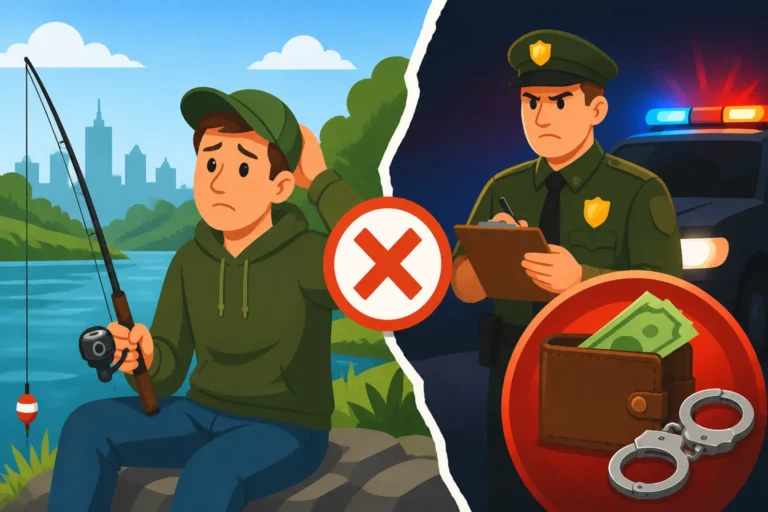
Fishing without the proper license or the required stamps can lead to significant penalties. Conservation police officers in Illinois are dedicated to enforcing fishing regulations to protect our natural resources, and they do not take violations lightly.
If you are caught fishing for a species that requires a stamp without having that stamp, or if you are fishing anywhere without a basic license when one is required, you could face:
- Fines: These can range from moderate to substantial, depending on the severity and nature of the violation.
- Court appearance: In some cases, you might be required to appear in court.
- Seizure of gear: Your fishing equipment, and even your boat, could potentially be seized.
- Loss of fishing privileges: You might have your fishing privileges suspended or revoked for a period, which is perhaps the most painful consequence for any avid angler.
It's a common misconception that a warning is always given for a first offense. While an officer may exercise discretion, they are not obligated to do so. It's much safer to assume that any violation, even unintentional, could result in a citation. The cost of a stamp is minimal compared to the potential financial and legal repercussions of a violation. Always ensure you have your physical license and stamps (or valid digital copies) readily accessible when you're fishing. For more detailed information on what happens when things go wrong, read our article on Penalties for Fishing Without a License in Illinois. It's always better to be informed and stay legal!
Disclaimer
Please note that fishing regulations, license requirements, and associated fees in Illinois are subject to change. Always consult the official Illinois Department of Natural Resources (IDNR) website or the most current Illinois Fishing Information Guide for the most up-to-date and accurate information before engaging in any fishing activities. This article is intended for informational purposes only and does not constitute legal advice.