Illinois Fishing License Guide for 2026
Trying to figure out Illinois fishing licenses can feel like navigating a maze, especially with all the different types, rules, and places to buy them. You just want to enjoy a peaceful day on the water, but the thought of accidentally breaking a rule or spending too much can be a real buzzkill. This comprehensive guide is here to untangle all the confusion, ensuring you have all the up-to-date information for securing your Illinois fishing license, so you can fish with confidence and peace of mind.
Understanding the Basics of an Illinois Fishing License
Before you even think about casting a line in Illinois, you absolutely need to understand the fundamental requirement: a valid fishing license. It's not just a piece of paper; it's your official permission slip from the state to partake in one of Illinois's most cherished outdoor activities. Many folks find themselves frustrated by this mandatory step, especially if they've fished in other states with different regulations, but in Illinois, it's a non-negotiable part of responsible angling.
The primary purpose of requiring a fishing license isn't just to make things complicated for you. It's actually a vital tool for conservation and managing the state's precious aquatic resources. The fees collected from license sales directly fund important programs such as fish stocking, habitat restoration projects, research into fish populations, and maintaining public access points like boat ramps and fishing piers. Without these funds, the quality of fishing in Illinois would quickly decline. It ensures that future generations can also enjoy the same vibrant fisheries we have today.
Moreover, the license system helps the Illinois Department of Natural Resources (IDNR) gather crucial data on angler participation. When you purchase a license, your information contributes to statistics that inform management decisions, helping the IDNR understand fishing pressure and tailor conservation efforts more effectively. It’s all part of a larger plan to keep Illinois waters healthy and teeming with fish, benefiting every angler who loves to spend time on the water.
Why Every Angler Needs a License
Many anglers, especially newcomers or those just looking to try fishing once or twice, often wonder if they really need a license. The short answer is almost always yes. The state of Illinois takes its fishing regulations seriously, and fishing without a valid license can lead to significant penalties, including fines that far outweigh the cost of a license itself. This isn't just about catching fish; it's about being on the water with the intent to fish, even if you don't catch anything. Game wardens regularly patrol lakes, rivers, and even remote ponds, and they have the authority to check for licenses.
The requirement applies whether you're fishing from a boat, a pier, the bank, or even ice fishing in the dead of winter. There’s no special exemption for specific methods or locations, save for a few very specific scenarios we'll discuss later. Thinking you might just "get away with it" is a gamble not worth taking, as a citation for fishing without a license can put a serious damper on your day and your wallet. It's always best to be prepared and ensure you have your license in hand, or at least digital proof on your phone, before you even head out the door.
This universal requirement fosters a sense of shared responsibility among the angling community. It encourages everyone to contribute to the stewardship of Illinois’s natural resources, knowing that their small investment helps maintain the very environment they enjoy. So, while it might seem like an extra hoop to jump through, think of your license as your contribution to keeping Illinois a fantastic place to fish for years to come.
How Licenses Support Conservation Efforts
The financial contribution from fishing license sales is the backbone of Illinois's fisheries management. These funds are carefully allocated to ensure the sustainability and improvement of fishing conditions across the state. For instance, a significant portion goes towards fish hatcheries that raise and release millions of fish annually, including popular species like walleye, muskie, trout, and various panfish, into public waters. This stocking ensures healthy populations and exciting opportunities for anglers, especially in lakes and rivers that might not support natural reproduction for certain species.
Beyond stocking, license revenues are instrumental in protecting and enhancing fish habitats. This could involve restoring aquatic vegetation, improving water quality, or stabilizing shorelines to prevent erosion, all of which are critical for fish to spawn, grow, and find shelter. The IDNR also employs biologists and researchers who use these funds to monitor fish populations, study migration patterns, and assess the overall health of Illinois’s aquatic ecosystems. Their scientific findings guide management decisions, ensuring that regulations—like those outlined in the Illinois Fishing Regulations Overview—are based on sound ecological principles, not just guesswork.
It’s also worth noting that license money supports enforcement efforts, which are crucial for maintaining order and ensuring compliance with regulations. Game wardens, funded by these revenues, play a vital role in preventing poaching and overfishing, which could quickly decimate fish populations. So, every dollar spent on a fishing license is an investment in the future of Illinois fishing, directly translating into better fishing experiences for everyone involved.
Who Needs an Illinois Fishing License
The question of "who needs a license?" is probably the most common one in the Illinois fishing community, and it's easy to get mixed up. While the general rule is "everyone," there are some critical nuances, especially concerning age and residency. Understanding these distinctions is key to avoiding an unexpected encounter with a conservation police officer.
Age Requirements for Anglers
In Illinois, the age at which you need a fishing license is quite clear: if you are 16 years of age or older, you must possess a valid fishing license. This means kids under the age of 16 can enjoy fishing completely license-free. This exemption is fantastic for families and encourages younger generations to get out and experience the joys of fishing without an initial financial barrier. Imagine taking your child, niece, or nephew to a local pond for the first time; it's wonderful that you don't have to worry about buying them a separate permit.
However, once that 16th birthday rolls around, the rules change. Even if you're just a few days past your birthday, you're expected to have your license. This often catches young adults by surprise, especially those who have been fishing with their parents for years without a permit. It's a rite of passage, in a way, marking the transition from a junior angler to a fully-fledged member of the fishing community. Parents and guardians should make sure to inform their teens about this upcoming requirement to prevent any issues once they hit the magical age of 16. This is clearly explained in the Illinois Fishing License Rules for Kids and Seniors guide.
It's also important to note that the 16-year-old threshold applies across the board, regardless of residency. So, whether you're an Illinois resident or visiting from out of state, if you're 16 or older and planning to fish, a license is necessary.
Residency Definitions and Their Impact
Your residency status plays a significant role in the type and cost of the fishing license you'll need in Illinois. The state distinguishes between residents and nonresidents primarily based on where you live for the majority of the year.
An Illinois resident is generally someone who has resided in the state for at least 30 consecutive days immediately prior to applying for a license. You'll need to provide proof of residency, such as an Illinois driver's license or state ID card, when purchasing your license. This resident status grants you access to licenses at a significantly reduced rate, reflecting your contribution to the state's tax base and long-term connection to Illinois's resources. The idea is that residents, through their taxes, already contribute to the state, making the license more of a user fee.
Nonresidents, on the other hand, are individuals who do not meet the criteria for Illinois residency. This includes anyone visiting from another state or country, whether for a quick vacation or an extended stay. Nonresident licenses are typically more expensive than resident licenses, a common practice across states to ensure that those who are not contributing to the state's tax revenue through residency still contribute fairly to the upkeep of its natural resources. If you're planning a trip, be sure to check out the Illinois Nonresident Fishing License Guide to understand your options.
It's also worth noting that some individuals may fall into special categories, such as active-duty military personnel stationed in Illinois, who might be eligible for resident rates even if their permanent home is elsewhere. It's always best to check the most current IDNR guidelines or inquire at the time of purchase if you believe you might qualify for a special residency status. Misrepresenting your residency can lead to fines and revocation of your license, so honesty is the best policy here.
Types of Illinois Fishing Licenses Available
Illinois offers a variety of fishing licenses designed to fit different needs, from casual anglers to avid year-round enthusiasts. Knowing which license type suits your fishing habits best can save you money and ensure you're always legally covered. It’s not a one-size-fits-all situation, and understanding the distinctions is important.
Annual, Short-Term, and Lifetime Options
For most resident anglers, the Annual Fishing License is the standard and most popular choice. This license is valid for one full license year, which in Illinois typically runs from April 1st through March 31st of the following year. This option provides the best value if you plan to fish more than a handful of times throughout the year. It covers you for all regulated waters in Illinois, giving you the freedom to explore various fishing spots without constantly worrying about renewal dates until the next license year rolls around. Many anglers simply purchase this at the start of the season and are good to go.
For those planning a shorter trip or just wanting to try out fishing in Illinois, the 24-Hour Fishing License is a convenient and cost-effective option. This license is valid for a continuous 24-hour period from the time of purchase, making it perfect for a spur-of-the-moment fishing trip or a quick weekend getaway. It's especially popular with non-residents or residents who only fish once or twice a year. If you're visiting for a long weekend, you might even consider purchasing a few 24-hour licenses if you plan to fish on multiple non-consecutive days, or consider the Illinois Nonresident 3-Day Fishing License Cost for a continuous block.
For the truly dedicated angler, or for those who want to make a one-time investment, Illinois also offers a Lifetime Fishing License. This license is a significant upfront cost but, as the name suggests, it covers you for your entire life, eliminating the need for annual renewals. It's an excellent option for younger anglers or those who are committed to fishing in Illinois for the long haul, as detailed in the Illinois Lifetime Fishing License Guide. Over many years, the lifetime license can prove to be a considerable money-saver, shielding you from future price increases and the hassle of remembering to renew.
Specialized Stamps and Permits
Beyond the basic fishing license, some specific types of fishing in Illinois require additional stamps or permits. These aren't just extra fees; they are targeted contributions to specific conservation programs designed to support particular fisheries that require specialized management. It's crucial to know if your target species or location necessitates one of these stamps.
The most common additional requirements are for Trout and Salmon. If you plan to fish for these species in specifically designated waters (which are often stocked by the IDNR), you'll need to purchase an Inland Trout Stamp. This stamp is required for catching trout in Illinois's inland lakes and streams that receive regular trout stockings, such as those participating in the spring and fall trout programs. Similarly, if you're setting your sights on the magnificent Salmon and Trout found in Lake Michigan, you'll need a Lake Michigan Salmon Stamp Requirements for Anglers. These stamps ensure that the specialized and often expensive stocking programs for these popular sport fish are adequately funded, providing thrilling opportunities for anglers seeking these cold-water species.
It's important to understand that these stamps are in addition to your regular fishing license. You cannot simply buy a trout stamp and go fishing; you must have a valid base fishing license first. For instance, if you have an annual fishing license and want to participate in a spring trout season, you'll need both. These stamps are usually affordable and can be purchased at the same time and place you buy your regular fishing license. Always double-check the specific regulations for the water body you plan to fish, as some areas may have unique requirements not covered by general state stamps.
| License Type | Residency | Validity Period | Primary Use Case | Cost (Approx. 2026) | Additional Stamps Required (e.g., Trout/Salmon) |
|---|---|---|---|---|---|
| Annual Fishing License | Resident | April 1 – March 31 | Regular, year-round fishing in Illinois | $15.00 | Yes, for specific species/waters |
| Annual Fishing License | Nonresident | April 1 – March 31 | Regular, year-round fishing for out-of-state visitors | $31.00 | Yes, for specific species/waters |
| 24-Hour Fishing License | Resident/Nonresident | 24 continuous hours | Short, spontaneous fishing trips | $5.50 | Yes, for specific species/waters |
| 3-Day Nonresident Fishing License | Nonresident | 72 continuous hours | Longer weekend trips for out-of-state visitors | $15.50 | Yes, for specific species/waters |
| Lifetime Fishing License | Resident | For life | Long-term investment for dedicated Illinois anglers | $435.00 | No, generally included |
| Senior Fishing License | Resident (65-74) | April 1 – March 31 | Discounted annual license for eligible seniors | $7.75 | Yes, for specific species/waters |
| Super Senior Fishing License | Resident (75+) | April 1 – March 31 | Significantly discounted annual license for older seniors | $1.50 | Yes, for specific species/waters |
| Inland Trout Stamp | All | April 1 – March 31 | Required for fishing stocked inland trout waters | $6.50 | (Requires base fishing license) |
| Lake Michigan Salmon Stamp | All | April 1 – March 31 | Required for fishing salmon/trout in Lake Michigan | $6.50 | (Requires base fishing license) |
Note: Costs are approximate for 2026 and subject to change by the IDNR. Always verify current prices at the time of purchase.
How to Get Your Illinois Fishing License
Getting your Illinois fishing license is a straightforward process, but knowing your options can make it even easier. Whether you prefer the convenience of online shopping or the personal touch of a local vendor, Illinois provides multiple avenues to secure your permit.
Buying Your License Online
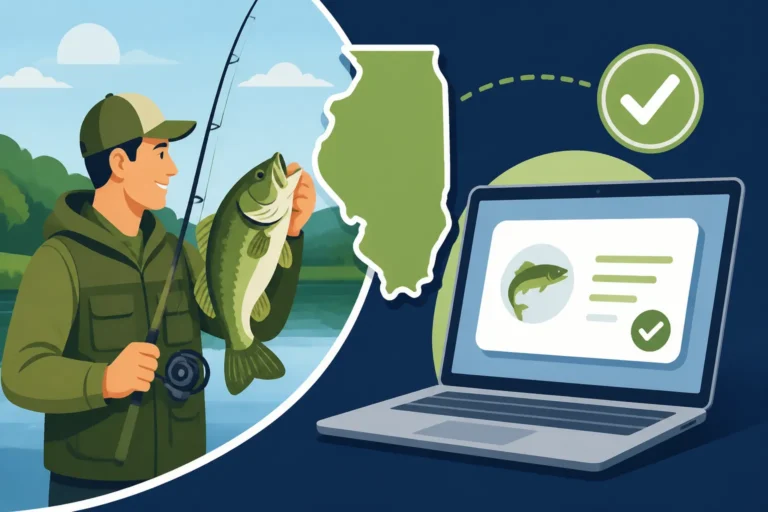
For many modern anglers, purchasing an Illinois fishing license online is the most convenient option. The Illinois Department of Natural Resources (IDNR) maintains an official licensing website, GoOutdoorsIllinois.com, where you can easily navigate the process from the comfort of your home. This platform allows you to purchase all types of fishing licenses and necessary stamps, whether you're a resident or a nonresident. The process typically involves selecting your license type, providing your personal information (including proof of residency if applicable), and making a payment.
The benefits of buying online are numerous. You can do it 24/7, avoiding store hours, and you receive an immediate confirmation and a printable license or digital proof that can be displayed on your smartphone. This instant access is particularly handy if you decide to go fishing on a whim or realize your license has expired right before a trip. Many anglers keep a screenshot or a PDF of their digital license on their phone for quick access during checks by conservation police. Make sure you check out How to Buy an Illinois Fishing License Online for a step-by-step guide.
While you can purchase your license online, for related fishing gear, many anglers turn to trusted platforms like Amazon. You can easily find a new fishing hat, a tackle box, or even a new fishing rod and reel combo on Amazon to complement your freshly acquired license.
In-Person Purchase Locations
If you prefer a more traditional approach or need assistance with your purchase, you can buy an Illinois fishing license in person at various authorized vendors across the state. These locations include many sporting goods stores, bait and tackle shops, and even some county clerk offices. Popular retailers like Walmart and local independent bait shops are common places where you can walk in and get your license.
The advantage of an in-person purchase is the immediate physical copy of your license, which some anglers prefer to carry. Additionally, purchasing at a bait and tackle shop often provides the added benefit of local fishing advice. Store owners and staff are frequently avid anglers themselves and can offer tips on what's biting, current hot spots, and recommended baits or lures for the local waters. It’s also a great way to support local businesses that cater to the fishing community.
When purchasing in person, remember to bring any required identification, especially if you're applying for a resident license or a senior discount. A valid Illinois driver's license or state ID card will typically suffice. The staff at these locations are usually well-versed in the licensing process and can help guide you through selecting the correct license and any necessary stamps. This method is particularly useful for those who might not be comfortable with online transactions or who prefer to handle their outdoor purchases face-to-face.
Understanding License Costs and Fees
Let's be honest, nobody enjoys spending money, but understanding the cost breakdown for your Illinois fishing license is crucial for budgeting your angling adventures. The prices vary based on residency, duration, and age, so a little foresight can prevent any surprises.
Breakdown of Resident and Nonresident Prices
The cost of an Illinois fishing license is primarily dictated by your residency status and the duration of the license. As discussed earlier, residents generally pay less than nonresidents. For instance, a standard annual resident fishing license in 2026 is around $15.00, offering a full year of fishing opportunities. This is a fantastic value for regular anglers who live in the state and plan multiple outings.
Compare that to the nonresident annual fishing license, which sits closer to $31.00. While higher, this still provides a full year of access to Illinois's diverse fisheries for those visiting from out of state. For shorter trips, nonresidents also have the option of a 3-day fishing license for about $15.50, which can be more economical than buying multiple 24-hour permits if your trip spans several consecutive days. This particular option is detailed in the Illinois Nonresident Annual Fishing License Cost guide.
These price differences are a reflection of how states manage their natural resources, with residents often receiving a lower rate due to their ongoing contributions to the state's economy and taxes. It’s a pretty standard practice across the country, so while it might feel a bit unfair to our out-of-state friends, it’s how these conservation programs are sustainably funded. Always double-check the current fees on the IDNR website before purchasing, as prices can change.
Senior Discounts and Exemptions
Illinois offers thoughtful discounts and exemptions for its senior residents, acknowledging their years of contributing to the state and fostering continued participation in outdoor activities. These discounts make fishing more accessible and affordable for older anglers, ensuring they can continue to enjoy their passion well into their golden years.
For Illinois residents aged 65 to 74, a discounted annual fishing license is available, usually priced around $7.75. This significant reduction compared to the standard resident annual license is a welcome benefit for many seniors. All that's typically required is proof of age and Illinois residency at the time of purchase. This is a fantastic way to keep active and enjoy the natural beauty of Illinois without a hefty price tag. You can find more specific details on the Illinois Senior Fishing License Discounts for Ages 65 to 74 page.
Going a step further, Illinois offers an even more substantial discount for its "Super Seniors" – residents aged 75 and older. These individuals can obtain an annual fishing license for a nominal fee, often as low as $1.50. This virtually free access is a wonderful gesture, ensuring that age is never a barrier to enjoying Illinois's fishing opportunities. It's a testament to the state's commitment to its senior population and a great incentive for lifelong anglers to keep their lines wet. Always remember to carry proof of age and residency when fishing with these discounted licenses, as conservation police may request it during checks.
Additional Stamp Fees for Specific Species
As we briefly touched upon, certain species in Illinois require an additional stamp on top of your base fishing license. These aren't just arbitrary fees; they are specific contributions that directly support the specialized management and stocking programs for these particular fish. Understanding when and why these are needed is crucial.
The Inland Trout Stamp, for example, is a must-have if you plan to target trout in any of Illinois's designated trout waters, which are typically lakes and streams stocked by the IDNR. These waters undergo significant management, including regular fish stockings, to create viable trout fisheries where they might not naturally thrive. The stamp fee, usually around $6.50, helps cover the considerable costs associated with these intensive stocking efforts. Without this stamp, you'd be fishing illegally for trout, even if you have your regular license.
Similarly, if your ambition is to catch the impressive salmon and trout species that inhabit Lake Michigan, you'll need the Lake Michigan Salmon Stamp. Also typically costing around $6.50, this stamp contributes to the massive and complex stocking programs that sustain this world-class fishery. Lake Michigan's ecosystem for salmon and trout is largely maintained through human intervention, and the stamp fees ensure these efforts can continue. It’s important to remember these stamps are purchased in conjunction with your base fishing license. They are not standalone permits. So, if you're planning a trip specifically for trout or salmon, make sure you've budgeted for both your main license and the appropriate stamp. You can learn more about these specifics from our guide on Illinois Inland Trout Stamp Requirements.
Key Fishing Regulations Beyond the License
Having a valid fishing license is your entry ticket, but it's just the first step. Illinois fishing involves a comprehensive set of regulations that govern how and what you can fish for. Ignoring these rules can lead to fines, confiscation of your catch, or even loss of your fishing privileges. It's not about making things complicated; it's about managing fish populations sustainably.
Catch Limits and Size Restrictions
One of the most critical aspects of Illinois fishing regulations involves catch limits and size restrictions. These rules are in place to prevent overfishing and to ensure that fish populations remain healthy and have the opportunity to reproduce. Different species have different rules, and these can even vary by specific lake or river. For example, the Illinois Statewide Bass Fishing Limits dictate how many bass you can keep in a day and if there are any minimum length requirements.
For many popular sport fish like walleye and bass, you'll find daily catch limits, which specify the maximum number of fish of a certain species you can keep in a 24-hour period. There are also possession limits, which dictate the maximum number of fish you can have in your possession at any given time, including those already at home in your freezer. Size limits are equally important; these specify a minimum or sometimes even a slot length that a fish must meet to be legally kept. For instance, if a lake has a 14-inch minimum size limit for walleye, any walleye shorter than that must be immediately and carefully released. This helps protect younger fish, allowing them to grow to maturity and spawn.
It's a common frustration for anglers to catch a beautiful fish only to realize it's undersized, but these rules are there for a reason. Always consult the current Illinois Fishing Information Guide or check the specific regulations for the body of water you're fishing before heading out. Ignorance of the law is not an excuse, and game wardens rigorously enforce these limits to protect our fisheries.
Fishing Seasons and Specific Waterbody Rules
Beyond general catch and size limits, Illinois also implements fishing seasons for certain species and often has site-specific regulations that override or supplement statewide rules. This is where things can get a bit nuanced, and it’s a point of confusion for many anglers. A particular lake might have a special trophy size limit for bass or a catch-and-release only period for certain species during their spawning season.
For instance, while there might be a general statewide season for a species, certain impoundments or river stretches could have unique opening and closing dates or even extended periods of catch-and-release only. This is especially true for managing specific populations or protecting spawning grounds. The Illinois Fishing Season and Catch Limit Rules guide highlights these seasonal variations. These localized rules are often implemented based on detailed biological surveys and management plans for that particular water body, aiming to maximize its fishing potential while ensuring sustainability. It’s also important to be aware of the "catch-and-release only" periods that apply to some waters.
Before embarking on any fishing trip, it is absolutely essential to check the latest Illinois Fishing Information Guide or the IDNR website for site-specific regulations for your chosen location. Many public access points will also have signs posted with local rules. Failing to do so can easily lead to unintentional violations. Imagine you're out on Lake Shelbyville and unknowingly keep a fish that's legal statewide but illegal on that specific lake – that's a ticket waiting to happen. Always take a few minutes to confirm the rules for your intended fishing spot; it's a small effort that can save you a lot of grief.
Special Tags for Trout and Salmon
We've touched on the Trout and Salmon Stamps already, but it's worth reiterating their importance within the broader regulatory framework. These aren't just extra fees; they are specifically required for targeting certain species in certain designated waters. It’s a dedicated revenue stream to support high-cost stocking programs.
The Inland Trout Stamp is necessary if you intend to fish for or possess rainbow, brown, or brook trout in any of Illinois’s numerous inland lakes and streams that are part of the IDNR’s trout stocking program. These are typically smaller bodies of water where trout are stocked in spring and fall, offering put-and-take fisheries for anglers. The stamp helps cover the expense of raising and transporting these fish.
Similarly, the Lake Michigan Salmon Stamp is a mandatory requirement if you are planning to fish for Chinook salmon, Coho salmon, or any species of trout (rainbow, brown, or lake trout) in Lake Michigan. This vast fishery is heavily reliant on stocking efforts to maintain its populations, and the stamp ensures the funding for these extensive and costly programs.
Crucially, these stamps must be purchased in addition to your base Illinois fishing license. You cannot just have a stamp and fish; you need both your main license and the appropriate stamp for your target species and location. Always double-check the current regulations to ensure you have all the necessary permits before you start fishing for these prized species. Failing to possess the correct stamp, even with a valid fishing license, can result in penalties. You can find more specific details by searching for Illinois Trout and Salmon Stamp Requirements.
Important Dates and Renewals
Staying on top of renewal dates and knowing about special events like free fishing days can make your Illinois fishing experience smoother and more enjoyable. It's easy to forget, but a quick check can save you trouble.
The Illinois License Year
Understanding the Illinois license year is fundamental for all anglers. Unlike a calendar year, the Illinois fishing license year officially runs from April 1st through March 31st of the following year. This applies to most annual fishing licenses and stamps. So, if you purchase an annual license on June 1st, 2025, it will still expire on March 31st, 2026. This staggered year can sometimes catch new anglers by surprise, especially if they are used to licenses expiring on December 31st.
This consistent start and end date makes it easier for the IDNR to manage their licensing cycle and plan their conservation programs. For anglers, it means that even if you buy your license late in the "season," it will still expire on March 31st. Therefore, it's often most economical to purchase your annual license early in the license year, ideally around April 1st, to get the full benefit of its validity period. Our detailed article on How the Illinois License Year Works provides a deeper dive into this schedule.
It's a good practice to set a reminder for yourself around mid-March each year to check your license status and plan for renewal. Many online systems will also send out renewal reminders, but it’s always wise to have your own system in place. Missing the renewal date and fishing with an expired license is the same as fishing without one, and the penalties are identical.
Renewing Your Fishing License
Renewing your Illinois fishing license is designed to be a hassle-free process. The most convenient way to renew is online through the official GoOutdoorsIllinois.com portal. If you've previously purchased a license online, your information will often be saved, making the renewal process even quicker. You simply log in, select the license types you wish to renew, verify your details, and complete the payment. You'll receive instant confirmation and a digital license.
Many anglers use the renewal process as an opportunity to assess their fishing plans for the upcoming year and decide if they need any additional stamps, such as the Inland Trout Stamp or Lake Michigan Salmon Stamp. This is also a good time to consider if an annual license still makes sense, or if a short-term option might be more appropriate given your anticipated fishing frequency. You can find a comprehensive guide on Renewing an Illinois Fishing License Online for more specific steps.
For those who prefer in-person transactions, renewals can also be completed at any authorized license vendor, such as a sporting goods store or bait shop. Just bring your old license or identification, and the staff can process your renewal on the spot. Whichever method you choose, make sure to complete your renewal before April 1st to ensure continuous legal coverage for the new fishing year.
Illinois Free Fishing Days
Illinois offers a fantastic opportunity for everyone, including non-licensed anglers, to experience fishing without the need for a license during its annual Free Fishing Days. This special period is usually held for several days in June, often coinciding with Father's Day weekend, making it a perfect family activity. During these designated days, both residents and nonresidents can fish in any public waters that are open to fishing without needing an Illinois fishing license or any of the associated stamps.
The Free Fishing Days are an excellent initiative aimed at introducing new people to the sport, encouraging families to spend time outdoors, and allowing experienced anglers to share their passion with friends who might not have a license. It’s a wonderful chance to try out new gear, maybe some items you recently picked up on Amazon, or just explore new fishing spots. Check out Illinois Free Fishing Days and License-Free Weekends for the specific dates for 2026, as these can shift slightly each year.
While the license requirement is waived during these days, it's critically important to remember that all other fishing regulations still apply. This means catch limits, size restrictions, and any site-specific rules remain in full effect. Conservation police still patrol during Free Fishing Days, ensuring anglers are complying with these regulations. So, while you might not need your permit, you still need to be aware of what you can and cannot keep. It's a great opportunity, but responsible angling is still key!
Reciprocity and Special Situations
Fishing across state lines or participating in unique events like tournaments can present specific licensing questions. Illinois has rules to cover these scenarios, and being informed is crucial.
Border Water Reciprocity Agreements
Illinois shares significant waterways with several neighboring states, including the Mississippi River with Iowa and Missouri, the Wabash River with Indiana, and the Ohio River with Kentucky. To make fishing these border waters more accessible, Illinois has reciprocity agreements with these states. This means that if you possess a valid fishing license from Illinois, you can legally fish in the shared border waters that fall under the jurisdiction of the neighboring state, and vice-versa. For instance, an Illinois license allows you to fish the Missouri side of the Mississippi River, and a Missouri license allows you to fish the Illinois side.
These agreements are incredibly convenient for anglers who live near or frequently visit these border regions. It eliminates the need to purchase multiple state licenses just to fish the same river. However, it's vital to remember that while the license is reciprocal, the fishing regulations (such as catch limits, size restrictions, and seasons) that apply are typically those of the state whose waters you are physically fishing in. So, if you're an Illinois licensed angler fishing on the Missouri side of the Mississippi, you'd abide by Missouri's regulations for that specific part of the river.
Always verify the exact boundaries of these reciprocity agreements and the applicable regulations. The Illinois Fishing Information Guide usually has a section detailing these border water rules. You can also look up our article on Illinois Fishing License Reciprocity With Iowa for more specific details related to that border. These agreements aim to simplify fishing, but anglers must still be diligent in understanding which set of rules to follow to avoid accidental violations.
Fishing Tournaments and Special Permits
Participating in fishing tournaments in Illinois adds another layer of consideration to your licensing and regulatory awareness. While most local, casual tournaments simply require participants to possess a valid Illinois fishing license, larger or more specialized tournaments might have additional requirements or exemptions.
First and foremost, any angler participating in a fishing tournament in Illinois must have a valid state fishing license (and any necessary stamps) if they are 16 years of age or older. This is a baseline requirement, just like any other fishing activity. For most weekend bass tournaments or local panfish derbies, this is the only license you'll need.
However, some larger, sanctioned tournaments may operate under specific permits issued by the IDNR. These permits might grant temporary exemptions to standard catch limits or size restrictions for specific species, allowing tournament organizers to manage weigh-ins or unique formats. Such exemptions are rare and are specifically granted for the duration and scope of the permitted event. Tournament organizers are responsible for securing these permits and communicating any special rules to participants.
If you're considering entering a tournament, always confirm with the event organizers if any special permits or rule modifications are in effect. Don't assume that tournament participation automatically overrides state regulations. It's the angler's responsibility to understand and comply with all applicable rules, both general state regulations and any specific tournament-related guidelines. Our post on Illinois Tournament Angler License Rules has more information on what you need to know.
Disclaimer
The information provided in this guide is intended for general informational purposes only and is subject to change. While we strive to provide accurate and up-to-date content, fishing regulations, license costs, and availability can be updated by the Illinois Department of Natural Resources (IDNR) at any time. Always consult the official IDNR website or the latest Illinois Fishing Information Guide for the most current and authoritative regulations before engaging in any fishing activities. Compliance with all state and local laws is the sole responsibility of the angler.