Illinois Nonresident Annual Fishing License Cost
Many out-of-state anglers dream of casting a line in Illinois's diverse waters, from the mighty Mississippi to Lake Michigan, but the thought of navigating nonresident fishing license costs can feel like wading through thick mud. It's frustrating to plan a trip only to be hit with unexpected fees or confusing regulations. This comprehensive guide is here to untangle all the details surrounding the Illinois nonresident annual fishing license, ensuring you understand exactly what you'll pay and why.
Understanding the Basics of Illinois Nonresident Fishing Licenses
Who Needs a Nonresident License?
If you don't call Illinois home, and you're planning to fish any public waters within the state, you're going to need a nonresident fishing license. It doesn't matter if you're visiting for a weekend, a week, or the entire season; if you're over the age of 16, a license is mandatory. This often catches folks off guard, especially if they're used to different rules in their home state or think a short visit might be exempt. Even if you're just dipping a line in a quiet pond at a state park, or casting from a busy Chicago pier, the rules apply. The Illinois Department of Natural Resources (IDNR) is pretty clear on this: if you're not an Illinois resident, you need the proper documentation to fish legally. This requirement helps the state manage its fisheries and fund crucial conservation efforts, ensuring healthy fish populations for everyone. You can find a broader overview in our full Illinois Fishing License Guide for 2026.
For example, imagine you're coming from Indiana for a long weekend to try your luck at Carlyle Lake. Even if you only plan to fish for a couple of days, that annual nonresident license is your ticket to legally enjoy those waters, unless you opt for a shorter-term license, which we'll discuss later. It's not about how frequently you visit, but simply about your residency status when you're fishing in Illinois. This fundamental rule applies universally across all publicly accessible fishing locations, from small local lakes to vast river systems.
What Does the Annual License Cover?
An Illinois nonresident annual fishing license is your golden ticket for a full year of angling adventure, typically from April 1st through March 31st of the following year. This single license covers your ability to fish for most common freshwater species like bass, crappie, catfish, and various panfish across the entire state. It grants you the privilege to cast your line in rivers, lakes, ponds, and streams without needing a separate general fishing permit for each location. This annual option is often the most convenient if you anticipate making multiple trips to Illinois throughout the year, saving you the hassle of purchasing a new short-term license for every visit.
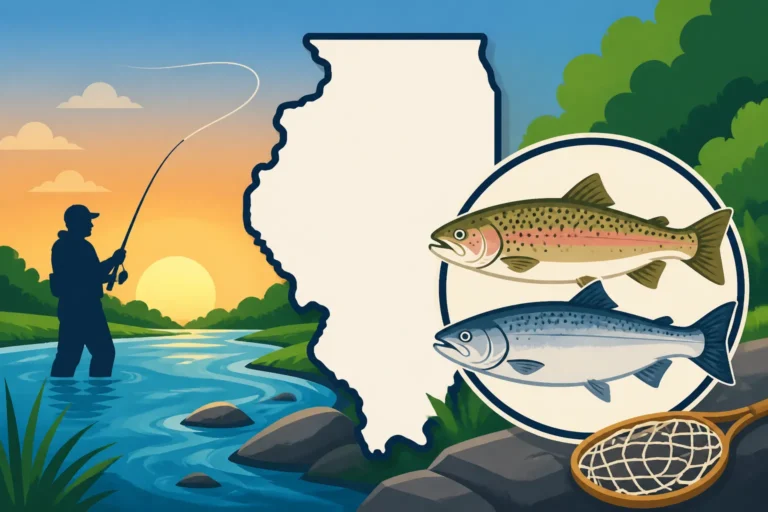
However, it's crucial to understand that while the annual license covers general fishing, it doesn't automatically include everything. For instance, if you're planning to target trout in stocked waters or go after salmon and trout in Lake Michigan, you'll need additional stamps. These stamps are like endorsements on your main license, specifying your intent to fish for those particular species in specific locations. Think of it as your base pass, with optional upgrades for specialized experiences. It simplifies the process by giving you one primary document, but requires you to be aware of any extra endorsements you might need for specific fishing pursuits.
Key Differences from Resident Licenses
The most glaring difference between a nonresident and a resident fishing license in Illinois is, undoubtedly, the price. Residents, who contribute to the state's tax base year-round, typically enjoy significantly lower fees for their annual licenses. This disparity in cost is a common practice across states, designed to ensure that those who are not contributing to the state's resources through taxes still help fund the management and conservation of its natural resources. It’s a way of balancing the books and ensuring that the burden of maintaining healthy fisheries isn't solely on the shoulders of Illinois taxpayers.
Beyond the cost, the application process itself is largely similar, but verifying residency is a key step. Nonresidents will typically need to provide proof of out-of-state residency, such as a valid driver's license from their home state. For residents, there are also special considerations like the Illinois Senior Fishing License Discounts for Ages 65 to 74 or even the Illinois Super Senior Fishing License for Ages 75 and Up, which aren't available to nonresidents. This highlights the state's commitment to its own citizens, offering them benefits that out-of-state visitors, while welcome, do not receive.
Breaking Down the Annual Nonresident Fishing License Cost
The Standard Annual Fee
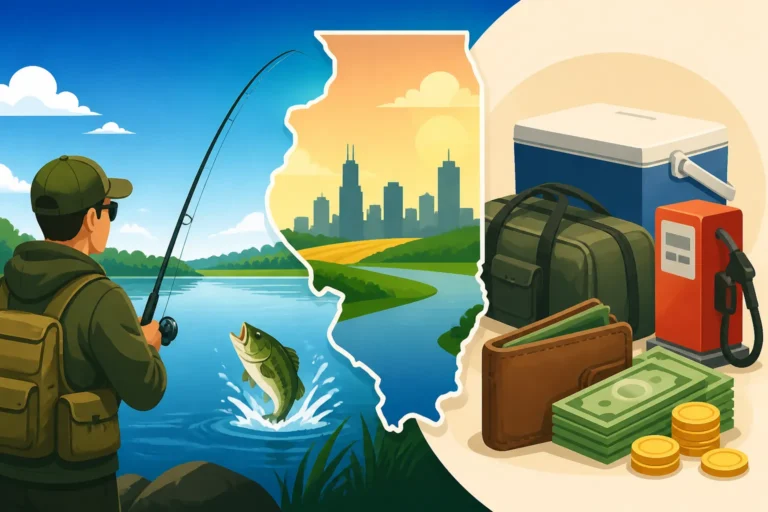
Alright, let's talk numbers, because that's usually the first thing on an out-of-state angler's mind. For the 2024-2025 license year, the standard annual nonresident fishing license in Illinois typically runs around $31.50. Now, this isn't a fixed price that never changes, as these fees can be adjusted by the IDNR periodically, so always double-check the most current information before you buy. This fee applies to any nonresident aged 16 and over. It's a straightforward cost for the general privilege of fishing, much like buying a ticket to a major attraction. While it might seem steep compared to some resident fees, it's pretty competitive with many other states' nonresident annual rates, especially for a state with such diverse fishing opportunities.
When you compare this to what an Illinois resident pays, which is typically $15.00 for their annual license, you can clearly see the difference. This higher fee for nonresidents directly supports the IDNR's extensive work, from fish stocking programs to habitat restoration and enforcement. It’s important to factor this into your fishing trip budget. Even if you're just coming for a quick visit, understanding this baseline cost is the first step in planning your angling adventure without any surprises. For more details on all types of licenses, check out our guide on Illinois Fishing License Costs and Types.
Additional Stamps and Fees
Here's where things can get a little more nuanced, and where many anglers get tripped up. The standard annual nonresident fishing license often isn't the final cost if you plan on pursuing certain species. Illinois requires additional stamps for specific types of fishing:
- Inland Trout Stamp: If you're going after rainbow or brown trout in any of the state's inland lakes or streams that are periodically stocked, you'll need this stamp. It usually adds about $6.50 to your total. This is a common requirement in many states, designed to help fund those specific stocking programs.
- Lake Michigan Salmon Stamp: This one is critical for anyone hoping to tangle with Chinook, Coho, or even larger trout species like Steelhead or Lake Trout in the mighty waters of Lake Michigan. The Lake Michigan Salmon Stamp also costs around $6.50. This fee helps manage that specific trophy fishery, which is a massive draw for anglers from all over.
So, if your dream is to catch some beautiful trout in a well-stocked Illinois pond, or to battle a Salmon on Lake Michigan, you'll need to budget for these extra stamps. Forgetting them could lead to a citation, and nobody wants that on a fishing trip! It's always a good idea to think about your target species and locations before you purchase your license to ensure you have all the necessary endorsements. You can learn more about this specific requirement in our article, Lake Michigan Salmon Stamp Requirements for Anglers.
Total Cost Scenarios for Different Fishing Intentions
Let’s paint a clearer picture of what your total expenditure might look like, depending on your fishing goals:
-
Scenario 1: General Freshwater Fishing
- If you're simply aiming to catch bass, crappie, bluegill, or catfish in the majority of Illinois's lakes and rivers (excluding stocked trout waters or Lake Michigan), your cost will be the standard annual nonresident fishing license fee: ~$31.50. This is your basic package for a wide range of popular fishing.
-
Scenario 2: Inland Trout Fishing
- Planning to hit a put-and-take trout stream or lake? You'll need the annual nonresident license PLUS the Inland Trout Stamp.
- Total Cost:
$31.50 (annual license) + ~$6.50 (Inland Trout Stamp) = **$38.00**.
-
Scenario 3: Lake Michigan Salmon and Trout
- If the allure of Lake Michigan's trophy salmon and trout is calling your name, you'll need the annual nonresident license PLUS the Lake Michigan Salmon Stamp.
- Total Cost:
$31.50 (annual license) + ~$6.50 (Lake Michigan Salmon Stamp) = **$38.00**.
-
Scenario 4: All-Inclusive Angler (Inland Trout & Lake Michigan)
- For the truly ambitious angler who wants to do it all – general fishing, inland trout, and Lake Michigan salmon/trout – you'll need the annual license plus both stamps.
- Total Cost:
$31.50 (annual license) + ~$6.50 (Inland Trout Stamp) + ~$6.50 (Lake Michigan Salmon Stamp) = **$44.50**.
These figures are approximate and can change, so always consult the official Illinois IDNR website for the most current pricing. Understanding these scenarios upfront helps you budget accurately and avoid any unpleasant surprises once you’re ready to hit the water. It’s much like assembling a perfect fishing setup; you need to know all the pieces before you start putting them together.
Comparing Annual vs. Short-Term Nonresident Options
Nonresident 3-Day Fishing License Cost
For those who are only planning a brief visit to the Prairie State, an annual license might feel like overkill. That's where the nonresident 3-day fishing license comes into play, offering a more flexible and often more economical option. This license is perfect for a long weekend trip or a focused angling excursion. The cost for a nonresident 3-day fishing license is typically around $19.50. Similar to the annual license, this fee also requires you to purchase additional stamps if you plan to fish for inland trout or Lake Michigan salmon and trout.
Think about it this way: if you're driving over from Missouri for just three days to fish the Mississippi River for catfish, shelling out for a full annual license might not make sense. The 3-day option provides legal coverage for your specific trip duration at a reduced price. It’s designed for the occasional visitor who wants to enjoy Illinois's waters without the commitment of a full year. However, if your trip extends beyond three days, or if you plan multiple short trips within the license year, the annual license might quickly become the more cost-effective choice. Our article on the Illinois Nonresident 3-Day Fishing License Cost goes into even more detail about this specific option.
Nonresident 24-Hour Fishing License Cost
If your Illinois fishing adventure is truly just a quick stop or a spur-of-the-moment decision, the nonresident 24-hour fishing license is your most budget-friendly option. This license, usually priced around $10.50, grants you fishing privileges for a consecutive 24-hour period. It’s an ideal choice for someone passing through who spots an inviting fishing hole, or for a very focused, short fishing session. Just like its longer-term counterparts, any specific species stamps for inland trout or Lake Michigan salmon/trout would be an additional cost on top of this 24-hour fee.
For example, if you're on a road trip and decide to spend an afternoon fishing a public lake near Springfield, this 24-hour license is perfect. It’s minimal commitment, minimal cost, and gets you legally on the water without a fuss. While it's certainly the cheapest entry point, its limited duration means you need to be strategic about when you activate it. If your plans are at all uncertain or might extend, the 3-day or annual options often provide better value and peace of mind. Our guide on the Nonresident 24-Hour Fishing License Cost can help you decide if this short-term option is right for you.
When an Annual License is the Best Value
Deciding between a 24-hour, 3-day, or annual nonresident license really boils down to your anticipated fishing frequency and duration in Illinois. While the short-term options seem cheaper upfront, the annual license quickly becomes the most economical choice for many visitors. If you plan on making two or more trips to Illinois in a single license year, or if your single trip is longer than three days, the annual license almost always wins out.
Let’s look at a quick comparison:
| License Type | Base Cost (Approx.) | Covers | Break-even Point (compared to 24-hr) | Break-even Point (compared to 3-day) |
|---|---|---|---|---|
| Nonresident 24-Hour | $10.50 | 24 hours | N/A | N/A |
| Nonresident 3-Day | $19.50 | 3 consecutive days | ~2 trips (24-hr) | N/A |
| Nonresident Annual | $31.50 | 1 year | ~3 trips (24-hr) | ~2 trips (3-day) |
As you can see from the table, if you plan three separate 24-hour fishing trips, you'd pay $31.50 ($10.50 x 3), which is already the same as an annual license. If you're staying for more than three days, the annual license is a no-brainer. The convenience of not having to purchase a new license for every outing, coupled with the potential savings, makes the annual nonresident license a smart investment for frequent visitors or those planning extended stays. It also means less administrative hassle and more time for actual fishing!
Where to Purchase Your Illinois Nonresident Fishing License
Online Purchase Process
In today's digital age, the easiest and often most convenient way to secure your Illinois nonresident fishing license is online. The Illinois Department of Natural Resources (IDNR) website provides a user-friendly portal where you can complete the purchase from the comfort of your home, before you even leave for your trip. You'll typically need to create an account, provide some personal identification details (like your name, address, and date of birth), and a valid payment method. Once purchased, you'll receive a digital copy of your license, which you can print out or keep on your smartphone.
This online system is a real game-changer for out-of-state anglers. No more scrambling to find a bait shop or big box store when you arrive, potentially cutting into your valuable fishing time. It also ensures you have your license in hand and understand any additional stamp requirements well in advance. Many anglers even refer to the IDNR site from their phones while already on the road, making it incredibly flexible. Just make sure your phone is charged, or you have a printed backup, as game wardens can and will ask to see proof of your license.
In-Person Retailers
While online is king for convenience, sometimes you just need to pick up a license in person, especially if you're already in Illinois or prefer a physical transaction. Many authorized vendors across the state sell Illinois fishing licenses, including major sporting goods stores like Bass Pro Shops or Cabela's, and numerous local bait and tackle shops. These places are often treasure troves of local fishing knowledge too, so it can be a great opportunity to ask about current bite patterns or hot spots.
When purchasing in person, you'll typically need to bring a valid form of identification, such as your driver's license from your home state, to verify your nonresident status. The process is usually quick and straightforward. You simply tell the clerk what type of license you need (annual, 3-day, 24-hour, plus any stamps), pay the fee, and they'll print it out for you. This option is particularly helpful if you have questions about specific regulations or want to grab some local bait or tackle at the same time. You might even find some handy fishing accessories on Amazon to complement your purchase after getting your license.
Carrying Proof of License
Once you've made your purchase, whether online or in person, the most critical step is ensuring you have valid proof of your license with you whenever you're fishing. Illinois regulations require you to possess your license while engaged in fishing activities. This doesn't mean it has to be a physical paper copy, though many anglers prefer that for simplicity. A clear, readable digital image of your license on your smartphone or another electronic device is generally accepted.
However, a word to the wise: always have a backup plan. Phones can die, screens can crack, and signal can be spotty in remote areas. A printed copy tucked into your tackle box or wallet is never a bad idea. Imagine a game warden asking for your license, and your phone just decided to die – that's a frustrating situation that could lead to a citation for Penalties for Fishing Without a License in Illinois. While rare, it's best to be prepared. Ultimately, having readily accessible proof of your valid license is your responsibility and key to an enjoyable, stress-free fishing trip in Illinois.
Common Questions and Misconceptions for Nonresident Anglers
Reciprocity with Bordering States
One of the most frequent questions from nonresident anglers, especially those living near Illinois's borders, is about license reciprocity. Do you need an Illinois license if you're fishing a shared body of water, like the Mississippi River? This can be a real head-scratcher. The general rule of thumb is that no, Illinois does not have full license reciprocity agreements with all its neighboring states for all waters. This means that if you're fishing on Illinois waters, even if they border another state, you almost always need an Illinois fishing license.
However, there are specific exceptions and agreements for certain shared boundary waters. For example, specific reciprocal agreements might exist for portions of the Mississippi River with states like Iowa and Missouri, or the Wabash River with Indiana. These agreements are usually very specific to particular stretches of water and may have conditions. It’s absolutely crucial to check the most current IDNR regulations or consult our specific guides like Illinois Fishing License Reciprocity With Iowa or Illinois Fishing License Reciprocity With Missouri before assuming your home state license is valid. Assuming incorrectly could lead to a fine, even if you had good intentions. Always confirm, because the rules aren't always intuitive!
Free Fishing Days for Nonresidents
Illinois does offer annual "Free Fishing Days" or "License-Free Weekends," typically coinciding with Father's Day weekend in June. This is a fantastic opportunity for anyone, including nonresidents, to fish Illinois waters without needing a fishing license or an inland trout stamp. This program is designed to encourage people to try fishing, introduce kids to the sport, and simply enjoy the state's natural beauty without the barrier of a license fee. It’s a truly generous gesture by the state to promote outdoor recreation.
However, it's vital to remember that while the license requirement is waived during these specific days, all other fishing regulations still apply. This includes daily catch limits, size restrictions, and specific rules for certain bodies of water. You still need to adhere to the Illinois Fishing Season and Catch Limit Rules. So, while you can save on the license cost, don't throw caution to the wind on regulations. These days are clearly publicized, and they are a perfect chance for nonresidents to sample Illinois fishing and see if an annual license might be worth it for future trips. Our guide, Illinois Free Fishing Days and License-Free Weekends, has all the up-to-date details.
Special Rules for Tournament Anglers
For nonresident anglers who participate in fishing tournaments in Illinois, the standard annual nonresident fishing license is still a fundamental requirement. Your participation in a tournament does not exempt you from needing a valid state fishing license. In fact, tournament organizers often require proof of a valid license during registration or weigh-ins. Beyond the standard license, there might be additional permits required for the tournament itself, especially for larger, organized events, but these are typically handled by the tournament director, not the individual angler.
It's a common misconception that because you're part of a sanctioned event, some rules might be relaxed. This is generally not the case for individual licensing. If you're coming from out of state to compete in a bass tournament on Lake Shelbyville or a walleye tournament on the Mississippi River, you must have your Illinois nonresident fishing license. Always communicate with the tournament organizers about any specific requirements they might have in addition to the state's standard regulations. For more detailed information specific to competitive angling, refer to our article on Illinois Tournament Angler License Rules. Being prepared with your license means you can focus entirely on the competition, not on potential legal issues.
Why Nonresidents Pay More: The Rationale Behind the Cost
Funding Conservation Efforts
It might feel a bit unfair to pay more as a nonresident, but there's a very clear and important reason behind it: conservation funding. The money generated from fishing license sales, especially from nonresident fees, is a crucial source of revenue for the Illinois Department of Natural Resources (IDNR). These funds are directly channeled into programs that maintain and improve the state's aquatic ecosystems. This includes everything from stocking fish in public waters, conducting surveys to monitor fish populations, and habitat restoration projects that ensure fish have healthy places to spawn and thrive.
When you purchase a nonresident license, you are directly contributing to the sustainability of the very resources you are enjoying. This isn't just a random tax; it's an investment in the future of Illinois fishing. Without these funds, the state would struggle to manage its vast network of lakes and rivers, leading to depleted fish stocks and less enjoyable fishing experiences for everyone, residents and nonresidents alike. So, while the cost might sting a little, remember you're playing an active role in keeping Illinois's waters vibrant and productive.
Economic Impact and Resource Management
Beyond direct conservation, the higher nonresident fees also reflect the broader economic impact and the intensive management required for recreational fishing. Illinois invests significantly in maintaining public access points, boat ramps, fisheries research, and wildlife law enforcement. While residents contribute to these services through various state and local taxes, nonresidents typically do not. The fishing license fee, therefore, serves as a way for visitors to contribute their fair share to the infrastructure and oversight that makes their fishing trips possible and enjoyable.
Think about the effort involved in maintaining popular spots like Rend Lake or the Illinois River. These areas require ongoing monitoring, maintenance, and strategic planning to handle fishing pressure and ensure environmental health. Nonresident anglers, while bringing tourism dollars, also add to the pressure on these resources. The license fee helps offset that impact and ensures that the state can continue to offer high-quality fishing opportunities without overburdening its resident taxpayers. It's a pragmatic approach to resource management that recognizes the diverse needs and contributions of all who utilize the state's natural assets.
Fairness in Contribution
Ultimately, the differential pricing between resident and nonresident fishing licenses comes down to a principle of fairness in contribution. Illinois residents pay state taxes that contribute to a wide array of public services, including the IDNR's operations and natural resource management. When a nonresident comes to fish, they are utilizing these same public resources and services without having contributed to the state's general fund in the same manner as a resident. The higher license fee serves as an equitable way to ensure everyone who benefits from Illinois's managed fisheries contributes proportionally.
This isn't unique to Illinois; it's a standard practice across almost every state in the U.S. and even in many countries worldwide. It reflects the understanding that while tourism and visitor engagement are valued, the long-term stewardship of natural resources falls primarily to the state and its permanent inhabitants. By paying the nonresident fee, you're not just buying a permit; you're joining a collective effort to sustain Illinois's beautiful and productive waterways for generations of anglers to come. You can even find essential items like fishing line, lures, and tackle boxes on Amazon to get ready for your trip, knowing your license contributes to the bigger picture.
Navigating the License Year and Beyond
Understanding the Illinois License Year
It’s helpful to know that the Illinois fishing license year operates on a specific schedule that might differ from what you’re used to in other states. Instead of following the calendar year, Illinois fishing licenses typically run from April 1st through March 31st of the following year. This means that if you purchase an annual nonresident license in, say, September, it will still expire on March 31st. This is an important detail for planning your trips and ensuring your license is always current. Many anglers get caught off guard assuming a license is valid for a full 12 months from the purchase date.
So, if you buy your annual nonresident fishing license in February, it will only be valid for a little over a month before you need to renew it for the next license year starting April 1st. This is why it’s crucial to check the valid dates displayed on your license. If you're planning a trip around the changeover period, like late March or early April, you might need to purchase the current year's license and the upcoming year's license to cover your entire stay. Knowing how the Illinois License Year Starts on March 1, 2026 (though fishing privileges technically begin April 1st) can save you a lot of grief.
Planning for Future Trips and Renewals
Once you've experienced the fantastic fishing Illinois has to offer, you'll likely want to come back! Planning for future trips means keeping an eye on your license expiration date. As mentioned, all annual licenses expire on March 31st, regardless of when they were purchased within that license year. The good news is that renewing your Illinois nonresident fishing license is just as easy as purchasing it the first time, especially if you do it online. The IDNR website retains your information, making the renewal process quick and efficient.
It's a good practice to set a reminder on your phone or calendar for late March each year, just to ensure you're covered for the upcoming season. Don't wait until the last minute, especially if you plan an early April fishing trip. Proactive renewal means you're always ready to hit the water without interruption. Plus, keeping your license current helps you avoid any potential citations for an expired license, which can certainly put a damper on your fishing fun. Having a reliable fishing app on your phone that can store your license digitally and remind you of renewals can be incredibly helpful – and you can usually find great fishing apps to pair with your gear purchased from Amazon.
Essential Information for a Smooth Nonresident Fishing Experience
Checking Statewide and Site-Specific Regulations
Beyond just getting your license, understanding the actual fishing rules is paramount for any angler, especially nonresidents who might not be familiar with Illinois-specific nuances. While your annual nonresident license gives you the general right to fish, it doesn't automatically educate you on the intricacies of statewide regulations, let alone the often-varying site-specific rules. Illinois has a comprehensive set of rules regarding species size limits, daily bag limits, and even methods of take that can differ significantly from lake to lake or river to river.
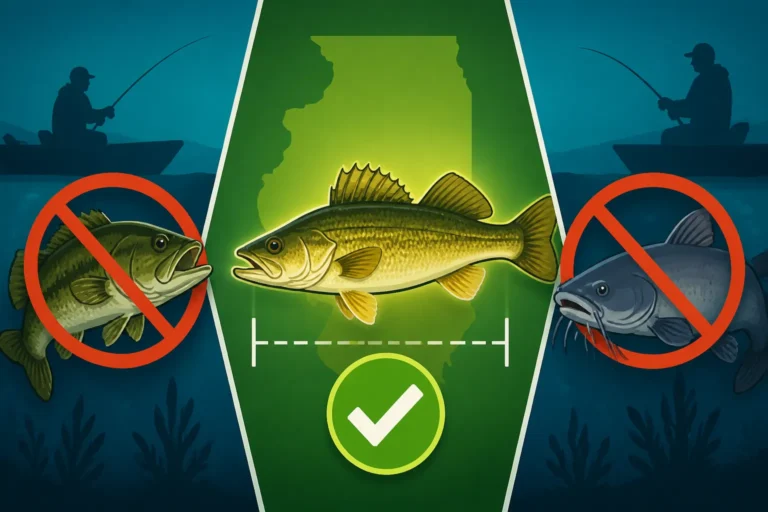
It's your responsibility to be informed. The Illinois Department of Natural Resources publishes an annual Fishing Information Guide, which is your best friend for navigating these rules. You can find it online on the IDNR website, and often in print at license vendors. Before heading to a new spot, always take a few minutes to check the specific regulations for that body of water. For example, some lakes might have a 14-inch minimum size limit for bass, while others could be catch-and-release only during certain periods. Our article Why Fishing Rules Vary by Lake and River can shed more light on this complexity, but a quick search online for "Illinois fishing regulations [name of lake/river]" is always a smart move.
Respecting Property Rights and Access Points
As a nonresident angler, being mindful of property rights and designated access points is not just a matter of courtesy, but also a legal obligation. Not all water bodies in Illinois are publicly accessible, and even on public waters, the land surrounding them might be private property. Always ensure you are accessing the water from a legal and designated public access point, such as a state park boat ramp, a public pier, or a clearly marked public bank fishing area. Trespassing, even unintentional, can lead to legal issues and damages the reputation of anglers as a whole.
When using public access points, be respectful of the facilities and other users. Keep the area clean, dispose of your trash properly, and follow any posted rules regarding parking, boat launching, or hours of operation. If you're unsure about access to a particular spot, it's always best to err on the side of caution and find an alternative. Maintaining good relationships with landowners and local communities ensures that fishing access remains open and welcoming for everyone. You can often find great information about specific lake access points and amenities on the IDNR website or by searching for Best Boat Ramps for Fishing in Illinois.
The Importance of Ethics and Responsible Angling
Beyond the legal requirements of licensing and regulations, practicing ethical and responsible angling is crucial for preserving Illinois's fisheries for generations to come. This means more than just adhering to catch limits; it encompasses everything from proper fish handling to environmental stewardship. If you practice catch and release, learn the proper techniques to minimize stress and injury to the fish, ensuring their survival. Use appropriate tackle for the species you're targeting, and avoid leaving behind fishing line, hooks, or other debris that can harm wildlife.
Responsible angling also includes being considerate of other users of the waterways – boaters, kayakers, swimmers, and even other anglers. Share the space, maintain safe distances, and keep noise levels reasonable. By demonstrating respect for the environment and for others, nonresident anglers can contribute positively to the fishing community and ensure that their visits are welcomed. Your presence here, contributing through your license purchase and adhering to these principles, reinforces the value of recreational fishing to the state and its inhabitants.
Disclaimer
Please remember that fishing regulations and license costs can change. While this guide provides the most current information available at the time of writing, it is always your responsibility to consult the official Illinois Department of Natural Resources (IDNR) website or their annual Fishing Information Guide for the latest and most accurate regulations before you head out to fish. This guide is for informational purposes only and should not be considered legal advice.