Why Walleye Has a Size Rule but Bass and Catfish Don’t
It can be incredibly confusing, can't it? You head out to your favorite fishing hole in Illinois, ready to cast for whatever bites, only to find that the rules for keeping fish seem to be all over the map. One moment, you're hearing about a strict 14-inch minimum for walleye, and the next, someone's telling you there's no size limit at all for that bass or catfish you just landed. This guide is here to clear up that head-scratching mystery, explaining why different species like walleye, bass, and catfish have such varied length regulations across Illinois waters.
Understanding the Rationale Behind Fish Size Limits
When you're out on the water, the Illinois Department of Natural Resources (IDNR) isn't just making up rules to keep anglers on their toes. Every single regulation, especially those concerning length and daily catch limits, is carefully crafted based on biological data, population health, and the unique challenges faced by different fish species in specific water bodies. It's all about ensuring sustainable fishing for generations to come, balancing angler enjoyment with conservation.
Protecting Vulnerable Populations and Spawning Success
Some fish species are naturally more vulnerable to overfishing, grow slower, or take longer to reach reproductive maturity. Walleye, for instance, often fall into this category. They are highly sought after by anglers, but their populations can be slower to rebound if too many young fish are harvested before they've had a chance to spawn. By implementing a minimum size limit, the IDNR aims to protect these younger fish, giving them a chance to contribute to the next generation of walleye. Think of it as a long-term investment in the fishery. If you want to dive deeper into how these rules are established, checking out resources like the official Illinois Fishing Regulations Overview can be really insightful.
Managing Growth Rates and Population Density
Another key factor is how quickly a species grows and reproduces within a given environment. A lake with abundant food and perfect habitat might produce fast-growing fish, while another might see slower growth. Regulations can be tailored to these specific conditions. For species that reproduce rapidly and can easily overpopulate a water body, a lack of a minimum size limit can actually encourage anglers to harvest more fish, which helps manage the overall population density and ensures that the remaining fish have enough resources to grow larger. It's a delicate balance, and what works for one lake or river might not work for another. This is why you'll often hear about how fishing rules vary by lake and river, making local research crucial.
Why Walleye Often Have a Minimum Size Limit
Let's get straight to the walleye. If you've spent any time chasing these delicious fish in Illinois, you've almost certainly encountered a minimum size restriction. This isn't arbitrary; it's a calculated conservation strategy.
Walleye Biology and Reproductive Cycles
Walleye are a prized game fish, known for their elusive nature and fantastic table fare. However, they're also a species that can be quite sensitive to fishing pressure. In many Illinois waters, walleye populations are maintained through stocking programs rather than relying solely on natural reproduction. These stocked fish need time to grow to a harvestable size and, critically, to reach sexual maturity and spawn at least once.
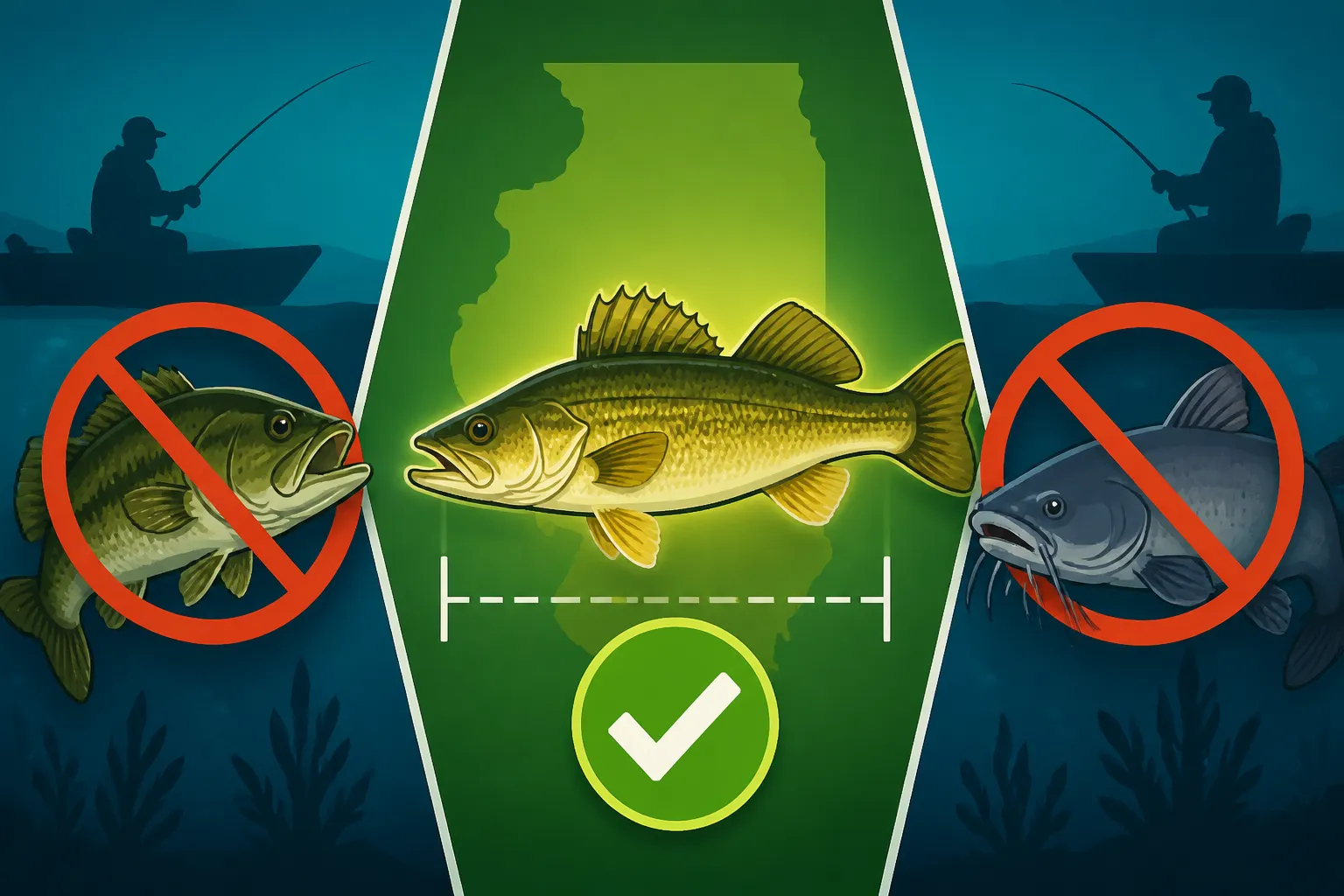
A typical statewide regulation for walleye in Illinois mandates a 14-inch minimum length. This Walleye Size Rule That Applies Across the Whole State is designed to ensure that most walleye have at least one opportunity to reproduce before they are kept. This directly supports future generations of walleye. Without such a rule, anglers might harvest smaller, immature fish, depleting the breeding stock and forcing the IDNR to increase stocking efforts significantly, which isn't always sustainable or cost-effective. Sometimes, you'll even find specific lakes or rivers with different, even stricter, walleye regulations, like a 16-inch minimum or slot limits, depending on the specific management goals for that fishery.
The Impact of Fishing Pressure on Walleye Stocks
Walleye are highly sought after, leading to considerable fishing pressure. From specialized trolling setups on Lake Michigan to jigging techniques on inland lakes, anglers are actively targeting them. This heavy pursuit makes them more susceptible to overharvest if left unchecked. The 14-inch minimum size helps to spread out the catch across different age classes. It allows a good number of fish to survive several seasons, contributing multiple times to the spawning population before they are large enough for anglers to legally keep. This creates a more robust and resilient fishery over time. So, next time you're out there, measuring your catch with a reliable fish ruler (you can find plenty of good options on Amazon), remember you're contributing to healthy walleye populations by adhering to these important limits.
Bass and Catfish: Different Management Strategies
Now, let's turn our attention to bass and catfish. While these species are also incredibly popular with Illinois anglers, their statewide length regulations often look quite different from walleye, reflecting their distinct biology and population dynamics.
Largemouth and Smallmouth Bass
For many years, across most Illinois public waters, there has been no statewide minimum size limit for Largemouth Bass. While a daily catch limit of six fish is common, the absence of a minimum size for Largemouth Bass in many general regulations might surprise some anglers. The same often holds true for smallmouth bass in many parts of the state.
The reason for this lies in their biology. Largemouth and Smallmouth Bass are prolific spawners, capable of reproducing in large numbers relatively quickly. They also tend to grow faster than walleye in many Illinois waters. Instead of a blanket minimum size, bass management often focuses on site-specific regulations, especially slot limits, to fine-tune the fishery. For instance, a lake might have a 14 to 18-inch slot limit, meaning you can only keep fish outside of that size range. This type of regulation is designed to protect larger, prime breeding fish, while encouraging harvest of smaller fish (to reduce competition and promote growth) and trophy-sized fish (if the goal is a trophy fishery). You'll frequently see these detailed rules when checking the specific regulations for the best bass fishing lakes in Illinois.
Channel, Flathead, and Blue Catfish
Catfish are a whole different beast—literally! Illinois is home to several catfish species, including the ubiquitous channel catfish, the massive flathead catfish, and the impressive blue catfish. For these species, statewide regulations often feature generous daily limits but, in most cases, no minimum size limit at all. For example, the Illinois Channel Catfish Daily Limit of 20 Fish is common, and you can keep them at any size. Similar liberal rules apply to other species, like the Illinois Flathead Catfish Limit of 10 Fish Per Day.
Why the leniency? Catfish are incredibly hardy, highly adaptable, and generally fast-growing. They can thrive in a wide range of water conditions and often reproduce successfully without much intervention. In many Illinois rivers and lakes, catfish populations are robust and can sustain significant angling pressure without suffering population declines. In fact, in some situations, harvesting smaller catfish can actually benefit the overall fishery by reducing competition for food and allowing the remaining fish to grow larger. This is especially true for channel catfish, which can become overpopulated in certain ponds and lakes if not adequately harvested. So, if you're wondering Is There a Size Limit on Catfish in Illinois? the answer is generally no, not a statewide minimum like walleye. However, always remember to check the specific body of water you're fishing, as local exceptions can exist.
Where to Find Specific Lake and River Regulations
The Illinois Fishing Information Guide, which covers the period from April through March of the following year, is your absolute best friend when it comes to understanding fishing regulations. It's available online through the IDNR website and often at local bait shops or sporting goods stores like those you might find advertised on Amazon. Relying solely on general statewide rules can lead to mistakes, especially when you're targeting specific species in specific locations.
Checking Site-Specific Rules Before You Cast
Before every fishing trip, it's a good habit to consult the latest guide or the IDNR website for the particular lake, river, or stream you plan to fish. Many popular fishing spots have their own unique set of regulations that supersede the general statewide rules. This could include:
- Different Minimum Lengths: A lake known for trophy bass might have a 16-inch minimum, even if the statewide rule has no minimum.
- Slot Limits: As mentioned earlier for bass, where only fish within or outside a certain size range can be kept.
- Increased or Decreased Daily Limits: Some lakes might have reduced daily limits for a specific species if their population is struggling or being managed for larger fish. Conversely, some waters might have increased limits for prolific species to encourage harvest.
- Catch-and-Release Only Periods: Certain species in particular waters might be designated as catch-and-release only during specific times of the year, often during spawning seasons.
Understanding how to Find the Rules for a Specific Illinois Fishing Spot is paramount to being a responsible and legal angler. Ignorance of the law is never an excuse, and a quick check can save you a lot of hassle—and potential fines—down the road. Plus, it just makes you a better, more informed angler, allowing you to appreciate the specific management goals for your favorite waters.
The Importance of an Up-to-Date Guide
Fishing regulations aren't set in stone; they can change from year to year based on biological surveys, environmental factors, and angler feedback. Always make sure you're looking at the current year's regulations. The Illinois Fishing Information Guide Covers April 2026 Through March 2027, so you need to be aware of which edition you're referencing. Getting caught with an undersized walleye because you were relying on last year's guide is a frustrating, and avoidable, mistake. Most digital versions of the guide are easily accessible on your phone, making it simple to double-check regulations right from the bank or boat. Even if you've been fishing the same lake for decades, a quick refresh of the rules is always a smart move.
Comparative Table of Illinois Statewide Regulations (General)
To help illustrate these differences, here's a general overview of common statewide regulations for these species. Please remember that site-specific rules can and often do override these general guidelines, so always check the source for your specific fishing location.
| Species | Typical Statewide Minimum Size | Typical Statewide Daily Limit | Rationale for Regulation |
|---|---|---|---|
| Walleye | 14 inches | 6 fish | Protects juvenile fish, allows spawning, supports stocked populations |
| Largemouth Bass | No minimum (often site-specific) | 6 fish | Manages population density, allows for diverse local management |
| Smallmouth Bass | No minimum (often site-specific) | 6 fish | Similar to Largemouth, flexibility for various habitats |
| Channel Catfish | No minimum | 20 fish | High reproduction, abundant, encourages harvest to manage density |
| Flathead Catfish | No minimum | 10 fish | Hardy species, often managed by daily limit to distribute harvest |
| Blue Catfish | No minimum | 20 fish | Robust populations, supports diverse angler preferences |
Note: This table provides general statewide guidelines. Always verify current regulations for the specific water body you are fishing as local rules can vary significantly.
Ultimately, the differing size limits for walleye, bass, and catfish in Illinois aren't just arbitrary rules. They are carefully considered tools used by wildlife managers to maintain healthy, sustainable fisheries for all of us to enjoy. By understanding the 'why' behind these regulations and always doing your due diligence to check the specific rules for your chosen fishing spot, you're not just staying legal, you're becoming a more responsible and effective angler. Happy fishing, and tight lines!
Disclaimer
The information provided in this guide is for general informational purposes only and is not intended as legal advice. Fishing regulations in Illinois can change frequently and vary significantly by specific water body. It is the sole responsibility of every angler to consult the current official Illinois Fishing Information Guide published by the Illinois Department of Natural Resources (IDNR) or check the IDNR website for the most up-to-date and accurate regulations before engaging in any fishing activity. Failure to do so may result in fines or other penalties.