Illinois Fishing License Rules for Children
One of the biggest head-scratchers for parents and guardians who love to fish, or who are just trying to introduce their kids to the joys of angling, is figuring out the confusing web of fishing license requirements. You want to do the right thing, avoid any fines, and make sure your family outing goes smoothly, but sometimes it feels like you need a law degree just to understand if your little one needs a license. Don't worry, you're not alone in that frustration. This guide is here to clear up all the specific Illinois fishing license rules for children, helping you understand exactly when and if your child needs a permit, what to consider as they grow, and how to make fishing a fun, legal, and stress-free experience for the whole family.
Understanding Illinois's Youth Fishing License Exemptions
It’s easy to get tangled up in the rules, especially when it comes to kids. Many states have different age cut-offs, and Illinois is no exception. The good news is that for younger anglers, the state makes it pretty simple to get started without needing to buy a license right away. This approach is designed to encourage youth participation in outdoor activities and make it easier for families to enjoy fishing together.
Age Cut-Off for License Requirements
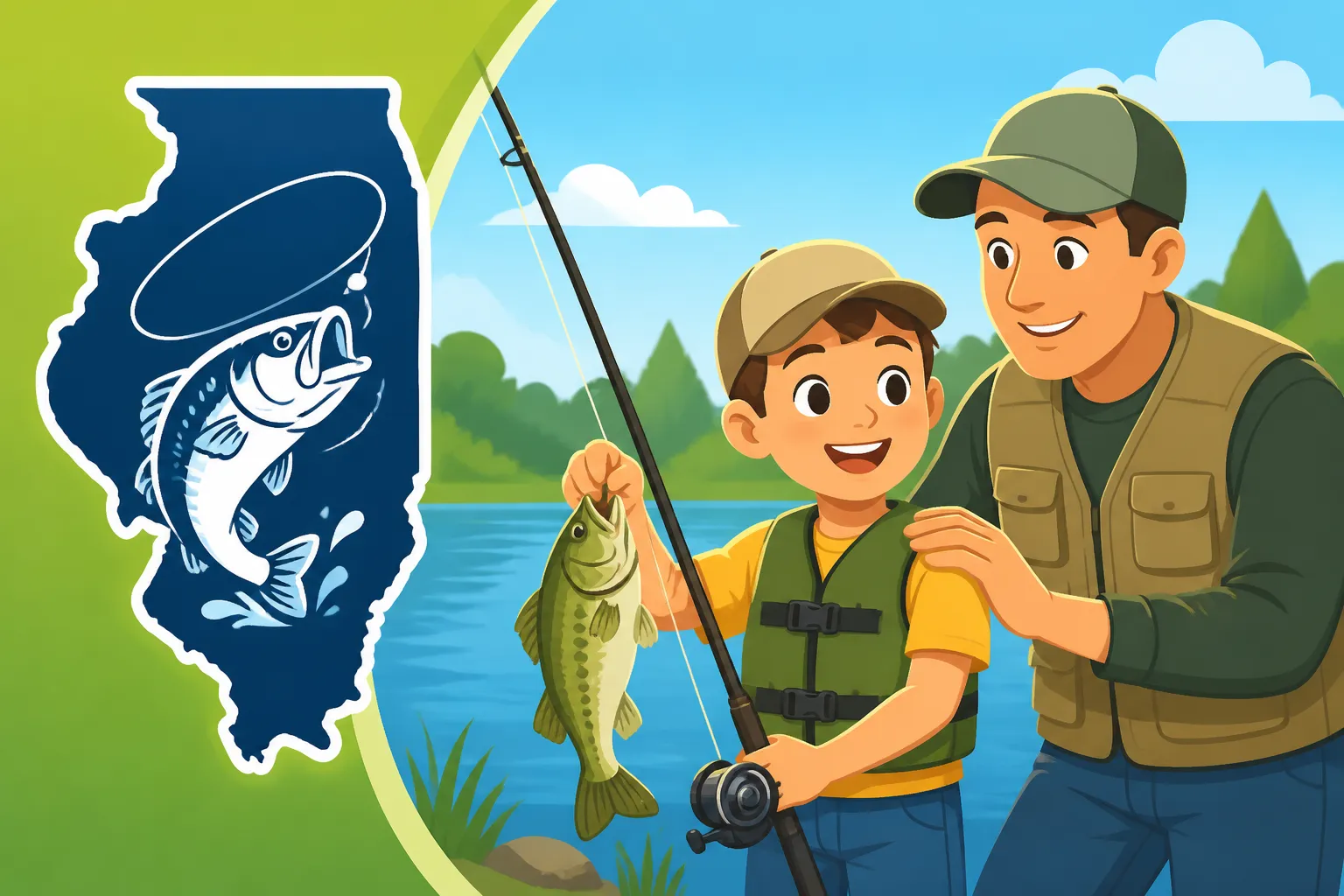
In Illinois, the rule of thumb is quite straightforward: any resident of Illinois who is under the age of 16 does NOT need a fishing license. This is fantastic news for families with younger children, as it removes one barrier to getting them out on the water. So, if you're planning a trip to your local pond or a larger reservoir like Rend Lake, and your child is 15 or younger, you can breathe a sigh of relief on the license front. They're good to go! This exemption applies whether they're fishing from the bank, a pier, or a boat.
However, it's crucial to remember that while the child might not need a license, any accompanying adult who is 16 years or older will need one. This includes parents, grandparents, or guardians who are actively fishing or assisting in a way that constitutes fishing themselves. The idea is to make fishing accessible for kids, not to provide a loophole for unlicensed adults. This also simplifies things when you're thinking about how to Get an Illinois Fishing License.
The Rationale Behind Youth Exemptions
The Illinois Department of Natural Resources (IDNR) implements these age-based exemptions with a clear goal in mind: to foster a love for fishing and the outdoors in the next generation. Think about it—if every child, no matter how young, needed to purchase a separate license, it could become a financial burden for larger families or a bureaucratic hurdle for casual outings. By removing this requirement for those under 16, the state encourages parents and guardians to introduce their kids to fishing without worrying about extra costs or paperwork for the little ones.
This policy also recognizes that younger children often require significant adult supervision and assistance, meaning they aren't typically fishing independently in the same way an adult would. It's an investment in the future of Illinois fishing, hoping that positive early experiences will lead to a lifetime of ethical angling and conservation practices. It’s all about making those first memories of catching a bluegill or a small bass as enjoyable and unencumbered as possible, laying the groundwork for a lifelong passion.
What Happens When Kids Turn 16: Transitioning to an Adult License
The day will come when your young angler celebrates their 16th birthday, and suddenly, the rules change a bit. This transition from license-exempt youth to required-license adult can catch some families off guard, but with a little preparation, it’s a smooth process. It’s important to understand that this age isn't arbitrary; it marks the point where the state officially considers an individual responsible for obtaining their own fishing privileges.
Preparing for the First Adult License Purchase
When your child is approaching their 16th birthday, it’s a good idea to start talking about what it means to be a licensed angler. This isn't just about buying a piece of paper; it’s about understanding the responsibilities that come with it, including adhering to statewide fishing limits and regulations. The Illinois fishing license year operates from April 1st through March 31st of the following year, so it's a good idea to align their first purchase with the start of the new license year if their birthday falls around that time.
The process for them to get their first license is the same as for any adult. They can purchase an Illinois Resident Annual Fishing License Cost online, at a licensed vendor (like a bait shop or sporting goods store), or through the IDNR office. You might need to have their Illinois driver's license or state ID card handy for proof of residency and age. Teaching them how to How to Buy an Illinois Fishing License Online can also be a valuable lesson in self-sufficiency. This is a great opportunity to teach them about the importance of supporting conservation efforts through license fees.
License Options for Young Adults 16-17 Year Olds
Once a child turns 16, they are generally required to purchase a standard Illinois Resident Annual Fishing License. There aren't special "youth adult" licenses; they simply fall into the general resident category. The cost is the same as for any other adult resident. However, it's worth noting that if they are only going to fish for a very short period, say a weekend trip, they might consider a 24-hour fishing license as a temporary option, though the annual license usually offers the best value for frequent anglers.
It’s also crucial to remember that certain types of fishing, like targeting trout in stocked waters or salmon and trout in Lake Michigan, require additional stamps on top of the base fishing license. For example, if your 16-year-old is joining you on a Lake Michigan salmon charter, they'll need the proper base license and a Lake Michigan Salmon Stamp. Always double-check the specific requirements for the type of fish and body of water they plan to target to ensure they have all the necessary permits. Getting familiar with the various Illinois Fishing License Costs and Types can prevent any last-minute surprises.
Important Considerations for Taking Kids Fishing
While the license exemption for younger kids simplifies things, there are still crucial aspects to consider when bringing children along for a fishing trip. Safety, legal compliance, and fostering a positive experience should always be top priorities, regardless of whether a license is required.
Adult Supervision and Responsibility
Even if your child doesn't need a license, the responsibility for their actions and adherence to Illinois Fishing Regulations Overview falls squarely on the shoulders of the supervising adult. This means that if your 10-year-old accidentally keeps an undersized bass or exceeds a daily catch limit, you, as the licensed adult in charge, could be held accountable. It's your job to teach them the rules and ensure they follow them. This includes helping them identify fish species, understand length and creel limits, and practice responsible catch-and-release if applicable.
Beyond the legalities, adult supervision is paramount for safety. Young children can quickly get into trouble near water, whether it's falling in, getting tangled in fishing line, or mishandling hooks. An attentive adult can prevent accidents, teach proper casting techniques, and make the overall experience much more enjoyable and educational. It's about being present and engaged, not just physically there.
Carrying Proof of Age
While the IDNR might not explicitly state that a child needs to carry proof of age for the under-16 exemption, it's always a good idea to have some form of identification readily available, especially for children who are close to the 16-year-old cut-off. A game warden (Conservation Police Officer) has the right to verify an angler's age if there's any doubt about their license exemption status.
For younger kids, this might simply mean having a parent's ID handy and being able to verbally confirm their birthdate. For a 14 or 15-year-old who might look older, carrying a school ID, a copy of their birth certificate, or even a state-issued non-driver ID can prevent any unnecessary delays or questions. It's all about making the interaction with law enforcement smooth and swift, allowing you to get back to fishing without a hitch.
Special Stamps for Youth Anglers
This is where it can get a little tricky and often causes confusion. The general rule for Illinois is that if a person is exempt from needing a basic fishing license, they are also exempt from needing additional stamps like the Illinois Trout and Salmon Stamp Requirements or the Lake Michigan Salmon Stamp. So, if your child is under 16 and doesn't need a base license, they typically do not need these extra stamps either, even if they're actively targeting trout or salmon.
However, it's always wise to double-check the most current regulations, as rules can sometimes change or have specific nuances. The Illinois Fishing Information Guide, which is updated annually, is your best friend for verifying these details. The intent behind these stamp exemptions for youth aligns with the overall goal of encouraging young people to participate in fishing without adding financial or bureaucratic barriers.
Beyond the License: Essential Gear and Safety for Young Anglers
Getting kids hooked on fishing involves more than just understanding license rules; it's also about equipping them properly and ensuring their safety. The right gear can make a huge difference in their enjoyment and success, and safety measures are non-negotiable whenever you're near the water.
Kid-Friendly Fishing Gear
Starting a child with appropriate fishing gear is key to making the experience fun and preventing frustration. Forget those adult-sized rods and complicated baitcasters for their first trip. Instead, look for:
- Spincast Rod and Reel Combos: These are often called "push-button" reels and are incredibly easy for small hands to operate. Brands like Zebco have been making reliable spincast combos for kids for decades. They reduce tangles and make casting much simpler. You can find a wide variety of these combos on Amazon, often brightly colored to appeal to kids.
- Short, Lightweight Rods: A 4 to 5-foot rod is much easier for a child to handle than a longer adult rod. Look for something lightweight so their arms don't get tired quickly.
- Simple Tackle: Start with basic bobbers, small hooks (size 8-12), and an assortment of sinkers. Live bait like worms or crickets are often the Easiest Fish to Catch for Beginners, as they are irresistible to panfish. A small tackle box that they can call their own, perhaps filled with a few colorful lures purchased from Amazon, can also add to the excitement.
- A Net: A small landing net can help secure fish once they're reeled in, reducing the chance of dropping a flopping fish and making the experience less intimidating for a child.
- Pliers/Forceps: Essential for safely removing hooks from fish, especially for those smaller panfish with tiny mouths.
The goal is to set them up for success and make fishing enjoyable, not a wrestling match with oversized gear. Consider exploring options for a Best Panfish Setup for Kids to get them started right.
Boating Safety and Life Jacket Rules for Children
Safety around water is paramount, and this is especially true when fishing with children, whether from a boat, a dock, or the shoreline. In Illinois, specific rules are in place regarding life jackets (Personal Flotation Devices or PFDs) for young boaters:
- Children under 13 must wear a U.S. Coast Guard-approved PFD at all times while on a recreational vessel underway. This means if the boat is moving under power or sail, or even drifting, any child under 13 must have their life jacket on and properly fastened. This rule applies to all recreational waters of Illinois, including private lakes, and is a critical component of Illinois Life Jacket Rules for Children Under 13.
- Proper Fit is Crucial: A life jacket is only effective if it fits correctly. It should be snug but comfortable, and not ride up around their ears when you lift them by the shoulders of the jacket. Ill-fitting life jackets can be dangerous.
- Lead by Example: Adults should also wear life jackets, especially if they are not strong swimmers or are in rough water. Seeing adults wear PFDs normalizes the practice for children and reinforces its importance.
- Beyond the Boat: Even when fishing from a bank or pier, consider having younger children wear a life jacket, especially if they are close to deep or fast-moving water, or if they can't swim. Drowning can happen quickly and silently.
Always carry extra PFDs on board for any unexpected guests, and regularly check that all life jackets are in good condition and readily accessible. Safety first ensures everyone can focus on the fun of catching fish.
Free Fishing Opportunities for Illinois Families
Illinois offers some fantastic initiatives that make fishing even more accessible and affordable for families, particularly when it comes to the question of licenses. These opportunities are perfect for introducing new anglers to the sport or for families looking for a budget-friendly outing.
Illinois Free Fishing Days: A Perfect Opportunity
Perhaps the most well-known and appreciated initiative for families is the annual Illinois Free Fishing Days. Each year, typically around Father's Day weekend, the IDNR designates several days when anyone – residents and non-residents alike – can fish without a fishing license or a salmon/trout stamp. This is an incredible chance to take the entire family, regardless of age, to the water for a day of fishing without the usual licensing requirements.
The specific dates for these events are announced well in advance, and you can usually find them on the IDNR website. For instance, you can look up the Illinois Free Fishing Days 2026 Dates. During these days, all other fishing regulations, such as daily catch limits, length limits, and site-specific rules, still apply. It's a fantastic program designed to introduce new people to fishing, provide an easy entry point, and celebrate the angling tradition in Illinois. Mark your calendar and make it a family tradition!
Designated Free Fishing Areas (Certain Waters)
While the Free Fishing Days apply statewide, there are also some specific, less common scenarios where a license might not be required for fishing, regardless of age or residency. These are typically highly controlled or specific types of water bodies:
- Commercial Pay Lakes: Some privately owned and operated "put-and-take" or commercial pay lakes may operate under their own permits, and thus anglers might not need a state fishing license to fish there. However, this is highly specific to the individual establishment, and you should always call ahead to confirm their exact policy. Do not assume; verify.
- IDNR-Sanctioned Educational Events: Occasionally, the IDNR or partner organizations might host special educational fishing events, particularly for youth, where licensing requirements are temporarily waived or covered by a blanket permit. These are usually advertised well in advance through local park districts, schools, or the IDNR.
- Fishing on Your Own Private Pond (Under Specific Conditions): While the general rule is that you do need a license to fish in most waters, if you own the land surrounding a pond (or have permission from the landowner), and that pond is entirely self-contained and does not have an outlet to public waters, then a license may not be required. However, this definition can be tricky. If there's any connection to public waterways (even intermittent), a license is likely needed. When in doubt, it's always safer and wiser to obtain a license.
For the vast majority of public lakes, rivers, and streams across Illinois, including well-known spots like the Mississippi River, a license will be required for anyone 16 years or older, even if the water is within a state park. Always check site-specific rules before you cast a line.
Common Misconceptions About Youth Fishing Licenses
Navigating the rules can lead to some common misunderstandings, especially when it comes to kids and licenses. It's easy to assume certain things, but these assumptions can sometimes lead to unintentional violations. Let's clear up a couple of the most frequent misconceptions.
"My child is fishing with my license, so they don't need one"
This is a very common one, and it's simply not true in Illinois. A fishing license is issued to an individual and is non-transferable. Your license covers you and your right to fish according to the regulations, not your entire family or anyone else you bring along.
If your child is under 16, they don't need a license regardless of whether you have one. But if your child is 16 or older, they need their own individual license. They cannot "share" or fish "under" your license. Each licensed angler must possess their own valid permit. This is an important distinction, as game wardens are pretty strict about this. Penalties for Fishing Without a License in Illinois can range from fines to confiscation of gear, and nobody wants that to spoil a family day out. Always ensure that every angler 16 years or older has their own license clearly in their possession.
"It's just a private pond, so no license needed"
This misconception often trips people up. Many assume that if a pond is on private property, it's automatically exempt from state fishing regulations, including licensing. However, this is only partially true, and the details matter significantly.
As mentioned briefly before, a license is generally not required if you are fishing in a private pond that is entirely contained within the boundaries of privately owned land and has no outlet or inlet to public waters. Think of a small farm pond that is completely isolated. In such a scenario, the pond is essentially a private water body, and the landowner's rules, not the state's, would primarily govern fishing activities.
However, the moment a private pond or lake has any connection to public waterways—even a seasonal stream that flows into or out of it—it is generally considered "public water" for regulatory purposes, and state licensing rules apply. This is to prevent the illegal stocking or movement of fish that could impact public ecosystems. Most larger private lakes, especially those in housing developments, often have connections to larger river systems or groundwater, making them subject to state rules. When in doubt, it's always best to assume a license is needed or to contact the IDNR for clarification on that specific body of water.
Illinois Youth Fishing License Requirements at a Glance
To make it even clearer, here's a quick summary of the Illinois fishing license rules as they apply to children and young adults.
| Age of Angler | Illinois Resident? | Fishing License Required? | Trout/Salmon Stamp Required? | Notes |
|---|---|---|---|---|
| Under 16 | Yes | No | No | Encouraged to fish, no license or stamps needed for any species. |
| Under 16 | No | No | No | Non-residents under 16 also exempt from licenses and stamps. |
| 16 years old | Yes | Yes | Yes (if targeting) | Must purchase a standard resident fishing license. Stamps needed for specific species. |
| 16 years old | No | Yes | Yes (if targeting) | Must purchase a standard nonresident fishing license. Stamps needed for specific species. |
| 17 years old | Yes | Yes | Yes (if targeting) | Standard resident fishing license. |
| 17 years old | No | Yes | Yes (if targeting) | Standard nonresident fishing license. |
Remember, this table is a general guide. Always consult the official Illinois Department of Natural Resources (IDNR) regulations for the most current and specific information regarding your fishing plans.
Disclaimer
The information provided in this guide is for general informational purposes only and does not constitute legal advice. While we strive to keep the information up-to-date and correct, fishing regulations can change. Always consult the official Illinois Department of Natural Resources (IDNR) website or their current Fishing Information Guide for the most accurate and up-to-date regulations before you go fishing. Your compliance with all state and local laws is your sole responsibility.