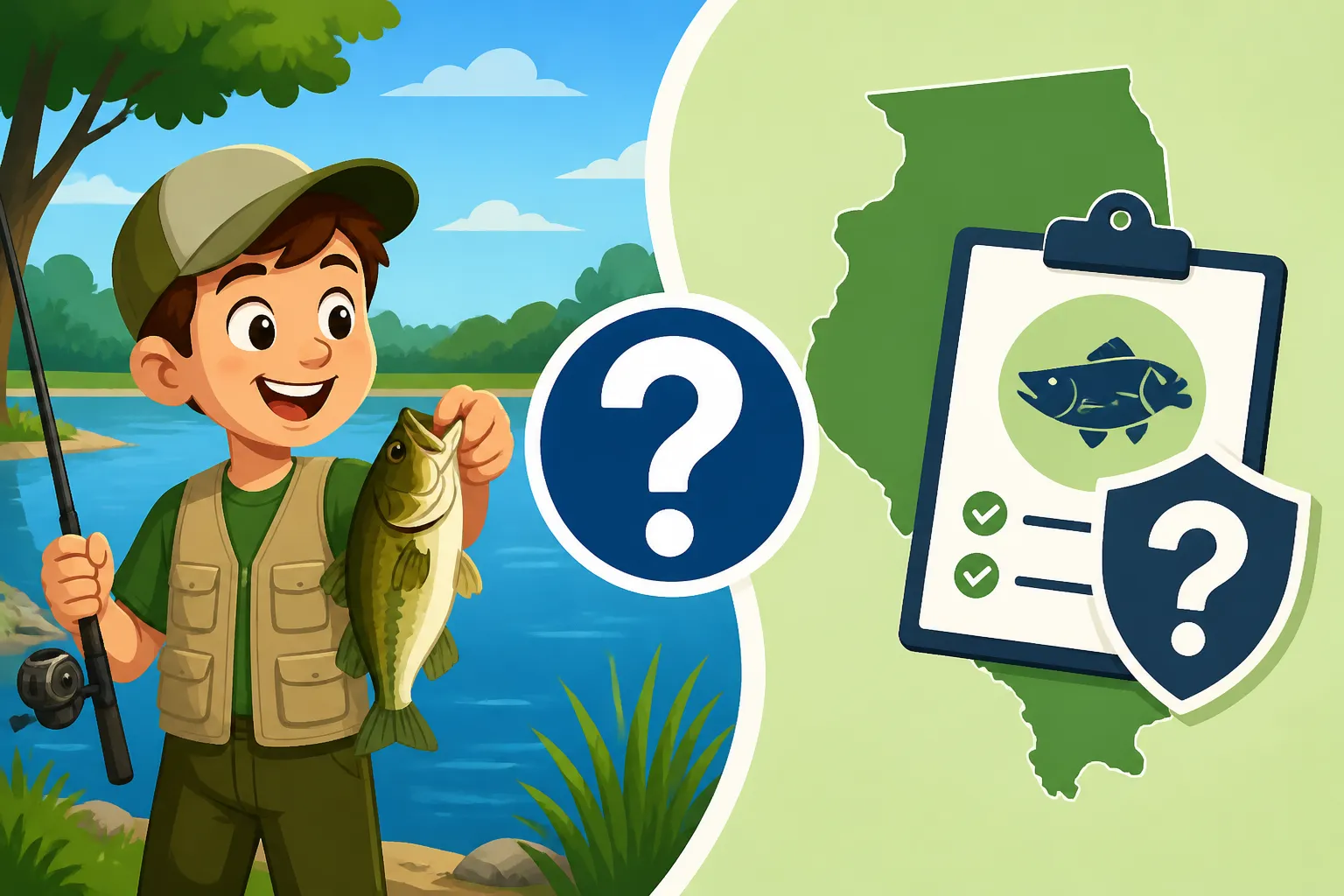
Do Kids Need a Fishing License in Illinois?
It's incredibly frustrating trying to figure out all the rules and regulations, especially when you're just trying to introduce the joy of fishing to a child. You want to do everything by the book, but the sheer volume of information can be overwhelming. This guide is here to cut through the confusion and explain exactly when and if the young anglers in your life need an Illinois fishing license, ensuring your family outings are all about fun, not fines.
Understanding Illinois Fishing License Requirements for Young Anglers
The good news, for most families, is that Illinois has made it quite accessible for kids to get out on the water. The Illinois Department of Natural Resources (IDNR) has clear guidelines, but they can sometimes feel like wading through murky water if you don't know where to look. The primary goal is to encourage participation, and part of that means reducing barriers for our youngest fishermen and women.
Age Exemptions for Illinois Residents
Here's the most crucial piece of information right off the bat: Illinois residents under the age of 16 do not need a fishing license to fish in Illinois. That’s right, if your child is 15 or younger and lives in Illinois, they can cast a line without any special permits or fees. This exemption is fantastic because it allows parents and guardians to focus on teaching proper technique and water safety, rather than paperwork. It's a wonderful incentive to get kids hooked on fishing early, building a lifelong appreciation for the outdoors. This rule applies across most public waters in the state, from the smallest farm ponds to the mighty Mississippi River. However, it's always smart to check the local regulations for specific private ponds or specialized fishing programs, just to be absolutely sure.
Non-Resident Children Fishing in Illinois
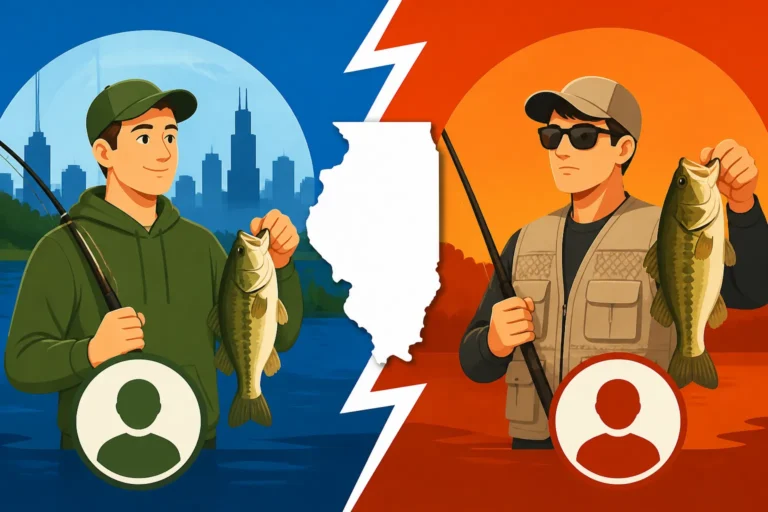
Now, if you're visiting Illinois from another state and bringing your kids along, the rules are slightly different but still very family-friendly. Non-resident children under the age of 16 are also exempt from needing an Illinois fishing license if they are accompanied by a parent or guardian who holds a valid Illinois fishing license. So, if you're an out-of-state angler and you've secured your own Illinois Nonresident Annual Fishing License Cost or even an Illinois Nonresident 3-Day Fishing License Cost, your younger children can fish alongside you without needing their own. This policy ensures that visiting families can enjoy Illinois's abundant waters without extra hassle for the kids. If, however, a non-resident child under 16 wants to fish entirely on their own, or if their accompanying adult does not possess a valid Illinois license, then they would typically need to obtain one themselves, though this is a less common scenario for youth.
When Children Can Fish Without a License
Beyond the general age exemption, there are specific times and scenarios where children (and even adults!) can fish without needing a license. These opportunities are fantastic for introducing the sport without any financial commitment or regulatory hurdles, making fishing truly accessible for everyone.
Participating in Free Fishing Days
One of the absolute best times to take kids fishing in Illinois without worrying about licenses is during the annual Illinois Free Fishing Days and License-Free Weekends. Every year, usually around Father's Day weekend in June, the IDNR designates several days where everyone – residents and non-residents alike, regardless of age – can fish Illinois waters without a license. This is an incredible opportunity to introduce fishing to someone new, or to simply enjoy a relaxed outing without any administrative overhead. During these days, you don't need to worry about the standard Illinois Fishing License Guide for 2026; you just need your gear and your enthusiasm. Many local communities and state parks even host special events and clinics during these periods, making it a perfect family activity.
These free fishing days are specifically designed to promote the sport and allow everyone to experience the thrill of a catch. It's an excellent chance for parents to test the waters, so to speak, before committing to purchasing licenses for older children or themselves. You can find the exact dates for these events by looking up the Illinois Free Fishing Days 2026 Dates closer to the time. It's a fantastic program that truly embodies the spirit of public access to natural resources.
Fishing with a Licensed Adult
As mentioned, if an adult has a valid Illinois fishing license, they effectively cover any non-resident children under 16 who are fishing with them. But let's expand on the general idea of fishing with a licensed adult. Even for resident children who are under 16 and thus already exempt, fishing with an experienced, licensed adult offers invaluable benefits beyond just legality. The adult can provide guidance on techniques, help with knot tying, and ensure responsible angling practices.
For instance, a licensed adult can demonstrate how to properly handle fish, practice catch and release, and navigate the nuances of local regulations, which can sometimes vary by water body (as discussed in Why Fishing Rules Vary by Lake and River). This mentorship is crucial. When you're out there, maybe using a simple Best Beginner Bluegill Fishing Setup bought from Amazon, the focus should be on creating positive memories and learning. The presence of a knowledgeable adult makes the entire experience safer and more educational.
When a Child Might Need a License or Stamp
While most young children are exempt, there are certain situations as they grow older, or for specific types of fishing, where a license or additional stamp might become a requirement. It's important for parents to be aware of these scenarios, so there are no surprises down the line.
Transitioning to an Adult License
The most obvious scenario is when your child reaches that magic age of 16. Once they turn 16, they are no longer covered by the youth exemption and will need their own Illinois fishing license. It's a rite of passage for many young anglers! This means they'll need to follow the same procedures as any adult resident to obtain their license. You can find all the details on How to Get an Illinois Fishing License to help them through the process. It’s a good idea to mark their 16th birthday as a reminder, so you can help them transition seamlessly from fishing freely to being a fully licensed angler. This also means understanding the Illinois Resident Annual Fishing License Cost or other options available to them.
This transition isn't just about legality; it's about taking ownership of their hobby and understanding the responsibility that comes with it. It’s a moment to reinforce why licenses are important – they fund conservation efforts, habitat restoration, and fish stocking programs across the state, ensuring healthy fisheries for future generations.
Special Stamps for Trout and Salmon Fishing
Even if a child is under 16 and exempt from the general fishing license requirement, there’s a key exception to be aware of if they plan to target specific species in certain waters: special stamps. If your child intends to fish for trout in an inland, state-stocked trout pond or stream, or for salmon and trout in Lake Michigan, they might need an additional stamp.
For example, to fish for trout in inland waters, an Illinois Inland Trout Stamp Requirements is usually necessary, regardless of age. Similarly, for fishing salmon and trout in Lake Michigan, the Lake Michigan Salmon Stamp Requirements for Anglers often applies. These stamps are specific to the species and locations, and they help fund those particular stocking programs. It’s a small extra step, but it ensures these specialized fisheries continue to thrive. You’ll want to check the most current Illinois Fishing Regulations Overview or the annual Illinois Fishing Information Guide for precise details on these stamps before heading out to those specific fishing destinations.
Getting Kids Started with Fishing in Illinois
Getting kids into fishing is one of the most rewarding experiences a parent or guardian can have. It’s more than just catching fish; it’s about teaching patience, appreciation for nature, and problem-solving skills. Making it easy and fun from the start is key.
Simple Steps for Their First Trip
The first step is often the easiest: grab some basic gear. You don't need anything fancy to start. A simple rod and reel combo, a few hooks, some sinkers, bobbers, and live bait like worms or crickets are usually enough. You can find excellent, affordable starter kits on Amazon that are perfect for little hands. Look for a lightweight rod and reel designed for panfish – these are usually the Easiest Fish to Catch for Beginners.
When planning the trip, choose a location known for easy catches, like a local park pond or a calm section of a river where Bluegill and similar panfish are plentiful. Rend Lake, for instance, is known for its abundant bluegill. Keep the first few outings short to match a child's attention span. Focus on the experience – the excitement of the bobber disappearing, the feel of a fish on the line, and the joy of being outdoors. Don't worry about limits or trophy fish; the goal is engagement and fun. Encourage them to help bait hooks (if they're comfortable), cast, and reel in. You can also refer to How to Teach a Kid to Fish for Panfish for more detailed guidance.
Resources for Parents and Guardians
The IDNR provides a wealth of resources for families interested in fishing. Their website often has maps of public fishing areas, stocking reports, and educational materials. Local bait shops are also fantastic resources; the folks behind the counter usually have their fingers on the pulse of local fishing conditions and can offer tips on where the fish are biting and what bait to use. Many state parks and local conservation districts offer youth fishing clinics, which are excellent for hands-on learning in a supportive environment.
For further reading, consider looking into specific fishing techniques that are kid-friendly, like using a simple bobber and worm rig. Online communities and blogs, often found through a quick search on Amazon or Google, also offer a treasure trove of advice, from Best Fishing Spots in Illinois to seasonal bait selection guides. The important thing is to remember that fishing with kids is about creating memories and fostering a love for the outdoors, regardless of whether you catch a monster or just a few small panfish.
| Age Group (Resident) | Fishing License Required? | Special Stamps Required? (e.g., Trout/Salmon) | Notes |
|---|---|---|---|
| Under 16 | No | Yes (for specific species/locations) | Must adhere to all other fishing regulations and limits. |
| 16 and Older | Yes | Yes (for specific species/locations) | Must obtain appropriate resident fishing license. |
Taking Kids Fishing in Illinois Without Buying a License
To reiterate, for Illinois residents, the easiest way to take your kids fishing without buying a license is to go when they are under 16 years old. This covers the vast majority of initial fishing experiences. During this time, they can focus purely on learning the ropes and enjoying nature. You, as the accompanying adult, will likely need your own license if you are 16 or older, but your child remains exempt.
Another fantastic option is to plan your family fishing outing during the annual Illinois Free Fishing Days and License-Free Weekends. These specific days are a golden opportunity for everyone, including adults who might not usually fish, to cast a line without any license requirements. It's the perfect no-strings-attached introduction to the sport. So, mark those dates on your calendar and prepare for a fun, stress-free day on the water!
Conclusion
Navigating fishing regulations can feel like a chore, but when it comes to kids and fishing licenses in Illinois, the rules are thankfully straightforward and designed to encourage participation. Resident children under 16 don't need a license, and visiting kids under 16 are exempt if fishing with a licensed adult. With annual Free Fishing Days and readily available resources, there's truly no excuse not to introduce the next generation to the joys of angling. So grab a rod, some bait, and get out there!
Disclaimer
Please note that fishing regulations can change. While this guide is current as of the publication date, it is always the angler's responsibility to consult the most recent Illinois Department of Natural Resources (IDNR) regulations before heading out. This content is for informational purposes only and should not be considered legal advice.