Weigh-In Rules for Local Fishing Tournaments
Stepping onto the scales at a local fishing tournament can be one of the most thrilling—or agonizing—moments for any angler. You’ve put in the hours, battled the elements, and finally brought in your hard-earned catch, only to be met with a set of intricate weigh-in rules that can make or break your chances. It’s enough to make even the most seasoned pro scratch their head! This guide is here to untangle the complexities, walk you through the standard procedures, and help you understand exactly what to expect when it's time to show off your haul at fishing tournaments across Illinois.
Understanding the Heart of Tournament Weigh-Ins: Conservation and Fair Play
For anyone who loves casting a line in Illinois, fishing tournaments are a huge part of the community, bringing together anglers of all skill levels. But beyond the thrill of competition, there’s a serious side to these events: protecting our precious fisheries and ensuring everyone plays by the same rules. It’s easy to get caught up in the excitement, but understanding the underlying reasons for strict weigh-in protocols can actually help you navigate them more successfully.
The Dual Purpose of Strict Weigh-In Protocols
Tournament weigh-in rules often feel like a bureaucratic maze, and let's be honest, it can be frustrating when a technicality impacts your final score. But these regulations aren't just there to make things difficult; they serve two incredibly vital purposes. First and foremost, they are designed to prioritize fish survival. Most bass, walleye, and crappie tournaments in Illinois are catch-and-release, meaning the fish you bring to the scales are expected to go back into the water alive and healthy. Every rule, from how you handle the fish to livewell requirements, is crafted with this conservation goal in mind. No one wants to see a beautiful largemouth bass, caught fairly, perish because of careless handling at the weigh station.
Secondly, these rules are the bedrock of fair play and angler integrity. Imagine dedicating countless hours to scouting a lake, perfecting your technique, and carefully managing your catch, only to lose to someone who bent or broke the rules. Tournament rules, especially at weigh-in, ensure a level playing field. They standardize the process, verify weights, confirm species and lengths, and prevent any advantages gained through unethical means. Whether you’re competing in a small club event on a local reservoir or a larger regional classic, knowing that everyone is held to the same high standards is crucial for the sport's credibility. It fosters respect among competitors and ensures that victory truly goes to the most skilled and ethical angler.
How Tournament Organizers Set Their Rules
You might wonder why weigh-in rules seem to vary slightly from one tournament to another, even within the same region of Illinois. This often comes down to who is organizing the event and the specific body they adhere to. Major organizations like Illinois B.A.S.S. Nation or local FLW (now MLF) circuits have overarching rules that dictate many aspects of their events, but local clubs or independent tournament directors often add or modify certain clauses to fit their specific body of water or community. For instance, a tournament on Lake Shelbyville might have slightly different length limits or livewell requirements than one on the Mississippi River, depending on local fish populations and conservation efforts.
The Illinois Department of Natural Resources (IDNR) also plays a crucial role by setting the statewide fishing regulations overview and site-specific rules, such as daily catch limits and minimum length requirements for various species. Tournament organizers must always operate within these state-mandated guidelines, but they can, and often do, implement stricter rules to further enhance conservation and fair competition. This is why it’s absolutely critical for every angler to read the specific tournament rule book cover-to-cover before the event begins. Don't rely on assumptions or what you remember from last year's event. A rule update could mean the difference between celebrating a win and facing a disqualification. Ignoring the unique nuances of an event's rules, even minor ones, is a surefire way to run into trouble.
Standard Weigh-In Procedures You'll Encounter
The actual process of bringing your fish to the scales can feel a bit like a well-choreographed dance. From the moment you load your boat to the final release, there are specific steps and expectations. Understanding these common procedures will not only make your weigh-in smoother but also help you avoid common mistakes that could lead to penalties.
Livewell Checks and Culling Processes
Before a tournament even begins, many events initiate mandatory livewell checks. This typically happens at the boat ramp before launch, where officials will inspect your livewell to ensure it’s empty and functioning correctly. This prevents any pre-caught fish from being introduced into the competition and verifies that your livewell system is up to par for keeping fish healthy throughout the day. If your livewell isn't working, you might not even be allowed to participate, so regular maintenance is key.
Once you’re out on the water and start catching fish, the culling process begins. This means selecting which fish to keep in your livewell if you catch more than the tournament's stated limit. For instance, if the limit is five bass, and you catch a sixth, you must immediately release one of your current fish to stay within the limit. Many tournaments mandate the use of official measuring boards, like a Golden Rule or Hawg Trough, to ensure accurate length measurements. When you're fishing for bass, knowing the exact size is critical, especially when you consider that there may or not be a minimum size for bass this season on some waters, while others have strict limits. Remember, keeping an illegal number of fish or fish that are under the minimum length can lead to severe penalties, including the loss of the fish or even disqualification of your entire catch. It's a common frustration when anglers face penalties for dead fish, but these rules exist precisely because proper culling and livewell management directly impact the fish's chance of survival.
The Official Weigh-In Line and Scale Operations
The actual weigh-in starts when you arrive at the designated check-in point, often at a boat ramp or marina. Most tournaments have a strict check-in time, and being late often results in penalties, usually a weight deduction per minute, or even full disqualification after a certain threshold. Once checked in, you’ll typically proceed to a designated area to transfer your catch into an official weigh-in bag. These bags are designed to hold water along with the fish, which is crucial for reducing stress and keeping the fish oxygenated during the short trip to the scales. It's a small detail, but making sure your fish have enough water in the bag is a critical step in maintaining their health.
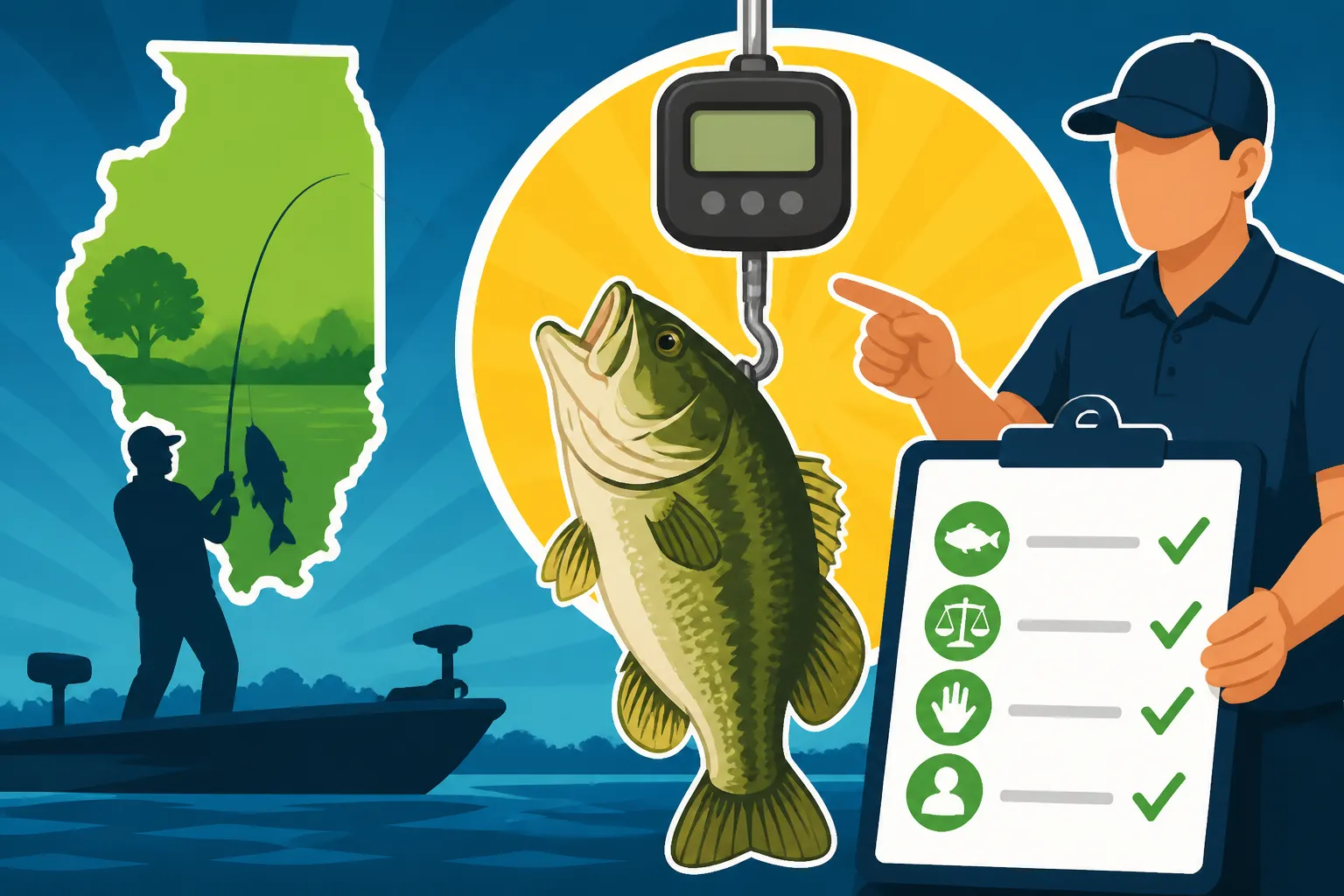
At the scales, a trained weighmaster, often assisted by volunteers, will handle your fish. The scales themselves are usually digital and are meticulously calibrated to ensure accuracy. Sometimes, larger tournaments use more traditional beam scales as a backup or for verification. The weighmaster will carefully place your fish in the bag onto the scale, announce the weight, and record it. Many tournaments have a "dead fish penalty" where a deduction (often 0.25 to 0.50 pounds) is applied for each fish that isn't alive at the time of weigh-in. This incentivizes anglers to take excellent care of their catch throughout the day. After weighing, the fish are typically placed into a recovery tank or immediately released back into the water by a dedicated release team.
Identifying Fish and Measuring Lengths
Beyond just weighing, tournaments often require precise fish identification and length verification. This is particularly relevant when multiple similar species inhabit the same waters. For example, knowing how to tell the difference between Largemouth Bass vs Smallmouth Bass vs Spotted Bass: How to Tell Them Apart is crucial, as some tournaments might only count specific species or have different length limits for each. Officials will often check the physical characteristics to ensure you haven't brought in an ineligible species.
Length measurements are equally important. When a minimum length limit is in place, the fish is typically measured with its mouth closed and its tail pinched to achieve the maximum possible length. Even a fish that is a fraction of an inch short can lead to penalties, ranging from the disqualification of that specific fish to the loss of your entire bag. For instance, Illinois Walleye Minimum Size Limit of 14 Inches is common on many waters, and if you bring in a 13.5-inch walleye, it simply won't count. These rules prevent anglers from keeping undersized fish, supporting sustainable fishing practices. Always double-check your measurements on your boat with a reliable measuring device before heading to the scales.
| Infraction | Typical Penalty (Varies by Tournament) | Impact on Angler |
|---|---|---|
| Dead Fish | 0.25 – 0.50 lb deduction per dead fish | Reduced total weight |
| Short Fish | Loss of fish, potential disqualification of bag | Major weight loss, DQ risk |
| Late Check-in | 1 lb per minute late, or full DQ after X minutes | Significant weight loss, DQ |
| Over the Daily Limit | Disqualification of entire catch | No weight, no prize |
| Unregistered Angler | Immediate Disqualification | Exclusion from competition |
Keeping Your Catch Alive: The Angler's Responsibility
One of the biggest concerns in modern fishing tournaments, especially for popular species like bass and crappie, is ensuring the fish survive the weigh-in process and can be successfully released. This responsibility largely falls on the angler from the moment a fish hits the livewell until it’s returned to the water. Proper fish care isn't just about avoiding penalties; it's about being a good steward of the resource and ensuring healthy fish populations for the future.
Best Practices for Livewell Management
Your livewell is your fish's temporary home, and keeping them healthy inside it is paramount. The most crucial element is a good aeration system. Many modern fishing boats for Illinois lakes come with advanced livewell systems that circulate fresh water and provide oxygen, but ensuring they are running optimally all day is key. If you have an older boat or a simpler setup, consider investing in a portable aerator, easily found on Amazon, to boost oxygen levels, especially on hot days or when you have a full limit of fish.
Water quality and temperature are also vital. During warmer months, livewell water can heat up quickly, stressing fish. Adding ice to the livewell water, slowly and carefully to avoid shocking the fish, can help regulate the temperature. There are also various livewell additives, like Rejuvenade or Please Release Me, that contain electrolytes and other compounds designed to reduce fish stress and help them recover. Overcrowding is another common issue; putting too many fish into a small livewell can quickly deplete oxygen and increase stress. Always make sure your livewell can comfortably hold your limit without causing harm. Think of it this way: a healthy fish on the scales not only avoids penalties but often weighs more too!
Handling Fish with Care During the Process
The way you handle your fish, from the moment it’s hooked to its release, has a huge impact on its survival. Minimizing physical contact is always best, but when you do handle fish, make sure your hands are wet. Dry hands can remove the protective slime coat, making fish more susceptible to disease. Using proper tools, like a lip gripper for larger bass, can help control the fish without squeezing its body or gills, which can cause internal damage.
When moving fish from the livewell to the weigh-in bag, be quick and gentle. Avoid dropping them or letting them flop around. Once weighed, the fish should be immediately transferred to a recovery tank or carefully released. Tournament organizers often have teams dedicated to this, but as an angler, your careful handling sets the stage for a successful release. Poor handling, whether through rough treatment or prolonged exposure to air, can weaken the fish, sometimes to the point of no return, leading to those frustrating dead fish penalties. Remember, our goal is to enjoy the sport, and part of that means respecting the creatures we pursue.
Navigating Penalties and Disqualifications
Nobody wants to face a penalty or, worse, a disqualification during a tournament. It's a disheartening experience that can negate all your hard work. Understanding the most common infractions and the typical consequences can help you steer clear of these pitfalls and ensure a smooth, penalty-free weigh-in.
Common Infractions and Their Consequences
Tournament rules are put in place for a reason, and unfortunately, breaking them often comes with a price. The most frequently encountered penalties involve dead fish. As discussed, tournaments prioritize live release, so if a fish doesn't make it to the scales alive, a weight deduction is almost always applied. This deduction can range from a quarter-pound to half a pound per fish, and while it might not seem like much for one fish, several dead fish can quickly sink your chances.
Another major infraction is presenting a short fish. If you bring a fish to the scales that is under the legal length limit for the tournament or the specific body of water (which can vary, so always check the Illinois fishing season and catch limit rules), that fish will be disqualified. In many tournaments, not only is the short fish removed, but an additional penalty, like the loss of your largest fish, or even the disqualification of your entire bag, may occur. This highlights why precise measurement in the boat is so important. Finally, arriving late for check-in is a common and easily avoidable penalty. Tournaments operate on a strict schedule, and tardiness can result in a weight deduction per minute late, or even a full disqualification if you exceed a certain time limit. This is especially important for multi-day events where every minute counts. Other serious infractions include exceeding your daily catch limit, which would typically result in disqualification of your entire catch, or fishing without a valid Illinois fishing license, which can lead to penalties for fishing without a license in Illinois and immediate tournament disqualification.
The Appeals Process and Tournament Official Discretion
Despite all the rules and precautions, disputes can sometimes arise at the weigh-in. Perhaps you believe your fish was healthy, but the weighmaster deemed it dead, or there was a discrepancy in a measurement. Most tournaments have an established appeals process, but it’s crucial to understand that the tournament director’s decision is almost always final. This discretion is given to the director to manage unforeseen circumstances and maintain the flow of the event.
If you find yourself in a situation where you need to dispute a ruling, approach the tournament director calmly and respectfully. Clearly state your case, referencing the rule book if applicable, and present any evidence you might have. However, be prepared to accept their final decision. This emphasizes why understanding the tournament rules beforehand is non-negotiable. Don't wait until you're at the scales to familiarize yourself with the nuances of how weigh-in rules for local fishing tournaments are applied. Being prepared, respectful, and knowledgeable will serve you far better than arguing a point you might not fully understand.
Disclaimer
The information provided in this guide is for general informational purposes only and does not constitute legal advice. Fishing regulations and tournament rules are subject to change. Always consult the official Illinois Department of Natural Resources (IDNR) publications and the specific rulebook for any fishing tournament you plan to enter. It is your responsibility to ensure you are compliant with all current regulations and rules.