Best Beginner Bluegill Fishing Setup
It’s a scenario many of us have faced, whether as kids ourselves or introducing a new generation to the joys of the outdoors: you want to go fishing, but the sheer volume of gear at the sporting goods store is enough to make your head spin. Rods, reels, lines, lures, baits – it all feels so complicated! If you're looking to get started with fishing in Illinois, especially for something that offers consistent action and a simple approach, bluegill are your perfect target. This guide is all about cutting through the noise and equipping you with the absolute best, most straightforward beginner bluegill fishing setup, ensuring your first casts are filled with fun, not frustration.
Why Bluegill Are Your Best Bet for Starting Out in Illinois
Let's be real: when you're just starting, or you're trying to ignite that spark in a child, waiting hours for a bite can be a real buzzkill. That's where bluegill truly shine. They are the unsung heroes of accessible fishing, offering a fantastic entry point into the world of angling here in Illinois.
The Joy of a Consistent Bite
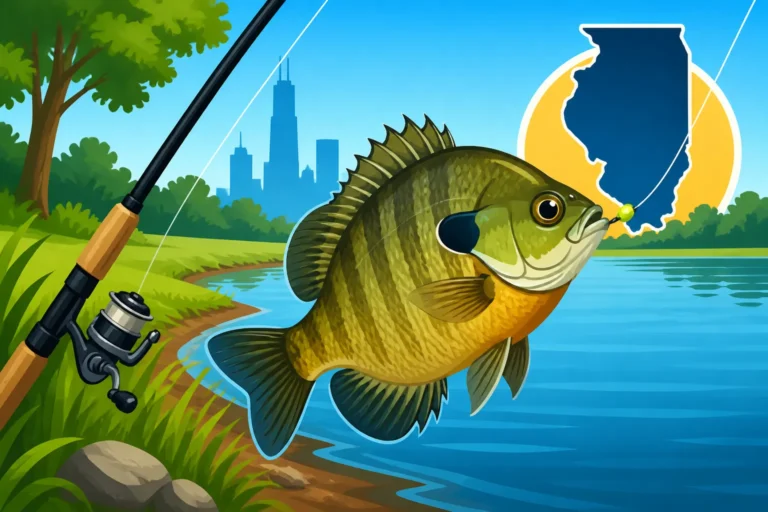
Bluegill are everywhere in Illinois. From small farm ponds to large state park lakes and even slow-moving rivers, you'd be hard-pressed to find a body of water that doesn't hold a healthy population of these eager panfish. What makes them so special for beginners is their incredibly aggressive nature. They're not picky eaters, and they're rarely shy about grabbing a well-presented bait. This means more bites, more bobbers dipping, and more fish coming to hand – which is absolutely crucial for building confidence and maintaining excitement, especially for younger anglers. There's nothing quite like seeing a child's face light up with every tug on the line, and bluegill deliver that experience time and time again. They're genuinely one of the Easiest Fish to Catch for Beginners and provide instant gratification that keeps everyone engaged.
Simple Habits, Simple Gear
Another fantastic aspect of bluegill is their predictable behavior and habitat preferences. They tend to hang out in shallower, warmer waters, often around structures like weed beds, fallen trees, docks, or lily pads. This means you don't need a boat or fancy electronics to find them. Bank fishing or fishing from a pier is often incredibly productive. Because they're not huge fish, you also don't need heavy, expensive tackle. Their small mouths are perfectly suited for small baits and hooks, which simplifies your gear choices dramatically. You won't be breaking the bank, and you won't be lugging around a ton of equipment, which really cuts down on the intimidation factor for new anglers. It’s all about getting out there with minimal fuss and maximum enjoyment.
Assembling Your Go-To Bluegill Fishing Setup
Okay, so we know bluegill are the perfect target. Now, let's talk about the gear. Forget the intimidating walls of fishing tackle; we’re going to focus on the essentials, the tried-and-true items that will get you catching fish without overcomplicating things. This is the setup that has introduced countless people to the joy of fishing, and it still works like a charm.
Rod and Reel: Keeping It Light and Easy
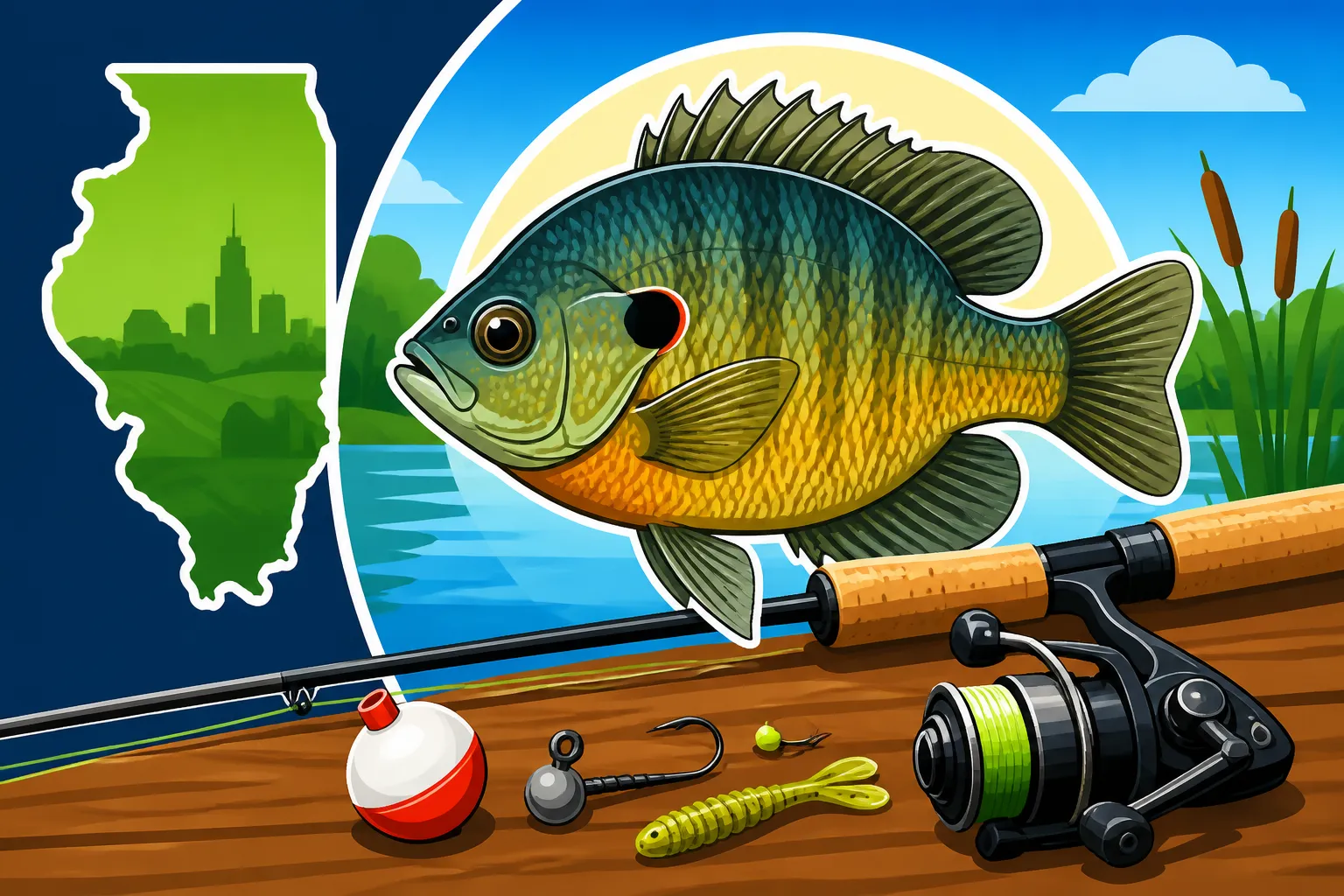
For bluegill, an ultralight or light action spinning rod and reel combo is your absolute best friend. Think small, sensitive, and easy to handle.
- Rod: A rod between 5 to 6 feet in length, with an "ultralight" or "light" action, is ideal. These rods are flexible, allowing you to feel even the lightest nibbles from a bluegill, and they make even a small fish feel like a feisty fighter. The shorter length is also much easier for beginners, especially kids, to cast and manage without getting tangled in trees or bushes. You can often find a decent quality ultralight rod for a very reasonable price online, say, on Amazon, or at your local sporting goods store.
- Reel: Pair that rod with a small spinning reel (typically a 500 or 1000 size). Spinning reels are incredibly user-friendly; they have a bail that you simply flip open to cast, and then reel back in. It's intuitive, reduces tangles significantly compared to baitcasting reels, and requires minimal practice. The key is to ensure the reel feels balanced with the rod, not too heavy or too light.
Fishing Line: The Unsung Hero
Don't underestimate the importance of your fishing line. For bluegill, lighter is almost always better.
- Type: Monofilament line is perfect. It's inexpensive, has a bit of stretch (which helps absorb sudden pulls from a fish), and is relatively easy to tie knots with.
- Test Weight: Opt for 4 to 6-pound test monofilament. This might seem light, but bluegill have excellent eyesight, and thicker lines can spook them. A lighter line also allows for better casting distance with light baits and gives you a much better feel for the fish. Plus, even if you hook into a bigger bass by accident, a 6-pound test line often has enough strength, especially with a good drag setting on your reel, to land it.
Bobbers: Your Visual Strike Indicator
The bobber is quintessential beginner fishing gear, and for good reason. It’s your visual cue that a fish is interested!
- Clip-on Bobbers: The classic red-and-white plastic bobbers are fantastic for beginners. They simply clip onto your line. They're highly visible, float well, and give a clear signal when a fish takes your bait.
- Slip Bobbers (Optional Upgrade): As you gain confidence, you might explore slip bobbers. These slide freely on your line between a small bobber stop and a weight, allowing you to fish at much deeper depths while still being able to cast easily. For now, stick with the clip-on variety; they are simpler and more than sufficient for most bluegill scenarios.
Hooks: Small But Mighty
Bluegill have surprisingly small mouths, so your hooks need to match. Using a hook that's too large is one of the most common reasons beginners miss bites.
- Size: Aim for hooks in the size 8, 10, or even 12 range. Remember, with hooks, the higher the number, the smaller the hook.
- Type: Aberdeen style hooks are a great choice. They have a long shank, which makes them easier to remove from a fish's mouth, and they’re light wire, meaning they'll straighten out before breaking if you get snagged, helping you retrieve your line. Circle hooks are also excellent for bluegill, as they are designed to hook fish in the corner of the mouth, making for easy, less harmful releases.
Sinkers: Just Enough Weight
You don't want to weigh your bait down too much, but a little weight helps with casting and getting your bait to the right depth.
- Split-Shot Sinkers: These small, lead-free weights (look for environmentally friendly alternatives) are perfect. They simply pinch onto your line.
- Amount: Start with one or two small split-shot sinkers placed a few inches above your hook. The goal is just enough weight to cast comfortably and to keep your bait submerged, not to sink it like a rock. You want your bait to drift naturally.
The All-Important Bait
Bluegill are not picky, which is fantastic news for beginners. You have many effective and readily available options.
- Live Bait: This is hands down the most effective for bluegill.
- Wax Worms: My personal favorite. They're small, wiggle enticingly, and bluegill can't resist them. You can buy them at almost any bait shop.
- Red Worms/Nightcrawlers: Classic fishing bait. You can use small pieces of a nightcrawler if a whole one is too large.
- Crickets: Another fantastic choice, especially in warmer months when bluegill are feeding on insects.
- Artificial Baits: While live bait is king, tiny soft plastic grubs or micro jigs can also work, especially as you get more experienced. For now, stick to live bait for the best results. For a deeper dive into bait options, check out our guide on Illinois Bluegill Fishing: Best Bait and Where to Go.
Here’s a quick overview of your beginner setup:
| Gear Item | Recommended Spec | Why It Works for Beginners |
|---|---|---|
| Rod | 5-6 foot, Ultralight/Light Action | Sensitive for bites, easy to cast, makes fish feel bigger. |
| Reel | Small Spinning Reel (500-1000 size) | Simple to operate, less tangles, intuitive. |
| Line | 4-6 lb Monofilament | Less visible to fish, good casting, easy to tie knots. |
| Bobbers | Small Clip-on (Red & White) | Highly visible, clear strike indicator, very easy to use. |
| Hooks | Size 8, 10, or 12 (Aberdeen style) | Matches bluegill's small mouth, easy removal. |
| Sinkers | Small Split-Shot (lead-free) | Adds casting weight, helps bait sink, minimal impact on drift. |
| Bait | Wax Worms, Red Worms, Crickets | Irresistible to bluegill, easy to find, high success rate. |
Rigging Up: Simple Steps to Success
Now that you have your gear, let’s put it together. Don't worry, it's much simpler than it looks. The goal here is a basic, reliable rig that catches fish.
The Classic Bobber Rig
This is the quintessential bluegill setup, and it's what you'll want to master first. We even have a dedicated guide on How to Rig a Wax Worm Under a Bobber for Bluegill if you want more visual detail.
- Tie on Your Hook: First, take your fishing line and thread it through the eye of your small hook. Use a simple, strong knot like an improved clinch knot. There are plenty of online tutorials, or ask someone at your local bait shop to show you. Cinch it down tightly.
- Add Your Split-Shot Sinkers: Measure about 4-6 inches up from your hook. Gently pinch one or two small split-shot sinkers onto your line. The goal is just enough weight to help cast and keep your bait submerged, but not so much that it pulls your bobber under.
- Attach Your Bobber: Now, move up your line another 1-2 feet from your sinkers. This distance will determine how deep your bait sits in the water. Clip your bobber onto the line, ensuring it's secure. For bluegill, a depth of 1-3 feet is usually a good starting point, as they often feed in shallower water, especially around cover. Adjust this based on where you see fish or structure. If you're fishing a very shallow pond, you might only need 6-12 inches between the bobber and the hook.
That's it! Your basic bluegill rig is ready. The bobber will float on the surface, holding your bait at the desired depth. When a bluegill bites, it will pull the bobber down, signaling a strike.
Baiting Your Hook: The Right Way
Properly baiting your hook is crucial for getting bites and keeping your bait on.
- Wax Worms: For a wax worm, gently thread the hook through one end of the worm, then push it up the shank of the hook so that the hook point is exposed. You want the worm to be lively and natural-looking, but secure enough not to fly off during a cast. Sometimes, just hooking it once through the middle is enough.
- Red Worms/Nightcrawlers: If using a red worm, thread it onto the hook multiple times, leaving a small tail to wiggle. For a nightcrawler, pinch off a piece about an inch long and thread it on, ensuring the hook point is still exposed. The wiggling action is a big attractant!
- Crickets: Hook a cricket once lightly under its hard shell on its back. This keeps it alive and kicking, which is incredibly tempting for bluegill.
Where and How to Catch Bluegill in Illinois
You’ve got your gear and your rig. Now for the fun part: finding those bluegill and reeling them in!
Prime Bluegill Haunts
Bluegill are masters of camouflage and like to have somewhere to hide from bigger predators while they ambush smaller prey.
- Shallow Water Cover: Look for areas with plenty of cover in relatively shallow water (1-5 feet deep). This includes weed beds, lily pads, submerged logs, brush piles, and fallen trees. Docks and piers are also fantastic spots because they provide shade and structure.
- Rocky Shorelines and Points: In larger lakes, bluegill will often congregate around rocky points or rip-rap shorelines, especially where there's a drop-off nearby.
- Illinois Lakes and Ponds: Almost any pond or lake in Illinois will hold bluegill. State park lakes, local forest preserve ponds, and even many private farm ponds are excellent starting points. For more general ideas on where to cast your line, check out our guide on the Best Fishing Spots in Illinois. If you're looking for specific tactics for fishing from the bank, our article on How to Catch Bluegill From the Bank has some great advice.
Basic Fishing Techniques
Bluegill fishing isn't about fancy retrieves or complex lure presentations; it's about simplicity and patience.
- Cast It Out: Gently cast your bobber rig towards the cover or structure you're targeting. You don't need to cast a mile; often, bluegill are right along the shoreline. For a beginner, a gentle sidearm cast is usually easier than an overhead cast.
- Let It Sit: Once your bobber lands, let it sit for a bit. Watch it carefully. Bluegill bites can range from a tiny wiggle to the bobber rapidly disappearing under the surface.
- Gentle Retrieve (if no bite): If you don't get a bite after a minute or two, give your rod tip a very gentle twitch to make your bait move slightly. Sometimes this little bit of action is all it takes to trigger a strike. Slowly reel in a few feet, then let it sit again.
- Setting the Hook: When that bobber goes down, don't wait too long. Give a quick, gentle, upward sweep of your rod tip to set the hook. You don't need a massive jerk; bluegill have soft mouths.
- Reel 'Em In: Keep your rod tip up and steadily reel the fish in. If it’s a bigger bluegill, they can put up a surprisingly fun fight on light tackle!
Reading the Water for Bluegill
Even with the simplest setup, a little observation goes a long way.
- Look for Activity: Watch for ripples on the water, insects buzzing near the surface, or even small fish jumping. These are all signs of life and potential feeding activity.
- Consider the Time of Day: Early morning and late evening are often prime times for bluegill, especially during warmer months. They tend to be more active when the sun isn't directly overhead. For more on optimizing your fishing times, you might find our article on Best Time of Day to Catch Crappie (a fellow panfish) helpful, as similar principles often apply.
- Match the Depth: If you're not getting bites at one depth, try adjusting your bobber to fish a little deeper or shallower. Experimentation is key to finding where the fish are holding on any given day.
Don't Forget Your License!
Before you even make your first cast, remember that most anglers aged 16 and older need a valid Illinois fishing license. It's easy to get one online, at bait shops, or at many retailers like Walmart. It's a small investment that supports conservation efforts and keeps you legal. For all the details, you can refer to our comprehensive Illinois Fishing License Guide for 2026. If you're fishing with younger ones, remember that Illinois Fishing License Rules for Kids and Seniors often include exemptions for very young children. There are even special times when you might not need one, so check out Do You Need a License During Illinois's Free Fishing Days? if your trip aligns with those dates.
Upgrading Your Bluegill Experience: Small Steps, Big Fun
Once you've caught a few bluegill and feel comfortable with your basic setup, you might start thinking about small additions that can make your trips even more enjoyable. You don't need to break the bank, but a few thoughtful items can really enhance your experience. This is also where you might start exploring the broader world of Illinois Panfish Species: Bluegill, Crappie and Sunfish Explained.
Tackle Box Essentials
You don't need a huge, heavy tackle box, especially for bluegill. A small, lightweight one is perfect for carrying a few key accessories. You can find excellent, affordable options on Amazon or at any outdoor store.
- Small Pliers or Hemostats: These are invaluable for safely removing hooks from a fish's mouth, especially if the fish has swallowed the hook a bit deeper.
- Line Clippers: A small pair of nail clippers or dedicated fishing line clippers make it easy to trim excess line after tying a knot.
- Stringer or Cooler: If you plan on keeping some bluegill for a delicious meal (they are fantastic table fare!), a simple stringer to keep them alive in the water or a small cooler with ice to store them properly is essential.
- Sunscreen and Bug Spray: Don't forget these comfort items, especially during the warmer months in Illinois.
- Small First-Aid Kit: A few band-aids and antiseptic wipes are always a good idea for minor scrapes or hook pokes.
Considering a Panfish-Specific Setup
As you get more into bluegill and other panfish like crappie and sunfish, you might consider refining your tackle slightly. While your beginner setup is excellent, there's always room for a little specialization.
- Even Lighter Ultralight Tackle: Some anglers opt for even lighter rods and reels, sometimes called "micro-light" setups, to truly maximize the fight of every panfish. This can be incredibly fun. If you're curious about diving deeper, our guide on Ultralight Tackle for Panfish Fishing explores these options.
- Specialized Baits/Lures: While live bait remains dominant, experimenting with tiny jigs (1/32 to 1/64 ounce) tipped with a small plastic grub can be very effective and add a new dimension to your fishing.
- Kids-Specific Gear: If you're primarily fishing with children, there are also rods and reels designed specifically for smaller hands and easier casting, which can further boost their enjoyment. Check out our article on the Best Panfish Setup for Kids for ideas. Likewise, our guide on How to Teach a Kid to Fish for Panfish offers excellent pedagogical advice for bringing new anglers into the fold.
Remember, the most important thing is to enjoy your time outdoors. Bluegill fishing provides a fantastic, low-pressure way to connect with nature, build skills, and create lasting memories right here in Illinois. With this simple setup, you're well on your way to a lifetime of fishing adventures.
Disclaimer
This article is for general informational purposes only and does not constitute professional advice. Laws, prices and regulations vary by location and change over time. Consult a qualified professional for guidance on your specific situation.