How to Teach a Kid to Fish for Panfish
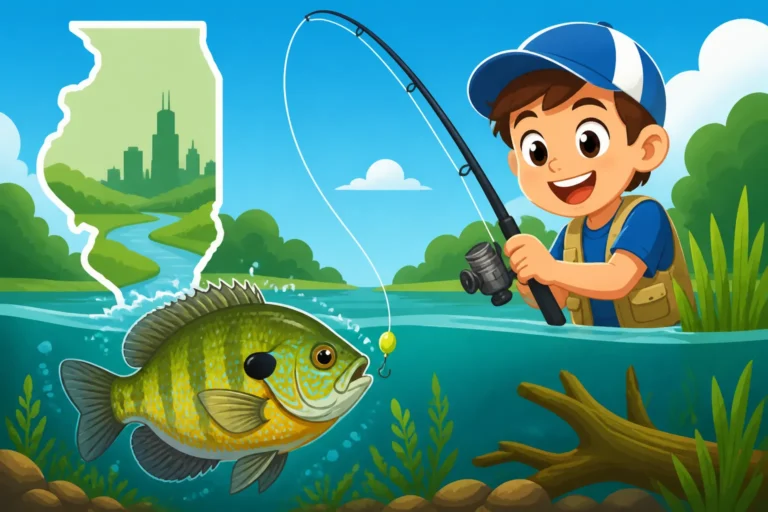
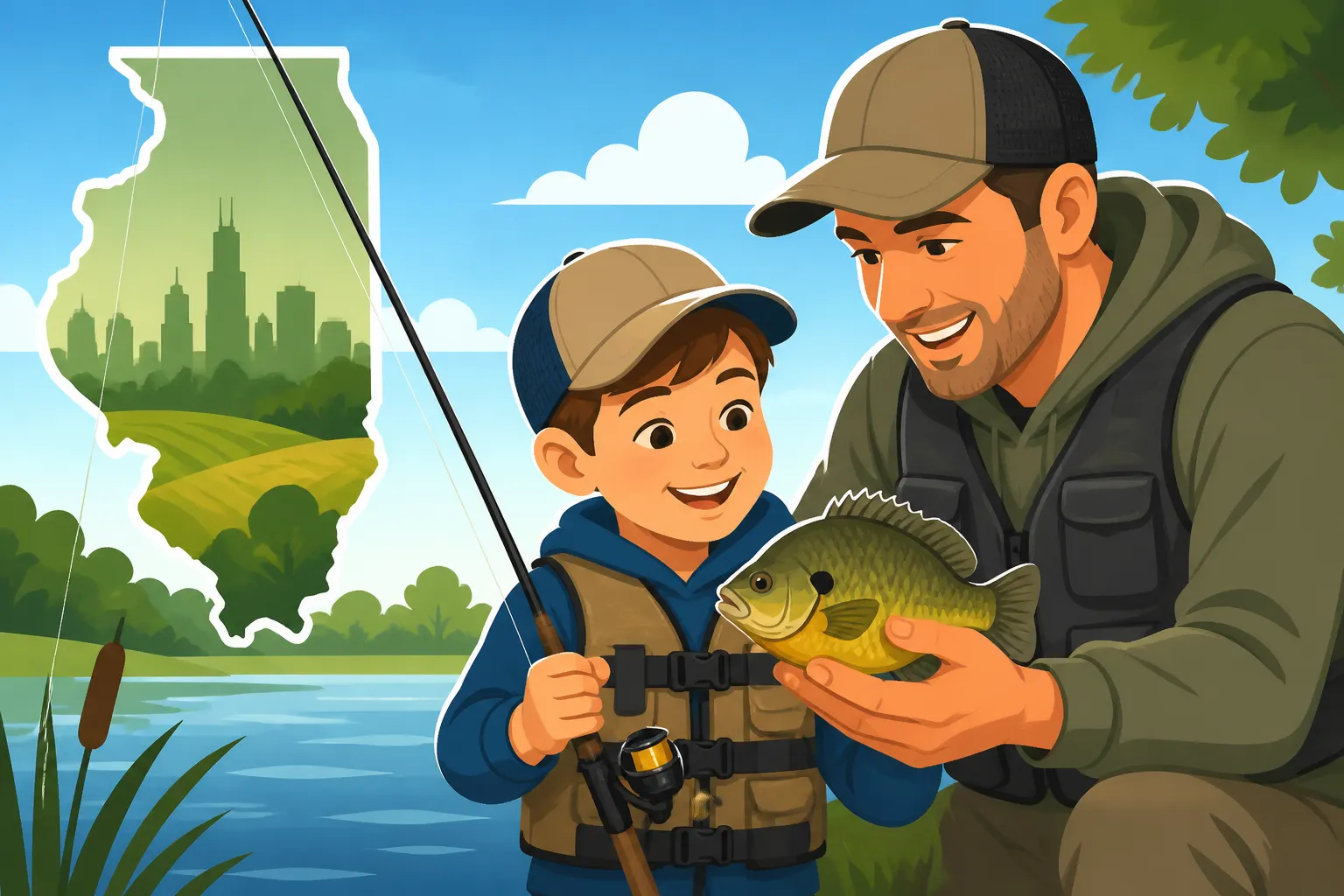
Watching a child's face light up with pure joy as they reel in their very first fish is one of the most rewarding experiences in fishing. But let's be honest, getting kids hooked (pun intended!) on fishing isn't always as simple as handing them a rod. They get bored easily, their attention spans can be fleeting, and complicated gear can quickly turn a fun outing into a frustrating meltdown. This guide is all about simplifying the process, focusing on panfish – the absolute best species for introducing youngsters to the wonders of angling in Illinois – and making sure those first fishing memories are nothing short of magical and successful.
Why Panfish Are the Absolute Best Starter Fish for Kids
When you're trying to get a child interested in fishing, consistency is key. There's nothing more disheartening for a little one than sitting by the water for hours with no bites. That's where panfish shine! They're abundant, relatively easy to catch, and their feisty nature on light tackle makes for an exciting fight, even if they aren't huge. We're talking about species like bluegill, crappie, and various sunfish that are found in almost every lake, pond, and slow-moving river throughout Illinois.
The Thrill of the Nibble: Consistent Action Keeps Them Engaged
Panfish are notorious for being curious and often quite aggressive eaters, especially in the right conditions. This means less waiting and more action for your young angler. Imagine setting up a simple bobber rig, and within minutes, that bobber starts dancing, then dips under the water! That immediate visual cue and the anticipation of what's on the other end is precisely what captures a child's imagination. It’s a completely different experience than targeting a more elusive species that might take hours to locate and tempt. With panfish, even if they're just nibbling and not committing, that constant stimulation keeps the excitement high. You can talk about what the fish might be doing, how it's playing with the bait, and build up the suspense until it finally takes the hook. It’s a dynamic teaching moment rather than a static waiting game.
Learning the Ropes: Simple Gear and Techniques
One of the biggest hurdles for new anglers, especially kids, is mastering complex fishing techniques and equipment. Panfish virtually eliminate this barrier. You don't need fancy lures, intricate knots, or expensive electronics. A basic spinning rod and reel, a bobber, a small hook, and some common bait are all you truly need. This simplicity allows kids to focus on the fundamental skills: casting, watching the bobber, setting the hook, and reeling in. It removes the intimidation factor that often comes with fishing for larger, more technical species. Teaching them How to Rig a Bobber for Bluegill or simply how to cast a small worm with minimal fuss builds confidence rapidly. Plus, since the fish are usually on the smaller side, the fight isn't overwhelming, and they can comfortably handle the rod themselves, fostering a sense of independence and accomplishment.
Illinois's Abundant Panfish Opportunities
From small farm ponds to massive reservoirs like Rend Lake, Lake Shelbyville, and Carlyle Lake, panfish are everywhere in Illinois. This means you don't have to travel far to find a great spot, which is a huge plus when you have impatient little ones in tow. Many public parks and state recreation areas in Illinois have designated fishing piers or easy bank access that are perfect for kids. These spots are often stocked and managed to provide good panfish populations. Before you head out, it's always a good idea to check the local regulations and consider if you need an Illinois Fishing License Rules for Children or if your child's age falls within the license-exempt categories. Generally, kids under 16 don't need a license, making it even easier to introduce them to the sport without added bureaucratic steps.
Essential Gear for a Successful Kid's Panfish Trip
Getting the right gear for a child is crucial. It's not about expensive, high-end equipment, but rather about simplicity, durability, and kid-friendly design. Overcomplicated or oversized gear will only lead to frustration for both of you. Think light, easy to handle, and robust enough to withstand a few accidental drops.
The Right Rod and Reel: Simplicity Over Sophistication
For a young child, a combo rod and reel specifically designed for kids is your best friend. Look for a spinning reel or, even better, a push-button (spincast) reel. Spincast reels are incredibly user-friendly; they have an enclosed spool and a simple button to press and release for casting. This eliminates the tangles and backlash that often plague beginners learning to use open-faced spinning reels.
Key Features to Look For:
- Rod Length: Around 4 to 5 feet is ideal for most kids under 10. It’s short enough to manage without hitting things, but long enough to cast a decent distance.
- Light Action: This refers to how flexible the rod is. A light or ultra-light action rod will bend easily, making even a small panfish feel like a giant, amplifying the fun.
- Comfortable Handle: Smaller hands need a grip that they can hold securely. Often, cork or EVA foam handles are lightweight and comfortable.
- Pre-spooled Line: Many kid-specific combos come with line already on the reel, which is a huge time-saver. If not, opt for 4-6 pound test monofilament line.
Brands like Zebco often make excellent, durable spincast combos that you can easily find on Amazon or at local sporting goods stores. They're usually brightly colored, appealing to kids, and built to take a beating. Don't worry about getting the most powerful reel; remember, we're going for enjoyment and learning, not trophy hunting… yet! For a truly hassle-free setup, check out what’s available for a Best Panfish Setup for Kids.
Bobbers, Hooks, and Sinkers: The Simple Trio
This is where the magic happens for panfish. You don't need a tackle box full of options.
- Bobbers: Small, brightly colored clip-on bobbers are perfect. They're easy for kids to attach (with a little help) and highly visible. The classic red and white plastic bobber is a winner. The visual cue of the bobber disappearing underwater is often the most exciting part for a young angler.
- Hooks: Small hooks are key for panfish. Size 8 or 10 Aberdeen hooks are thin, sharp, and perfectly sized for bluegill mouths. Keep them barbless or crimp the barbs down for easier unhooking and less harm to the fish, especially if you're practicing catch and release.
- Sinkers: A few small split-shot sinkers will help cast lighter baits and keep them in the strike zone. Just one or two small sinkers, placed about 6-12 inches above the hook, are usually sufficient.
It’s often helpful to buy a pre-made panfish rig kit or a small assortment of these items. You can find excellent value packs on Amazon, which will get you started without breaking the bank.
Bait: The Irresistible Enticement
When it comes to panfish, natural bait is almost always the most effective and easiest to use for kids.
- Worms: The undisputed champion. Nightcrawlers or smaller red worms are incredibly effective. They're easy to find (even in your backyard after a rain!) and simple to put on a hook. Kids usually love digging for them or picking them out of the bait container. Learning How to Rig a Wax Worm Under a Bobber for Bluegill is a fundamental skill.
- Wax Worms/Mealworms: These are fantastic alternatives, especially for bluegill and other sunfish. They're clean, easy to handle, and very attractive to panfish. A small container of these lasts a long time and is easy to store.
- Corn or Bread: Believe it or not, kernels of sweet corn or small balls of bread can also entice panfish, particularly if they've been accustomed to being fed. It's a fun, mess-free option to try if you're out of worms.
For a deeper dive into bait selection, especially for species in Illinois, check out our guide on Best Bait for Bluegill Fishing.
Essential Extras: Comfort and Safety
Don't forget the accessories that make the trip more enjoyable and safe.
- Pliers/Forceps: For easy hook removal. This is often an adult's job, but it's important to have.
- Small Cooler: For drinks, snacks, and keeping any harvested fish fresh.
- Sun Protection: Hat, sunglasses, and sunscreen are non-negotiable for any time spent outdoors.
- Bug Spray: Especially important in wooded areas or near stagnant water.
- First-Aid Kit: Small cuts and scrapes happen.
- Chair/Blanket: Something comfortable to sit on while waiting for bites.
- Camera: To capture those priceless first fish moments!
Having a small, dedicated bag or tackle box for these items, perhaps a compact one from Amazon, makes it easy to grab and go for impromptu fishing adventures.
Step-by-Step Guide to Teaching Kids How to Fish for Panfish
Now that you have the gear, it's time to put it into action. Teaching a child to fish is more about patience and positive reinforcement than it is about perfect technique. Keep it fun, keep it simple, and celebrate every little success.
Step 1: Choosing the Right Spot and Time
Location, location, location! This is paramount when fishing with kids. You need a spot with easy access, minimal hazards, and, most importantly, where panfish are likely to be plentiful.
- Piers and Docks: These are fantastic because they offer safe, stable platforms to fish from and often extend into deeper water where fish congregate.
- Grassy Banks with Clear Access: Look for areas where the grass isn't too tall, and there are no steep drops.
- Small Ponds or Coves: Calm waters are easier for kids to manage their lines.
- Shady Areas: If possible, pick a spot with some natural shade to keep everyone cool and comfortable.
Consider the time of day too. Early morning or late afternoon are often the Best Time of Day to Catch Crappie and other panfish, as they're more active. Plus, the temperatures are usually milder, which is better for kids. Our guide on Best Fishing Spots for a Kid's First Fish in Illinois can give you some excellent ideas.
Step 2: Setting Up the Rod and Baiting the Hook
This is where you'll do most of the heavy lifting initially, but involve your child as much as possible.
- Attach the Bobber: Show them how it clips on. Explain why you use a bobber – to keep the bait at the right depth and to signal a bite. Set the bobber so the bait is about 1-3 feet deep, depending on the water.
- Add a Sinker: Explain that the small weight helps the bait sink. Let them drop a split shot onto the line (you'll probably need to crimp it).
- Tie the Hook: Use a simple knot you can quickly demonstrate. If they're old enough, let them try to help hold the line.
- Baiting the Hook: This can be a squeamish step for some kids. You might need to do it yourself for the first few fish. Show them how to thread a small piece of worm or a mealworm onto the hook, covering the point. Emphasize using just enough bait.
Talk through each step, explaining its purpose. This builds understanding and demystifies the process.
Step 3: The Art of the Cast (and the Re-cast!)
Casting can be the trickiest part for kids, so be patient and make it a game.
- Practice in the Yard: Before you even get to the water, let them practice casting in the backyard with a practice plug (or just a heavy washer) attached to the line. This builds muscle memory without the pressure of needing to be precise.
- The "Overhead Arch": For a spincast reel, teach them to hold the rod with one hand, press the button, bring the rod back to about 10 or 11 o'clock, then sweep it forward, releasing the button as the rod comes over their head.
- Focus on Accuracy (Later): Initially, just getting the bait in the water is a success. Don't worry about casting distance or hitting a specific target. Celebrate every cast that doesn't end up in a tree!
- Hands-on Help: Stand behind them, put your hands over theirs, and guide them through the motion. "Ready, aim, cast!"
Remember, repeated attempts and encouragement are far more effective than criticism.
Step 4: Watching the Bobber and Setting the Hook
This is the moment of truth!
- "Watch the Bobber!": This will become your mantra. Teach them to stare at that bobber and look for any movement – a twitch, a dip, or disappearing altogether.
- Setting the Hook: When the bobber goes down, teach them to gently lift the rod tip straight up to set the hook. This doesn't need to be a huge, dramatic sweep for panfish. A firm, upward motion is usually enough.
- Reeling It In: Once the fish is hooked, it's time to reel! Show them how to keep the rod tip up and steadily crank the handle. This is often the most thrilling part.
Expect missed bites and lost fish – it's all part of the learning curve. Praise their effort regardless of the outcome.
Step 5: Handling the Catch and Release
Catching a fish is exciting, but handling it correctly is a vital lesson.
- Gentle Hands: Teach them to hold the fish gently, ideally supporting its body with a wet hand.
- Hook Removal: This is usually an adult task. Quickly and carefully remove the hook with pliers or forceps.
- Release or Keep: Discuss the decision to keep or release the fish beforehand. If releasing, show them how to gently place the fish back in the water and watch it swim away. If keeping, explain responsible harvesting. This is also a good opportunity to talk about Illinois Fishing Season and Catch Limit Rules for various species.
This entire sequence from casting to handling is the core of fishing, and panfish provide the perfect, forgiving platform for kids to learn it.
Making the Fishing Trip Fun and Memorable (Beyond Just Catching Fish)
While catching fish is exciting, the overall experience is what truly creates lasting memories and fosters a love for the outdoors. It's about more than just the fish count.
Embrace Breaks and Other Activities
Kids have short attention spans. Don't force them to fish continuously if they're losing interest.
- Snack Time: Pack plenty of easy-to-eat snacks and drinks. A break for juice and a granola bar can completely reset their mood.
- Nature Exploration: Use the downtime to explore. Look for interesting rocks, identify birds, skip stones, or just watch the clouds. Talk about the environment around them. "Look at that big oak tree, what kind of birds might live there?" or "Can you spot any other animals near the water?"
- Play Games: Simple games like "I Spy" or telling stories can keep spirits high during slower periods.
- Short Trips: Keep the first few trips relatively short, perhaps an hour or two. It's better to end on a high note, even if it feels too soon, than to push them until they're miserable.
- Educational Opportunities: Point out different plants, talk about water safety, or even discuss the different Illinois' Best Panfish Species: A Complete Guide you might encounter.
The goal is to associate fishing trips with positive, enjoyable experiences, not just the act of fishing itself.
Celebrate Every Effort, Not Just Every Catch
Positive reinforcement is huge.
- "Great cast!": Even if it's a short one, or veers off course, acknowledge the effort.
- "Good job watching the bobber!": Reward their focus and patience.
- "You almost had it!": For missed bites or lost fish, remind them that it happens to everyone.
- First Fish Photo Op: When they do land one, make a big deal about it! Take pictures, cheer, and let them feel the excitement. These photos become treasured memories.
This creates an environment where they feel supported and encouraged, rather than pressured to perform. Even if they don't catch a fish, if they had fun, the trip was a success.
Talk About Safety
Safety should always be a top priority.
- Life Jackets: If fishing from a boat, pier, or near deep water, ensure children wear properly fitted life jackets. For specific rules, refer to Illinois Life Jacket Rules for Children Under 13.
- Hook Safety: Teach them to be mindful of hooks, keeping them away from faces and fingers. Always keep extra hooks stored safely.
- Water Awareness: Discuss the dangers of falling into the water, swift currents, or slick banks.
- "Buddy System": If there are multiple adults, ensure someone is always supervising the children.
A child who feels safe is more likely to relax and enjoy the experience.
Turning the Catch into a Meal
If you decide to keep some panfish, involve your child in the process of preparing them.
- Cleaning: Show them (or at least explain) how to clean the fish. This teaches respect for the catch and where food comes from.
- Cooking: Let them help with simple cooking tasks, like seasoning or helping to bread the fillets.
- Eating: There’s nothing quite like eating a meal you caught yourself. It completes the entire cycle and provides a tangible reward for their efforts. Panfish are delicious when fried or baked, making them a perfect, mild-flavored meal for picky eaters.
This full experience, from the first cast to the dinner table, truly solidifies the lessons and fun of fishing.
Quick Reference for Kids' Panfish Gear
| Item | Key Features | Why It's Great for Kids |
|---|---|---|
| Rod & Reel Combo | 4-5 ft length, Light/Ultra-light action, Spincast reel | Easy to handle, makes small fish feel big, simple casting |
| Bobbers | Small, brightly colored clip-on | Highly visible, easy to attach, clear bite indicator |
| Hooks | Size 8-10 Aberdeen (barbless or crimped) | Perfect size for panfish mouths, easy hook removal |
| Sinkers | Small split-shot variety | Helps with casting, keeps bait at target depth |
| Bait | Live worms, wax worms, mealworms | Highly effective for panfish, easy to use |
| Pliers/Forceps | Small, needle-nose | Safe and quick hook removal (adult use) |
| Sun Protection | Hat, sunscreen, sunglasses | Prevents sunburn, enhances comfort |
| Snacks/Drinks | Easy-to-eat, kid-friendly | Keeps energy up, offers natural breaks |
Teaching a kid to fish for panfish in Illinois isn't just about catching fish; it's about connecting with nature, developing patience, learning new skills, and creating cherished memories together. Keep it simple, keep it fun, and enjoy every moment of their journey into the wonderful world of angling!
Disclaimer
This article is for general informational purposes only and does not constitute professional advice. Laws, prices and regulations vary by location and change over time. Consult a qualified professional for guidance on your specific situation.