How to Set Up for Night Fishing
For many Illinois anglers, the thought of packing up their gear as the sun dips below the horizon can be a real bummer. You've had a long day at work, maybe you only get a few hours on the water before sunset, and then boom—it's over. But what if I told you that some of the most exciting, productive, and peaceful fishing experiences actually happen after dark? This guide is going to walk you through everything you need to know about how to set up for night fishing, transforming your limited daylight hours into an extended, successful angling adventure.
Why Night Fishing in Illinois is a Game-Changer
Let's be honest, daytime fishing can be tough. The scorching summer sun, crowded boat ramps, and the constant hum of jet skis can really take away from the tranquility we all seek on the water. Night fishing offers a complete escape from these frustrations, opening up a whole new world of angling possibilities.
The Lure of the Darkness
There's something incredibly primal and serene about being on the water after the stars come out. The world quiets down, the air cools, and your senses sharpen. You start to hear the subtle splashes, the rustle of leaves along the bank, and the distant calls of nocturnal wildlife. It's an immersive experience that's hard to replicate during the day. Plus, with fewer boats and anglers around, you often have your favorite spots all to yourself, which is a luxury in today's busy world.
Many anglers find that the darkness brings a different kind of challenge and reward. Your reliance on sight diminishes, forcing you to pay closer attention to your rod tip, line tension, and even the subtle vibrations of your bait. This can lead to a deeper understanding of fish behavior and an even greater sense of accomplishment when you reel in a good one. It's a chance to truly connect with the environment without the distractions of a bright, busy day.
Targeting Nocturnal Feeders
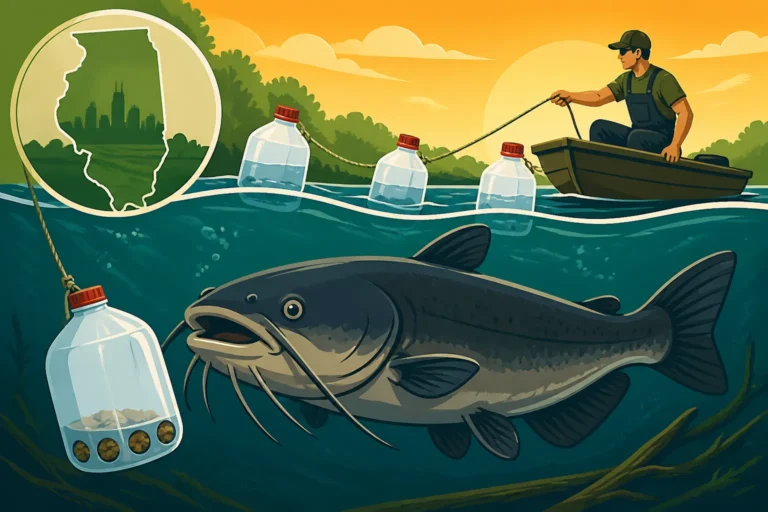
The biggest reason to embrace night fishing in Illinois is simple: many popular game fish become far more active after sundown. Species like catfish, walleye, and even some types of bass, often use the cover of darkness to move into shallower waters or more open areas to feed aggressively. The reduced light gives them an advantage over their prey, and it also makes them less wary of anglers. If you've been struggling to land those elusive big cats or trophy walleye during the day, the night might just be your golden ticket. You'll find that these fish are often less skittish and more willing to strike a bait or lure that they might ignore in bright daylight.
This shift in activity means that your chances of catching bigger fish can significantly increase. Think about those massive flathead catfish that lurk in deep holes during the day; they often venture out to hunt crayfish, shad, and other forage along the banks or on shallow flats under the cloak of night. Similarly, walleye, with their excellent low-light vision, can become absolute predators as dusk settles, moving from deeper structure to feast on baitfish in more accessible areas. Understanding this natural feeding behavior is crucial for success, making night fishing not just a different experience, but often a more productive one. To learn more about targeting specific species, check out our guide on How to Catch Catfish at Night.
Escaping the Crowds and Heat
Illinois summers can be brutal, especially when you're trying to enjoy a peaceful day of fishing. The oppressive heat makes both anglers and fish lethargic. By shifting your angling hours to the night, you completely bypass the mid-day heat. The cooler temperatures are not only more comfortable for you, but they're also often preferred by the fish. Cooler water can mean higher oxygen levels and more active fish, especially in shallower areas that heat up quickly during the day.
Beyond comfort, the lack of crowds is a huge draw. Imagine having prime fishing spots on Lake Shelbyville, Rend Lake, or even a local pond entirely to yourself. No competing for boat ramp access, no navigating around pleasure craft, and no pressure from other anglers. It’s just you, the water, and the fish. This solitude allows for a truly relaxed and focused fishing experience, enabling you to experiment with techniques and enjoy the peace and quiet that fishing is meant to provide.
Essential Gear for a Successful Night Fishing Trip
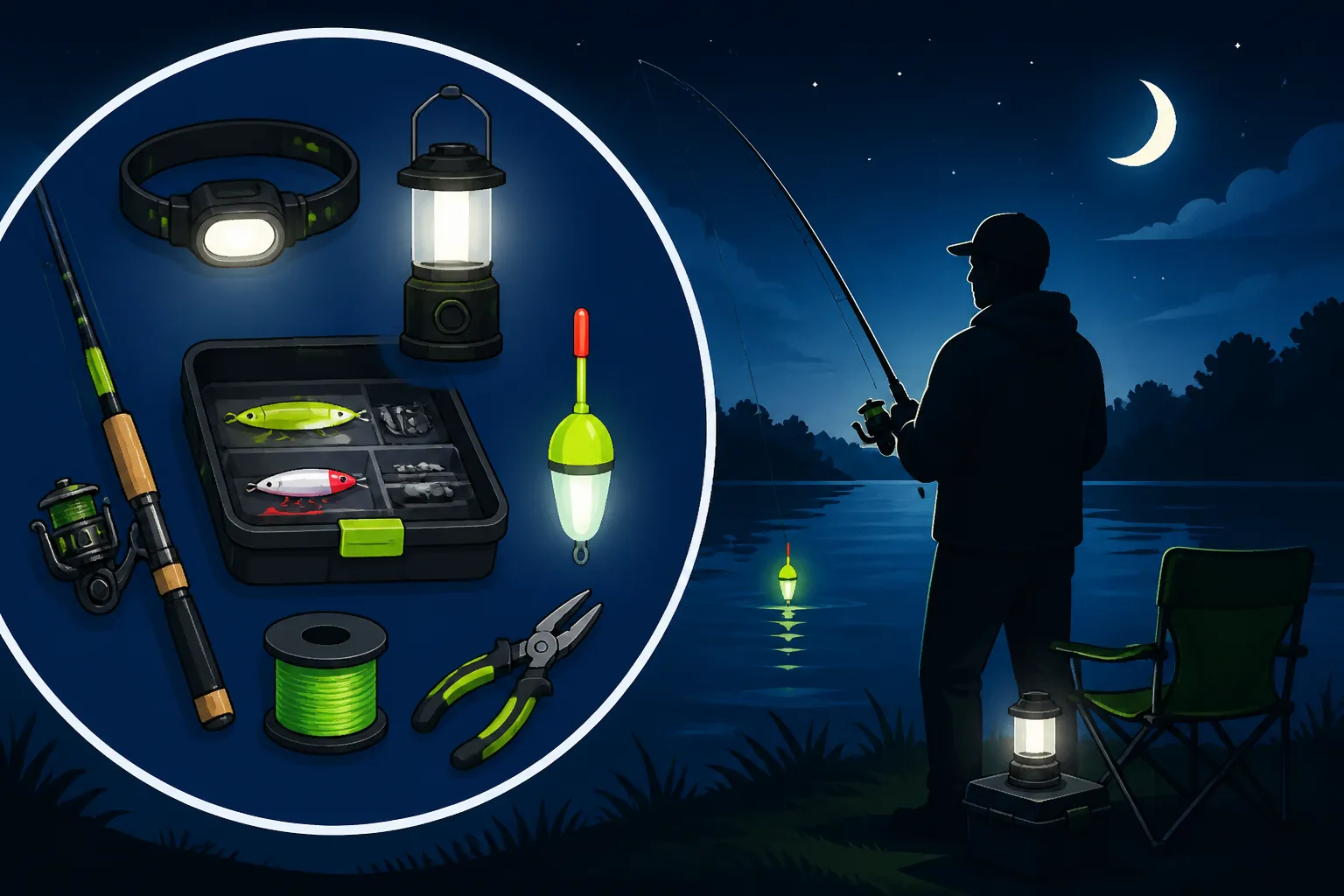
Venturing out after dark requires a bit more preparation than your typical daytime trip. While the core fishing gear remains the same, you'll need specialized equipment to ensure safety, visibility, and success. Don't worry, most of it is readily available and won't break the bank.
Lighting Solutions for Anglers
This is probably the most critical aspect of night fishing. You need light to tie knots, rig bait, unhook fish, and navigate, but you also don't want to spook fish or blind fellow anglers. It’s a delicate balance.
- Headlamps: A good quality headlamp with adjustable brightness and a red-light option is your best friend. The red light preserves your night vision and is much less likely to alarm fish or disturb other people. Brands like Black Diamond or Petzl offer excellent, durable options. Make sure it's waterproof and has a long battery life, or carry spare batteries. You can find a fantastic selection of these on Amazon.
- Lanterns (Area Lighting): For setting up your base camp on the bank or illuminating the deck of your boat, a battery-powered LED lantern provides soft, ambient light without harsh glares. Propane lanterns are an option for brighter light but emit heat and noise, which might not be ideal. Consider a lantern with a dimmer switch or multiple light settings. These are great for general tasks but should be turned down or off when you're actively casting.
- Rod Tip Lights/Glow Sticks: These are incredibly useful for bank fishing or when using multiple rods. Small LED lights or chemical glow sticks can be attached to your rod tip, making it easy to see subtle bites in the dark. Many anglers swear by these for passive fishing methods like bottom fishing for catfish.
- Boat Navigation Lights: If you're fishing from a boat, proper navigation lights are not optional – they are a legal requirement and essential for your safety. Ensure your boat's bow (red/green) and stern (white) lights are fully functional and visible. Always adhere to Illinois Boating Safety Equipment Checklist regulations.
| Lighting Type | Primary Use | Key Features | Pros | Cons |
|---|---|---|---|---|
| Headlamp | Hands-free task lighting | Adjustable brightness, red-light mode, waterproof, long battery life | Essential for close-up tasks, preserves night vision (with red light) | Can be too bright if not adjusted, battery dependent |
| LED Lantern | Area lighting (bank/boat) | Dimmable, battery-powered, soft ambient light | Illuminates a wider area, comfortable light, less disturbing to fish | Requires a flat surface, might be too much light if not dimmed, battery dependent |
| Rod Tip Lights | Bite indication | Small clip-on LEDs, chemical glow sticks | Excellent for detecting subtle bites, easily visible | Disposable (glow sticks), can be lost, only for rod tip |
| Boat Nav Lights | Legal navigation (boats only) | Red/green bow light, white stern light, 360-degree visibility | Crucial for safety and legality, makes you visible to others | Only for navigation, doesn't provide task lighting, requires functional boat electrical system |
Rods, Reels, and Line for Low-Light Conditions
While your favorite daytime setup will generally work, a few considerations can make your night fishing more effective. Sensitivity is key when you can't rely on sight to detect subtle bites.
- Rod Sensitivity: Opt for rods with good sensitivity. Graphite rods, with their ability to transmit vibrations, are excellent for feeling those light taps in the dark. A medium-light or medium action rod is often a versatile choice for many species you might target at night. You'll want to feel every little nudge and tug without seeing it.
- Line Choice: Monofilament line can be a good choice for night fishing due to its stretch, which can act as a shock absorber when a fish strikes aggressively in the dark. However, braided line offers superior sensitivity and strength, allowing you to feel even the faintest bites. If using braid, consider adding a fluorocarbon leader for abrasion resistance and stealth. Some anglers even prefer high-visibility braided lines, which, paradoxically, can be easier to see with a headlamp beam in the dark when trying to detect line movement.
- Reels: Your standard spinning or baitcasting reels will be fine. Just ensure they are well-maintained and smooth. The last thing you want is a sticky drag or grinding gears when you're fighting a trophy in the dark. A good, reliable reel that you're familiar with will make all the difference when you can't see what you're doing perfectly.
Bait and Lure Choices for the Dark
What works during the day might not be as effective at night, and vice-versa. Focus on baits and lures that rely on scent, vibration, or a pronounced profile rather than visual appeal.
- Scented Baits: For catfish especially, strong-smelling baits are king. Cut bait (shad, skipjack herring), chicken livers, nightcrawlers, and commercially prepared stink baits are all excellent choices. Catfish rely heavily on their sense of smell, and the darkness allows them to cruise confidently, seeking out these potent attractants. For specific tips on what works best, take a look at our Best Bait for Channel Catfish guide.
- Vibrating Lures: For predatory fish like walleye and bass, lures that create a lot of vibration are highly effective. Spinnerbaits, chatterbaits, and lipless crankbaits send out strong pulses that fish can detect with their lateral lines. Darker colors or those with a strong silhouette against the moonlit sky can also be effective.
- Topwater Lures: On calm nights, topwater lures can be absolutely exhilarating. Poppers, walk-the-dog baits, and buzzbaits create a commotion on the surface that can trigger explosive strikes from bass and even some aggressive walleye. Hearing that "KERPLOSH!" in the dark is one of the most exciting experiences in fishing.
- Glow-in-the-Dark Baits: While not always necessary, glow-in-the-dark jigs, plastics, or even small inline spinners can sometimes provide an added attractant, especially in very dark or deeper waters. You'll need to "charge" them with a flashlight periodically.
Safety and Comfort Essentials
Safety should always be your top priority, especially when operating in low-light conditions. Don't cut corners here.
- First-Aid Kit: A well-stocked first-aid kit is non-negotiable. Minor cuts, hook mishaps, or insect bites are more likely in the dark, and you want to be prepared. Include antiseptic wipes, bandages, pain relievers, and any personal medications.
- Insect Repellent: Mosquitoes and other biting insects come alive at night, particularly near water. Generously apply repellent to avoid a miserable and itchy experience.
- Warm Clothing: Even on warm summer days, nights can get surprisingly cool, especially on the water. Bring layers, including a jacket or hoodie, to stay comfortable. You'll thank yourself when that cool breeze kicks up.
- PFDs (Life Jackets): If you're on a boat, everyone must wear a life jacket, especially at night. It's not just a rule; it's a lifeline. Even bank anglers might consider wearing one if fishing near deep or fast-moving water. Review the Illinois Life Jacket and PFD Rules before you head out.
- Communication Device: A fully charged cell phone is crucial. Let someone know where you're going and when you expect to return. Consider carrying a portable power bank, easily found on Amazon, to recharge your phone or other electronics.
- Food and Water: Hydration is important even when it's cool, and you'll get hungry. Pack snacks and plenty of water or other non-alcoholic beverages.
- Knife/Multi-tool: Always handy for cutting line, opening packages, or various other tasks.
Preparing Your Fishing Spot for Darkness
You wouldn't run a marathon without scouting the course, would you? The same applies to night fishing. A little bit of daytime reconnaissance can make all the difference between a frustrating night and a fantastic one.
Daytime Reconnaissance is Key
Before you even think about setting up your gear for an evening under the stars, you absolutely need to visit your chosen fishing spot during the day. This isn't just a suggestion; it's a critical safety measure and a huge factor in your success. Take note of any potential hazards: submerged logs, tricky terrain, steep drop-offs, or slick spots near the water's edge. What looks like a clear path in daylight can become a treacherous obstacle course after dark. You’ll want to know exactly where you're casting, where you can safely move around, and what structures might hold fish.
Look for obvious signs of fish activity like baitfish schooling, jumping fish, or subtle swirls. Identify features that hold fish during the day, such as weed lines, rock piles, ledges, and channels, as these often become prime feeding grounds at night. For instance, a shallow flat adjacent to a deep channel might be a hotspot for walleye moving up to feed, or a weed bed that was too thick to fish in daylight might have clear lanes at night. Understanding the contours and cover of your chosen water body is paramount. If you're exploring new waters, consulting guides like Best Fishing Spots in Illinois can give you a head start on promising locations.
Setting Up Your Station Before Sunset
Once you've scouted your spot, aim to arrive well before sunset. Give yourself at least an hour of good daylight to get everything organized. This includes setting up your rods, arranging your tackle box, preparing your bait, and getting your lighting ready. Trying to fumble with knots or find a specific lure in the dark is not only frustrating but also wastes precious fishing time when the bite is often hottest. Layout your gear in a logical, accessible manner so you can grab what you need without much thought.
If you're fishing from the bank, clearly define your fishing zone. Clear away any tripping hazards like branches or loose rocks. Have your lantern set up to provide ambient light for your workspace, but keep your headlamp handy for close-up tasks. If you're on a boat, ensure all your electronics are functioning, anchor properly, and have your navigation lights ready to go. Having a systematic approach to your setup helps minimize fumbling in the dark and keeps your focus on the fishing itself. Remember that many productive night fishing areas are also popular during the day, so securing your preferred spot early can be advantageous.
Navigating and Safety Around the Water
Even with the best preparation, navigating in the dark presents unique challenges. On a boat, never operate at high speeds. Use your navigation lights and proceed cautiously, especially if you're unfamiliar with the water. If you don't have a reliable depth finder or GPS, stick to known routes or consider staying put once you've reached your chosen fishing spot. For more advanced navigation and fish-finding tools, you might find some excellent sonar units on Amazon that are perfect for low-light conditions.
For bank anglers, wear sturdy, closed-toe shoes with good grip. Avoid venturing into unfamiliar areas or trying to climb over rocks or slippery banks. Always have your headlamp on when moving, scanning the ground in front of you. A buddy system is highly recommended for night fishing – there's always safety in numbers. Let someone back home know your plans and approximate return time. Consider carrying a whistle to signal for help if needed. Adhering to these safety protocols is critical for a pleasant and incident-free night fishing experience. Read up on How to Fish After Dark Safely for even more in-depth advice.
Night Fishing Techniques and Best Practices
Fishing in the dark isn't just about showing up with a headlamp; it's about adapting your techniques to the conditions and the fish's changed behavior. You'll find that patience and a keen sense of feel become even more important.
Adjusting Your Presentation
In the absence of strong visual cues, fish rely more heavily on their other senses—smell, hearing, and their lateral line—to detect prey. This means your bait and lure presentation needs to change from what might work during the day.
- Slow Down Your Retrieve: Faster retrieves often work well in daylight when fish can chase prey visually. At night, a slower, more deliberate retrieve allows fish more time to locate your bait by scent or vibration. This is particularly true for bottom-feeding species like catfish or sluggish walleye. If you're using a jig, let it sink and then work it slowly along the bottom with gentle lifts and drops, mimicking an injured baitfish.
- Focus on Scent and Vibration: As mentioned earlier, baits with strong scent profiles are key for nocturnal feeders. When using lures, choose ones that displace a lot of water or have rattles to create audible cues. Spinnerbaits with larger blades, lipless crankbaits, or even jigs tipped with scented plastics can be incredibly effective. Consider using scent attractants on your lures for an extra edge.
- Less is Often More with Light: While you need light for tasks, avoid shining bright lights directly into the water for extended periods where you are fishing. Fish can be extremely light-sensitive at night, and a sudden beam of light can send them scattering. Use your red-light headlamp sparingly, or only use ambient lantern light behind you. The goal is to be a stealthy predator, not a spotlight.
Hooking and Landing Fish in the Dark
Successfully hooking and landing a fish at night requires a bit more finesse and a good understanding of your gear, since you can't see the fish or your line clearly.
- Pay Attention to Your Rod Tip and Line: With reduced visibility, your rod tip becomes your eyes. Watch for subtle twitches, bends, or sudden movements. If using braided line, you might feel a slight 'tick' that you'd miss with mono. Keep your line tight enough to feel bites but loose enough to allow the fish to take the bait naturally. For tips on managing different line types, check out Best Reels for Illinois Walleye Fishing.
- Set the Hook with Confidence: When you feel a bite, don't hesitate. A firm, confident hookset is crucial. You might not see the fish or the bait well, so trust your feel. If you're using circle hooks for catfish, simply reeling tight and letting the fish hook itself is often sufficient.
- Use a Landing Net: A good, sturdy landing net is invaluable at night. Trying to lip a bass or handle a catfish in the dark without a net is asking for trouble. Keep your net close at hand and ready to deploy as soon as you get the fish close to shore or the boat. Consider one with a telescopic handle to give you extra reach.
- Unhooking and Handling: Once the fish is in the net, use your headlamp (preferably on red light) to quickly and safely unhook it. Have your pliers or hook remover ready. If you plan to release the fish, minimize handling and get it back into the water as quickly as possible. For those keeping their catch, have a cooler with ice ready to go.
Weather and Water Considerations
Night fishing isn't immune to the whims of Mother Nature. In fact, understanding how conditions change after dark can significantly impact your success and safety.
- Water Temperature: As the sun sets, water temperatures often drop, especially in shallower areas. This cooling trend can sometimes trigger feeding activity, particularly for species that become sluggish in warm daytime water. However, extreme cold fronts can shut down the bite, regardless of the time of day. Knowing the Water Temperature and Fish Activity Guide can help you predict fish behavior.
- Moon Phase: Many anglers swear by moon phases for night fishing. A full moon can provide enough ambient light to make fishing quite comfortable, but some believe it also makes fish warier as they are more visible to predators. Conversely, a new moon offers maximum darkness, which can make some fish species bolder. Experiment to see what works best for your target species and preferred locations.
- Wind and Storms: Always keep an eye on the weather forecast. Wind can make boat control difficult and make casting challenging, especially with lighter baits. Approaching thunderstorms, with their lightning and heavy rain, are an absolute no-go. If you see lightning or hear thunder, pack up immediately and seek shelter. Safety is paramount, even if the fish are biting.
Respecting the Environment and Other Anglers
Just because it's dark doesn't mean etiquette goes out the window. In fact, being extra considerate is even more important.
- Minimize Noise and Light Pollution: Keep your voice down and your lights to a minimum, especially if other anglers are nearby. Sudden loud noises or bright flashes of light can disrupt the tranquility for everyone and potentially spook fish. If you're on a boat, avoid loud music or excessive engine noise.
- Leave No Trace: Pack out everything you pack in, including any discarded fishing line, bait containers, or food wrappers. Leave your fishing spot cleaner than you found it. Respecting the environment ensures that these beautiful Illinois fishing spots remain enjoyable for everyone for years to come.
- Be Aware of Wildlife: Nighttime brings out different creatures. Be aware of your surroundings, and avoid disturbing any nocturnal wildlife you might encounter. This includes being cautious about snakes, raccoons, and other animals that are more active after dark. Understanding the Illinois ecosystem and respecting its inhabitants is part of being a responsible angler.
Remember, night fishing is an adventure. It's a chance to see your favorite Illinois waters in a completely new light (or lack thereof!). With the right preparation, gear, and mindset, you'll unlock a whole new dimension of angling enjoyment and likely find yourself catching some incredible fish. Happy night fishing!
Disclaimer
This article is for general informational purposes only and does not constitute professional advice. Laws, prices and regulations vary by location and change over time. Consult a qualified professional for guidance on your specific situation.