Is Night Fishing Better Than Day Fishing?
Many Illinois anglers wrestle with the age-old question: when is the best time to wet a line, after the sun sets or while it's still high in the sky? It’s not just a matter of preference; the success of your fishing trip can be dramatically influenced by whether you choose to fish during the day or venture out under the stars. This guide will explore the unique advantages and challenges of both day and night fishing in Illinois, helping you decide which approach is best for your next angling adventure.
The Great Debate: Day Versus Night Fishing in Illinois
There’s a romantic notion about casting a line under the moonlight, with only the sounds of crickets and the ripple of the water to keep you company. But then there’s the classic appeal of a bright, sunny day on the lake, enjoying the warmth and clear visibility. Both scenarios offer distinct experiences, and more importantly, they offer different opportunities for catching fish. Deciding which is "better" isn't a simple yes or no; it largely depends on your target species, the season, the weather, and your personal comfort level. Let’s dive into why this debate even exists and what factors really come into play.
When Fish Behavior Shifts
Fish are just like us in some ways – they react to their environment, especially light levels and temperature. What might be a prime feeding window for a largemouth bass during the day could be a slow period for a walleye, which often prefers to hunt under the cloak of darkness. Understanding these fundamental shifts in fish behavior is crucial. For instance, many predatory fish, especially those with larger eyes, use the cover of darkness to their advantage, ambushing prey that becomes less visible as light fades. This makes them much more active and aggressive once the sun goes down.
Balancing Angler Comfort and Catch Rates
Let's be real, comfort plays a huge role in how much you enjoy your time on the water. Sweating through a hot summer afternoon trying to coax a bite can be downright miserable, even if the fish are theoretically active. On the flip side, navigating a boat or even just walking a bank in pitch black can be intimidating and even dangerous if you’re not prepared. This guide will lay out the practicalities of both, so you can weigh the potential for a bigger catch against your own well-being and enjoyment. It's about finding that sweet spot where conditions align for both you and the fish.
Why the Night Calls to Illinois Anglers
For many seasoned Illinois anglers, the idea of packing up their gear as dusk settles isn't a sign of calling it quits, but rather getting ready for the real fishing to begin. There's a certain magic to night fishing, a tranquility that daytime simply can't offer, alongside some very tangible fishing benefits.
Escaping the Heat and Crowds
Let's face it, Illinois summers can get brutally hot. Mid-day temperatures, especially from July through August, can make fishing uncomfortable and even dangerous. The sun beats down, water temperatures climb, and not only do you feel the heat, but the fish do too. Many species become lethargic in warm, bright conditions, retreating to deeper, cooler waters or hiding in dense cover. Night fishing offers a welcome reprieve from this discomfort. The air cools down, the water surface loses its intense glare, and the overall environment becomes much more pleasant for anglers.
Beyond the heat, think about the crowds. Popular lakes like Carlyle Lake, Lake Shelbyville, or even the bustling Chicago Lakefront can be packed with recreational boaters, jet skiers, and swimmers during daylight hours. This constant activity spooks fish, creates wake, and generally makes for a less peaceful fishing experience. When the sun sets, most of this activity ceases. You suddenly have vast stretches of water to yourself, allowing for quieter approaches, less competition, and a much more serene connection with nature. It’s a chance to truly unwind and focus on the fishing without constant distractions.
Species-Specific Behavior After Dark
This is where night fishing truly shines for certain species. Many of Illinois' most prized game fish become far more active and aggressive under the cover of darkness.
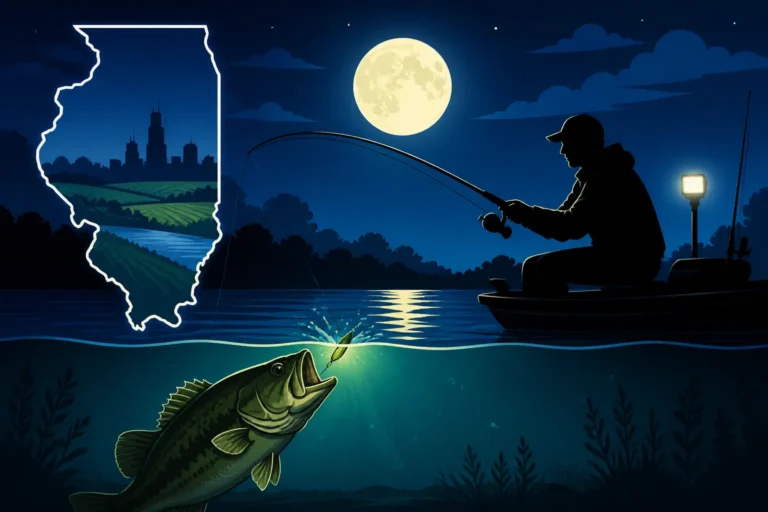
Take catfish, for example. Channel, blue, and flathead catfish are notorious nocturnal feeders. As the sun dips below the horizon, they often move from deeper channels into shallower flats and along shorelines to hunt for food. This makes them significantly easier to target, particularly for bank anglers or those fishing from a boat near structure. If you're looking to fill a cooler with some delicious catfish, night fishing is almost universally considered superior. You'll often find success with classic bottom fishing techniques, using stink baits, cut bait, or even live bait, which these predators will aggressively seek out in low light. For more specific advice on targeting these whiskered warriors, check out How to Catch Catfish at Night.
Walleye and sauger also exhibit strong nocturnal feeding patterns. These fish have excellent low-light vision, giving them a distinct advantage over their prey at night. While you can catch them during the day, particularly during cooler seasons or in deeper water, nighttime often brings them into shallower areas, making them more accessible to anglers casting from shore or trolling slowly. Many anglers swear by trolling crankbaits or jigging spoons around underwater humps and drop-offs during moonlit nights. This is especially true on larger reservoirs or stretches of the Mississippi River. The same can be said for large muskie and northern pike, which might use the low light to ambush unsuspecting prey.
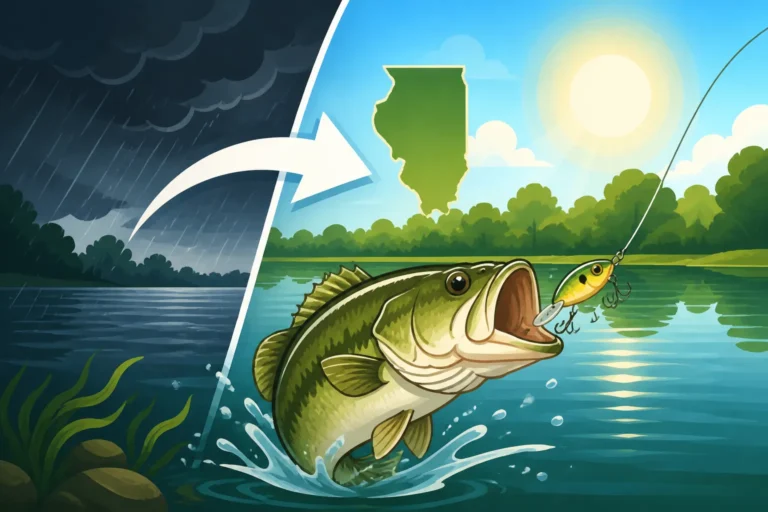
Even largemouth and smallmouth bass, primarily considered daytime predators, can have incredible nighttime bites, especially in heavily pressured waters or during hot summer months. They might cruise shallower edges and cover where they wouldn't dare during bright sunlight, feeling more secure under the veil of darkness. Topwater lures, spinnerbaits, and dark-colored jigs can be incredibly effective for enticing these nocturnal bass. The lack of visual cues for the fish means they often rely more on sound, vibration, and scent, making certain lures and baits irresistible.
The Undeniable Appeal of Daylight Fishing Trips
While night fishing offers its own unique thrills, there’s a reason why the vast majority of anglers still head out when the sun is shining brightly. Daylight fishing provides a combination of comfort, visibility, and broader opportunities that are simply unmatched after dark.
Visibility and Navigation Benefits
One of the most immediate and obvious advantages of fishing during the day is vastly improved visibility. For starters, it’s just safer. Navigating a boat, especially on unfamiliar waters or around submerged hazards, is infinitely easier when you can clearly see where you’re going. Even bank fishing becomes simpler, as you can easily spot your footing, avoid obstacles, and locate prime casting positions without fumbling in the dark.
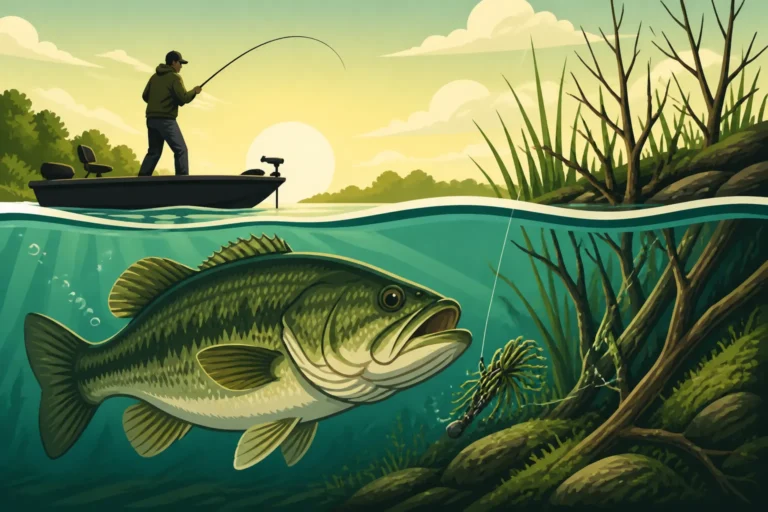
Visibility also plays a crucial role in your angling technique. Being able to see your line, detect subtle bites, and watch your lure’s action can significantly improve your hook-up ratio. You can visually identify promising structures like submerged logs, rock piles, weed lines, or changes in bottom contour – features that are incredibly difficult to pinpoint at night, even with a powerful fish finder. This visual feedback allows you to make more precise casts, work your lures more effectively, and react quickly to any signs of fish activity. Furthermore, when you're fishing in clear waters, being able to see schools of baitfish or the actual fish you're targeting provides invaluable information for refining your approach.
Broader Species Availability
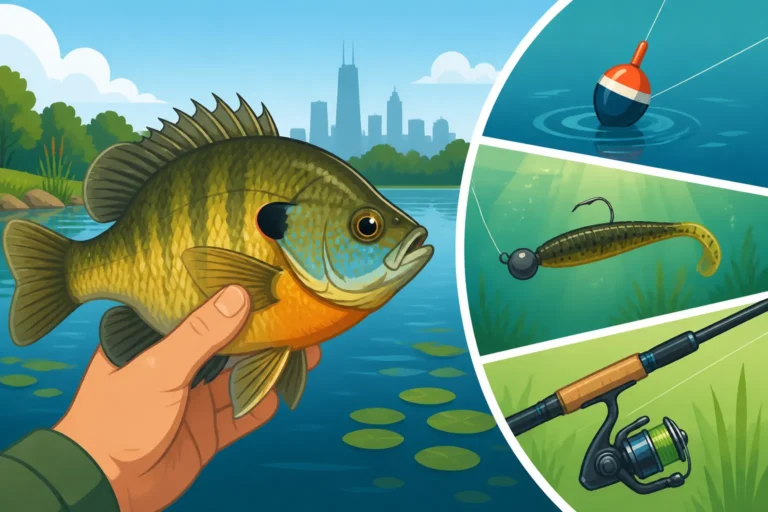
While some species truly thrive under the cover of darkness, many others are primarily daytime feeders, or at least much easier to catch when the sun is up. Panfish, like bluegill, crappie, and various sunfish, are generally much more active during the day. They feed heavily on insects and small organisms that are abundant in well-lit conditions. If you're looking for a relaxing day of catching a mess of bluegill for the frying pan or chasing schools of crappie in the spring, daytime fishing is almost always your best bet. You can find excellent crappie action in many of Illinois's best crappie fishing lakes by targeting brush piles and submerged timber during daylight hours.
Aggressive, sight-feeding predators like some strains of bass also respond incredibly well to daytime presentations. They often rely on their vision to track and ambush prey, making bright, flashy lures and fast-moving baits very effective. During the day, you can use a wider range of techniques, from topwater explosions to deep-diving crankbaits, with confidence that the fish can see your offering. Even walleye and northern pike, though they have nocturnal tendencies, can be caught consistently during the day, especially during cooler seasons or in turbid waters where light penetration is already low. Knowing the specific patterns for Illinois Walleye Size and Catch Limits during the day can really help you maximize your catch.
Convenience and Social Aspects
Daylight fishing simply offers a level of convenience that night fishing often lacks. Packing your gear, launching a boat, finding your spot, and even handling a catch are all easier when you’re not fumbling with a headlamp. This convenience extends to impromptu trips or bringing along less experienced anglers.
Day fishing is also inherently more social and family-friendly. It’s much easier to take kids out during the day, teach them how to cast, and enjoy a picnic on the bank. Many families cherish the memories made fishing together under the sun. You don't need specialized lighting, extra layers of clothing, or heightened safety protocols, which can make a big difference for a relaxed outing. Think about those pleasant spring or fall days, when the air is crisp, and the sun is just warm enough to be comfortable – perfect conditions for a leisurely day on the water with friends or family.
Key Factors Influencing Your Illinois Fishing Success, Day or Night
Regardless of whether you choose to fish by sunlight or moonlight, there are fundamental environmental factors that will always dictate your success on the water. Ignoring these can lead to a frustrating day or night, while paying close attention can drastically improve your odds.
Water Temperature and Seasonality
Water temperature is arguably the most critical factor influencing fish activity. Every species has an optimal temperature range for feeding, spawning, and general well-being. This changes dramatically throughout the year in Illinois's varied waters.
In the heat of summer, when daytime surface temperatures can soar, fish often seek cooler, deeper water to avoid thermal stress. This is precisely why night fishing can be so productive then; as the air cools after sunset, the surface water temperature drops, prompting fish to move into shallower feeding grounds. However, this same principle makes winter night fishing largely unproductive, as water temperatures are already extremely cold, and fish are often lethargic. Conversely, in spring, as waters warm from their winter chill, fish become more active, moving shallower to spawn. This is a prime time for daytime fishing for species like bass during their Illinois Bass Spawn Timing Guide or crappie. Understanding the seasonal patterns is key; a general guide like the Illinois Fishing Seasons Guide can provide valuable insights into what fish are active when.
Moon Phases and Cloud Cover
The amount of available light, whether from the sun or the moon, significantly impacts fish behavior. Just as fish react to the intensity of the sun, they also respond to moonlight.
A full moon can sometimes mimic cloudy daytime conditions, providing enough light for some nocturnal predators to hunt effectively in shallower waters. Some anglers swear by full moon nights for certain species, claiming the increased visibility for both angler and fish can enhance activity. However, too much moonlight can also make fish more wary, especially in very clear lakes, as they might feel more exposed. On the other hand, a new moon or heavily overcast nights provide maximum darkness, which can be ideal for species like catfish and walleye, giving them a superior advantage over their prey. Cloud cover during the day also impacts fishing; overcast days often diffuse sunlight, making fish more comfortable in shallower water and less prone to seeking deep cover, leading to better daytime bites compared to bright, sunny days.
Location-Specific Considerations
Not all bodies of water are created equal when it comes to day versus night fishing. Some lakes and rivers in Illinois are simply better suited for one over the other due to their unique characteristics.
For example, large, deep reservoirs like Lake Shelbyville or Carlyle Lake might offer excellent deep-water daytime fishing, but their vastness also makes them ideal for night fishing for cruising predators like walleye and catfish, especially around major structures or riprap. The Carlyle Lake Fishing Guide highlights specific areas that are productive, day or night. Smaller, shallower ponds or calm rivers might be fantastic daytime panfish spots but offer less appeal for night fishing unless you're specifically targeting bullheads or channel catfish. Similarly, the bustling Chicago Lakefront piers might be great for perch and small salmon during the day, but transitioning to night requires extra caution due to pedestrian traffic and limited visibility, though it can still yield good results for those specifically targeting salmon and trout after dark. Always check site-specific regulations, as some areas might have restrictions on night access or boating hours.
Navigating the Dark: Essential Gear and Safety for Night Fishing
If you’re planning to embrace the nocturnal side of Illinois fishing, preparation is paramount. The lack of light introduces unique challenges and significantly elevates the need for specific gear and heightened safety awareness.
Lighting and Navigation Tools
You simply cannot go night fishing without reliable light sources. A powerful headlamp with a red-light option is your best friend. The red light helps preserve your night vision, so you’re not constantly re-adjusting your eyes every time you turn on a bright white beam. Many excellent options are available on Amazon that are waterproof and durable. Carry spare batteries, always. For boat anglers, proper navigation lights are not just a recommendation; they are a legal requirement, crucial for your safety and the safety of others on the water. A good GPS unit, especially one with detailed mapping, is also incredibly valuable for finding your fishing spots and safely navigating back to shore in the dark. Even for bank fishing, a handheld spotlight can help you scan the shoreline for obstacles or identify landmarks.
Beyond personal lighting, consider how you’ll illuminate your fishing area if you’re stationary. Green or white submersible lights can be incredibly effective for attracting baitfish, which in turn draws in larger predatory fish like crappie or white bass. These lights create a column of light in the water, concentrating fish around your boat or dock, making them easier to target. When setting up for night fishing, plan your light strategy carefully, thinking about both your immediate needs and how to attract fish without spooking them. Remember, stealth is still key, even in the dark.
Specialized Tackle and Baits
Night fishing often calls for adjustments in your tackle and bait choices. Since fish rely less on sight in the dark, you'll want to emphasize other senses: vibration, sound, and scent.
Dark-colored lures (black, blue, purple) often create a stronger silhouette against the lighter sky or water surface, making them more visible to fish. Lures with rattles or thumping actions, like some crankbaits or spinnerbaits, create vibrations that fish can detect through their lateral lines. Soft plastics infused with strong scents or dipped in fish attractants become much more effective when visual cues are minimal. For catfish, the scent factor is paramount, which is why stink baits, cut bait, and chicken livers are so popular after dark. If you're targeting walleye or bass, glow-in-the-dark jigs or those with reflective strips can also draw attention. Stocking up on these specialized items from retailers like Amazon before your trip is a smart move. Heavy-duty line might also be advisable, as you’ll often be fishing by feel and need the extra strength if you hook a large fish near structure without the benefit of sight.
Safety Precautions and Companionship
Night fishing, while rewarding, carries inherent risks that are not present during the day. Safety must be your absolute top priority. Always tell someone exactly where you’re going and when you expect to return. Better yet, go with a buddy. There’s safety in numbers, and an extra pair of hands or eyes can make a world of difference in an emergency.
If boating, ensure all your Illinois Boating Safety Equipment Checklist for New Owners items are in perfect working order, especially navigation lights, a fully charged battery, and a working bilge pump. Wear your life jacket; don't just have it on board. Illinois has strict Illinois Life Jacket and PFD Rules, especially for children, and these are even more critical at night. Dress in layers, as temperatures can drop significantly, even on warm evenings. Carry a fully charged cell phone (in a waterproof bag), a first-aid kit, and plenty of water and snacks. Be aware of your surroundings, both on and off the water. Reduced visibility can mean you might not see wildlife, uneven terrain, or other hazards until it's too late. Being prepared and cautious ensures your night fishing adventure is enjoyable and safe.
Day vs. Night Fishing: A Quick Comparison
To help clarify the differences and guide your decision, here’s a straightforward comparison of day and night fishing in Illinois:
| Feature | Daytime Fishing | Nighttime Fishing |
|---|---|---|
| Visibility | Excellent for spotting structure, line, and fish | Limited, relies on lights, heightened sense of touch |
| Target Species | Panfish, aggressive bass, active sight feeders | Catfish, walleye, some bass, muskie, sauger |
| Comfort | Sun exposure, heat (summer), can be pleasant (spring/fall) | Cooler temps, peaceful, bug activity |
| Crowds | Often busy on popular waters | Significantly reduced boat/bank traffic |
| Safety | Generally higher visibility, fewer immediate hazards | Increased risks due to darkness, requires extra caution |
| Gear Needs | Standard tackle, sunscreen, sunglasses | Headlamps, specialized lights, scented baits, extra safety gear |
| Techniques | Diverse, visual cues important, sight fishing possible | Emphasis on scent, vibration, sound; blind casting |
| Best Seasons | Spring, Fall; early morning/late evening in Summer | Warm Summer nights; sometimes Spring/Fall full moons |
| Social Aspect | Excellent for family and group outings | More solitary or small-group activity |
Making Your Choice: When to Fish Day, When to Fish Night
So, is night fishing truly better than day fishing? The honest answer is: it depends on your goals, preferences, and the specific conditions you're facing.
If you're aiming for a relaxed, family-friendly outing, teaching kids how to fish, or targeting panfish and aggressive daytime bass in clear visibility, then day fishing is likely your best bet. It offers a broader array of species and generally fewer logistical challenges. For those seeking active white bass runs in spring, or pursuing crappie in brush piles, daylight provides the ideal conditions.
However, if you're an avid angler looking to escape the summer heat and crowds, or you specifically want to target nocturnal feeders like trophy catfish, walleye, or elusive summer bass, then night fishing offers unparalleled opportunities. The tranquility and challenge of the dark can be incredibly rewarding. For anglers focused on species like those found on the Mississippi River, exploring Mississippi River Catfish Fishing in Southern Illinois after dark can lead to some incredible catches.
Ultimately, the best approach is to be versatile. Don't limit yourself to just one. Try both! Experience the vibrant energy of a sunny morning bite and the quiet suspense of a moonlit night on the water. Each offers its own unique magic, its own lessons, and its own potential for that unforgettable catch. Just remember to always prioritize safety, regardless of the time of day, and have the right gear for the adventure you choose.
Disclaimer
This article is for general informational purposes only and does not constitute professional advice. Laws, prices and regulations vary by location and change over time. Consult a qualified professional for guidance on your specific situation.