Illinois Boating Safety Equipment Checklist for New Owners
When you first get your boat out on the water in Illinois, there's a certain freedom that comes with it. But with that freedom comes responsibility, and honestly, figuring out all the safety equipment requirements can feel like navigating a maze. Nobody wants to get a citation just because they missed a crucial piece of gear. This guide is here to cut through the confusion and give new boat owners a clear, comprehensive checklist of everything you need to keep safe and legal on Illinois waterways.
Navigating Illinois Boating Safety: Why This Checklist Matters
Setting out on the water should be about enjoyment, relaxation, and making memories, not about constantly worrying if you've got all your ducks in a row with the regulations. Yet, the truth is, an encounter with the Illinois Department of Natural Resources (IDNR) or local law enforcement without the correct safety gear can quickly turn a beautiful day into a costly headache. These rules aren't just arbitrary hoops to jump through; they're designed with your safety, and the safety of everyone else on the water, in mind.
It's easy to think, "Oh, I'm just going out on a calm lake, nothing will happen." But sudden weather changes, unexpected mechanical issues, or even another boater's mistake can escalate quickly. Having the right equipment readily available can be the difference between a minor inconvenience and a serious emergency. Understanding these requirements from the get-go saves you stress, potential fines, and most importantly, helps protect lives. This isn't just a list of items to buy; it's a foundation for responsible boating.
The Rationale Behind Boating Regulations
Boating regulations, especially those concerning safety equipment, exist for critical reasons. Think about a simple life jacket: in the event of an unexpected fall overboard, especially in cold water or if you're unconscious, a PFD can save a life faster than any rescue attempt. Visual distress signals, while perhaps seemingly unnecessary on a clear day, become absolutely vital if your boat breaks down at night or in dense fog, allowing rescuers to pinpoint your location. Each item on the mandatory checklist serves a specific purpose in preventing accidents or aiding in rescue when things go wrong.
The Illinois DNR, much like other state agencies, continually updates and enforces these regulations based on boating incident data, best practices, and federal guidelines. Their goal isn't to impede your fun but to promote a culture of safety across all Illinois lakes and rivers. By adhering to these guidelines, you're not just complying with the law; you're actively contributing to a safer environment for everyone enjoying our beautiful waters. It’s about being prepared for the unpredictable, even on familiar bodies of water.
The Illinois DNR: Your Partner in Safe Boating
The Illinois Department of Natural Resources (IDNR) is the primary authority overseeing recreational boating safety in the state. They're not just about enforcement; they're a fantastic resource for information, safety courses, and all the details you need to be a responsible boater. From offering Illinois Boater Education Card Requirements to maintaining comprehensive guides, their mission is to ensure that Illinois waterways are enjoyed responsibly. Many new boat owners feel intimidated by the sheer volume of rules, but the IDNR's resources, often found on their website, break down complex topics into understandable parts.
When you're out on the water, you might see IDNR conservation police officers. Their job is to ensure everyone is complying with regulations, which includes checking for required safety equipment. They're typically quite helpful and willing to answer questions, but they're also serious about safety. Being prepared means you can confidently pass any safety check, knowing you've done your part. Remember, a quick check of their official guidelines or taking a boater safety course can clarify many questions, making you a more confident and safer operator.
Your Essential Illinois Boating Safety Equipment Checklist
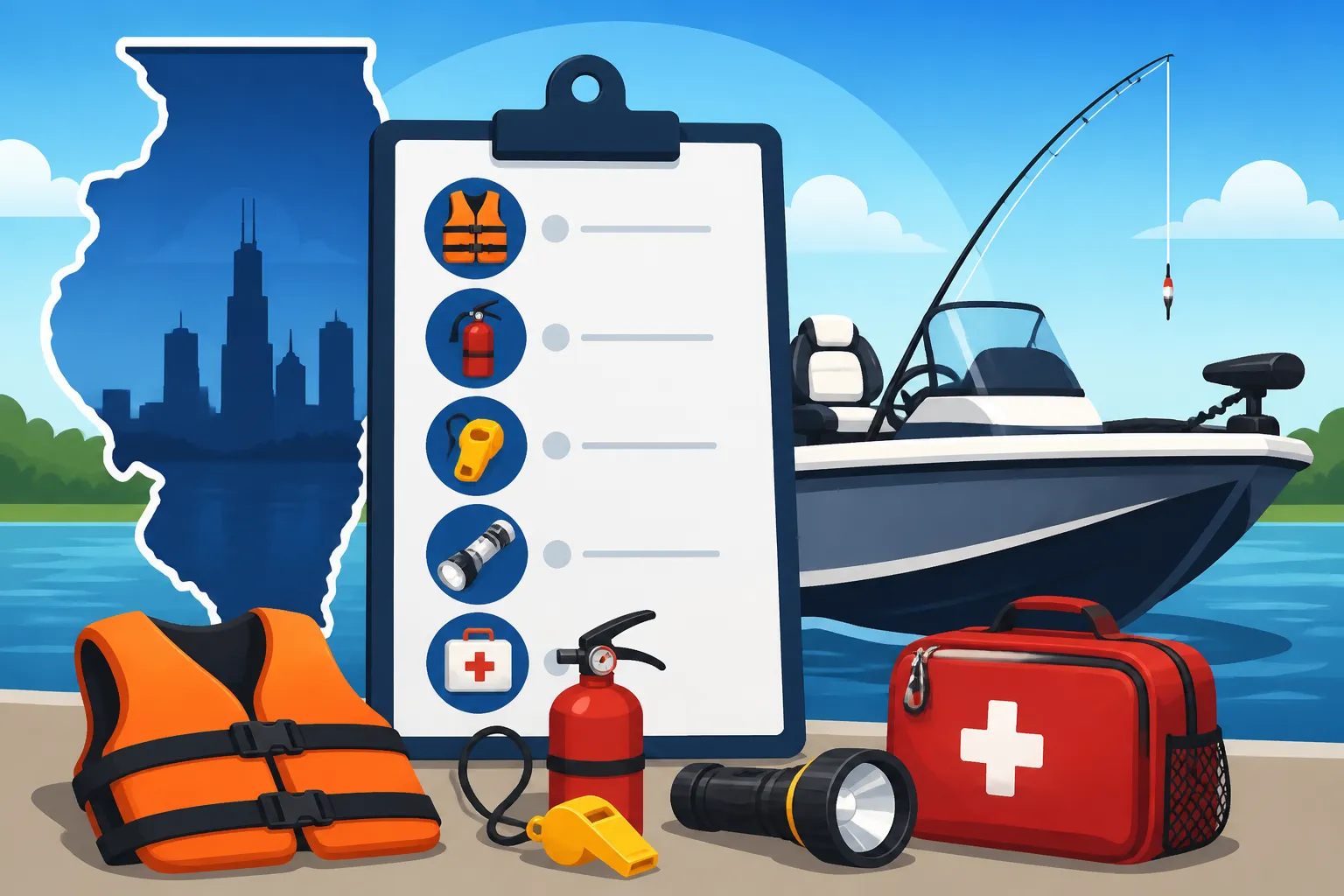
Let's dive into the nuts and bolts of what you actually need to have on your boat in Illinois. This isn't just a suggestion; these are the legally mandated items that every boater, new or experienced, must carry to avoid fines and, more importantly, stay safe. Each category has its own nuances, so pay close attention to the details that apply to your specific vessel. This comprehensive guide will ensure you have a firm grasp on the What Safety Gear Is Required on an Illinois Boat?.
Personal Flotation Devices PFDs for Everyone Aboard
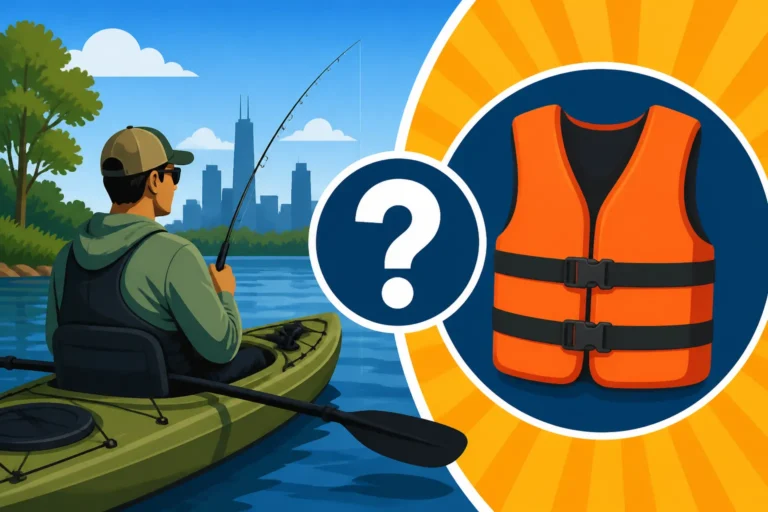
This is probably the most critical item on your checklist. Every person on your vessel must have access to a U.S. Coast Guard-approved personal flotation device (PFD), commonly known as a life jacket. But it's not enough to just have them; they must be of the appropriate size and type for each person, and in good serviceable condition. This means no rips, tears, or broken straps.
For children under 13 years of age, the rules are even stricter: they are required to wear an approved PFD at all times while underway on any vessel, unless they are below deck in an enclosed cabin or actively participating in a regulated water sports activity. This is a non-negotiable rule, and it's there to protect our most vulnerable passengers. Many parents find it easier to simply ensure all kids wear their life jackets whenever they step onto the boat, avoiding any confusion. You can read more about these specific rules in Illinois Life Jacket Rules for Children Under 13.
Beyond children, while adults aren't always required to wear their PFDs, having them easily accessible is paramount. This means not stowing them away in a locked compartment or under a pile of gear where they can't be reached quickly in an emergency. Different types of PFDs exist, from traditional foam vests (Type I, II, III) to inflatable models (Type V), each designed for different situations and comfort levels. For a complete rundown, refer to the Illinois Life Jacket and PFD Rules.
Essential Signaling and Alert Devices
Being able to signal for help or alert other boaters to your presence is crucial, especially in busy waterways or unexpected situations. Illinois law mandates specific sound-producing devices and, for certain boats, visual distress signals. These tools help prevent collisions and call for assistance when you need it most.
For sound-producing devices, every vessel must carry some means of making an efficient sound signal. For boats under 16 feet, a whistle or horn is sufficient. For vessels 16 feet and longer, a whistle or horn that can produce a two-second blast and be heard for at least half a nautical mile is required. Many boaters opt for an air horn or a marine-grade electric horn. It’s not just for emergencies; short blasts can be used for signaling intentions to other boats, like passing on the starboard side or indicating a turn. Make sure you understand the nuances of the Boat Horn and Whistle Requirements Explained.
Visual Distress Signals (VDS) are primarily for larger boats operating on federally controlled waters, which includes Lake Michigan. These can be pyrotechnic (flares) or non-pyrotechnic (flags, lights). If your boat is 16 feet or longer and you plan on venturing onto Lake Michigan, you'll need both day and night VDS. Flares have expiration dates, so make sure yours are current. For smaller boats on inland lakes and rivers, VDS are not usually required, but it's always a smart idea to carry a flag or an emergency strobe light, especially if you plan on being out at dusk or dawn.
Fire Protection and Prevention Onboard
Fires on boats can be incredibly dangerous, spreading rapidly with limited options for escape. This is why fire extinguishers are a mandatory piece of safety equipment for most motorized vessels in Illinois. The type and number of extinguishers you need depend on the size of your boat and whether it has specific features like enclosed engine compartments or permanently installed fuel tanks.
Generally, boats with internal combustion engines will require at least one B-I type fire extinguisher. Boats 26 to less than 40 feet will need two B-I types or one B-II type. Larger vessels 40 to less than 65 feet will require three B-I types or one B-II and one B-I. The "B" classification means they are effective against flammable liquids, which is what you'd typically encounter on a boat. Crucially, these extinguishers must be U.S. Coast Guard-approved, fully charged, and readily accessible. Stowing them in an inaccessible locker makes them useless in a fast-moving emergency.
Always check the gauge on your extinguisher regularly to ensure it’s still in the green, indicating it's fully charged and ready for use. If you have an older model that needs to be inverted and shaken to check the powder, make sure you do that too. It's also wise to understand how to operate your extinguisher before an emergency arises. For precise requirements based on your boat's size and features, consult Fire Extinguisher Requirements for Illinois Boats.
Navigating Safely in Low Light Conditions
Operating a boat after sunset, before sunrise, or during periods of restricted visibility (like fog or heavy rain) requires specific navigation lights to ensure you are visible to other vessels. These lights are essential for preventing collisions in low-light conditions.
The exact configuration of navigation lights depends on the size and type of your vessel. Generally, power-driven vessels underway must display a masthead light, sidelights (red for port, green for starboard), and a stern light. Boats less than 20 meters (approximately 65 feet) can often get by with a combined masthead/all-around white light, along with sidelights. Sailboats have their own specific requirements, usually involving a masthead tricolor light or separate sidelights and a stern light.
It's not just about having the lights; they must be properly positioned, visible from the required angles, and in good working order. Before every night outing, make it a habit to test all your navigation lights. A simple burnt-out bulb could make your boat invisible to another vessel, leading to a dangerous situation. These lights are critical for others to determine your direction of travel and avoid contact, especially on crowded nights or in areas with commercial traffic.
Beyond the Mandates: Smart Additions for Illinois Waters
While meeting the legal requirements is paramount, true boating safety extends beyond the bare minimum. Smart boaters recognize that a few extra items can significantly enhance their safety, comfort, and preparedness for a wider range of situations. These aren't necessarily mandated by law, but they are highly recommended, especially when you consider the varied conditions of Illinois waters, from the vastness of Lake Michigan to the winding Illinois River.
Think of these additions as your "peace of mind" package. They can help you out of a sticky situation, make your day on the water more enjoyable, and ensure that if something unexpected does happen, you're not caught completely off guard. Investing a little extra in safety equipment now can save you a lot of trouble, stress, or even expense down the line. It's all part of being a well-prepared and responsible boater, and a good way to look out for your crew and other boaters.
Anchors, Lines, and Docking Essentials
Having a reliable anchor and sufficient anchor line is invaluable for various reasons beyond simply holding your boat in place while fishing. An anchor can be a lifesaver in an emergency, such as engine failure, preventing your boat from drifting into dangerous areas or strong currents. The general rule of thumb is to have at least 7-10 feet of anchor line for every foot of water depth you expect to anchor in, plus a little extra. The type of anchor also matters; a fluke anchor might work well in sandy bottoms, while a claw or grapnel anchor might be better for rocky areas or heavy weeds.
Docking lines (fenders and mooring lines) are also crucial. Fenders protect your boat's hull from bumps and scrapes against docks or other vessels. Having at least two good-quality mooring lines, properly sized for your boat, will make docking and tying up a breeze. These seemingly simple items are often overlooked by new owners until they face their first challenging docking maneuver in wind or current. Being prepared with these simple tools can prevent minor damage and major frustration, especially when navigating busy ramps. Knowing your Illinois Boat Trailer and Ramp Tips can also improve your overall experience.
Emergency Preparedness and Communication
Even with all the required safety gear, things can still go wrong. That's where a well-stocked first-aid kit, a tool kit, and reliable communication devices come into play. A marine first-aid kit, specifically designed for boating, should include items for cuts, seasickness, burns, and other common on-water ailments. A basic tool kit with screwdrivers, pliers, and a wrench can help with minor engine issues or loose fittings that pop up unexpectedly.
Perhaps most importantly, reliable communication is key. While your cell phone is handy, it's not always reliable on the water, especially in remote areas or during power outages. A VHF marine radio is a much more dependable form of communication for emergencies, allowing you to contact the Coast Guard (Channel 16) or other vessels. A fully charged portable battery bank for your cell phone can also be a lifesaver. Consider even a simple signal mirror or a bright, high-intensity flashlight for signaling, especially if your boat isn't required to carry VDS. These tools provide layers of protection, ensuring you're never truly alone if an emergency strikes.
Where to Find and What to Consider When Buying Safety Gear
Now that you know what you need, the next step is actually acquiring it. It's not just about buying the cheapest option; it's about investing in quality, U.S. Coast Guard-approved gear that will perform when you need it most. There are several avenues for purchasing your boating safety equipment, each with its own advantages. Whether you prefer to see the items in person or shop from the comfort of your home, there are options available.
When shopping, always look for the U.S. Coast Guard approval stamp on PFDs, fire extinguishers, and any other items where it's required. This ensures the equipment meets federal safety standards. Also, consider the specific needs of your boat and crew. Do you often have young children aboard, requiring specific PFD types? Will you be out on large bodies of water that might necessitate more robust visual distress signals? Tailoring your purchases to your actual boating habits is a smart move.
Shopping for Gear at Local Retailers
Many new boat owners find it incredibly helpful to visit a large sporting goods store or a dedicated marine supply shop. Places like Bass Pro Shops often have entire sections dedicated to marine safety equipment. The huge benefit here is that you can physically see and handle the items. You can try on different sizes of life jackets to ensure a proper fit, compare fire extinguisher types, and ask knowledgeable staff questions about specific regulations or product features.
Local marine dealers, even if they primarily sell boats, will also carry a selection of essential safety gear. These smaller shops often have staff with extensive local boating knowledge who can provide tailored advice on what works best for Illinois waterways. While prices might sometimes be slightly higher than online, the ability to get expert advice, ensure proper fit, and avoid shipping delays can be well worth it, especially for critical items like PFDs or complex signaling devices. Plus, it's a great way to support local businesses in your boating community.
Online Options for Boating Essentials
For those who prefer the convenience of online shopping, retailers like Amazon offer a vast selection of boating safety equipment. This can be a great option for comparing different brands, reading customer reviews, and often finding competitive prices. You can browse everything from whistles and air horns to comprehensive first-aid kits and specialized navigation lights, all from your couch. This is particularly useful for stocking up on less urgent items or replacing gear that's expired or worn out.
However, when buying online, be extra diligent about checking product descriptions for U.S. Coast Guard approval and ensuring items meet Illinois's specific regulations. Without being able to physically inspect the item, you rely heavily on accurate descriptions and reviews. Always confirm sizes for PFDs, expiration dates for flares, and the correct classification for fire extinguishers. While online shopping offers unparalleled convenience and selection, a little extra scrutiny goes a long way to ensure you're getting the right, compliant gear.
Here's a quick reference table for the absolute essentials:
| Equipment Category | Item | Requirement Details | Check for |
|---|---|---|---|
| Personal Flotation Devices | Life Jackets (PFDs) | One USCG-approved PFD per person on board. Must be in good, serviceable condition and readily accessible. Children under 13 must wear them while underway (with specific exceptions). | USCG-approved label, proper fit, no damage |
| Throwable Flotation | Type IV Throwable Device | One USCG-approved Type IV (ring buoy, buoyant cushion) for vessels 16 feet or longer. Must be immediately accessible. | USCG-approved label, no damage, accessible |
| Sound-Producing Device | Whistle, Horn, or Bell | For boats under 16 feet: a whistle or horn. For boats 16 feet or longer: a whistle or horn audible for 0.5 nautical miles for 2 seconds. Bell required for vessels 20m (65.6ft) and up. | Functional, audible, accessible |
| Visual Distress Signals (VDS) | Day & Night Signals (flares, flag) | Required for vessels 16 feet or longer when operating on federally controlled waters (e.g., Lake Michigan). Must be USCG-approved and unexpired. | USCG-approved, unexpired, both day/night |
| Fire Extinguisher | Portable, Type B | Required for most motorized vessels, depending on boat size and features (e.g., enclosed engine, permanent fuel tanks). Must be USCG-approved, charged, and accessible. | USCG-approved, charged gauge (green), accessible |
| Navigation Lights | Bow, Stern, Sidelights | Required for all vessels operating between sunset and sunrise, or during periods of restricted visibility. Must meet specific color, arc, and visibility requirements. | Functional, correct color/placement, visible |
Remember, this table is a summary. Always double-check the latest regulations from the Illinois DNR for specific details regarding your vessel's size and type. Preparing your boat with this Illinois Boat Safety Equipment Checklist will set you up for many enjoyable and safe adventures on the water.
Disclaimer
This article is for general informational purposes only and does not constitute professional advice. Laws, prices and regulations vary by location and change over time. Consult a qualified professional for guidance on your specific situation.