Illinois Walleye Size and Catch Limits
There’s nothing quite like the thrill of a walleye tugging on your line in Illinois, but for many anglers, the excitement quickly turns to confusion when trying to figure out what you can actually keep. The rules aren't always straightforward, with statewide regulations often differing from what's allowed on your favorite local lake or river. This guide aims to clear up all that uncertainty, detailing the Illinois walleye size and catch limits so you can fish with confidence and stay on the right side of the law.
Understanding Statewide Walleye Regulations
When you're out on the water, the Illinois Department of Natural Resources (IDNR) has a baseline set of rules for walleye that apply to most bodies of water across the state. Think of these as the default settings, the regulations you should assume are in effect unless you've specifically checked for site-specific variations. Ignoring these general rules can lead to disappointment or, worse, a citation from a game warden.
The Illinois Walleye Minimum Size Limit
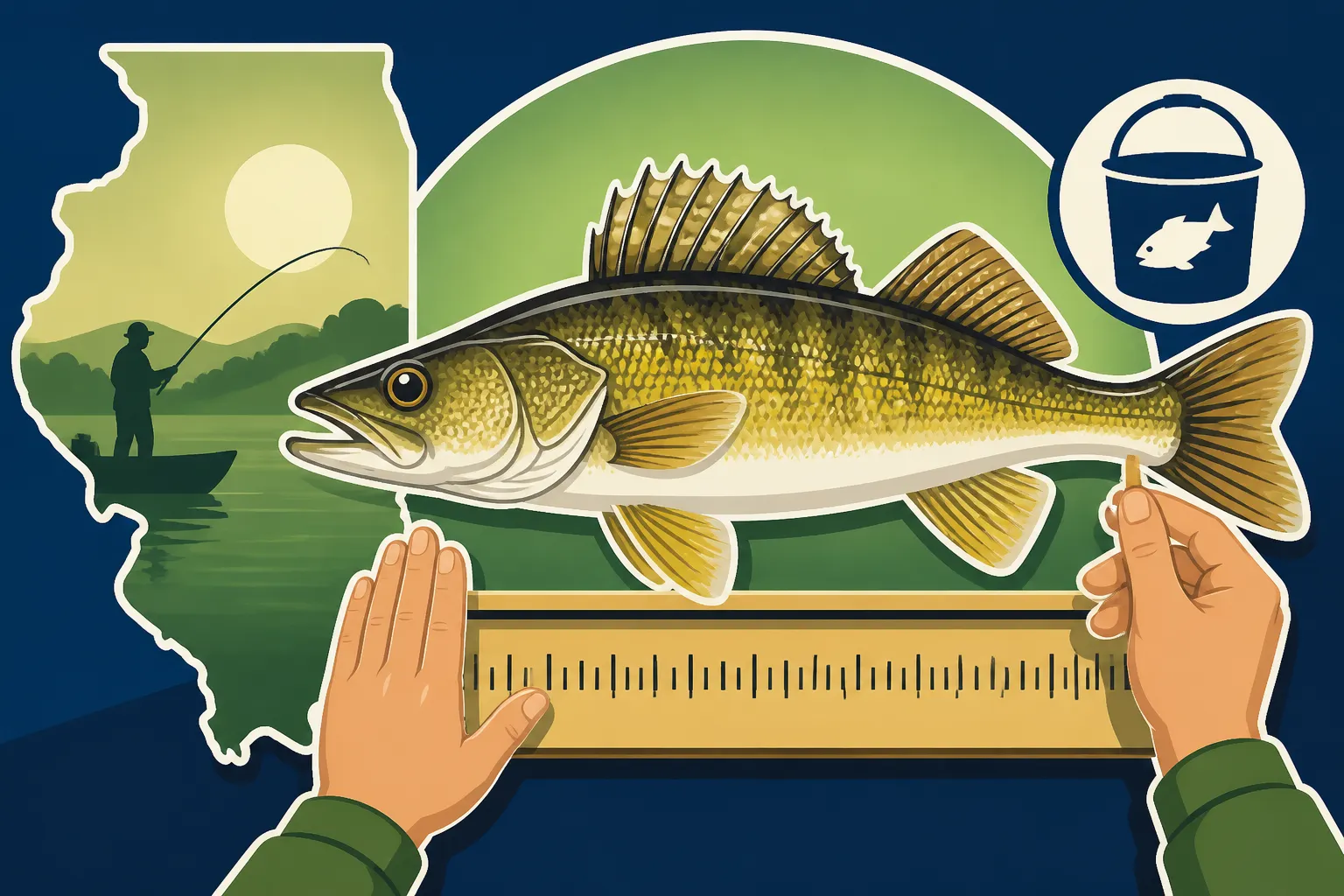
The most common question I hear from fellow anglers is about size. "How big does this walleye need to be before I can put it in the cooler?" And it's a fair question, especially when you're excitedly pulling in a feisty fish. For the vast majority of Illinois waters, the statewide rule is simple: any walleye you intend to keep must be at least 14 inches long. This isn't a suggestion; it's a hard limit. If your fish measures less than 14 inches from the tip of its nose to the end of its tail, it needs to go back into the water immediately, unharmed.
This minimum size limit isn't just an arbitrary number. It’s a carefully considered conservation measure designed to allow walleye enough time to mature and reproduce at least once, ensuring future generations of fish. Catching a smaller walleye can be exciting, but releasing it allows that fish to grow bigger and contribute to the population, making for better fishing for everyone down the line. Always carry a reliable measuring tape or board on your boat or in your tackle box – it's an essential tool for any responsible walleye angler.
The Illinois Walleye Daily Catch Limit
Beyond size, there's also a limit to how many walleye you can keep in a single day. This is often referred to as the "daily creel limit" or "daily bag limit." Across most of Illinois, you are allowed to keep a maximum of six (6) walleye per person per day. This means that once you've landed six legal-sized walleye, your walleye retention for the day is over, even if you continue to fish for other species.
It's crucial to understand that this limit applies to your possession on the water. If you've caught six walleye and put them in your livewell, you can't then catch another six and release the smaller ones. Your daily limit is six fish, period. This regulation, like the size limit, is in place to prevent overharvesting and maintain healthy fish populations. It ensures that the resource is shared among many anglers and remains viable for years to come.
Why These Regulations Matter for Walleye Health
These seemingly strict rules are actually the backbone of sustainable fishing in Illinois. Without them, it would be far too easy for anglers to deplete local walleye populations, leading to fewer fish, smaller fish, and ultimately, a decline in the quality of fishing for everyone. The IDNR studies fish populations, growth rates, and reproductive success to determine these limits, constantly adjusting them as conditions change.
Beyond the numbers, these regulations foster a culture of conservation among anglers. They encourage us to think about the long-term health of our fisheries rather than just the immediate gratification of a full cooler. Understanding the "why" behind the rules can make compliance much easier and even more fulfilling. It’s all part of ensuring that the joy of catching walleye can be experienced by generations to come. For a broader look at all the rules, check out our guide on the Illinois Fishing Regulations Overview.
Site-Specific Walleye Rules: When Local Trumps Statewide
While the statewide regulations for walleye provide a good baseline, they are by no means universal. One of the biggest mistakes anglers make is assuming that the 14-inch minimum and six-fish daily limit apply to every single body of water in Illinois. This simply isn't true, and failing to check site-specific rules can land you in serious trouble. Many lakes and rivers have unique ecological conditions, stocking programs, and fishing pressures that necessitate their own tailored regulations. This is why our article on Why Fishing Rules Vary by Lake and River is so important.
Navigating Lake-Specific Walleye Limits
You might be surprised to find how much walleye regulations can vary from one lake to another, even those relatively close by. For instance, popular fishing destinations like Carlyle Lake, Rend Lake, or Lake Shelbyville might have different minimum sizes, slot limits, or even lower daily bag limits than the statewide standard. These changes are often implemented to protect specific age classes of fish, encourage growth, or manage populations that are under particular strain.
Take the Mississippi River, for example. Because it's a border water shared with other states like Missouri and Iowa, the walleye rules can sometimes differ, especially in pooled sections. You'll often find specific regulations for various pools of the river, which might include unique size limits or combined possession limits for walleye and sauger. It's not uncommon to see a 15-inch minimum on some stretches, or even a smaller daily creel limit of three or four fish. Always, always, consult the latest Illinois Fishing Information Guide Covers April 2026 Through March 2027 or specific lake signage before you wet a line.
Special Walleye Harvest Regulations and Exemptions
Beyond simple size and bag limits, some Illinois waters implement more nuanced regulations designed to achieve specific fishery management goals. These often come in the form of "slot limits" or "trophy exceptions." A slot limit means you can keep fish below a certain size (e.g., under 14 inches) and above another size (e.g., over 18 inches), but not fish within the "slot" (e.g., 14-18 inches). The idea here is to protect the sexually mature, breeding-size fish within the slot, allowing them to reproduce and grow, while still permitting harvest of younger fish and older, larger fish that might have passed their prime reproductive years.
Trophy exceptions are less common but do exist. These might allow anglers to keep one fish over a very large size, even if it falls within a typical protected slot, to reward persistent anglers for landing a truly exceptional specimen. These special regulations are often found on lakes that are managed for quality walleye fisheries, where the goal is to produce larger, healthier fish. Understanding these nuances is key, as violating a slot limit can be just as serious as keeping an undersized fish. Always double-check the regulations for your chosen fishing spot before you cast your first line.
| Water Body | Minimum Size Limit | Daily Catch Limit | Special Notes |
|---|---|---|---|
| Statewide General Rule | 14 inches | 6 walleye | Applies to most waters unless otherwise specified |
| Carlyle Lake | 14 inches | 6 walleye | |
| Lake Shelbyville | 14 inches | 6 walleye | |
| Rend Lake | 14 inches | 6 walleye | |
| Mississippi River (Pool 12) | 15 inches | 4 walleye/sauger | Combined limit for Walleye and Sauger |
| Fox Chain O'Lakes | 14 inches | 3 walleye | |
| Shabbona Lake | 16 inches | 3 walleye |
Note: This table provides examples and is not exhaustive. Always consult the most current IDNR regulations before fishing.
How to Stay Informed About Walleye Regulations
The world of fishing regulations can feel like it's constantly shifting, and frankly, it can be a real pain to keep up. But staying informed isn't just about avoiding a ticket; it's about being a responsible angler who contributes to the health of Illinois's amazing fisheries. The good news is, there are straightforward ways to ensure you have the most current information before you even leave your driveway.
Essential Resources for Anglers
Your absolute best friend for staying up-to-date on Illinois fishing regulations is the Illinois Department of Natural Resources (IDNR). They are the ultimate authority, and their website is packed with current information. You can usually find a dedicated "Fishing Regulations" section that includes not only the statewide rules but also specific details for individual lakes, rivers, and impoundments. They also publish an annual "Illinois Fishing Information Guide" which is incredibly comprehensive. You can often pick up a physical copy at bait shops, sporting goods stores like Cabela's, or IDNR offices, or download a digital version directly from their site. This guide covers everything from general rules to species-specific limits, including a dedicated section on the Illinois Walleye Minimum Size Limit of 14 Inches and the Illinois Walleye Six-Fish Daily Limit on Select Waters.
Don't forget local resources either. Many well-established bait shops, especially those near popular fishing lakes, are goldmines of information. The folks working there usually know the ins and outs of local regulations, recent changes, and even what’s biting. They often have printed copies of local rules or can direct you to online resources. Additionally, fishing forums and online groups can be helpful for sharing information, but always cross-reference anything you hear there with official IDNR sources. Treat forum discussions as tips, not gospel.
Checking Regulations Before You Go
Making a quick check of the regulations part of your pre-trip ritual is the smartest move you can make. Before you even pack your rods or load up the boat, hop online or pull out your fishing guide. I always recommend doing this, even if you’ve fished a particular spot countless times. Regulations can change seasonally, annually, or even due to specific biological events. What was true last year might not be true this year.
Here’s a simple routine:
- Identify your target water body: Know the exact name of the lake or river you'll be fishing.
- Visit the IDNR website: Navigate to the fishing section and search for site-specific regulations for that water body.
- Cross-reference: If you’re fishing a border water like the Mississippi River, quickly check the regulations for the adjacent state as well to understand any reciprocity rules, which can sometimes apply to shared waters.
- Confirm the license year: Remember that the Illinois license year starts on March 1st. Ensure you’re looking at the current year’s regulations.
This quick five-minute check can save you a lot of headache and ensure your fishing trip is enjoyable and compliant. And speaking of compliance, make sure your Illinois Fishing License Guide for 2026 is current!
The Impact of Walleye Regulations on Anglers and the Fishery
It's easy to view fishing regulations as burdensome rules that just make our lives harder, but that's a narrow perspective. These regulations, particularly for popular species like walleye, are vital tools for ensuring that Illinois continues to offer fantastic fishing opportunities for years to come. They directly influence the health of fish populations and the overall quality of your angling experience.
Promoting Sustainable Walleye Populations
The core purpose of walleye size and catch limits is sustainability. Walleye are a highly sought-after game fish, and without proper management, their populations could quickly decline due to overfishing. The 14-inch minimum size limit, for example, is designed to allow most walleye to reach sexual maturity and spawn at least once before they are harvested. This is critical for perpetuating the species. A female walleye can lay tens of thousands of eggs, so allowing her to reproduce even one time significantly boosts the chances of a healthy population.
Similarly, the daily catch limit prevents a few anglers from taking an excessive number of fish, spreading the harvest more equitably among the fishing community. It also provides a buffer against unforeseen environmental stressors, giving populations a better chance to recover. When you adhere to these limits, you're not just following a rule; you're actively participating in the conservation efforts that keep Illinois's walleye fisheries thriving, often supplemented by IDNR stocking programs in various lakes.
What Happens If You Break Walleye Rules
While the focus is always on education and conservation, there are serious consequences for failing to follow Illinois fishing regulations. Getting caught with undersized walleye, exceeding your daily limit, or fishing without a proper Illinois Fishing License Guide for 2026 can lead to significant penalties. These aren't just minor slaps on the wrist. Our article on Penalties for Fishing Without a License in Illinois details the potential repercussions.
Typically, violations can result in substantial fines, which can range from hundreds to thousands of dollars depending on the severity and frequency of the offense. In some cases, especially for repeat offenders or egregious violations, you could face confiscation of your fishing gear, your boat, or even your vehicle. Your fishing privileges could also be suspended or revoked, meaning you wouldn't be able to legally fish in Illinois for a set period. Game wardens are well-trained, dedicated, and vigilant, and they have the authority to check your catch, your license, and your compliance with all regulations. It’s far better to err on the side of caution and ensure you’re always in compliance.
Gear and Tactics for Illinois Walleye Within the Rules
Successfully targeting walleye in Illinois requires not just an understanding of the regulations, but also the right gear and effective tactics. Walleye are known for being a bit elusive, often preferring specific conditions and presentations. Equipping yourself properly and knowing how to approach these fish will significantly increase your chances of a successful and legal catch.
Recommended Gear for Walleye Fishing
When it comes to walleye, having the right rod and reel can make all the difference. A medium-light to medium-action spinning rod, typically 6'6" to 7' long, paired with a reliable spinning reel spooled with 6-10 lb test monofilament or fluorocarbon line is a versatile setup. For those who prefer a baitcasting setup, a medium-action rod of similar length with a good quality baitcasting reel and 10-14 lb fluorocarbon works well, especially for heavier presentations or when fishing the Illinois Walleye Fishing Season on the Mississippi River. Many excellent options for these setups can be found on Amazon, offering a wide range of price points for every budget.
Lures are another critical component. Walleye are opportunistic feeders, so having a variety of options is key. Crankbaits that mimic baitfish, like Rapalas or Berkley Flicker Shads, are staples for trolling or casting along drop-offs. Jigs tipped with live bait (minnows, nightcrawlers) or soft plastics are incredibly effective, especially when using Walleye Jigging Techniques near structure or current seams. For colder water, blade baits or snap-jigging heavier spoons can trigger strikes. Make sure your tackle box is organized and ready for different scenarios. Our guide on Best Walleye Lures for Cold Water offers more specific recommendations.
Ethical Angling and Catch-and-Release Practices
Even when you're within your legal limits, practicing ethical angling is essential. This includes knowing how to properly handle fish you intend to release. Walleye can be delicate, especially their internal organs, and improper handling can lead to mortality even if they swim away. When releasing fish, try to minimize their time out of the water. Use wet hands to reduce the removal of their protective slime coat, and avoid squeezing their bellies.
Consider using barbless hooks, or at least pinching down the barbs on your hooks, as this makes removal much easier and less damaging to the fish. If a fish is deeply hooked, especially in the gills or throat, it's often best to cut the line as close to the hook as possible rather than trying to rip it out. This increases the fish's chances of survival. These practices contribute to a healthier fishery and demonstrate respect for the resource. Whether you’re learning How to Catch Walleye From a Boat or fishing from shore, responsible handling is paramount.
Disclaimer
The information provided in this guide is for general informational purposes only and is subject to change. While we strive to provide accurate and up-to-date information, fishing regulations can be complex and are regularly updated by the Illinois Department of Natural Resources (IDNR). Always consult the official IDNR website or the current Illinois Fishing Information Guide for the most precise and current regulations before engaging in any fishing activities. Compliance with all state and local laws is the responsibility of the individual angler.