When You Need the Inland Trout Stamp
It's easy to get tangled up in the rules when you're just trying to enjoy a peaceful day on the water, especially with all the different licenses and stamps Illinois requires. One of the most common questions I hear from fellow anglers, new and seasoned, is about the Illinois Inland Trout Stamp: "Do I really need it, and when?" This guide is here to clear up all that confusion, helping you understand exactly when and where this specific stamp becomes a must-have for your fishing adventures.
Unpacking the Illinois Inland Trout Stamp
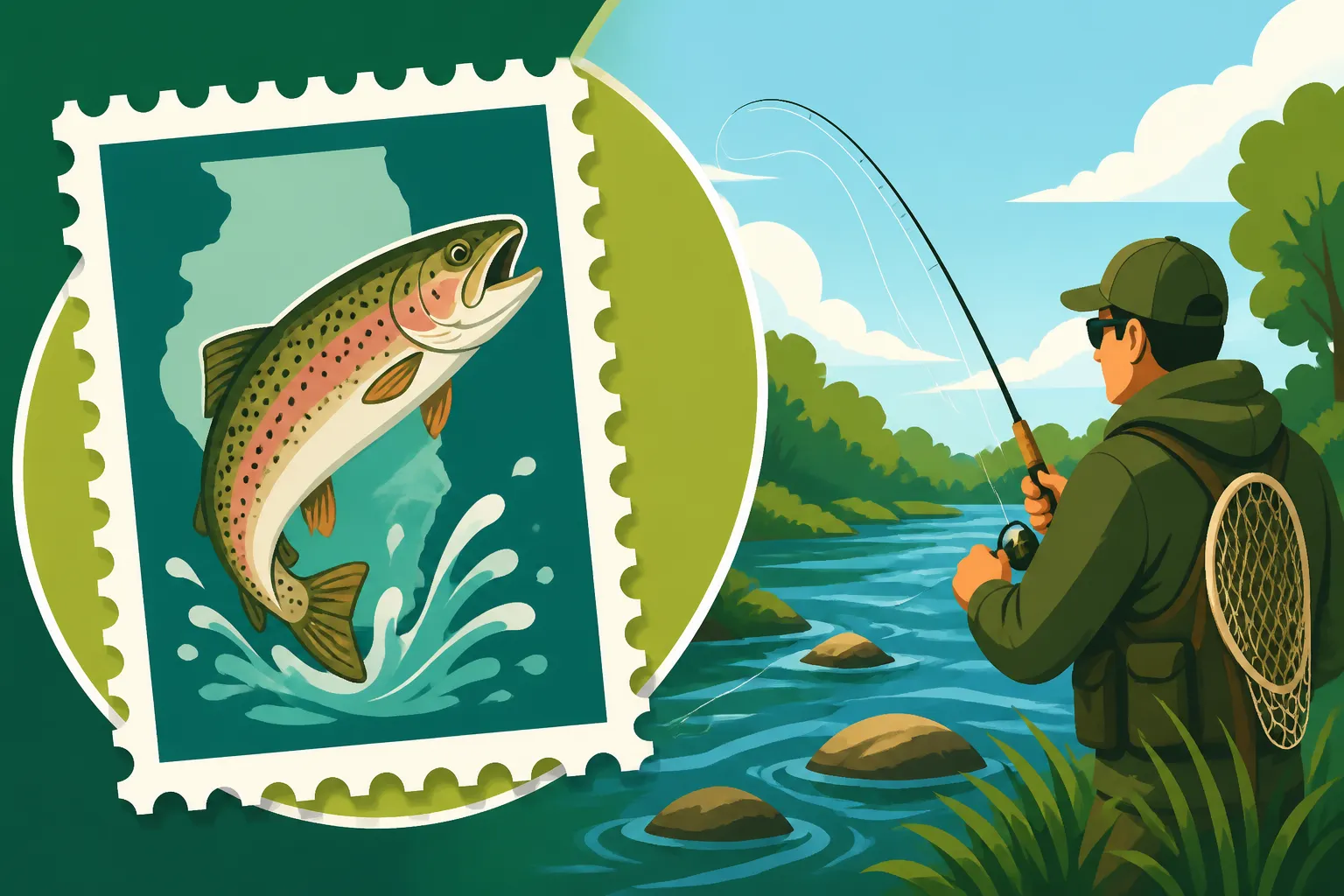
Navigating the world of fishing licenses and stamps can feel like trying to untangle a particularly stubborn fishing line. You've got your main fishing license, and then there are these endorsements, like the Inland Trout Stamp, that pop up. The core purpose of this specific stamp is straightforward: it helps fund the Illinois Department of Natural Resources (IDNR) trout stocking programs. These are the programs that bring those feisty rainbow trout to various lakes and ponds across the state, giving us all some exciting, unique fishing opportunities.
Without these stamps, the IDNR wouldn't have the dedicated funds to raise and transport these fish, which means fewer opportunities for us to chase trout in Illinois's otherwise warm-water dominant environments. It’s an investment in a specific type of fishery, ensuring those spring and fall stocking events continue year after year. Think of it as your direct contribution to keeping those trout-stocked waters brimming with activity.
So, who absolutely needs one? Any angler aged 16 and over who intends to harvest or possess trout from waters designated by the IDNR for trout stocking needs to have this stamp. It's not a standalone license; it’s an add-on to your regular Illinois Fishing License Guide for 2026. If you're planning a trip to one of these special spots, verifying you have both your annual fishing license and the Inland Trout Stamp is crucial for staying on the right side of the law.
The Critical Moments When the Stamp is Absolutely Required
This is where the rubber meets the road. The Illinois Inland Trout Stamp isn't a blanket requirement for all trout fishing across the state; it's specifically tied to the IDNR's managed trout programs. This means it primarily applies to waters that are part of the Spring Catchable Trout Program and the Fall Catchable Trout Program. These are designated lakes, ponds, and sometimes stream segments where the IDNR actively stocks rainbow trout for anglers.
Before each stocking season, usually in early spring and mid-fall, these designated waters often go through a "closed" period, typically for a couple of weeks. During this time, fishing is completely prohibited to allow the newly stocked trout to acclimate. Once the season officially opens, that’s when your Inland Trout Stamp truly becomes essential if you plan to keep any of the trout you catch. If you’re fishing these specific waters during the open season and you hook a trout, whether you intend to keep it or just possess it for a moment for a photo, you must have that stamp.
Let's talk about specific places. The IDNR typically announces a list of around 50-60 sites across Illinois that participate in these stocking programs. These can range from smaller urban ponds like those in Chicago’s Forest Preserves, to state park lakes like Siloam Springs State Park Lake near Clayton, or the Frank Holten State Park Main Lake down in East St. Louis. Every year, I make sure to check the official IDNR website or their annual Illinois Fishing Information Guide Covers April 2026 Through March 2027 to see the updated list of locations for the upcoming Spring and Fall Catchable Trout Programs. A good example of a consistent spot is Boston Lake at Stephen A. Forbes State Park, which many anglers visit for these seasonal trout. If you're heading to any of these listed sites with the intent to catch trout, remember your stamp!
| Fishing Scenario | Inland Trout Stamp Required? | Notes |
|---|---|---|
| Fishing IDNR-designated stocked trout lake | Yes | If you intend to harvest or possess trout |
| Fishing Lake Michigan for trout/salmon | No | Requires a separate Lake Michigan Salmon Stamp Requirements for Anglers |
| Accidentally catching trout (immediately releasing) in non-stocked water | No | Release must be immediate; no possession is allowed |
| Fishing in truly private ponds (no public access) | No | Check local rules; typically state regulations don't apply |
| Fishing for other species in designated trout water | Yes | If you accidentally catch and decide to keep a trout |
When You Can Fish for Trout Without the Stamp
It’s easy to get confused and think that any trout fishing automatically means you need an Inland Trout Stamp. But thankfully, that's not always the case! There are specific situations where you might encounter a trout, or even target them, without needing that extra endorsement on your license. Knowing these exceptions can save you a headache and some money, but always remember: when in doubt, it’s best to be compliant.
The most significant exception is Lake Michigan. If you're chasing coho salmon, chinook salmon, lake trout, or brown trout in the mighty waters of Lake Michigan, you do not need an Inland Trout Stamp. Instead, Lake Michigan anglers pursuing trout and salmon require a specific Lake Michigan Salmon/Trout Stamp. It’s a completely separate stamp because it funds a different fishery management program. This is a common point of confusion for folks who might fish both inland waters and the big lake. So, if your sights are set on the Chicago lakefront or a charter out of Waukegan, you'll be looking for that other stamp. You can learn more about these specific requirements by checking out the guide on Illinois Trout and Salmon Stamp Requirements.
Another situation where the Inland Trout Stamp isn't usually required is if you happen to catch a trout incidentally in waters that are not designated for trout stocking by the IDNR. These are rare occurrences, as wild, naturally reproducing trout populations are virtually non-existent in Illinois due to our warm climate. However, if by some wild chance you hook a trout in a river or lake not on the official IDNR stocking list, and you immediately release it unharmed, you generally don't need the stamp. The key here is "immediately release it." You cannot legally possess or harvest that fish without the stamp if you are in any of the IDNR's designated trout waters. So, while it's highly unlikely, if you're targeting bass on the Fox River and a trout somehow ends up on your line, and you quickly let it go, you're usually fine.
Lastly, if you're fishing in a completely private pond or lake, owned by you or a friend, and it has no public access or connection to public waters, you might not need a state fishing license or any stamps at all. This is a common setup for many farm ponds. However, this scenario has nuances, and it's always best to be absolutely sure of the "private waters" distinction before foregoing a license. If there's any public access, or if the water body flows into or out of public waters, state regulations typically apply.
Securing Your Inland Trout Stamp and What It Entails
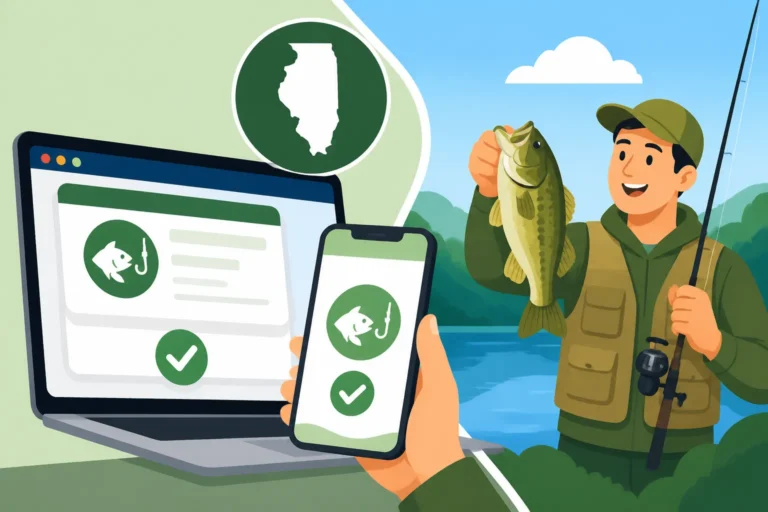
Getting your Inland Trout Stamp isn't a complicated process, thankfully. The Illinois Department of Natural Resources (IDNR) has made it fairly easy for anglers to acquire this necessary endorsement, ensuring you can hit the water without unnecessary delays. Most people opt for the convenience of purchasing their annual fishing license and any required stamps, including the Inland Trout Stamp, online directly through the IDNR website. This is often the quickest way to get it, allowing you to print a copy or save it to your phone right away.
Beyond the official website, you can also purchase your stamp from hundreds of licensed vendors across the state. Think about your local sporting goods stores—places like Bass Pro Shops or even the sporting goods section of a larger retailer like Walmart. Many smaller, independent bait and tackle shops are also authorized vendors. These places are great because the staff can often answer your questions on the spot and sometimes provide a little local fishing advice too! When buying online, remember you can easily add it to your cart alongside any new fishing gear you might be ordering from a retailer like Amazon.
The cost of the Inland Trout Stamp is typically an additional fee on top of your standard fishing license. It's a modest amount, but it’s vital for the program it supports. It's a small investment for the opportunity to fish for a species that isn't native to most Illinois waters. Like your main fishing license, the Inland Trout Stamp usually runs concurrent with the Illinois license year, which begins on March 1st and expires on March 31st of the following year. This means if you buy your stamp in September, it'll still expire the following March. Understanding How the Illinois License Year Works is super helpful for planning your purchases.
Once you have your stamp, whether it’s a physical printout or a digital copy on your phone, make sure you have it with you when you’re fishing any designated trout waters. Conservation police officers can and do check for compliance, and getting caught without the proper endorsements can lead to fines and penalties. Trust me, the last thing you want is for a fun day on the water to turn into a costly lesson. You can always check out the information on Penalties for Fishing Without a License in Illinois to understand the potential consequences.
Consider making a quick checklist before you head out: Do you have your current Illinois Resident Annual Fishing License Cost? Do you have your Inland Trout Stamp if you’re heading to a stocked lake? Is your physical or digital proof accessible? And perhaps you've even packed a new tackle box or specialized bait you saw on Amazon recently! Always double-check the IDNR website for the latest stocking schedules, or even look for helpful mapping tools on Amazon that might integrate this data. Being prepared not only keeps you compliant but also ensures a more enjoyable and stress-free fishing experience.
Disclaimer
The information provided in this guide is for general informational purposes only and is subject to change. Fishing regulations, license requirements, and stocking schedules are determined by the Illinois Department of Natural Resources (IDNR) and can be updated annually. Always consult the most current official IDNR fishing regulations guide or their website before engaging in any fishing activities to ensure full compliance.