Illinois Trout and Salmon Stamp Requirements
It’s a common scenario for many anglers in Illinois: you’ve got your fishing license in hand, you’re ready to hit the water, but then you hear whispers about needing an extra stamp. This can be confusing and frankly, a bit frustrating, especially if you’re just trying to enjoy a peaceful day on the lake or river. Understanding when and why you need an Illinois Trout and Salmon Stamp is crucial to avoid any unexpected run-ins with conservation police and to ensure you’re legally pursuing those prized catches. This comprehensive guide will break down everything you need to know about the Illinois Trout and Salmon Stamp, from its purpose and requirements to how and where to purchase it, ensuring you’re fully prepared for your next angling adventure.
Understanding the Illinois Trout and Salmon Stamp
Navigating the world of fishing regulations can feel like trying to untangle a particularly stubborn fishing knot sometimes. The base Illinois fishing license covers a lot, but certain prized species or specialized fisheries often have their own specific requirements, and the Trout and Salmon Stamp is a prime example. It's not just another bureaucratic hurdle; it serves a vital purpose in maintaining the incredible angling opportunities we have here in Illinois.
What Exactly is the Trout and Salmon Stamp?
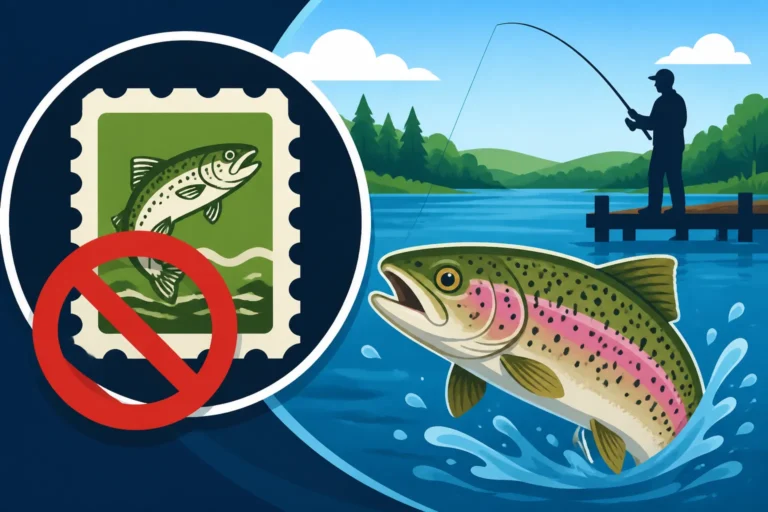
Think of the Illinois Trout and Salmon Stamp as a special permit, a dedicated pass that allows you to target trout and salmon in waters where these species are actively managed and stocked by the Illinois Department of Natural Resources (IDNR). It's an additional requirement, a layer on top of your standard fishing license, designed to specifically support the conservation and enhancement of these particular fisheries. The funds generated from the sale of these stamps go directly back into programs that benefit trout and salmon, such as stocking efforts in inland lakes and streams, management of the Lake Michigan salmonid populations, and habitat restoration projects. This means when you purchase a stamp, you're directly contributing to the very fishing experiences you enjoy. It’s a practical way for anglers to invest in the future of the sport, ensuring there are plenty of healthy, catchable fish for years to come.
Who Needs This Special Stamp?
The general rule of thumb is quite straightforward: if you are 16 years of age or older and intend to harvest or even just attempt to catch trout or salmon in waters where the IDNR stocks or manages these species, you need this stamp. This requirement applies whether you're a resident or a nonresident angler. For instance, if you're planning a trip to one of the many inland lakes stocked with rainbow trout for the popular spring or fall trout seasons, or if you're heading out onto Lake Michigan hoping to land a Chinook salmon, that stamp is non-negotiable. It doesn't matter if you're fishing from the shore, off a pier, or from a boat; the moment you cast a line for these species in designated waters, the stamp becomes a necessity. It’s important to remember that this stamp is in addition to your regular Illinois Fishing License Guide for 2026 and not a replacement for it. The only exceptions typically relate to age (anglers under 16 are usually exempt) or specific free fishing days, which we'll delve into later. Always consult the current Illinois Fishing Regulations Overview to be absolutely certain before you head out.
When and Where the Stamp is Required
Knowing that a Trout and Salmon Stamp exists is one thing, but pinpointing the exact scenarios and locations where it becomes mandatory is key. It's not a blanket requirement for all fishing in Illinois, but rather for very specific fisheries that demand extra management.
Targeting Trout in Inland Waters
Illinois might not be famous for its pristine mountain trout streams like some western states, but thanks to dedicated stocking programs by the IDNR, we have fantastic opportunities to catch rainbow trout in various inland lakes and ponds. These are often cold-water impoundments or spring-fed lakes that can sustain trout. The most common times you'll encounter the stamp requirement for inland trout are during the spring and fall trout stocking programs. For example, lakes like Rock Creek at Kankakee River State Park, Siloam Springs State Park Lake, and even some urban ponds participate in these programs. Before these stockings, the IDNR often imposes a "catch-and-release only" or temporary closure period to allow the fish to acclimate. Once the season officially opens, usually in early April and mid-October, anyone 16 and older wishing to fish for or keep these stocked trout must have a valid Illinois fishing license and the Trout and Salmon Stamp. If you plan on trying your luck, make sure you're up-to-date on the specific stocking dates and regulations for the body of water you intend to visit.
Fishing for Salmon and Trout on Lake Michigan
Lake Michigan is a truly exceptional fishery, offering world-class angling for a variety of cold-water species that simply wouldn't thrive in most other Illinois waters. It's a prime destination for those looking to hook into powerful Chinook (King) salmon, acrobatic Coho salmon, vibrant rainbow trout (steelhead), robust brown trout, and deep-dwelling lake trout. And when it comes to Lake Michigan, the Trout and Salmon Stamp is essentially a universal pass for these species. Whether you’re chartering a boat out of Waukegan, casting spoons from the Chicago lakefront piers, or trying your hand at shore fishing near Indiana, if you’re targeting or possessing any species of trout or salmon, you need that stamp. This includes both gamefish and panfish for the purposes of species identification in this specific fishery. The sheer size and dynamic nature of Lake Michigan’s ecosystem, coupled with its intensive stocking and management, necessitates the additional funding provided by these stamps. If you're a nonresident planning a Lake Michigan trip, remember you'll also need an Illinois Nonresident Fishing License Guide to cover your basic fishing privileges.
Situations Where the Stamp is Not Required
While the requirement for the Trout and Salmon Stamp covers a significant portion of trout and salmon fishing in Illinois, there are specific situations where you can actually leave it in your wallet. First and foremost, if you are under 16 years of age, you are generally exempt from needing a fishing license and any additional stamps, including the Trout and Salmon Stamp. This is a wonderful initiative to encourage youth participation in fishing. Secondly, if you're strictly fishing for species other than trout or salmon – think bass, crappie, catfish, bluegill, or walleye – then the stamp is not required, as long as you're not in a designated trout or salmon managed water where accidental catches might occur and you'd still need to release them without the stamp.
Furthermore, if you are fishing in a privately owned pond or lake that is entirely contained on private property and not connected to any public waters, state stocking programs, or regulated fisheries, you typically do not need a state fishing license or the associated stamps. However, you'd need explicit permission from the landowner. Lastly, during Illinois Free Fishing Days and License-Free Weekends, which usually occur once a year, the basic fishing license requirement is waived. During these specific days, the Trout and Salmon Stamp requirement is also usually waived, making it a perfect opportunity to try for trout or salmon without the extra cost. Always double-check the IDNR’s specific announcements for Free Fishing Days to confirm all waivers, as details can sometimes vary.
How to Purchase Your Illinois Trout and Salmon Stamp
Getting your hands on an Illinois Trout and Salmon Stamp is usually a pretty straightforward process, designed to be as convenient as possible for anglers. You have a few options, whether you prefer the ease of online shopping or the traditional experience of a local bait shop.
Online Purchase Through the IDNR Website
In today's digital age, buying your fishing license and stamps online is by far the most popular and convenient method for many anglers. The Illinois Department of Natural Resources (IDNR) website offers a seamless platform to purchase all necessary permits. The process is typically user-friendly: you'll navigate to their licensing section, select your resident or nonresident fishing license, and then have the option to add additional stamps like the Trout and Salmon Stamp. You'll input your personal information, choose your license and stamp types, and complete the transaction with a credit or debit card. Once purchased, you'll usually receive an email confirmation with a digital copy of your license and stamp. It's a great idea to either print this out and keep it with your gear or save a digital image on your smartphone, as proof of purchase. This digital proof is generally accepted by conservation police officers, meaning you don't have to worry about carrying a physical card, which is often much more convenient than digging through your wallet or tackle box. This method is quick, available 24/7, and ensures you're compliant before you even step out the door.
Local Vendors and Retail Stores
For those who prefer a more traditional approach, or who just love the atmosphere of a good bait and tackle shop, you can still purchase your Illinois Trout and Salmon Stamp from hundreds of authorized vendors across the state. These typically include local bait shops, sporting goods stores like Amazon Bass Pro Shops or Cabela's, and even some larger retailers that carry outdoor gear. When you go to a physical location, a staff member will assist you in filling out the necessary information, and you'll receive a printed physical license and stamp. Many anglers appreciate this method because it offers a chance to chat with local experts, get up-to-date fishing reports, and maybe even pick up some last-minute bait or tackle for their trip. Plus, holding that crisp, official document can be part of the fishing ritual for some! Don't forget to combine your purchase with your Illinois Resident Annual Fishing License Cost or equivalent if you haven't already.
Combining with Your Fishing License
The Illinois Trout and Salmon Stamp is always an add-on to a primary fishing license, not a standalone permit. Because of this, it's most common and highly recommended to purchase your Trout and Salmon Stamp at the same time you acquire your annual, 24-hour, or 3-day fishing license. The IDNR online system, as well as most physical vendors, are set up to facilitate this combined purchase. When you're going through the steps to get your How to Get an Illinois Fishing License, you'll be presented with options for additional stamps. Simply select the Trout and Salmon Stamp, and its cost will be added to your total. This streamlines the process, ensuring you don't forget it, and keeps all your required documentation consolidated. It's much easier to have everything on one piece of paper or one digital file than to try and juggle multiple separate permits. For out-of-state visitors, this means considering the Illinois Nonresident Annual Fishing License Cost along with the stamp, especially if you're targeting Lake Michigan.
Cost and Validity of the Illinois Trout and Salmon Stamp
Like any official permit, the Trout and Salmon Stamp comes with a specific price tag and a defined period of validity. Understanding these details helps you budget for your fishing adventures and ensures you’re always legally covered.
Current Stamp Prices for Residents and Nonresidents
The cost of the Illinois Trout and Salmon Stamp is generally quite reasonable, especially when considering the significant impact it has on funding crucial conservation efforts. For Illinois residents, the Trout and Salmon Stamp typically costs around $6.50. Nonresidents will pay the same amount for the stamp itself. This uniformity is a good thing, as it doesn't penalize visitors who want to enjoy our fantastic trout and salmon fisheries. It's a small investment that goes a long way towards ensuring the continued health and abundance of these species in our waters. Keep in mind that these prices are subject to change, so it's always wise to check the official IDNR website or an authorized vendor for the most current pricing before making your purchase. The stamp is one of several Extra Stamp Fees on Top of an Illinois Fishing License that anglers might encounter depending on their fishing pursuits.
Stamp Validity Period
The validity of your Illinois Trout and Salmon Stamp is directly tied to the state's fishing license year. In Illinois, the fishing license year officially begins on March 1st and runs through the last day of March the following calendar year. So, if you purchase a stamp on, say, October 15, 2025, it would be valid until March 31, 2026. This means that regardless of when you buy your stamp within that year, it will expire on the same date. This alignment with the general fishing license year simplifies renewals. When you go to renew your Illinois Fishing License Year Starts on March 1, 2026, you'll also be prompted to renew your Trout and Salmon Stamp if you intend to continue fishing for those species. It's a system designed for consistency, but it does mean that purchasing your stamp late in the season gives you less time on that particular stamp, so planning ahead is often beneficial.
Understanding "Extra Stamp Fees"
It's really important to clarify that the Illinois Trout and Salmon Stamp is an "extra stamp fee" or an "add-on" to your primary fishing license. It is not a standalone license that grants you fishing privileges by itself. You absolutely must possess a valid Illinois fishing license first, and then add the Trout and Salmon Stamp if you plan to target or harvest trout or salmon. This is a common point of confusion for new anglers or those visiting from out of state. The base fishing license covers the general right to fish for most species in Illinois waters, but specific, intensively managed fisheries like those for trout and salmon require this additional contribution to their specific programs. Other examples of extra stamps might include the Illinois Inland Trout Stamp Requirements (which this article covers broadly) or sometimes specialized permits for certain unique fisheries, though the Trout and Salmon Stamp is the most common additional stamp for recreational anglers. It essentially ensures that the cost of maintaining these specialized fisheries is borne directly by those who benefit from them, rather than being spread across all license holders.
Penalties for Non-Compliance and Enforcement
No one wants to have their fishing trip interrupted by a conservation police officer (CPO), especially not for a preventable violation. Understanding the rules around the Illinois Trout and Salmon Stamp, and the consequences of not following them, is as important as knowing where the fish are biting.
Consequences of Fishing Without the Required Stamp
Fishing without the necessary Illinois Trout and Salmon Stamp, when it is required, can lead to more than just a stern warning. It's a violation of state law, and conservation police officers are authorized to issue citations. The specific penalties can vary depending on the discretion of the officer and the circumstances, but typically, you're looking at fines. These fines can easily exceed the cost of the stamp itself, making it a costly oversight. In some cases, especially for repeat offenders or more egregious violations, there could even be a temporary suspension of fishing privileges or the confiscation of your gear. While perhaps not as severe as Penalties for Fishing Without a License in Illinois, which can be substantial, fishing without the required stamp still carries real consequences. It's a simple cost-benefit analysis: pay the small fee for the stamp upfront, or risk a much larger fine and a ruined day on the water.
How Conservation Police Officers Enforce Regulations
Illinois Conservation Police Officers are highly trained professionals dedicated to protecting our natural resources and ensuring fair and safe outdoor recreation. They patrol lakes, rivers, and the Lake Michigan shoreline, both on land and water, checking for compliance with fishing regulations. When a CPO approaches, they will typically ask to see your fishing license and any required stamps. This is why it's so important to have physical or digital proof readily accessible. They may ask to see your catch to ensure you're within daily limits and have the proper stamps for the species you've harvested.
CPOs are well-versed in identifying different fish species and knowing which waters require specific stamps. For instance, if you're fishing a lake known for its fall trout program and you have a stringer of rainbow trout, they'll certainly check for your Trout and Salmon Stamp. On Lake Michigan, where salmon and trout are the primary game fish, checks for the stamp are common. It's their job to enforce these rules to ensure the sustainability of our fisheries. Being respectful, cooperative, and prepared with your documents makes the interaction smooth and pleasant for everyone involved. Having your license and stamps saved on your phone, perhaps in a dedicated fishing app or just as a screenshot, makes it incredibly easy to present proof when asked.
Important Exemptions and Special Considerations
While the rules for the Illinois Trout and Salmon Stamp are generally clear, there are a few important exemptions and special considerations that can sometimes cause confusion. Knowing these specifics can save you both money and hassle.
Age Exemptions for Youth and Seniors
One of the most encouraging exemptions in Illinois fishing regulations applies to our younger anglers. Children under the age of 16 are not required to purchase a fishing license, nor are they required to buy the Illinois Trout and Salmon Stamp, even if they are actively targeting or keeping trout and salmon. This is a fantastic way to introduce kids to the joys of fishing without an extra financial burden on families. It means you can take your son or daughter to a stocked trout pond, rig them up with a bobber and some PowerBait, and they can keep their catch without needing any special permits. This aligns with the broader Illinois Fishing License Rules for Kids and Seniors which aims to make fishing accessible.
When it comes to seniors, the rules are a bit different for the stamp specifically. While Illinois offers significant discounts or even free fishing licenses for senior residents based on age (for example, Illinois residents 65-74 receive a discounted license, and those 75 and over receive a free license), these exemptions generally apply to the base fishing license. If a senior angler, even one eligible for a free fishing license, wishes to fish for trout or salmon in a regulated fishery, they will still need to purchase the Trout and Salmon Stamp. The stamp's revenue is tied directly to stocking and management, and the cost is typically low enough that it's not considered a barrier for senior participation. Always verify the current regulations, but assume if you're 16 or older and targeting these species, the stamp is required, regardless of your senior license status.
Free Fishing Days and License-Free Weekends
Illinois typically hosts a "Free Fishing Days" weekend once a year, often coinciding with Father's Day in June. These special days are a wonderful opportunity for everyone, residents and nonresidents alike, to experience fishing without the need for a state fishing license. The big question often arises: do I still need the Trout and Salmon Stamp during Free Fishing Days? Generally, no. During these designated periods, all fishing license and stamp requirements, including the Trout and Salmon Stamp, are temporarily waived. This means you can head to Lake Michigan for salmon or an inland lake for stocked trout and not worry about purchasing the stamp for those specific days. It’s an excellent chance to try a new type of fishing or introduce someone new to the sport. However, all other fishing regulations, such as daily catch limits, length limits, and gear restrictions, still apply. Always check the official IDNR announcements for the specific dates and confirmed waivers for Illinois Free Fishing Days and License-Free Weekends to ensure you're up-to-date.
Fishing Private Ponds or Commercial Operations
The distinction between public and private waters is a critical one when it comes to fishing regulations in Illinois. If you are fishing in a truly private pond or lake that is entirely self-contained on private property, has no connection to public waters, and is not stocked or managed by the IDNR, you typically do not need a state fishing license or any associated stamps, including the Trout and Salmon Stamp. The key here is "truly private" – it cannot be an IDNR-managed water even if it's within a private club. For such private waters, permission from the landowner is paramount. Similarly, if you're participating in a commercial "fee fishing" operation where trout or salmon are raised and stocked by a private entity for pay-to-fish experiences, the state stamp is usually not required. These operations are regulated differently, and the cost of the fish or the fishing experience typically covers their operational permits. However, if that private pond or commercial operation is periodically stocked by the IDNR, then the state regulations, including the Trout and Salmon Stamp, would apply during those periods. Always ask the owner or operator for clarification if you're unsure.
Species Covered by the Stamp and Conservation Efforts
The Illinois Trout and Salmon Stamp isn't just about covering costs; it's a direct investment in the vibrant ecosystems that support these incredible fish. Understanding which species benefit and how your contribution helps makes the purchase even more meaningful.
Trout Species in Illinois Waters
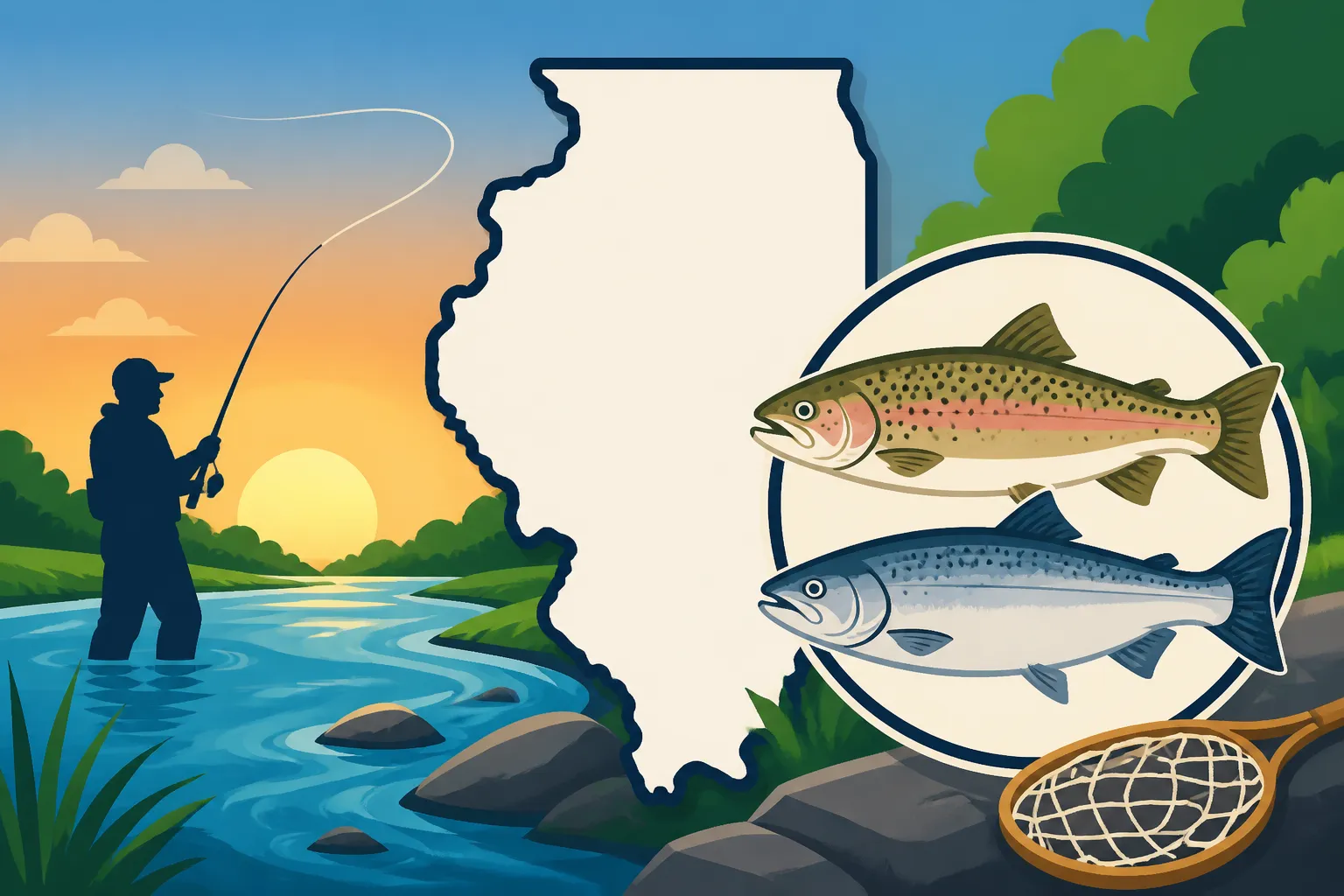
When we talk about trout in Illinois, we're primarily referring to several key species managed by the IDNR. The most commonly encountered are Rainbow Trout, which are heavily stocked in inland lakes and streams for put-and-take fisheries, especially during the spring and fall seasons. These are often the first trout species many new anglers catch. They're recognized by their distinctive pinkish-red stripe along their sides.
On Lake Michigan, you'll also find Brown Trout, often distinguishable by their dark spots and lighter halo around them, and a more yellowish-brown hue. Brown trout are known for growing to impressive sizes and can be a challenging catch. Also present in Lake Michigan are Lake Trout, the largest of the North American char species, which are native to the Great Lakes and prized for their size and deep-water habits. While rare, you might also find Brook Trout in a few specific cold-water streams in Illinois, though these are often catch-and-release only fisheries due to their delicate populations. The funds from the Trout and Salmon Stamp directly support the propagation and stocking of these species, ensuring that Illinois anglers have diverse and rewarding trout fishing experiences.
Salmon Species in Lake Michigan
Lake Michigan is home to a robust salmon fishery, largely sustained by stocking efforts that the Trout and Salmon Stamp helps fund. The two primary salmon species you'll encounter are Coho Salmon and Chinook Salmon, often referred to as King Salmon.
Coho Salmon are typically the first salmon to show up in nearshore waters in the spring, offering excellent opportunities for boat and shore anglers. They're known for their aggressive strikes and spirited fights. Chinook Salmon are the giants of Lake Michigan, capable of reaching incredible sizes and putting up powerful, sustained battles. They are highly sought after by trollers in deeper waters throughout the summer and into the fall. Both species are stocked annually to supplement natural reproduction and maintain a healthy sport fishery. The stamp ensures that these stocking programs continue, providing anglers with the chance to catch these magnificent game fish right here in Illinois. If you're planning a trip, check out Lake Michigan Salmon and Trout Fishing in Illinois for more details on these incredible species.
The Role of the Stamp in Funding Conservation
At its core, the Illinois Trout and Salmon Stamp is a conservation tool. Every dollar generated from its sale goes directly into a dedicated fund used exclusively for trout and salmon programs within the state. This funding is critical for several reasons:
- Stocking Programs: A significant portion of the revenue supports the continued stocking of rainbow trout in inland waters and various trout and salmon species in Lake Michigan. Without these stocking efforts, many of these fisheries simply wouldn't exist or would be drastically diminished.
- Habitat Management: Funds also contribute to projects that improve and protect the aquatic habitats essential for trout and salmon. This can include efforts to reduce pollution, improve water quality, and restore natural stream or shoreline features.
- Research and Monitoring: Understanding the health and population dynamics of these fish is vital. Stamp revenue helps fund scientific research, fish surveys, and monitoring programs conducted by the IDNR, allowing them to make informed decisions about fisheries management.
- Public Access and Education: In some cases, funds might support maintaining public access points to trout and salmon fisheries or educational initiatives that promote responsible angling practices.
Essentially, by purchasing your Trout and Salmon Stamp, you're becoming an active participant in the conservation and perpetuation of these specific and valuable fisheries. It's a small fee that has a massive positive impact on the angling opportunities available across Illinois, from serene inland ponds to the vast expanse of Lake Michigan.
Disclaimer
Please remember that fishing regulations, including license and stamp requirements, can change. While every effort has been made to provide accurate and up-to-date information, it is your responsibility as an angler to always consult the most current official Illinois Department of Natural Resources (IDNR) fishing regulations before heading out. This guide is for informational purposes only and should not be considered legal advice.