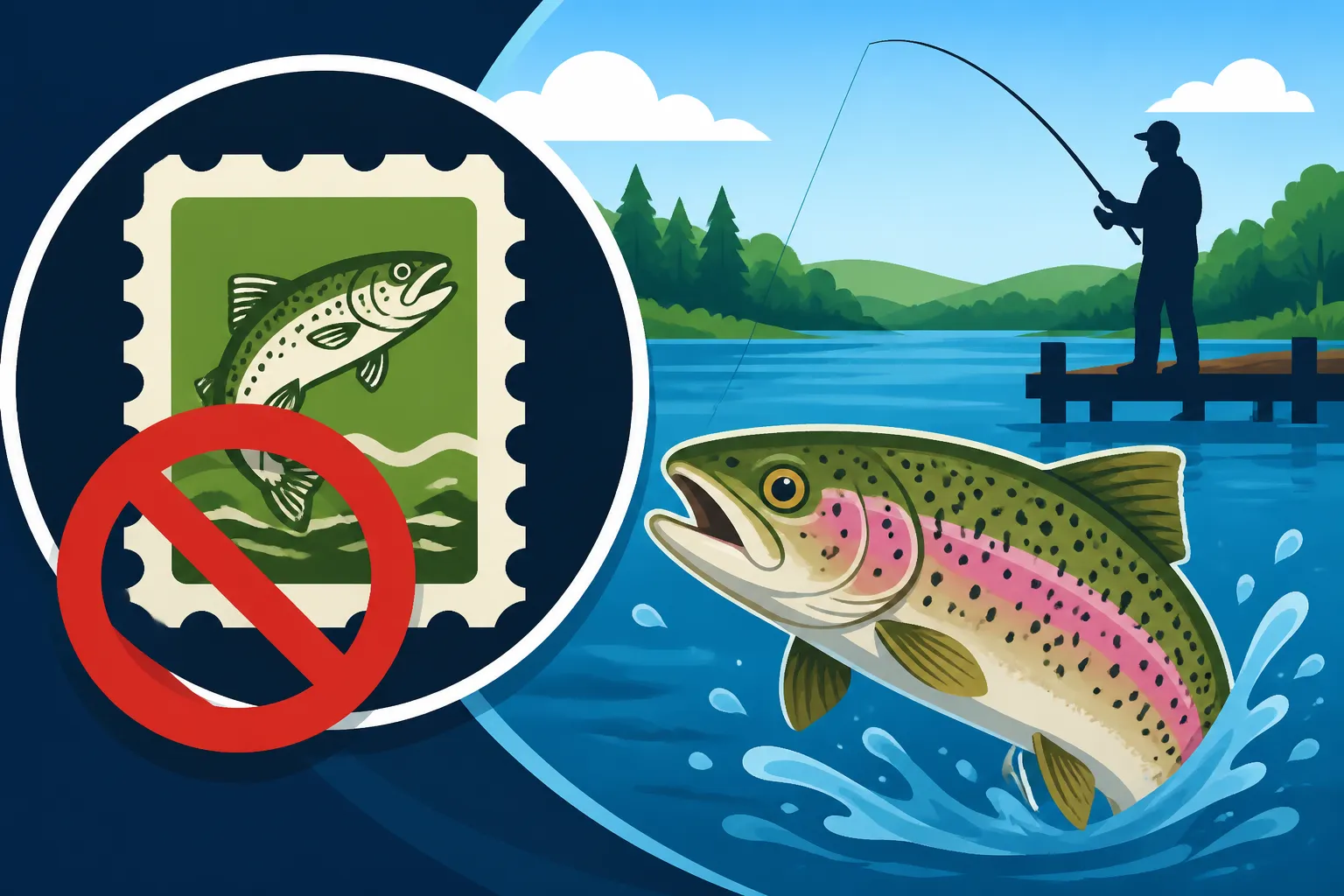
Trout Stamp Required at Stocked Inland Lakes
There’s nothing quite like the thrill of reeling in a feisty trout, but navigating the maze of fishing regulations can often feel more challenging than landing the fish itself. Many anglers find themselves wondering if that little stamp is truly necessary when heading to their favorite local lake. This comprehensive guide is here to cut through the confusion and clarify exactly when and why an Illinois Inland Trout Stamp is required, particularly when you’re targeting those beautiful fish in stocked waters.
Understanding the Illinois Trout Stamp Requirement
It’s easy to get caught up in the excitement of a fishing trip, but missing a key regulation can quickly turn a fun day into a frustrating one. One of the most common questions revolves around the Illinois Trout Stamp. Unlike a general fishing license, which covers a wide array of species in most waters, the trout stamp is a very specific requirement tied to a particular type of fishery: those stocked with catchable-sized trout by the Illinois Department of Natural Resources (IDNR).
Why the Trout Stamp Exists
The existence of the trout stamp isn't just about adding another layer of bureaucracy; it's fundamental to supporting the very program that allows many of us to enjoy trout fishing in Illinois. The IDNR undertakes a significant effort and expense to raise and stock thousands of rainbow trout and other species into various lakes and ponds across the state, typically twice a year for the spring and fall seasons. These fish wouldn't naturally survive or reproduce in many of these waters, so the stocking program ensures a vibrant recreational fishery.
The funds generated from the sale of these trout stamps directly contribute to this critical conservation and management effort. This means your purchase helps cover the costs associated with raising these fish in hatcheries, transporting them to stocking locations, and managing these specific fisheries. Without the stamp program, the IDNR simply wouldn't have the dedicated resources to provide these put-and-take trout opportunities that are so popular among anglers. So, when you buy that stamp, you’re not just getting legal permission; you're actively investing in the future of trout fishing in Illinois. If you're looking for a deeper dive into all the rules, check out the comprehensive Illinois Fishing Regulations Overview.
Distinguishing Inland Lakes from Lake Michigan
This is where a lot of anglers, especially those new to Illinois fishing or moving between different parts of the state, get tripped up. There are actually two different stamps that apply to trout and salmon fishing in Illinois, and they are not interchangeable.
The Illinois Inland Trout Stamp is specifically for those waters within the state’s borders that the IDNR stocks with trout, usually rainbow trout, for seasonal "put-and-take" fisheries. Think of your local forest preserve lake, a state park pond, or a municipal lake that the IDNR lists on its stocking schedule. These are typically smaller bodies of water where the trout are not expected to establish self-sustaining populations but are stocked for immediate angling enjoyment. You'll definitely need this stamp if you're planning a trip to one of the many Illinois Rainbow Trout Stocked Lakes and Streams in the spring or fall.
On the other hand, there’s the Lake Michigan Salmon and Trout Stamp. This is an entirely separate requirement for anyone aged 16 and older who intends to fish for salmon or trout in Lake Michigan. Lake Michigan is a vast, complex ecosystem with a different management strategy, and the species found there, like Chinook salmon, Coho salmon, lake trout, and brown trout, often come from different stocking programs or are naturally reproducing populations (especially lake trout). While both stamps relate to trout, the legal requirements and the funds they support are distinct. You can learn more about these specific requirements by reading our guide on Illinois Trout and Salmon Stamp Requirements or diving into the larger picture with Illinois Lake Michigan Trout and Salmon Fishery Explained. It’s crucial to remember: if you’re fishing for trout in an inland lake that has been stocked by the state, you need the Inland Trout Stamp. If you’re fishing for any salmon or trout in Lake Michigan, you need the Lake Michigan Salmon and Trout Stamp. You absolutely cannot use one in place of the other.
How to Determine if a Lake is Stocked
Okay, so you know why the stamp exists and the difference between the two types. But how do you actually know if the specific body of water you're heading to is one of those "stocked inland lakes" that requires the stamp? This is perhaps the most critical piece of information, and thankfully, the IDNR makes it relatively easy to find.
Official Sources for Stocking Information
The Illinois Department of Natural Resources is your ultimate authority when it comes to knowing which waters are stocked and when. They maintain comprehensive and up-to-date information, and relying on official sources is the best way to avoid any nasty surprises on the water.
Here are the primary ways to find out if a lake is stocked:
- IDNR Website: This is your go-to. The IDNR typically publishes a detailed list of all lakes and ponds scheduled for trout stocking for both the spring and fall seasons. This list often includes the specific dates (or week ranges) when stocking occurs. A quick search on the IDNR website for "Illinois trout stocking schedule" will usually lead you straight to the relevant page. It's a good habit to check this annually, as schedules or even locations can sometimes change.
- IDNR Fishing Information Guide: Every year, the IDNR releases its comprehensive fishing guide, which contains all the regulations, special site-specific rules, and often a list of trout-stocked waters. You can usually pick up a physical copy at bait shops, sporting goods stores like those found on Amazon, or IDNR offices, or download a digital PDF version from their website. This guide is an invaluable resource for all Illinois anglers.
- Local Bait Shops and Sporting Goods Stores: Your local bait shop isn't just a place to grab worms; it's a hub of local fishing knowledge. Owners and staff often have the most current information about local stocking events, water conditions, and what’s biting. They usually have the official IDNR guides on hand and can point you to the correct resources or directly tell you if a nearby lake is on the stocking list.
Before you ever cast a line for trout in an inland lake, take a few minutes to confirm its stocking status. It’s a small effort that can save you a lot of grief. Remember, the stamp is typically required during the designated trout season following a stocking event, which usually lasts until the fish are largely caught out or until the water temperatures become too warm for trout to survive. Our guide on When You Need the Inland Trout Stamp goes into these seasonal specifics in more detail.
Identifying Stocked vs. Naturally Reproducing Waters
It’s important to understand that not all waters holding trout require a stamp. The key distinction lies in whether the trout are there as a result of an IDNR stocking program for recreational harvesting.
- IDNR Stocked Waters (Require Stamp): These are the lakes, ponds, and sometimes small stream sections where the IDNR specifically introduces trout, almost always rainbow trout, for "put-and-take" fishing. These fish are usually sterile or unable to reproduce effectively in the given environment, so the population is entirely dependent on human intervention. If the IDNR is stocking it, you need the Inland Trout Stamp to fish for and possess trout there if you are 16 or older and not otherwise exempt (like on free fishing days).
- Naturally Reproducing Waters (No Stamp Required, but often rare): Illinois has very few true naturally reproducing trout streams. These are typically small, cold-water streams, often spring-fed, in specific parts of the state (like some in Jo Daviess County). In these rare instances, the trout (which might be brook or brown trout, not typically rainbows) are wild, reproducing on their own, and do not fall under the "stocked trout" stamp requirement. However, these waters often have their own very strict regulations regarding catch limits, size limits, and even tackle restrictions to protect these delicate populations. It's also worth noting that many of these streams are privately owned, requiring landowner permission.
- Accidental Catches (Requires Stamp if you keep it): Sometimes, an angler might accidentally catch a trout in a water body not explicitly listed as a trout-stocked lake. While rare, it can happen if fish move between connected waterways or if a private stocking somehow leads to escapees. The general rule of thumb is: if you catch a trout in Illinois and you intend to keep it, and you're in an inland water body, you better have that Inland Trout Stamp. The responsibility is on the angler to know the rules.
When in doubt, assume the stamp is required for trout in any Illinois inland lake, unless you have definitively confirmed otherwise through official IDNR channels. It’s always better to be safe than sorry when it comes to fishing regulations.
Purchasing Your Illinois Inland Trout Stamp
Alright, so you’ve checked the stocking schedule, confirmed your chosen lake is indeed an IDNR-stocked trout water, and you know you need that stamp. Good for you for being a responsible angler! Now, let's talk about how to get it. The process is pretty straightforward, especially if you're already familiar with purchasing your general fishing license. For more general licensing information, don't forget our comprehensive Illinois Fishing License Guide for 2026.
Where to Buy the Trout Stamp
Getting your Inland Trout Stamp is designed to be convenient, allowing you to secure your privileges without too much hassle. Here are your main options:
- Online Through the IDNR Website: This is arguably the easiest and quickest way to purchase your stamp. The IDNR’s website has a user-friendly portal where you can buy or renew your annual fishing license, hunting license, and all necessary stamps, including the Inland Trout Stamp. You can usually print a temporary copy immediately, and a permanent hard card will be mailed to you. This is perfect for those last-minute decisions to go fishing or for planning ahead from the comfort of your home. Many anglers prefer this method for its efficiency. You can also look up how to buy your main license online with How to Buy an Illinois Fishing License Online.
- Authorized License Vendors: Across Illinois, hundreds of authorized vendors sell fishing and hunting licenses. These typically include:
- Sporting Goods Stores: Big box retailers like Bass Pro Shops or Cabela's, as well as smaller local independent shops, are usually equipped to sell licenses and stamps.
- Bait and Tackle Shops: These local businesses are often the heart of the angling community and are almost always licensed to sell stamps. Plus, you can pick up some fresh bait or lures while you're there!
- Some General Merchandise Retailers: Larger department stores or certain Walmarts may also have a customer service desk where licenses can be purchased.
- IDNR Offices: While less common for everyday purchases, you can also acquire your stamp directly from an Illinois Department of Natural Resources office.
When purchasing from a vendor, they will usually ask for some basic identifying information (name, address, date of birth, driver's license number) and then print out your license and stamp for you on the spot. Make sure to keep this with you when you’re fishing, either as a physical copy or digital proof. Remember, you can often find resources on Amazon that help you keep all your licenses and permits organized!
What the Stamp Costs and Its Validity
The cost of the Illinois Inland Trout Stamp is quite modest, especially when considering the value it provides in sustaining the stocking program. As of the current regulations, the Inland Trout Stamp typically costs around $6.50. This price is subject to change, so it's always wise to confirm the most current fee directly on the IDNR website or with a license vendor.
It's important to note that this stamp is an additional requirement on top of your general Illinois fishing license. This means you must possess a valid fishing license and the Inland Trout Stamp if you are 16 years of age or older and intend to fish for or possess trout from an IDNR-stocked inland lake. There are some exceptions, such as during Illinois's special Illinois Free Fishing Days and License-Free Weekends, when no license or stamp is required for anyone, including non-residents. However, these are specific, limited periods, so don't count on them for your regular fishing trips.
The Inland Trout Stamp's validity typically aligns with the Illinois fishing license year, which runs from April 1st through March 31st of the following year. So, if you purchase a stamp in the fall, it will be valid through the end of March of the next calendar year. This means you usually only need to purchase one stamp per license year, regardless of whether you fish the spring or fall trout seasons (or both!). For a breakdown of all the different fees, check out Illinois Fishing License Costs and Types.
Understanding these costs and validity periods helps you budget for your fishing trips and ensures you're always properly licensed before you hit the water. It’s a small price to pay for the great fishing opportunities it helps create.
| Category | Requirement for Trout | Applies To | Cost (approx.) | Validity |
|---|---|---|---|---|
| Fishing License | Required for all anglers 16+ | Most fish species in all Illinois waters | ~$15.00 (resident annual) | April 1 – March 31 |
| Inland Trout Stamp | Required for trout | IDNR-stocked inland lakes & ponds | ~$6.50 | April 1 – March 31 |
| Lake Michigan Salmon/Trout Stamp | Required for salmon/trout | Lake Michigan only | ~$6.50 | April 1 – March 31 |
| Free Fishing Days | No license or stamp required | All Illinois waters | Free | Specific June dates |
Penalties for Non-Compliance
Nobody wants their fishing trip to end with a lecture or, even worse, a fine. Understanding the consequences of not having the required Inland Trout Stamp is just as important as knowing when you need it. Illinois conservation police officers are out on the water to ensure everyone is adhering to the regulations, not just to enforce the law, but to protect the state's natural resources and ensure fair access for all.
Consequences of Fishing Without a Required Stamp
Fishing without the necessary Inland Trout Stamp, when it is required, is a violation of Illinois state law. It's often treated similarly to fishing without a general license, though the specifics can vary based on the officer's discretion and the circumstances. Here's a realistic look at what you could face:
- Verbal Warning: If you're lucky and it's a minor oversight, especially if you have a valid fishing license but just missed the stamp, an officer might issue a verbal warning. However, don't count on this.
- Citation and Fine: This is the most common outcome. You will likely receive a citation, which is essentially a ticket, carrying a monetary fine. These fines can vary but are designed to be a deterrent. You might also be required to purchase the stamp on the spot or prove you've purchased it shortly thereafter. Penalties for not having the correct stamps can sometimes be comparable to those for not having your main Penalties for Fishing Without a License in Illinois.
- Confiscation of Equipment/Catch: In more serious or repeat offenses, or if combined with other violations, an officer has the authority to confiscate your fishing equipment and any fish you may have caught. This is a rare but possible consequence, especially if there's suspicion of deliberate disregard for regulations.
- Court Appearance: For significant violations or if you contest the citation, you may be required to appear in court. This means taking time off work and potentially incurring court fees in addition to the original fine.
It’s truly not worth the risk. The small cost of the Inland Trout Stamp pales in comparison to the potential fines and inconvenience of being cited. Think of it this way: that $6.50 stamp helps fund the fish you're trying to catch. It’s a direct investment in your angling enjoyment.
Ensuring You're Always Legal on the Water
Staying on the right side of the law is simple, but it requires a bit of diligence on your part. It all boils down to preparedness and knowing your local rules.
- Check Before You Go: Make it a habit to check the IDNR website for stocking schedules and regulations for your target waterbody before each trout fishing trip. Don't rely on old information or hearsay. Regulations can change, and stocking schedules are updated annually.
- Carry Proof: Always carry your valid Illinois fishing license AND your Inland Trout Stamp (or digital proof on your phone) whenever you are fishing. Conservation police officers will ask to see it. It’s your responsibility to produce it when requested.
- Understand the Difference: Be crystal clear on The Difference Between a Fishing License and a Trout Stamp. One does not automatically grant the other's privileges.
- Review the Fishing Guide: Regularly review the annual Illinois Fishing Information Guide. It's a treasure trove of information that covers everything from statewide rules to site-specific regulations. You can find these guides at almost any sporting goods store, bait shop, or online. Even seasoned anglers pick up a new guide each year to refresh their memory and catch up on any changes.
- Ask Questions: If you're ever unsure about a regulation, don't hesitate to ask. Call your local IDNR office, chat with a reputable bait shop owner, or look it up on the official IDNR website. It's always better to clarify beforehand than to face the consequences later.
By taking these simple steps, you ensure that your time on the water is stress-free and enjoyable, allowing you to focus on the pure pleasure of fishing for those beautiful Illinois trout. Happy fishing!
Disclaimer
The information provided in this guide is for general informational purposes only and is subject to change. While we strive to provide accurate and up-to-date content, fishing regulations, license requirements, and fees are determined by the Illinois Department of Natural Resources (IDNR) and can be modified at any time. It is the responsibility of each individual angler to consult the official IDNR website or the latest Illinois Fishing Information Guide to ensure full compliance with all current laws and regulations before engaging in any fishing activities. This guide does not constitute legal advice.