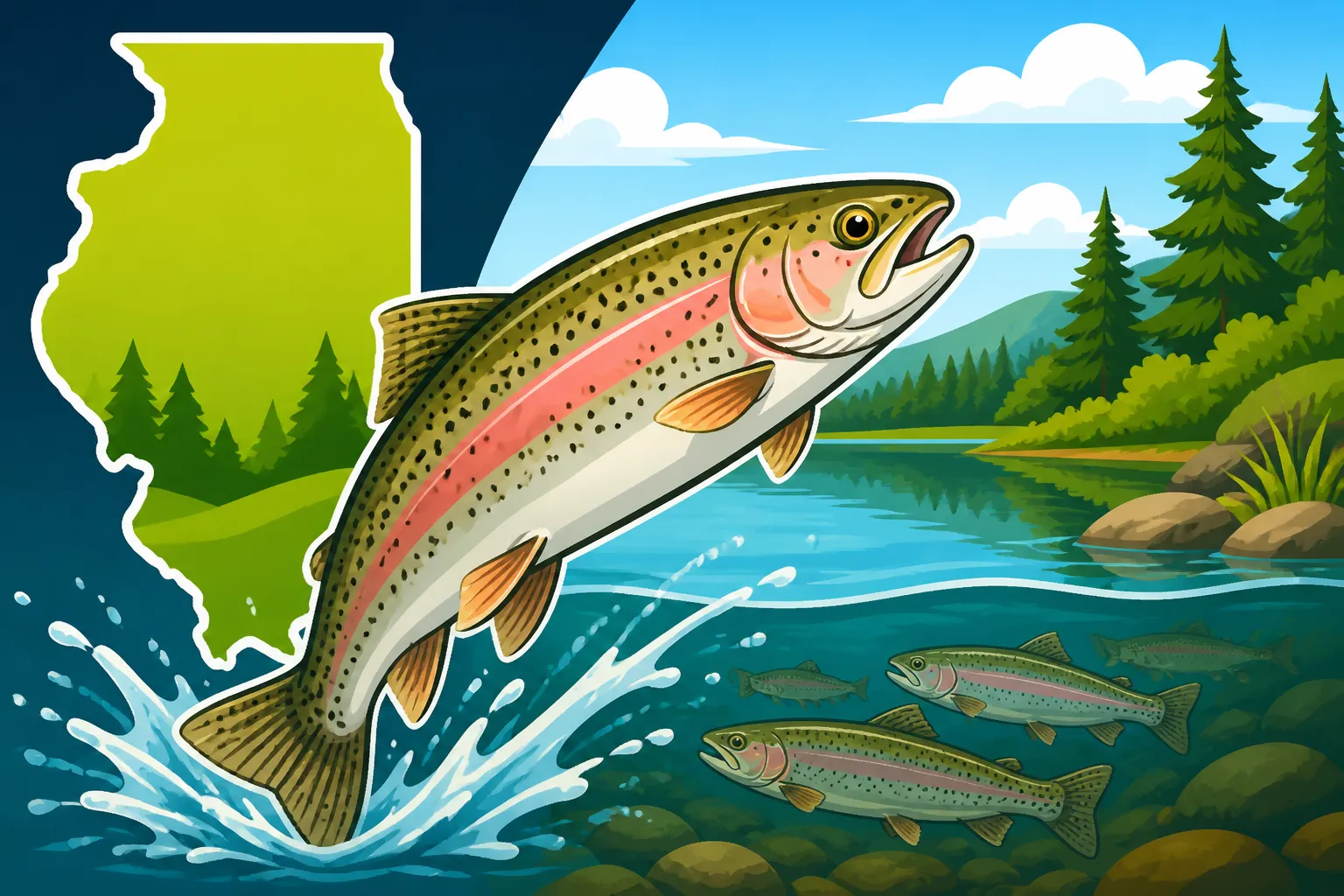
Illinois Rainbow Trout Stocked Lakes and Streams
It can be incredibly frustrating to dream of catching beautiful rainbow trout in Illinois, only to realize they aren't naturally abundant in many of our warmer waters. Many anglers feel a pang of disappointment when they learn the pristine, cold streams teeming with wild trout found in other states are a rarity here. This guide is here to shed light on how Illinois provides fantastic trout fishing opportunities through its dedicated stocking programs, showing you exactly where to go and what you need to know to reel in those vibrant rainbows.
The Allure of Rainbow Trout in Illinois Waters
There's something truly special about the rainbow trout. Their vibrant colors, energetic fight, and the promise of a delicious meal make them a highly sought-after species for anglers across the country. In Illinois, where our natural waterways often lean towards warmer temperatures better suited for bass and catfish, the idea of a healthy trout fishery might seem like a pipe dream. However, thanks to proactive conservation efforts, Illinois boasts a thriving, albeit managed, rainbow trout population that brings joy to thousands of fishing enthusiasts each year.
For many, catching a rainbow trout represents a refreshing change of pace from the more common catches like bluegill or largemouth bass. They demand a slightly different approach, often requiring lighter tackle and more subtle presentations, which can be an exciting challenge for seasoned anglers and a rewarding experience for newcomers. The excitement of seeing that tell-tale flash of silver and red beneath the surface is something that keeps people coming back, season after season. It's an escape, a pursuit of something a little exotic in our Midwest landscape.
Why Stocking is Essential for Illinois Trout Fishing
Let's be honest, Illinois isn't exactly known for its sprawling, glacier-fed mountain streams. Our natural aquatic environments, especially in central and southern Illinois, tend to be warmer and slower-moving, which isn't ideal for the year-round survival and reproduction of rainbow trout. These cold-water species thrive in specific conditions: consistently cool water temperatures, high oxygen levels, and often, rocky bottoms with plenty of cover. Without these natural conditions, a sustainable wild trout population simply wouldn't flourish here on its own.
This is precisely where stocking programs become invaluable. By introducing hatchery-raised rainbow trout into suitable bodies of water, the Illinois Department of Natural Resources (IDNR) creates fantastic fishing opportunities that wouldn't otherwise exist. These stocked trout provide an immediate, accessible fishery, allowing anglers to experience the thrill of trout fishing without having to travel hundreds of miles to other states. It's a pragmatic solution that directly addresses angler demand while working within the ecological constraints of our region. The fish are typically catchable size when released, meaning instant gratification for those who participate.
The Illinois Department of Natural Resources IDNR Role
The unsung heroes behind Illinois's vibrant trout fishing scene are undoubtedly the dedicated folks at the IDNR. They meticulously manage the state's trout stocking programs, carefully selecting waters that can temporarily support these cold-loving fish and planning releases that coincide with prime fishing seasons. Their goal isn't just to drop fish into a pond; it's to provide a quality recreational experience for the state's anglers. This involves everything from raising the trout in state hatcheries to transporting them to stocking sites, and then enforcing the specific regulations designed to sustain these put-and-take fisheries.
The IDNR monitors water temperatures and oxygen levels at potential stocking sites, ensuring that the released trout have the best possible chance of thriving for a period. They also coordinate with local park districts and forest preserves to ensure public access and proper management of these popular fishing locations. It’s a huge logistical undertaking, but one that truly pays off in the smiles and full creels of Illinois anglers. You can often find details about their efforts and upcoming stockings through official IDNR publications, offering transparency and helping you plan your next trip. This is crucial for anyone looking for Best Fishing Spots in Illinois specifically for trout.
Identifying Key Stocked Lakes and Streams for Rainbow Trout
So, you're ready to cast a line for some rainbow trout in Illinois. But where exactly do you go? The beauty of the IDNR's stocking program is its reach, making trout fishing accessible across the state, from bustling urban parks to serene state park lakes. The key is knowing which types of waters are typically chosen for these releases and how to identify them in your area. You'll find these locations are often chosen for their accessibility and the ability to maintain cooler water temperatures, at least for a portion of the year.
While Illinois doesn't have an abundance of natural trout streams, the IDNR makes the most of what we have, supplementing these with numerous ponds and lakes. These various locations offer different experiences, from a quick trip after work to a full weekend family outing. Understanding the distinctions between these types of stocked waters can help you pick the perfect spot for your next trout adventure, whether you prefer a quiet morning by the creek or a bustling community pond.
Urban and Community Ponds
For many city and suburban dwellers, the idea of trout fishing might seem like a distant dream, requiring a long drive to a remote location. Thankfully, the IDNR works with numerous local park districts and forest preserves to stock rainbow trout directly into urban and community ponds. These are fantastic resources, bringing quality fishing opportunities right to your doorstep. Think of places like the various forest preserve lakes around Chicago, or community ponds in cities like Springfield or Peoria. These spots are designed for ease of access, often with paved paths, accessible fishing piers, and amenities like restrooms.
These ponds are perfect for a quick fishing trip after work or school, making trout fishing a realistic option even for those with busy schedules. They’re also incredibly popular for families, as the high density of stocked fish often leads to more bites and happy kids. While these ponds might not offer the solitude of a wilderness stream, they provide an excellent opportunity to introduce new anglers to the sport and get some fresh air. Just remember that these spots can get crowded, especially during the initial days of a stocking event. Keep an eye out for signs indicating special trout regulations posted at these local ponds.
State Park Lakes and Recreation Areas
Beyond the urban centers, many of Illinois's picturesque state parks and larger recreation areas are also prime candidates for rainbow trout stocking. These locations often feature larger lakes or specially managed ponds that can sustain trout for longer periods due to better water quality and depth. Places like Rock Creek at Kankakee River State Park, or certain lakes within Starved Rock State Park’s vicinity, are well-known for their trout programs. Illinois State Park Fishing Spots are often among the most popular and productive for trout fishing.
Fishing in state parks often comes with the added benefit of beautiful scenery, hiking trails, and other recreational amenities, making it ideal for a full day trip or a weekend getaway. You might find a wider variety of fishing conditions here, from open water opportunities to more secluded coves. These areas are typically well-maintained, offering good boat ramps (if allowed) and plenty of shoreline access. They truly offer a blend of natural beauty and fantastic fishing, providing a more immersive experience than a local community pond.
Specialized Trout Streams
While rare, Illinois does have a few precious cold-water stream sections that are managed specifically for trout. These are often spring-fed creeks or river stretches that maintain sufficiently cool temperatures year-round or for extended periods. One notable example is portions of Apple River in Jo Daviess County, where brown trout are also stocked, and sometimes rainbow trout as well. These natural streams offer a completely different experience from pond fishing, demanding more stealth and often a fly fishing or ultralight spinning approach.
Fishing these specialized streams feels more akin to traditional trout fishing in mountainous regions. You'll often be wading, navigating rocky bottoms, and casting into riffles and pools. These areas usually have strict catch-and-release rules or very specific harvest limits to protect the fragile ecosystem and ensure a sustainable fishery. They are often managed with different regulations, so be sure to check the Illinois Fishing Regulations Overview for the specific section you plan to visit. These are truly gems for the discerning trout angler seeking a more challenging and authentic experience.
Navigating the Illinois Trout Stocking Programs
Understanding how and when the Illinois trout stocking programs operate is crucial for maximizing your success. It’s not just about knowing where the fish are, but when they’re available and what specific rules apply. The IDNR structures these programs around specific seasons, and there are additional requirements you need to be aware of beyond your standard fishing license. Ignoring these details could lead to disappointment or, worse, a citation.
Think of it like planning a special event; you wouldn't just show up without knowing the date, time, and dress code, right? Trout fishing in Illinois is similar. The "free-for-all" nature of stocking day is a unique and exciting aspect, but it's quickly followed by a regulated season. Knowing the rhythm of these programs will turn you into a much more effective and responsible angler.
Spring and Fall Trout Seasons
Illinois's rainbow trout stocking programs primarily revolve around two distinct seasons: spring and fall. These periods are chosen because the ambient air and water temperatures are typically cooler, allowing the newly stocked trout to thrive for a longer duration. The spring season usually kicks off in early April, just as the weather starts to warm up but before the intense summer heat sets in. This is a time of renewed energy for both fish and anglers. You'll find many eager faces lining the banks during these initial weeks, hoping to get in on the action.
The fall season typically begins in mid-October, when the summer's warmth has subsided, and the water temperatures drop again. This can be a particularly beautiful time to fish, with vibrant autumn foliage providing a stunning backdrop. The fishing can also be excellent, as the cooler water invigorates the trout. Both seasons are "put-and-take" fisheries, meaning the goal is for anglers to catch the fish that have been stocked. The IDNR provides specific start dates for each season, often with an announcement of a "catch-and-release only" period leading up to the harvest season, allowing the fish to acclimate. Many anglers check the Spring Fishing Calendar for Illinois Anglers to plan their trips.
Special Regulations and Trout Stamps
Here's a critical point that trips up many enthusiastic anglers: catching rainbow trout in Illinois stocked waters isn't just a matter of having a general fishing license. You'll need an additional stamp! Specifically, if you're 16 years of age or older and intend to fish for or possess trout from any of the designated catchable trout fishing areas, you must possess a valid Illinois Fishing License Guide for 2026 and an Illinois Inland Trout Stamp Requirements. This stamp helps fund the stocking programs, so it's a direct contribution to maintaining these fisheries.
These trout stamps are not interchangeable with the Lake Michigan Salmon Stamp Requirements for Anglers, which is for salmon and trout in Lake Michigan. So, if you're hitting an inland pond for rainbows, make sure you have the inland trout stamp. The good news is that these stamps are quite affordable, and you can purchase them wherever you buy your regular fishing license. It's a small investment for a lot of fun. Always double-check the specific regulations for the water body you are visiting, as catch limits and size restrictions can vary. Understanding The Difference Between a Fishing License and a Trout Stamp is absolutely essential.
Finding Current Stocking Information
The best way to stay ahead of the game and know exactly when and where the trout are being stocked is to utilize the official resources provided by the IDNR. They typically release a comprehensive list of all stocked locations and the approximate dates for both spring and fall seasons well in advance. This information is usually available on their website, often under "Fishing Information" or "Trout Seasons." Sometimes, local park districts or forest preserves that manage stocked ponds will also post updates on their own websites or social media channels.
Don't rely solely on word-of-mouth or old articles, as stocking schedules can sometimes shift due to weather conditions, water temperatures, or other logistical factors. Making it a habit to check the IDNR's official announcements or signing up for their email newsletters can ensure you're always in the loop. This real-time information is invaluable for planning your trip, ensuring you arrive when the fish are fresh and the action is hot. Being informed is half the battle when it comes to successful trout fishing in Illinois.
Essential Gear and Tactics for Illinois Rainbow Trout
Once you've got your license, your trout stamp, and you know where and when to go, the next step is getting your gear in order. You don't need a boatload of expensive equipment to catch stocked rainbow trout in Illinois, but having the right tools can certainly make your experience more enjoyable and successful. These fish can be surprisingly feisty and particular, so a little preparation goes a long way.
Many anglers find that trout fishing is a delightful blend of finesse and persistence. It’s not always about brute strength, but rather about presenting your bait or lure naturally and having the sensitivity to detect those subtle takes. Whether you're a seasoned pro or a brand-new angler, gearing up correctly is a foundational step for a productive day on the water.
Recommended Rods, Reels, and Line
For rainbow trout in Illinois, a lightweight setup is generally your best bet. Think "ultralight" or "light" action spinning rods, typically ranging from 5 to 6.5 feet in length. This lighter action allows for more accurate casting of small baits and lures, provides greater sensitivity to detect light bites, and makes even a modest 12-inch trout feel like a trophy. These rods are forgiving and fun to fish. You can find excellent budget-friendly options on sites like Amazon that are perfect for getting started.
Pair your rod with a small spinning reel (size 1000 or 2000) spooled with 4 to 6-pound test monofilament or fluorocarbon line. Monofilament is a good all-around choice for its stretch and knot strength, while fluorocarbon offers lower visibility and greater abrasion resistance. Some anglers opt for braided line with a fluorocarbon leader for maximum sensitivity, but for stocked trout, it's often overkill. The key is a balanced setup that feels comfortable in your hand and allows for delicate presentations. If you want to dive deeper into the basics, check out Easiest Fish to Catch for Beginners for gear recommendations for panfish, which often overlap with trout.
Effective Baits and Lures for Stocked Trout
Stocked rainbow trout, having been raised in hatcheries, often have a preference for certain familiar scents and easy meals. This means you don't necessarily need exotic lures to catch them. The classics truly shine here. PowerBait in various colors (chartreuse, rainbow, pink) is a perennial favorite. Mold it into a small ball around a tiny treble hook and fish it off the bottom with a small split shot and a light leader, allowing it to float just above the bottom. This is often the first thing people try, and for good reason.
Another incredibly effective bait is live worms, particularly small pieces of nightcrawlers. Fish them under a bobber or on a small hook weighted with a split shot, allowing them to drift naturally. Small mealworms or wax worms can also be deadly, especially when fished under a tiny bobber. For lures, try small inline spinners like a Rooster Tail or Mepps Aglia in sizes 0 to 2. Silver, gold, or brass blades with a flash of color are often irresistible. Tiny spoons, like Kastmasters or Little Cleos, can also entice strikes, especially on windy days when a little more weight is needed for casting. For more specific recommendations, refer to Best Bait for Rainbow Trout Fishing.
Shoreline and Wading Tactics
Most stocked trout fisheries in Illinois are accessible from the bank, making them perfect for anglers without a boat. When fishing from the shore, pay attention to points, inlets, and any submerged structure like logs or weeds, as trout will often congregate in these areas. Early mornings and late evenings are typically the most productive times, especially during warmer periods, as the trout will be more active and closer to shore. Look for any surface activity – rising fish indicate they are feeding on insects.
If permitted and safe, wading can be incredibly effective, especially in smaller streams or shallow areas of lakes. Wading allows you to cover more water and approach fish from different angles, often reaching spots that are inaccessible from the bank. When wading, move slowly and deliberately to avoid spooking fish. Wear polarized sunglasses to help spot fish or subtle changes in the bottom structure. Focus your casts on current seams, around fallen trees, or in deeper pools where trout might be holding. Remember to always prioritize safety when wading, especially in unfamiliar waters or areas with strong currents.
Illinois Trout Stocking Quick Reference
To help you get started, here's a quick look at some common characteristics of Illinois's trout program:
| Feature | Details |
|---|---|
| Main Seasons | Spring (early April) & Fall (mid-October) |
| Required License | Standard Illinois Fishing License + Inland Trout Stamp (ages 16+) |
| Common Locations | Urban ponds, State Park lakes, some specialized cold-water streams |
| Typical Stocked Size | Catchable size (often 8-12 inches) |
| Popular Baits | PowerBait (various colors), live worms, mealworms, wax worms |
| Effective Lures | Small inline spinners (Mepps, Rooster Tail), tiny spoons (Kastmaster) |
| Best Fishing Times | Early morning, late evening (especially during warmer periods) |
| IDNR Info Source | Official IDNR website for stocking schedules and regulations |
General Fishing Tips for Success
Beyond the specific gear and bait, there are a few overarching principles that will improve your chances of success when targeting rainbow trout in Illinois. These tips apply whether you're at a crowded urban pond or a more secluded state park lake.
First, be observant. Trout are often very sensitive to their environment. Look for signs of activity: a ripple on the surface, a flash of silver, or even other anglers catching fish. Pay attention to what methods they're using if they're having success. Sometimes, simply changing the color of your PowerBait or the retrieve speed of your spinner can make all the difference.
Second, adjust your depth. Trout will often feed at different depths depending on water temperature, sunlight, and insect activity. If you're not getting bites on the bottom, try fishing your bait suspended under a bobber at various depths. If using lures, try different retrieve speeds and pause lengths to cover the entire water column. A fish finder, even a basic portable model you can get from Amazon, can sometimes help identify where fish are holding, but it's not strictly necessary for stocked trout.
Third, be patient but persistent. Stocked trout can go through periods of intense feeding, but they can also shut down. If one spot isn't producing, try moving a short distance down the bank or changing your bait. Sometimes, just a slight change in presentation or location is all it takes to trigger a bite. The Illinois Fishing Seasons Guide emphasizes that fish activity often correlates with the season, so patience is key.
Finally, always practice responsible angling. Take out everything you bring in, and respect other anglers. If you're planning to keep fish, know your limits and handle them ethically. For those learning to fish, especially kids, trout stocking events are a phenomenal way to build confidence and ignite a lifelong passion for the outdoors. Just remember to grab that special stamp and check the Illinois Fishing Regulations Overview before heading out!
Disclaimer
This article is for general informational purposes only and does not constitute professional advice. Laws, prices and regulations vary by location and change over time. Consult a qualified professional for guidance on your specific situation.