Is Striped Bass Legal to Keep in Illinois?
Many anglers cast their lines into Illinois waters with a lot of excitement, but sometimes a truly unique catch can leave you scratching your head, especially when it comes to fish that aren't everyday residents. If you've ever landed something that looks like a Striped Bass, you might immediately wonder if it's legal to keep, given their famous status in coastal waters. This guide aims to clear up that confusion, specifically addressing the legalities and practical differences between true Striped Bass and the more common Hybrid Striped Bass found here in Illinois.
Understanding Striped Bass in Illinois Waters
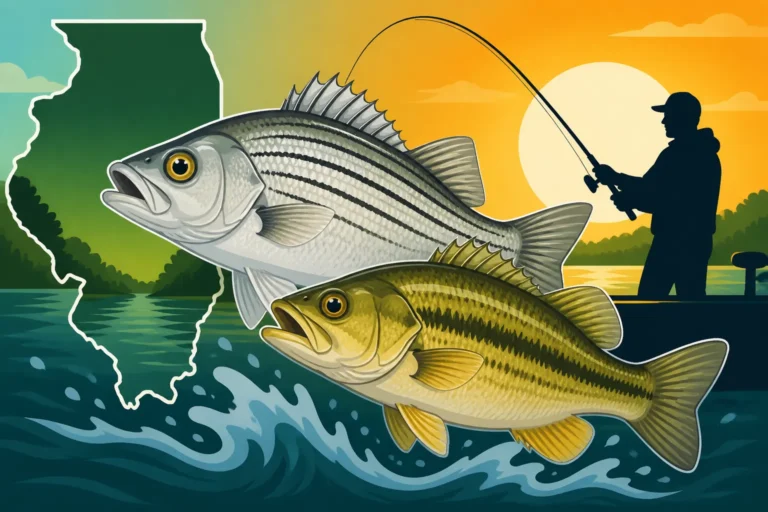
It's easy to get excited when you hook into a powerful, hard-fighting fish that looks like a Striped Bass. The distinctive dark lines running down its silvery sides are unmistakable. However, the reality for Illinois anglers is a bit more nuanced than simply identifying a "striper." What you're likely catching isn't the true ocean-dwelling Striped Bass, but rather its close cousin, the Hybrid Striped Bass. Understanding this distinction is key to knowing the rules.
The Rarity of True Striped Bass in Illinois
Let's get one thing straight right off the bat: the purebred Striped Bass (Morone saxatilis) is primarily a saltwater fish, famous for its migratory runs along the Atlantic coast and Gulf of Mexico. While they can tolerate brackish and even freshwater environments, they are not naturally occurring in Illinois's inland lakes and rivers. Think about it – we're hundreds of miles from the nearest ocean! You might hear old fishing tales or see photos from other states, but a true, wild Striped Bass showing up in, say, Lake Shelbyville, would be an extraordinary event, almost certainly a stray or an escaped private stocking. Because of their incredibly rare presence, the Illinois Department of Natural Resources (IDNR) doesn't typically establish specific regulations for them. If you somehow, against all odds, caught a genuine purebred Striped Bass, it would be such a rare occurrence that most game wardens would likely be more interested in its origin story than citing you for a regulation that doesn't really exist for them here.
Hybrid Striped Bass: The More Common Catch
Now, let's talk about the fish you are probably catching: the Hybrid Striped Bass, often affectionately called a "wiper." These are a cross between a female Striped Bass and a male White Bass (Morone chrysops). They are specifically bred in hatcheries and then stocked into various public waters across Illinois by the IDNR to provide a fantastic sportfishing opportunity. Wipers thrive in many of our larger reservoirs and rivers because they grow fast, fight hard, and adapt well to these environments. They have a similar appearance to purebred stripers, with those tell-tale dark lines, but there are subtle differences in their markings and body shape that, once you learn them, become easier to spot. These hybrids are what most Illinois anglers are referring to when they talk about catching "stripers" or "hybrid stripers," and they are definitely a legal and sought-after game fish here.
Illinois Regulations for Striped Bass and Hybrids
Navigating fishing regulations can feel like deciphering ancient texts sometimes, especially when you're dealing with similar-looking species. The good news is that for our purposes in Illinois, the rules are quite clear once you understand the key difference between a true Striped Bass and a Hybrid Striped Bass. This distinction is paramount, as the regulations that do exist are specifically for the hybrids.
The IDNR Stance on Striped Bass
Because true Striped Bass are not native or commonly stocked in Illinois, the Illinois Department of Natural Resources (IDNR) generally does not list specific statewide size or possession limits for them. This means if you were to somehow catch a purebred Striped Bass, it technically wouldn't fall under a specific regulation here, simply because it's not a recognized target species for management in our freshwater systems. It's akin to catching a marlin in an Illinois pond – it's so far out of its natural environment that there isn't a specific rule for it. However, it's always wise to err on the side of caution. If you're truly unsure, a quick consultation with a local game warden or the IDNR fishing information guide is prudent. The general rule of thumb is that if a fish isn't specifically regulated, it's often covered by more general state-wide limits on "fish not otherwise designated," but that's a rare scenario for a fish of this type.
Regulations for Hybrid Striped Bass (Wipers)
This is where the rubber meets the road for Illinois anglers. Hybrid Striped Bass, or wipers, are a legitimate and managed fishery. The IDNR sets specific size and daily catch limits for wipers, and these regulations can sometimes vary from lake to lake. These rules are put in place to ensure a healthy population, good growth rates, and sustainable fishing for everyone.
For example, many large Illinois reservoirs might have a statewide daily creel limit for Hybrid Striped Bass, such as "no more than three (3) Hybrid Striped Bass of 17 inches or longer." This means you can keep more fish if they are under that size, but only a certain number if they reach a trophy length. It's vital to check the current Illinois Fishing Information Guide Covers April 2026 Through March 2027 for the specific body of water you're fishing. You can usually find these details in the site-specific regulations section, often printed in your fishing guide or available on the IDNR website. Ignoring these rules can lead to Penalties for Exceeding Your Daily Catch Limit. Always measure your fish carefully and adhere to the limits.
Why the Distinction Matters
You might think, "Why does it matter if it's a purebred or a hybrid if they look so similar?" The answer is simple: legality and conservation. Misidentifying a fish could lead to unintentional violations. While a true Striped Bass is rarely found here, the Hybrid Striped Bass fishery is intentionally managed and heavily regulated. The IDNR invests resources into stocking wipers, and those regulations are there to protect that investment and provide continued fishing opportunities for anglers. Knowing the difference ensures you comply with the law, contribute to responsible fishing practices, and avoid potential fines. Imagine trying to explain to a conservation officer that you didn't know the difference after catching too many or oversized fish! It's better to be informed.
Identifying Striped Bass vs. Hybrid Striped Bass
Okay, so we know the legalities hinge on telling a pure Striped Bass from a Hybrid Striped Bass (wiper). But how do you actually tell them apart when they're both putting up a fierce fight at the end of your line? It might seem tricky at first, but with a few key indicators, you'll become an expert in no time.
Key Visual Differences
The most reliable way to tell the difference is by looking at the dark, longitudinal lines on their sides and checking their tongue.
- Striped Bass (Purebred): The dark lines on a true Striped Bass are usually unbroken and distinct, running straight from gill to tail. They often appear to be very uniform. On their tongue, they will have two distinct parallel patches of teeth. This is a definitive identification marker.
- Hybrid Striped Bass (Wiper): Wipers, on the other hand, tend to have lines that are often broken, interrupted, or even somewhat jagged, especially towards the tail. They might also appear fainter or less continuous than those on a pure striper. When you check their tongue, wipers typically have one irregular or broken patch of teeth, or sometimes two patches that are much closer together and less distinct than on a pure striper.
Another subtle difference can be in their body shape. Purebred Striped Bass often have a slightly more elongated, torpedo-like body, while wipers can appear a bit more stout or "stocky" for their length. However, this isn't as reliable as the tooth patch or line patterns, as fish size and condition can influence perceived body shape.
Here's a quick comparison:
| Feature | Purebred Striped Bass | Hybrid Striped Bass (Wiper) |
|---|---|---|
| Lateral Lines | Unbroken, distinct, continuous from gill to tail. | Often broken, irregular, or disjointed, especially towards the tail. |
| Tongue Teeth | Two distinct, parallel patches of teeth. | One irregular or broken patch of teeth, or two very close/indistinct patches. |
| Body Shape | Generally more elongated and streamlined. | Tends to be a bit more stout, "football-shaped," or stocky. |
Resources for Identification
Don't feel like you need to memorize all this on the spot. Modern technology and classic resources are your friends!
- Illinois Fishing Information Guide: The annual IDNR fishing guide is an invaluable resource. It often includes illustrations or descriptions to help you identify common game fish, including wipers. Always keep a copy handy, either physical or digital.
- IDNR Website/Apps: The Illinois Department of Natural Resources website is a treasure trove of information. Many states also have official fishing apps that include fish identification guides.
- Field Guides: Investing in a good freshwater fish identification guide for North America can be a huge help. You can often find excellent, waterproof versions on Amazon that are perfect for keeping in your tackle box or boat. They'll have detailed drawings and descriptions that make species identification much easier right on the water.
- Local Bait Shops and Experts: Don't hesitate to ask the seasoned pros at your local bait shop or tackle store. They've seen it all and can often give you hands-on tips for distinguishing species common to your area.
By familiarizing yourself with these details and utilizing available resources, you'll confidently be able to identify your catch and ensure you're following all the correct regulations.
Where Anglers Might Encounter Striped Bass or Hybrids in Illinois
Since we've established that true Striped Bass are practically non-existent in Illinois, our focus naturally shifts to their feisty cousins: the Hybrid Striped Bass. These strong fighters are much more common and intentionally managed in our state's waters, providing exciting opportunities for anglers seeking a powerful tug on their line. Knowing where they thrive can greatly increase your chances of a successful outing.
Stocking Programs for Hybrid Striped Bass
The presence of Hybrid Striped Bass in Illinois isn't a fluke of nature; it's a deliberate effort by the Illinois Department of Natural Resources (IDNR). They run active stocking programs, raising wipers in hatcheries and then releasing them into selected lakes and reservoirs. This is done to enhance sportfishing, as wipers are known for their aggressive strikes and impressive fighting capabilities. They're a fantastic addition to the state's fishery, offering a different challenge than traditional bass or panfish. These stocking efforts are carefully managed to ensure the fish have suitable habitat and food sources, and to prevent any negative impacts on native species. This is why you'll find them in specific, often larger, impoundments across the state.
Accidental Sightings of True Striped Bass
While exceedingly rare, the notion of a true Striped Bass showing up in Illinois is not entirely impossible, though it would likely be due to highly unusual circumstances. Perhaps a very isolated, private stocking by an individual, or a fish that somehow made an incredible journey through interconnected waterways (though this is highly improbable for an ocean-dwelling species in Illinois). Such an event would be an anomaly, more of a curiosity for biologists than a regular occurrence for anglers. For all practical purposes of fishing in Illinois, if you catch a fish that looks like a Striped Bass, you should assume it's a hybrid and apply those regulations. Don't spend too much time worrying about encountering a purebred; focus on learning the rules for the wipers you're much more likely to hook.
Top Illinois Waters for Hybrid Striped Bass
If you're eager to tangle with Hybrid Striped Bass, there are several prime locations in Illinois where the IDNR's stocking efforts have created thriving populations. These are often large reservoirs with ample open water and forage species like shad, which wipers love to chase.
- Lake Shelbyville: This massive reservoir is a fantastic spot for wipers. They grow to impressive sizes here, and anglers often target them by trolling or casting into schooling baitfish. You might find detailed information in a Lake Shelbyville Fishing Guide.
- Rend Lake: Another top contender, Rend Lake offers excellent wiper fishing. Its expansive waters provide plenty of room for these fish to roam and grow. Targeting them around submerged structure or open water schools can be productive. Check out a Rend Lake Fishing Guide for Illinois Anglers for more tips.
- Carlyle Lake: As Illinois's largest man-made lake, Carlyle Lake is home to a robust population of Hybrid Striped Bass. Anglers here use a variety of techniques, from spoon jigging to casting large swimbaits, to entice these hard fighters. Our Carlyle Lake Fishing Guide can help you plan your trip.
- Clinton Lake: Known for its warm-water discharge, Clinton Lake can be a good spot for wipers, especially during cooler months when other lakes slow down. Their presence provides a unique winter fishing opportunity.
- Mississippi River: The mighty Mississippi River, particularly certain stretches, also holds good numbers of Hybrid Striped Bass, especially in pools where conditions are favorable and forage is abundant. The vastness of the river offers different challenges and rewards for anglers.
Remember, even within these prime locations, specific rules apply. Always consult the most current fishing regulations for the particular body of water you intend to fish. Good preparation, including checking the rules and having the right gear, like a good quality fishing rod and reel (easily found on Amazon), will set you up for success.
Disclaimer
This article is for general informational purposes only and does not constitute professional advice. Laws, prices and regulations vary by location and change over time. Consult a qualified professional for guidance on your specific situation.