Is Channel Catfish Good to Eat?
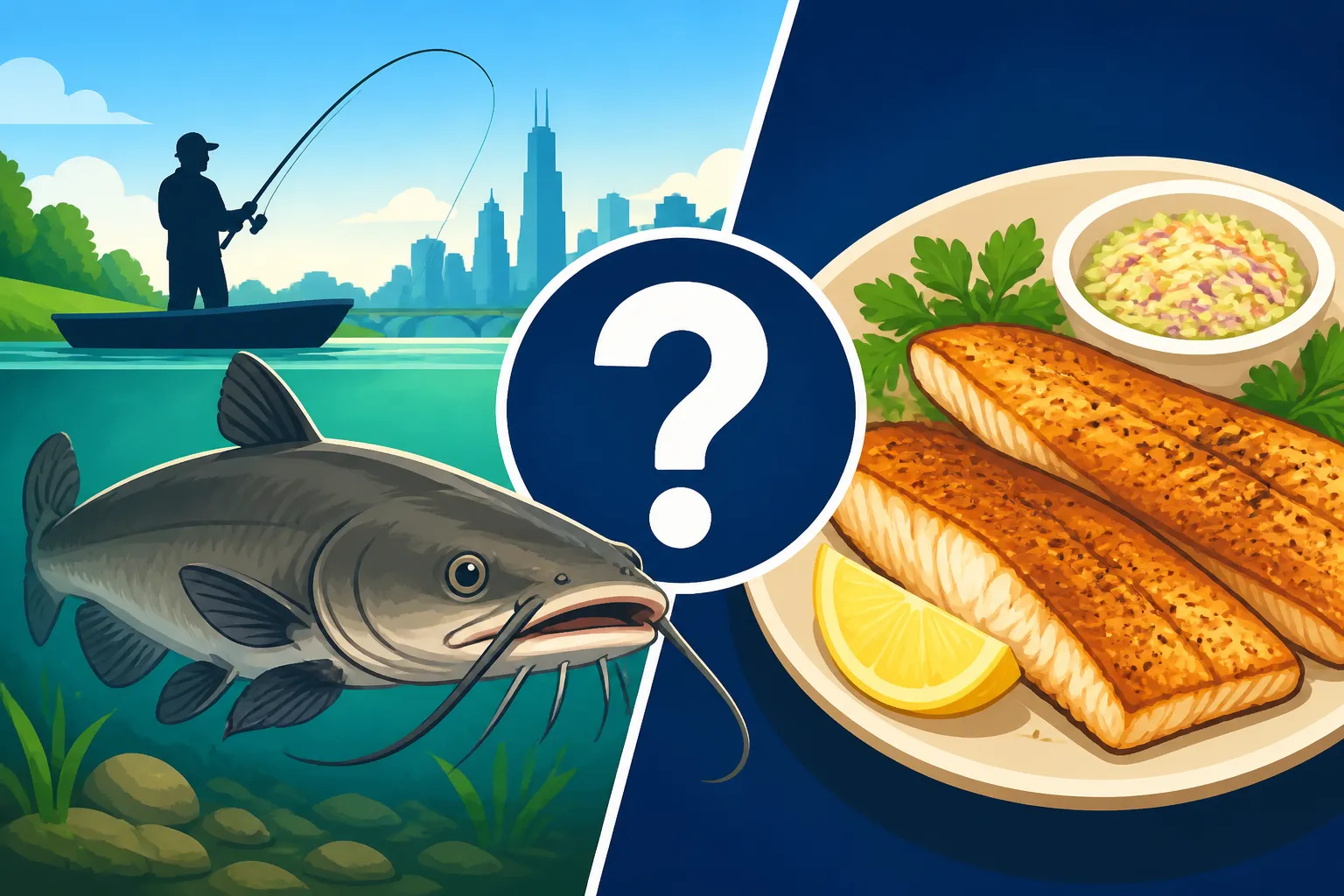
There’s a question that often pops up around the campfire or on the fishing dock, especially after a successful day on Illinois waters: "Is channel catfish good to eat?" For many, the answer is a resounding yes, but for others, there's a lingering doubt about that "muddy" taste they might have heard about. This guide is here to settle the debate, dive deep into the delicious potential of Illinois channel catfish, and show you exactly how to transform your catch into a fantastic meal.
Is Channel Catfish Good to Eat? Unpacking the Flavor Profile
Let's get right to it: yes, channel catfish are absolutely delicious, especially when caught from clean, active waters here in Illinois and handled properly. They offer a unique taste that stands up to various cooking methods, making them a favorite among many anglers for their table fare.
Understanding the Taste Profile of Channel Catfish
When you catch a healthy channel catfish from most Illinois lakes and rivers, you're looking at fillets that are typically firm, white, and flaky with a mild, slightly sweet flavor. It's a clean taste, not overly "fishy," which makes it incredibly versatile. Many folks compare its texture and mildness to cod or even tilapia, but with a richer, more satisfying character that's distinctly freshwater. The meat holds together well, whether you're frying it to a golden crisp or gently baking it.
The quality of the water where the catfish lives plays a huge role in its taste. Fish from clear, flowing rivers like sections of the Illinois River or cleaner reservoirs often have the most desirable flavor. These fish are usually feasting on a varied diet of insects, crustaceans, and smaller fish, which contributes to their clean, sweet meat. Conversely, catfish from stagnant, murky ponds with a lot of organic decomposition might pick up some off-flavors, but this isn't a universal rule for all channel catfish.
Why Some Catfish Get a Bad Rap and How to Avoid It
The "muddy" or "earthy" taste that some people associate with catfish isn't inherent to the species; it's usually a result of their environment and what they've been eating. Catfish are bottom feeders, and in certain conditions, they can absorb compounds from their surroundings, like geosmin, which is produced by certain blue-green algae and bacteria in muddy bottoms. This is what gives some fish that undesirable flavor.
To avoid this, savvy anglers in Illinois often target channel catfish in clearer water bodies or during cooler months when algae blooms are less prevalent. Smaller, younger channel catfish also tend to have a milder flavor profile than very large, older ones. While there isn't a specific Is There a Size Limit on Catfish in Illinois? in many waters, focusing on fish in the 1-3 pound range for the dinner plate can often lead to the best culinary experience. It's about being selective with your catch, rather than assuming all catfish will taste the same.
Farm-Raised vs. Wild-Caught Channel Catfish
You've probably seen farm-raised catfish at the grocery store, and they're usually a consistent, mild product. This is because their diet and water quality are carefully controlled. However, there's a special something about wild-caught Illinois channel catfish. When pulled from healthy natural environments, their meat can have a more nuanced flavor, often described as richer and more complex than their farm-raised cousins.
The challenge with wild-caught is inconsistency – as mentioned, a fish from a clear, flowing river will taste different from one pulled out of a muddy backwater pond. But when you hit that sweet spot, a properly handled wild Illinois channel catfish offers a truly superior eating experience that can't quite be replicated by its farm-raised counterpart. It's that natural diet and active lifestyle that imbues them with a distinct, delicious character.
From Water to Plate: Catching, Cleaning, and Storing for Best Taste
The journey from the hook to your dinner plate is critical for ensuring your channel catfish tastes its absolute best. It’s not just about what you catch, but how you handle it.
Catching for the Dinner Plate: Targeting Healthy Fish
When you're out on the water with the intention of bringing home a meal, consider your target. As we discussed, fish from cleaner, more oxygenated waters will generally taste better. Look for areas with good current, rocky bottoms, or clear lake sections. Rivers like the Mississippi and Illinois Rivers, and larger reservoirs such as Rend Lake or Lake Shelbyville, are often prime locations for tasty channel catfish. Make sure you're aware of the local rules, as Why Fishing Rules Vary by Lake and River is a real thing.
Smaller channel catfish, typically those in the 1 to 3-pound range, are often considered the best for eating. Their meat is less likely to be tough or develop stronger flavors that some find undesirable. Catching methods that minimize stress on the fish can also contribute to better taste. Once you've landed your fish, it’s vital to dispatch it quickly and humanely. This reduces the buildup of stress hormones that can negatively affect meat quality. Get them on ice immediately, as maintaining a cold temperature is the first crucial step in preserving flavor. For details on how many you can keep, check out the Illinois Channel Catfish Daily Limit of 20 Fish.
The Art of Cleaning a Channel Catfish for Optimal Flavor
Cleaning a catfish might seem daunting if you're new to it, but it's a straightforward process that makes a huge difference in the final taste. Unlike scaled fish, catfish have tough skin that requires a different approach. You'll either skin them whole or fillet them.
Here's a basic rundown for skinning and filleting:
- Skinning: Many anglers prefer to skin a catfish. You can make a cut behind the head, all the way around, and then use pliers (or specialized catfish skinners you can find on Amazon) to peel the skin off towards the tail. It comes off in strips.
- Filleting: After skinning, you can fillet the fish as you would any other. Make a cut along the backbone from head to tail, then cut down along the rib cage to remove the fillet.
- Removing the Mud Vein: This is arguably the most important step for taste. Along the lateral line of the fillet, you'll often see a darker, reddish line of meat. This is often referred to as the "mud vein" or "bloodline," and it can impart a stronger, sometimes "fishy" flavor. Carefully trim this out with a sharp knife.
- Rinsing: Once filleted and trimmed, rinse the fillets thoroughly under cold water. Pat them dry with paper towels before storing. This removes any lingering blood or slime.
Taking your time with cleaning, especially trimming that mud vein, is a small effort that yields huge rewards at the dinner table.
Proper Storage for Freshness and Taste
Once your catfish is cleaned, proper storage is paramount to locking in that fresh flavor. You want to get those fillets chilled down and protected as quickly as possible.
- Short-Term Storage (1-2 days): For immediate consumption, place your fresh fillets in a zip-top bag or airtight container, nestled on a bed of ice in the refrigerator. Ensure any melting ice water drains away, so the fillets aren't sitting in it.
- Medium-Term Storage (up to a week): If you plan to eat them within a few days, a simple brine can help. A light saltwater solution (about 1/4 cup salt per gallon of water) can be used to soak the fillets for an hour or two before rinsing and storing on ice or in the fridge. This can draw out any remaining impurities and firm up the flesh.
- Long-Term Storage (several months): For freezing, vacuum sealing is your best friend. Air is the enemy of frozen fish, causing freezer burn and degrading flavor. Vacuum sealers and bags, readily available on Amazon, remove all the air, keeping your fillets tasting fresh for much longer. If you don't have a vacuum sealer, wrap individual fillets tightly in plastic wrap, then again in aluminum foil, and place them in a freezer-safe bag, trying to remove as much air as possible. Always label with the date!
| Storage Method | Duration | Key Steps |
|---|---|---|
| On Ice (Fridge) | 1-2 days | Place fillets in a bag or container on ice; drain water frequently. |
| Brining & Fridge | Up to 1 week | Soak in light saltwater brine (optional), rinse, store in airtight container on ice. |
| Vacuum Sealing | 6-12 months | Fillets in vacuum-seal bag, remove all air, freeze flat. Ideal for preserving quality. |
| Foil/Plastic Wrap | 2-3 months | Wrap tightly in plastic, then foil; place in freezer bag, remove excess air. |
Following these steps ensures that the delicious potential of your Illinois channel catfish is fully realized when it's time to cook.
Creative Cooking: How to Prepare Your Illinois Channel Catfish
Now for the fun part: turning those beautiful fillets into a meal! Channel catfish are incredibly versatile, lending themselves to a multitude of cooking styles. Whether you're a purist or looking to experiment, there's a method that will make your catch sing.
Classic Deep-Fried Catfish
For many, deep-fried catfish is the quintessential way to enjoy this fish, and for good reason. The crispy, golden-brown crust protecting the tender, flaky white meat inside is simply irresistible. This method is especially popular in the Midwest, and it’s a staple at fish fries across Illinois.
To achieve that perfect fry, you'll want a good breading. A mix of cornmeal, flour, and your favorite spices (paprika, garlic powder, onion powder, cayenne for a kick) creates a fantastic crunchy coating. Dip your fillets in buttermilk or an egg wash, then dredge them generously in your breading mix. Heat a neutral oil (like peanut, canola, or vegetable oil) to about 350-375°F (175-190°C) and fry the fillets in batches until they're golden brown and cooked through, usually 3-5 minutes depending on thickness. Don't overcrowd the fryer, as this will drop the oil temperature and lead to soggy fish. Serve with hushpuppies, coleslaw, and a squeeze of fresh lemon for a truly authentic experience.
Healthier Alternatives: Baking, Grilling, and Pan-Frying
While deep-frying is undeniably delicious, it's not the only way to enjoy channel catfish. For those looking for lighter options, baking, grilling, and pan-frying are excellent choices that allow the natural flavor of the fish to shine.
- Baking: Preheat your oven to around 400°F (200°C). Place seasoned fillets on a baking sheet, perhaps drizzled with a little olive oil or butter, and bake for 10-15 minutes, or until the fish flakes easily with a fork. You can add a breadcrumb topping for a bit of crunch. This method is incredibly simple and requires minimal cleanup.
- Grilling: Catfish takes beautifully to the grill. For grilling, it's often best to use a fish basket or foil packet to prevent the delicate fillets from sticking or breaking apart. Marinate your fillets for 30 minutes to an hour in a mixture of olive oil, lemon juice, garlic, and herbs. Grill over medium-high heat for about 4-6 minutes per side, until cooked through and slightly charred. The smoky flavor from the grill adds another dimension to the fish.
- Pan-Frying: This is a quick and easy method for everyday meals. Lightly dust your fillets with seasoned flour or a light breading. Heat a tablespoon or two of oil or butter in a skillet over medium-high heat. Cook the fillets for about 3-4 minutes per side, until golden and cooked through. This method creates a lovely crust without the need for a deep fryer.
Creative Recipes and Seasoning Ideas
Don't be afraid to get creative with your Illinois channel catfish! Its mild flavor makes it a fantastic canvas for a wide range of global cuisines and spice profiles.
- Blackened Catfish: For a taste of the South, try blackening. Rub fillets generously with a mix of Cajun spices (paprika, cayenne, garlic powder, onion powder, oregano, thyme – many pre-made blends are available on Amazon). Cook in a screaming hot, well-seasoned cast-iron skillet with a touch of butter until a dark crust forms. The spice and intense heat create a flavorful crust while keeping the inside moist.
- Catfish Tacos: Flake cooked catfish (baked, grilled, or pan-fried) into warm tortillas. Top with fresh salsa, shredded cabbage, a squeeze of lime, and a creamy cilantro-lime sauce. This is a light, fresh, and incredibly satisfying meal.
- Catfish Curry or Stew: Cut catfish into chunks and add to your favorite curry or seafood stew recipe. The firm flesh holds up well to simmering without falling apart. Incorporate local Illinois-grown vegetables for a truly regional dish.
- Marinades and Rubs: Experiment with different marinades. Asian-inspired marinades with soy sauce, ginger, and sesame oil work well, as do zesty lemon-herb marinades. Dry rubs with chili powder, cumin, and smoked paprika can add a Tex-Mex flair.
Whether you keep it classic or venture into new culinary territory, your Illinois channel catfish will be a welcome addition to the dinner table. If you're looking to catch more for the pan, try reading up on Best Bait for Channel Catfish From the Bank or How to Catch Catfish From the Bank to improve your success rate.
Beyond the Plate: Responsible Angling and Catfish Management in Illinois
As much as we love to talk about eating our catch, it’s also important to remember the bigger picture of sustainable fishing. Responsible angling practices ensure that future generations of Illinois anglers can also enjoy the thrill of catching and the delight of eating channel catfish.
Understanding Catch Limits and Local Rules
Illinois has specific regulations in place to manage fish populations, including channel catfish. These rules are designed to ensure that enough fish remain to reproduce and maintain a healthy ecosystem. For channel catfish, the statewide daily limit is quite generous at 20 fish, but it's crucial to understand that Illinois Channel Catfish Daily Limit Explained can sometimes vary by specific water bodies.
Before heading out, always consult the latest Illinois fishing guide or check the Illinois Department of Natural Resources (IDNR) website for the specific lake or river you plan to fish. As mentioned before, Why Fishing Rules Vary by Lake and River is a key point, and knowing these local nuances can prevent accidental violations. For example, some lakes might have reduced daily limits or different size restrictions for certain species. Having a valid Illinois Fishing License Guide for 2026 is the first step, and understanding the rules is equally important for any ethical angler.
Sustaining Our Catfish Populations
Our enjoyment of fishing today depends entirely on the health of our aquatic environments. Channel catfish are prolific breeders, but they still benefit from responsible harvesting. While it's okay to keep a mess of smaller catfish for a fish fry, consider practicing catch and release for some of the larger, older "trophy" sized fish. These bigger fish are often the best breeders and contribute significantly to the genetic health and stability of the population.
Beyond individual choices, supporting conservation efforts is vital. This includes properly disposing of trash, preventing the spread of aquatic invasive species, and advocating for clean water initiatives. Healthy habitats not only mean more fish but, as we’ve learned, they also mean better-tasting fish. When the water is clean and the ecosystem thrives, the channel catfish you catch will naturally have a purer, more delicious flavor. Understanding the different species, like in Catfish Species Comparison: Channel vs Blue vs Flathead Size and Taste, also helps in making informed decisions about what to keep and what to release. By being thoughtful anglers, we contribute to a vibrant fishing future for all of Illinois.
Disclaimer
This article is for general informational purposes only and does not constitute professional advice. Laws, prices and regulations vary by location and change over time. Consult a qualified professional for guidance on your specific situation.