Easiest Fish for Kids to Catch on an Illinois Pond
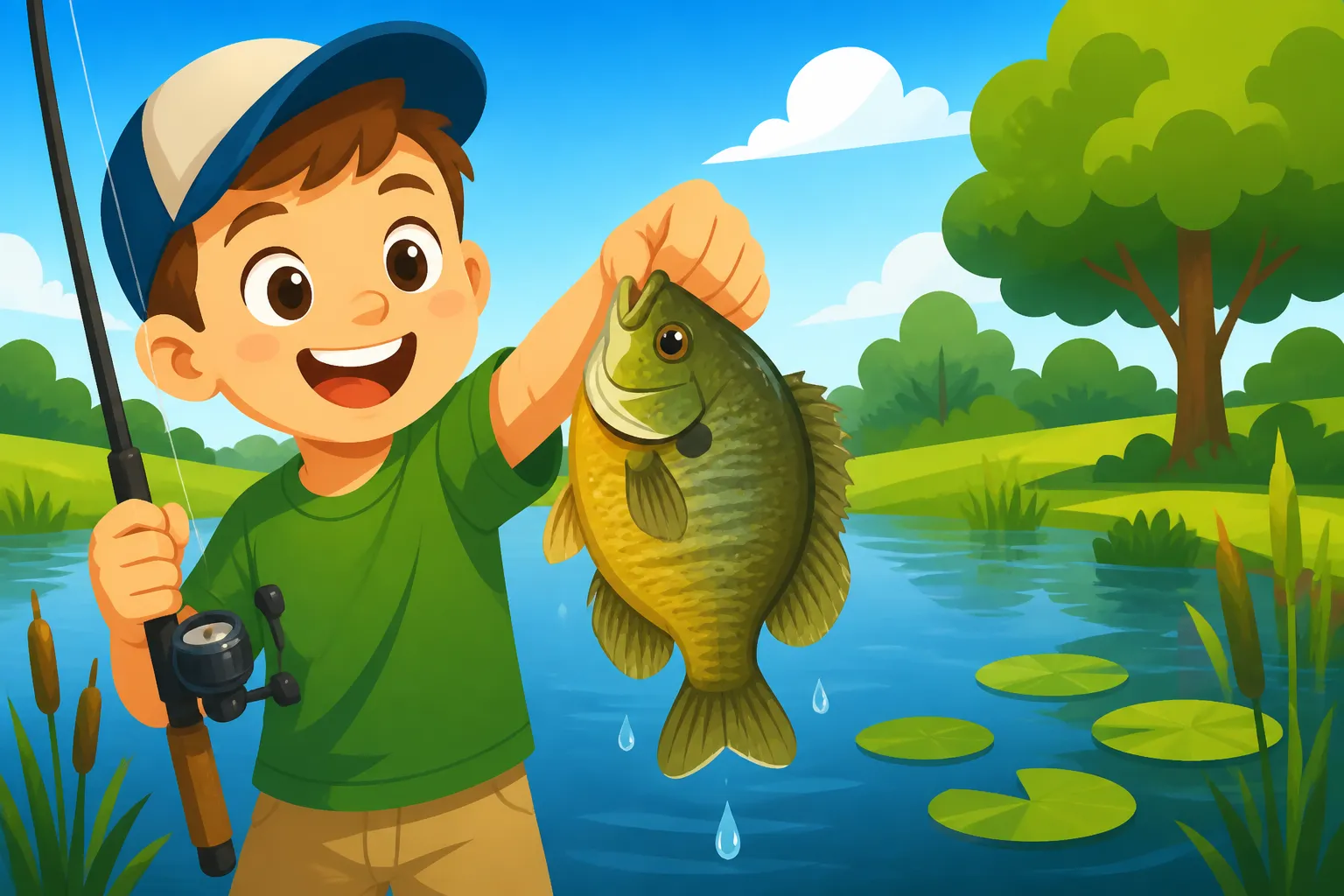
Oh, the joy of taking a little one fishing! It's a classic picture, isn't it? A calm pond, a patient parent, and a child’s wide-eyed wonder as their bobber dances. But let's be real, that idyllic scene can quickly devolve into impatient sighs, tangled lines, and the dreaded "I'm bored!" if the fish aren't biting. The secret to a successful, smile-filled fishing trip with kids in Illinois isn't just about finding a good pond; it's about choosing the right fish that are practically begging to be caught. This guide is all about helping you identify those eager-to-please species so you can guarantee some exciting tugs on the line and create lasting memories.
The Ultimate Starter Fish: Bluegill
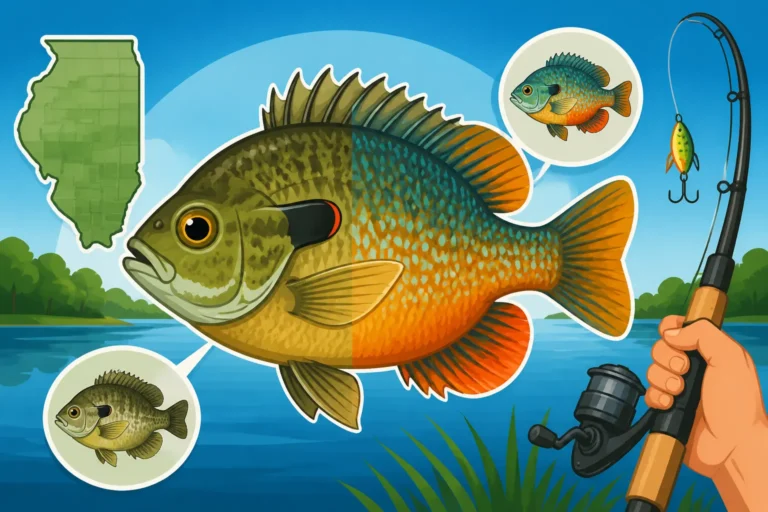
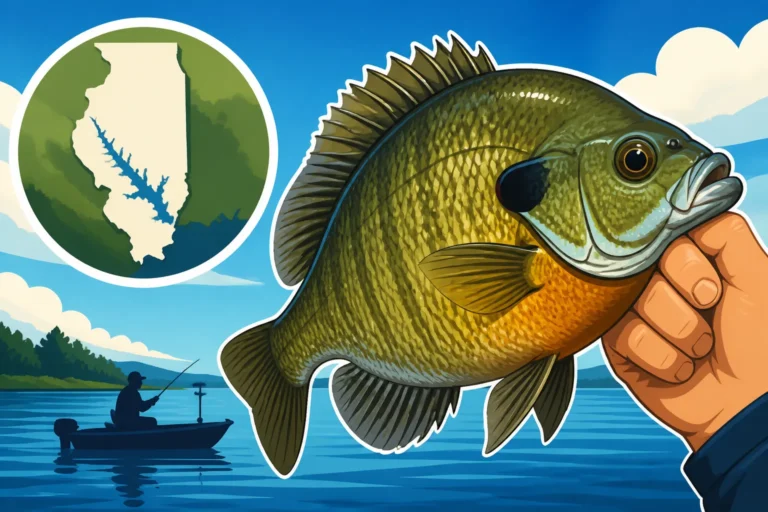
If you're looking for the absolute easiest fish for kids to catch in an Illinois pond, you absolutely cannot go wrong with bluegill. These little panfish are everywhere, they're abundant, and they're notoriously aggressive eaters. They don't care if your cast is perfect or if your bait looks gourmet; if it's small and edible, they're likely to gobble it up. This makes them the perfect confidence booster for new anglers, providing consistent action that keeps attention spans from wandering.
Why Bluegill are a Kid's Best Friend
Bluegill are schooling fish, meaning where you find one, you'll usually find many more. They tend to hang out in shallow, warmer waters, especially near structures like submerged logs, lily pads, or dock pilings, which are often easily accessible from the bank. Their mouths are small, so you don't need huge hooks, and their fight, while spirited for their size, isn't overwhelming for little hands. Plus, they're beautiful with their iridescent blue and orange markings, making each catch a visual treat. Teaching kids to fish for bluegill is almost a rite of passage, setting them up for a lifetime of angling enjoyment. When considering what fish are the Easiest Fish to Catch for Beginners, bluegill consistently top the list.
Simple Setups and Irresistible Baits
For bluegill, simplicity is key. You don't need fancy gear. A basic spincast rod and reel combo, often sold as a "kid's combo," is perfect. Look for something around 4-5 feet long with light line (4-6 lb test). You can often find fantastic starter kits on Amazon that come with everything you need. As for tackle, a small bobber, a few split shot weights, and small hooks (size 8 or 10) are all you'll require.
When it comes to bait, bluegill are not picky. Here are some of their favorites:
- Worms: A classic for a reason! Red wigglers or pieces of nightcrawlers are deadly. Just a small piece on the hook is enough.
- Wax Worms/Mealworms: These are often sold in bait shops and are a bluegill delicacy. They're small, easy to hook, and very active.
- Corn: Believe it or not, a kernel or two of canned sweet corn can be incredibly effective and is something you likely already have at home.
- Small Artificial Lures: Tiny jigs, often called "crappie jigs," tipped with a wax worm or a small piece of plastic can also work, especially as kids get a bit more coordinated.
For the actual setup, string a small bobber about 1-3 feet above your hook, depending on the water depth. Add a split shot weight a few inches above the hook to help the bait sink. Cast it out near some structure, and watch that bobber like a hawk! You might be surprised how quickly it dips. To make it even easier, check out Best Panfish Setup for Kids for visual guides.
Lively Action with Crappie
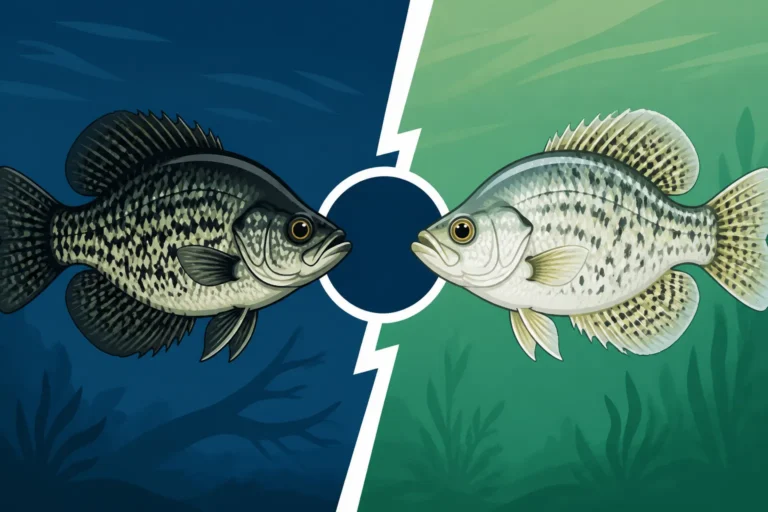
While bluegill are the undisputed champions for ease, crappie are another fantastic option for kids, offering a slightly larger fish and a different kind of fight. They might require a tiny bit more finesse than bluegill, but they are still very abundant in many Illinois ponds and can provide incredible action, especially during certain times of the year. Crappie are known for their flaky, delicious meat, which can be an added incentive for kids who want to bring home dinner.
The Nuances of Crappie Behavior
Crappie, like bluegill, are schooling fish, but they tend to prefer slightly deeper water or the edges of submerged cover. They often congregate around brush piles, fallen trees, or drop-offs, especially during the spring spawn when they move into shallower areas to lay eggs. This makes spring an absolutely prime time to introduce kids to crappie fishing. They have a distinct mouth shape, often called a "paper mouth," which can tear easily, so a gentle hand is needed when setting the hook and reeling them in. Knowing their habits can help increase success; understanding Illinois Crappie Spawn Season Guide can be a game-changer.
Effective Crappie Rigs for Little Anglers
For crappie, you'll still want a light rod and reel, similar to the bluegill setup, but perhaps one that's a bit longer (5-6 feet) for a bit more casting distance. Light line is still crucial, as crappie can be line-shy. Again, a simple spincast reel works wonders, and you can find great options that are durable and easy for kids to use on Amazon.
Here are some go-to crappie tactics for kids:
- Bobber and Minnow: This is a classic for a reason. A small live minnow hooked lightly through the back or lip, suspended under a bobber, is often irresistible to crappie. Adjust the depth until you find where the fish are holding.
- Small Jigs: Tiny 1/32 or 1/16 ounce jigs, often with a soft plastic body (like a tube jig or grub), are incredibly effective. You can fish these under a bobber as well, or teach a slightly older child to slowly retrieve and "jig" them. Bright colors like chartreuse, pink, or white often work well, especially in murkier water. Crappie Jigging Techniques provides excellent detail if your child is ready for that next step.
- Tipping with Live Bait: Many anglers will tip a small jig with a minnow or a wax worm to add extra scent and appeal. This can make the artificial lure even more enticing for crappie.
Remember, patience is key, but with crappie, if you find the school, the action can be non-stop. Encourage your kids to watch for subtle bobber movements, as crappie can be gentle biters.
The Big Fight: Channel Catfish
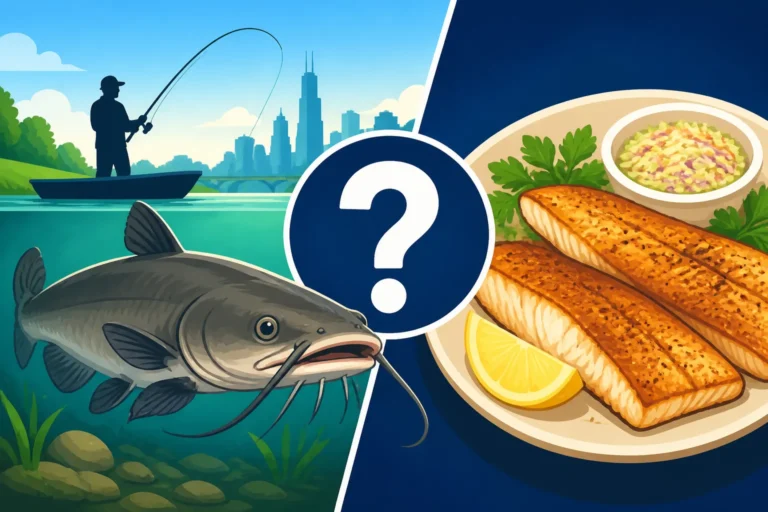
If your child is ready for a fish that offers a stronger pull and a bit more excitement, but is still relatively easy to catch in many Illinois ponds, then channel catfish are an excellent target. While they don't school in the same dense numbers as bluegill or crappie, they are abundant, willing biters, and can grow to a respectable size, making for a truly memorable catch for a young angler.
Understanding the Catfish Advantage
Channel catfish are scavengers and opportunistic feeders, meaning they're not particularly choosy about what they eat. They have an incredible sense of smell, which allows them to find bait even in murky water or at night. They also tend to be bottom dwellers, which simplifies presentation – no need for precise casting or complex retrieves. Just get the bait down where they live, and they'll likely find it. This makes them less reliant on visual cues, which can be a huge advantage for beginner anglers who might struggle with lure presentation. For more on these amazing fish, check out Channel Catfish vs Blue Catfish vs Flathead Catfish in Illinois.
Robust Rigs and Stinky Baits
For channel catfish, you'll want a slightly sturdier rod and reel than for panfish, but still one that's manageable for a child. A medium-action spinning rod (6-7 feet) with 8-12 lb test line is a good starting point. You can find combos designed for general freshwater fishing that would be perfect on Amazon.
The key to channel catfish success lies in the bait. They love strong-smelling, often "stinky" baits:
- Nightcrawlers: Large nightcrawlers, either whole or in big pieces, are a perennial favorite. Catfish can't resist them.
- Chicken Liver: This is a classic catfish bait. It's messy but incredibly effective. Cut it into 1-inch squares and thread it onto the hook.
- Cut Bait: Small pieces of shad, bluegill, or other baitfish can be very attractive to catfish.
- Prepared "Stink Baits": Many bait shops and even large retailers like Amazon sell pre-made catfish baits that come in dough, dip, or punch forms. These are designed to appeal to a catfish's strong sense of smell.
For rigging, a simple bottom rig works best. Use a heavier sinker (1/2 to 1 oz, depending on current or wind) to keep your bait on the bottom. You can use a slip sinker rig, where the line runs through the sinker, allowing the fish to take the bait without feeling the weight, or a Carolina rig for a similar effect. A single circle hook (size 2/0 to 4/0) is excellent for catfish, as they tend to hook themselves in the corner of the mouth, making for easy, safe release if you choose. For step-by-step instructions, refer to How to Bottom Fish for Catfish.
Key Considerations for a Great Kids' Fishing Trip
Beyond just choosing the right fish, there are a few other elements that can truly make or break a fishing trip with children. Think of these as the supporting cast that ensures the main event (catching fish!) goes off without a hitch.
Choosing the Right Pond
Not all ponds are created equal for kid fishing. Look for ponds that are easily accessible, preferably with clear banks free of thick brush or steep drop-offs. Ponds in local parks or state recreation areas are often ideal, as they may have designated fishing piers, maintained shorelines, and sometimes even picnic areas or playgrounds for when the wiggles set in. Consider places like your local forest preserve pond or community park lake. Look for Best Kid-Friendly Fishing Spots in Illinois for specific recommendations.
When selecting a pond, also consider its management. Ponds that are regularly stocked with panfish or channel catfish by local park districts or the Illinois Department of Natural Resources (IDNR) often provide the most consistent action. These fish are typically introduced for recreational purposes, meaning they're ready and willing to bite.
Patience, Persistence, and Positive Reinforcement
Let's be honest: kids have short attention spans. The goal isn't to catch the biggest fish or even the most fish, but to have fun and make positive associations with fishing. Celebrate every little victory, whether it's a perfect cast, baiting their own hook, or even just feeling a nibble. If the fish aren't biting, don't force it. Have backup activities like skipping rocks, looking for frogs, or simply enjoying a snack. The experience of being outdoors together is just as important as the catch itself. Remember to check regulations; generally, kids under 16 don't need a license, but it's always good to confirm by reading Illinois Fishing License Rules for Kids and Seniors or Illinois Free Fishing for Children Under a Certain Age.
Essential Gear Beyond Rod and Reel
While a basic rod and reel is crucial, a few other items will significantly improve the comfort and enjoyment of your young angler:
- Life Jacket: Safety first! If fishing near deeper water or on a boat, a properly fitted life jacket is non-negotiable.
- Bug Spray: Mosquitoes and gnats can quickly ruin a good time.
- Sunscreen and Hat: Protect delicate skin from the Illinois sun.
- Snacks and Drinks: Hungry or thirsty kids are cranky kids. Pack plenty.
- Small Bucket or Cooler: For keeping fish (if you plan to keep them) or for holding bait.
- Pliers/Forceps: For easy hook removal, keeping little fingers safe.
- A Camera: To capture those priceless moments of a child with their first fish!
You can easily find all these essentials on Amazon, often in kid-friendly sizes and designs that make them excited to use their new gear.
Table: Easiest Fish for Kids in Illinois Ponds
| Fish Species | Typical Size (Pond) | Preferred Habitat (Pond) | Best Kid-Friendly Bait | Ease of Catch (1-5, 5=Easiest) | What Kids Love |
|---|---|---|---|---|---|
| Bluegill | 4-8 inches | Shallow, near cover (weeds, docks) | Worms, wax worms, corn | 5 | Abundant, constant bites, colorful |
| Crappie | 6-12 inches | Deeper cover, brush piles, drop-offs | Small minnows, tiny jigs (tipped with bait) | 4 | Larger size, good fight, tasty |
| Channel Catfish | 12-24 inches (or more) | Bottoms of deeper holes, structure | Nightcrawlers, chicken liver, stink bait | 3 | Strong fight, potential for bigger fish |
No matter which fish you target, the most important thing is the shared experience. Watching a child's face light up as they feel that first tug, or proudly hold up their catch, is truly one of life's greatest simple pleasures. So grab some easy bait, head to a local pond, and get ready to create some unforgettable Illinois fishing memories!
Disclaimer
This article is for general informational purposes only and does not constitute professional advice. Laws, prices and regulations vary by location and change over time. Consult a qualified professional for guidance on your specific situation.