Why Rend Lake Bluegill Grow Bigger Than a Pound
It’s a common frustration for many anglers: you head out to your local pond or lake, hoping for a relaxing afternoon reeling in some bluegill, only to find yourself pulling in one tiny panfish after another. They're fun for a moment, sure, but where are those legendary dinner-plate-sized bluegill that everyone talks about? If you’ve ever yearned for those truly impressive, hand-sized bluegill that fight like they’re twice their weight, then Rend Lake in Illinois is where you need to set your sights. This guide is dedicated to unraveling the mystery behind why Rend Lake consistently produces bluegill that push, and often exceed, the one-pound mark, and how you can get in on the action.
The Unique Ecosystem of Rend Lake: A Bluegill Paradise
Rend Lake isn't just another body of water in Illinois; it's a meticulously managed and naturally abundant ecosystem that provides the perfect conditions for bluegill to thrive and grow to exceptional sizes. Many factors come together in this southern Illinois reservoir to create a bluegill haven, making it a dream destination for panfish enthusiasts. It's not just luck; it's a careful balance of habitat, forage, and water quality that nurtures these giants.
A Diverse Habitat for All Life Stages
Imagine a lake designed specifically for bluegill to feel safe, find food, and grow without too much stress. That's essentially Rend Lake. It boasts an incredibly diverse underwater landscape that caters to bluegill from tiny fry to massive adults.
The lake features extensive shallow areas, particularly in its numerous coves and bays, which are absolutely crucial for bluegill spawning. These shallower zones often have abundant submerged vegetation, fallen timber, and brush piles. This provides perfect cover for bluegill to build their characteristic saucer-shaped nests, protect their eggs, and hide their vulnerable fry from predators. When bluegill have ample, undisturbed areas to reproduce successfully, the population stays robust. Beyond spawning, these shallow, vegetated areas are rich in the insects and larvae that young bluegill feed on, giving them a fantastic start in life. But Rend Lake isn't just shallows; it also has deeper channels and creek beds, offering thermal refuge during the hotter summer months and a place for larger bluegill to escape pressure. The mix of open water, main lake points, and protected backwater areas means bluegill can find ideal conditions year-round, which is a major factor in their ability to reach impressive sizes. If you're looking for Rend Lake's Best Spots for Trophy Bluegill Over a Pound, you'll often find them utilizing this varied cover.
An Abundant and Diverse Forage Base
The adage "you are what you eat" holds incredibly true for fish, and Rend Lake's bluegill are dining like royalty. The lake supports an exceptionally rich and varied forage base, providing bluegill with a continuous supply of high-protein food throughout their lives.
Young bluegill feast on zooplankton, tiny crustaceans, and various insect larvae found in the vast submerged vegetation. As they grow, their diet expands significantly. Rend Lake is teeming with aquatic insects, such as mayflies, dragonflies, and caddisflies, which provide a steady source of nutrition. There are also plenty of small minnows, shad, and other baitfish that bluegill will readily consume, especially the larger, more aggressive specimens. This diverse menu ensures that bluegill have access to all the nutrients they need to grow rapidly and reach those coveted trophy sizes. Unlike many smaller, less diverse ponds where bluegill populations can become stunted due to limited food, Rend Lake offers a buffet that allows bluegill to pack on the pounds. This rich diet is arguably the single biggest reason why Illinois Lakes Where Bluegill Regularly Top a Pound are so rare and special.
Optimal Water Quality and Nutrient Richness
Good water quality is the foundation of any healthy fishery, and Rend Lake generally maintains excellent conditions that support robust bluegill growth. The lake's water clarity, oxygen levels, and nutrient balance are typically well-suited for panfish.
The watershed feeding into Rend Lake provides a steady influx of nutrients that fuel the entire food web, from microscopic algae to the largest fish. This doesn't mean the water is always perfectly clear; it can fluctuate with rainfall and seasonal changes. However, the overall nutrient richness supports a high biomass of aquatic life, which, as we discussed, translates directly into abundant food for bluegill. Healthy water also means less stress on the fish, allowing them to allocate more energy to growth rather than fighting off disease or coping with poor conditions. When a lake can consistently provide clean, oxygenated, and nutrient-rich water, the fish within it are simply going to be healthier and grow larger. This foundational health is part of why Rend Lake is often considered the Best Illinois Lake for Trophy Bluegill Fishing.
Management and Genetics: Nurturing Giants
Beyond the natural bounty of Rend Lake's ecosystem, human intervention and the inherent biological traits of its bluegill population play a crucial role in the development of these oversized panfish. It’s a combination of careful stewardship and a little bit of genetic luck that allows these bluegill to reach such impressive dimensions.
Smart Fisheries Management by IDNR
The Illinois Department of Natural Resources (IDNR) plays an active and vital role in managing Rend Lake's fishery to promote healthy populations and trophy-sized fish. This isn't just about stocking; it's a holistic approach that includes monitoring fish populations, assessing habitat, and implementing specific regulations.
While specific annual stocking numbers can vary, the IDNR often employs strategies designed to enhance panfish populations. This might include managing the populations of predatory fish like largemouth bass to ensure a healthy balance. If there are too many small predators, they can decimate bluegill fry before they have a chance to grow. Conversely, if there aren't enough predators, bluegill can overpopulate and become stunted due to intense competition for food. The IDNR works to strike that delicate balance, allowing bluegill to grow to larger sizes without being overcrowded or excessively predated upon. They also monitor water quality and might engage in habitat enhancement projects, such as adding artificial fish attractors or managing aquatic vegetation, which directly benefits bluegill by providing more cover and feeding areas. Understanding Illinois Fishing Regulations Overview for Rend Lake can give you insights into how these rules are designed to protect and promote trophy fish.
Genetic Predisposition to Larger Size
It might sound a bit like fish eugenics, but the truth is, some populations of bluegill simply have a genetic advantage when it comes to growth potential. While environmental factors are huge, genetics also play a role in how big an individual fish can get, given optimal conditions.
In a lake like Rend, where conditions have historically favored larger bluegill, it’s likely that the dominant genetic strains within the population are those predisposed to faster growth and larger maximum sizes. Essentially, the "big fish genes" get passed down. Over generations, if the environment consistently supports large growth, the fish that grow larger, faster, and are more robust will be the ones that reproduce most successfully. This natural selection process can lead to a population where a higher percentage of individuals have the genetic blueprint for becoming true giants. So, while you can't see a fish's genetic code, the consistent appearance of hefty bluegill in Rend Lake suggests that the fish themselves are genetically well-equipped to take advantage of their surroundings and grow beyond what's common in less productive waters.
Reduced Intraspecific Competition
One of the biggest culprits behind stunted bluegill populations in smaller ponds is overcrowding. When there are too many bluegill for the available food and space, growth rates plummet as fish constantly compete for resources. Rend Lake, due to its immense size and robust ecosystem, mitigates this issue significantly.
The sheer volume of water and vast amount of diverse habitat in Rend Lake allow the bluegill population to spread out. This reduces the intense intraspecific competition (competition among individuals of the same species) that often leads to stunting. With less direct competition for every mayfly larva or shad fry, individual bluegill can consume more food and allocate that energy directly to growth. Furthermore, a balanced predator-prey relationship, often managed by the IDNR, can help keep bluegill numbers in check, preventing overpopulation from reaching detrimental levels. This allows the remaining bluegill to grow larger and healthier. It's a fine balance, but one that Rend Lake often achieves, leading to the phenomenal size of its bluegill.
Strategies for Targeting Rend Lake's Trophy Bluegill
Knowing why Rend Lake produces big bluegill is one thing; actually catching them is another. While these fish are impressive, they can also be a bit savvier than their smaller cousins. To consistently hook into those dinner-plate bluegill, you'll need to employ some targeted strategies, from knowing when and where to go, to using the right bait and tackle.
Seasonal Approaches to Bluegill Fishing
Just like any other fish species, bluegill behavior and location change dramatically with the seasons. Understanding these patterns is key to finding the big ones.
- Spring (Pre-Spawn and Spawn): This is often the prime time for trophy bluegill. As water temperatures rise into the 60s Fahrenheit, bluegill move into the shallows to spawn. Look for them in protected coves, along gradual sloping points, and in areas with submerged vegetation or woody cover, typically in 2-5 feet of water. They'll be aggressive and protective of their nests. Small jigs (1/32 to 1/16 oz) tipped with a wax worm, a piece of nightcrawler, or even just a small plastic grub, fished under a bobber or slowly retrieved, can be deadly. Spring Fishing Calendar for Illinois Anglers might give you broader insights into this period.
- Summer: Once spawning is complete, bluegill often move to slightly deeper water, especially during the heat of the day. They'll relate to structure like submerged brush piles, timber, creek channels, and even deeper weed lines. Early morning and late evening can find them shallower, but midday often requires probing depths of 6-15 feet. Vertical jigging small lures or live bait directly over known structure is very effective.
- Fall: As water temperatures drop, bluegill will start to congregate again, often moving shallower in search of food before winter sets in. Look for them along drop-offs, near weed beds, and around standing timber. They can be very aggressive as they try to fatten up.
- Winter (Ice Fishing): Rend Lake can offer fantastic ice fishing for bluegill, especially the bigger ones. They’ll typically be found in deeper holes, often suspended or near the bottom in channels and humps. Small ice jigs tipped with a grub or a tiny minnow are the ticket.
Effective Baits, Lures, and Tackle
While bluegill are not known for being picky, using the right presentations can make all the difference, especially when targeting larger fish.
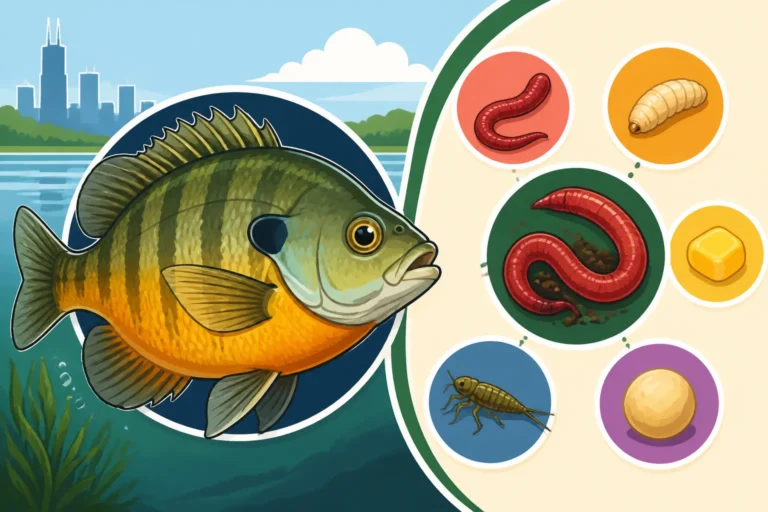
- Live Bait is King (Often): For sheer effectiveness, it's hard to beat live bait. Wax worms, mealworms, crickets, and small pieces of nightcrawlers are bluegill magnets. Thread a small piece onto a tiny hook (size 8 or 10) under a bobber for suspended fish, or use a split shot rig to get it to the bottom. You can often find a good supply of these at local bait shops or sometimes even on Amazon for convenience if you're planning ahead.
- Small Jigs and Plastics: Micro jigs (1/32 oz, 1/16 oz) are incredibly versatile. Tip them with tiny plastic bodies like grub tails, tubes, or small creatures in natural colors (green pumpkin, black, white, brown) or bright colors (chartreuse, pink) depending on water clarity. A slow, steady retrieve or a gentle jigging motion can be deadly. Check Amazon for multi-packs of tiny plastic bodies, as you'll go through them quickly!
- Ultralight Tackle: To truly enjoy the fight of a one-pound bluegill, ultralight tackle is essential. A 4.5 to 6-foot ultralight spinning rod paired with a small spinning reel spooled with 2-4 pound monofilament or fluorocarbon line is perfect. This setup allows for light presentations and maximizes the thrill of the catch. For a Best Beginner Bluegill Fishing Setup, ultralight is always the way to go.
- Bobbers: Slip bobbers allow you to fish at precise depths, which is crucial when bluegill are holding to specific structure or suspended. Fixed bobbers work well in shallower water.
- Flies: Fly fishing for bluegill can be incredibly rewarding. Small poppers, wet flies, and nymphs are highly effective, especially during warmer months.
Locating Prime Bluegill Habitat on Rend Lake
Rend Lake is a big place, and simply casting anywhere won't guarantee you a trophy bluegill. You need to focus on areas that consistently hold larger fish.
- Submerged Cover: Bluegill love cover. Look for flooded timber, brush piles, stump fields, and thick weed lines. These provide ambush points, protection from predators, and host a variety of insects and small baitfish. A good fish finder can help you locate these hidden gems, or you can rely on visible clues like standing timber along shorelines.
- Depth Transitions: Areas where shallow water quickly drops off into deeper water are often productive. Bluegill can move between these depths easily, feeding in the shallows and retreating to deeper, safer water when needed. Points, humps, and creek channel edges are prime examples.
- Spawning Beds: In spring, actively look for circular depressions on the bottom in shallow, protected areas. These are bluegill nests, and the fish guarding them will be large and aggressive. Approach quietly to avoid spooking them.
- Wind-Blown Banks: A gentle breeze pushing baitfish and nutrients towards a bank can often concentrate bluegill. These areas can be surprisingly productive, especially if they have some form of cover.
- Quiet Coves: While larger areas get a lot of attention, don't overlook the quieter, less-pressured coves. Shore Fishing Access Points Around Rend Lake often highlight these spots, and they can be fantastic for bank anglers. These areas can hold Rend Lake's Quiet Coves for Early Morning Bass, and bluegill often lurk there too.
| Bait/Lure Type | Best Season | Typical Rend Lake Target Depth | Key Advantages | Where to Buy (e.g.) |
|---|---|---|---|---|
| Wax Worms/Mealworms | All seasons | 2-15 feet | Natural scent, universally appealing, easy to rig | Local Bait Shop |
| Small Jigs (1/32-1/16oz) | All seasons | 2-20 feet | Versatile, can be tipped with bait or plastics | Amazon / Tackle Shop |
| Small Plastic Grubs | Spring, Summer | 2-10 feet | Mimics baitfish/larvae, good for active fish | Amazon / Tackle Shop |
| Crickets | Spring, Summer | 2-8 feet | Irresistible topwater action, natural presentation | Local Bait Shop |
| Pieces of Nightcrawler | All seasons | 2-15 feet | Strong scent, good for larger bluegill | Local Bait Shop |
| Small Spoons | Winter (Ice Fishing) | 10-30 feet | Flash and vibration for deep, inactive fish | Tackle Shop |
Understanding Bluegill Biology and Growth Rates
To truly appreciate the giant bluegill of Rend Lake, it helps to understand a bit about their biology and what typically influences their growth rates. This knowledge can also help you predict their behavior and find them more consistently.
The Dynamics of Bluegill Growth
Most bluegill, in an average pond or lake, grow relatively slowly. A typical bluegill might reach a length of 6-8 inches and weigh a few ounces after 3-5 years. However, in an optimal environment like Rend Lake, these growth rates are significantly accelerated.
Several factors drive this accelerated growth:
- Extended Feeding Windows: With abundant food sources, Rend Lake bluegill can feed almost constantly, converting more energy into body mass.
- Favorable Water Temperatures: Illinois' climate provides a long growing season with optimal water temperatures for bluegill metabolism, allowing for continuous growth for many months of the year.
- Balanced Ecosystem: The lake’s large size and diverse habitat minimize stress and maximize feeding opportunities. This means less energy is spent on escaping predators or competing fiercely for food, and more is dedicated to growth.
- Early Life Nutrition: The rich plankton and insect life ensure that bluegill fry and juveniles have ample food from the very start, setting them up for robust growth throughout their lives. This strong start can be the difference between a stunted fish and a trophy.
It's not uncommon for Rend Lake bluegill to reach lengths of 9-11 inches and weigh a pound or more within a similar timeframe that a typical bluegill would reach only half that size. This exceptional growth rate is what makes Rend Lake so legendary among panfish anglers. If you're wondering How Big Do Black Crappie Get in Illinois Lakes?, you'll find similar principles apply—good environment and food lead to bigger fish.
Dispelling Myths About Bluegill Size
There are a few misconceptions about bluegill size that are worth addressing, especially when discussing a unique fishery like Rend Lake.
- Myth: Bluegill only get big in huge, deep lakes. While Rend Lake is large and has deep areas, it's the combination of factors, not just depth, that matters. Many smaller, well-managed lakes can produce respectable bluegill, but few combine the scale and quality of Rend Lake.
- Myth: All bluegill in a lake are the same size. This is far from true. Even in Rend Lake, you'll catch plenty of smaller bluegill. The key is that the potential for truly large ones is much higher, and with targeted effort, you can increase your odds of finding them. Larger bluegill often behave differently, holding in deeper, more secluded areas.
- Myth: You need heavy tackle to catch big fish. For bluegill, this is generally false. In fact, heavy tackle can make them shy away. Using ultralight gear with light line and small baits is almost always the most effective strategy, even for those pound-plus giants. It's about finesse, not brute force. This is why Best Bluegill Fishing Techniques for Kids often involve small hooks and light lines – it's effective for all sizes.
- Myth: Bluegill are just "kid's fish." While they are often the Easiest Fish to Catch for Beginners and perfect for How to Teach a Kid to Fish for Panfish, the thrill of catching a one-pound bluegill on ultralight tackle is a challenge and a joy for any angler, regardless of experience level.
By understanding the unique environmental factors, strategic management, and inherent biological advantages present at Rend Lake, you can appreciate why this southern Illinois gem consistently churns out bluegill that truly belong on a dinner plate. Next time you're planning a trip, consider making Rend Lake your destination for a shot at those oversized panfish.
Disclaimer
This article is for general informational purposes only and does not constitute professional advice. Laws, prices and regulations vary by location and change over time. Consult a qualified professional for guidance on your specific situation.