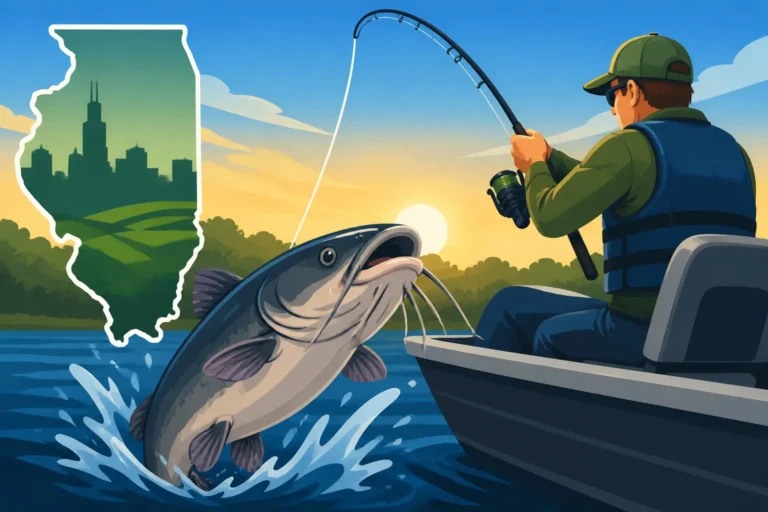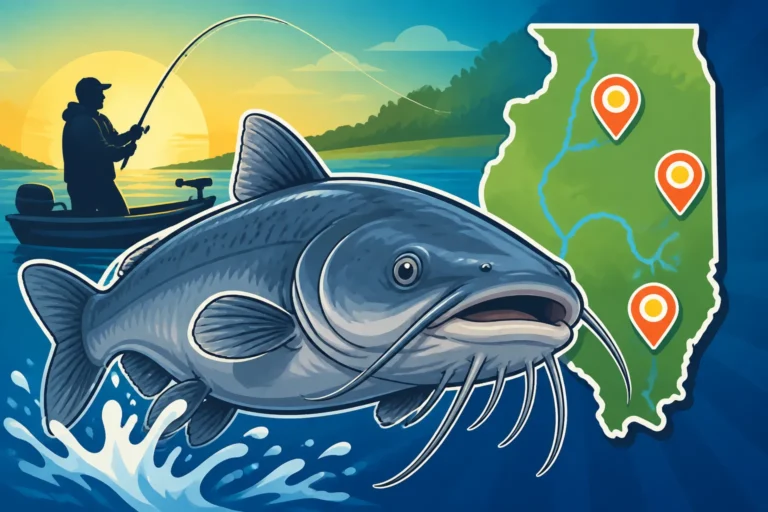
Illinois Channel Catfish Daily Limit Explained
One of the most common head-scratchers for anglers hitting the waters of Illinois is figuring out exactly what the daily catch limit is for their target species. While many fish have straightforward statewide rules, it's easy to get tangled up in the details, especially when you're after a delicious channel catfish. It's frustrating to plan a perfect day, only to realize you're unsure if you're keeping too many fish, or even worse, the wrong size. This guide is here to clear up all that confusion, giving you a crystal-clear understanding of Illinois's channel catfish daily limit and how to stay on the right side of the rules.
Understanding Illinois's Channel Catfish Daily Limit
There's nothing quite like the thrill of a channel catfish hitting your bait – that strong pull, the satisfying fight, and the promise of a fantastic meal. But once you've got a few in the cooler, the question inevitably pops into mind: "How many can I actually keep today?" It's a fair question, and one every responsible angler needs to know the answer to. Illinois has specific regulations designed to protect our fisheries and ensure there are plenty of fish for everyone, for years to come.
The Statewide Rule for Channel Catfish
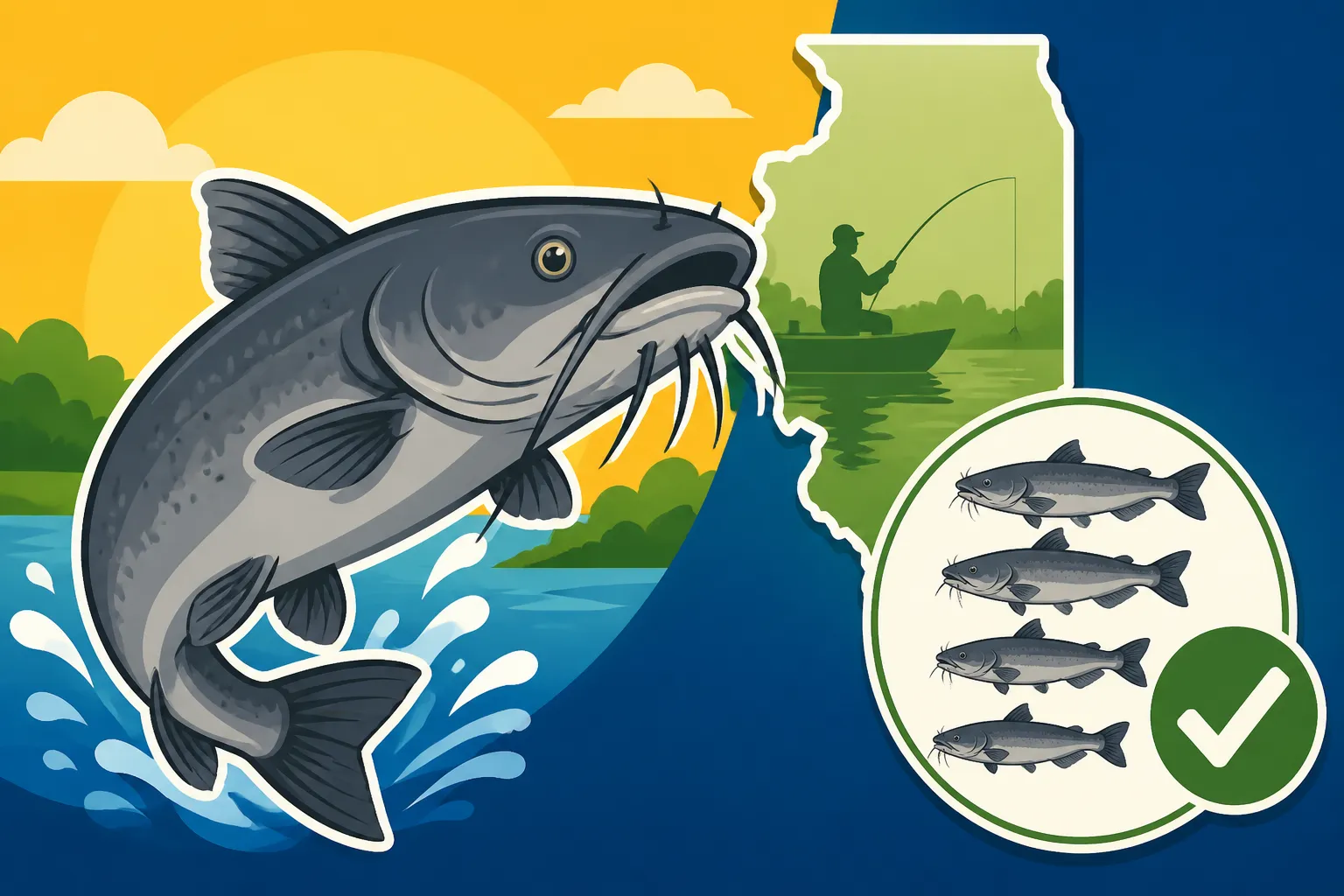
For the vast majority of Illinois's public waters, the rule for channel catfish is quite generous and easy to remember: the daily creel limit is 20 fish. This means that in most lakes, rivers, and ponds across the state, you can legally harvest up to 20 channel catfish in a single day. This limit is set to allow anglers a good take for consumption while preventing excessive pressure on the overall population.
Think about it like this: you're out with a couple of buddies on a Saturday afternoon at a local public lake that doesn't have any special regulations. You've got your rods baited with some cut bait or stink bait, and the channel cats are biting! Between the three of you, if you were targeting only channel catfish, you could, theoretically, bring home a cooler bursting with up to 60 fish for a grand fish fry. This statewide rule offers plenty of opportunity for a successful outing, whether you're fishing for dinner or just enjoying the sport.
This limit applies to all sizes of channel catfish, meaning there isn't typically a minimum or maximum length you have to adhere to statewide, unlike some other species. If you catch a channel cat, and it's within the overall health of the fishery to remove it, you can keep it as part of your 20-fish daily limit. However, always remember that ethical angling also means only keeping what you will realistically use, rather than filling your limit just because you can. It's about respect for the resource and other anglers.
Site-Specific Regulations: When the Rule Changes
Now, here's where things can get a little tricky, and it's super important to pay attention. While the 20-fish daily limit for channel catfish is the statewide standard, there are specific lakes, reservoirs, and even stretches of rivers that have their own unique regulations. These are called "site-specific" rules, and they always override the general statewide limit. Ignoring them can lead to a fine or other penalties.
These variations aren't just there to make your life harder; they serve a vital conservation purpose. For instance, a smaller lake might have a more limited habitat or a specific stocking program, requiring a lower daily limit to ensure the population remains robust. Conversely, a large reservoir with a booming channel catfish population might have special regulations to encourage harvest to thin out smaller fish and promote growth among the remaining ones, though this is less common for channel cats than it is for other species.
It's absolutely critical to check the site-specific regulations for every body of water you plan to fish before you even cast your first line. The Illinois Department of Natural Resources (IDNR) publishes these rules annually in their fishing guide, which you can usually find online or pick up at local bait and tackle shops. Missing this step is a common mistake that can easily land you in hot water with a game warden. Always be prepared! You can learn more about Why Fishing Rules Vary by Lake and River.
Why Daily Limits Exist: Protecting Our Fishery
Fishing regulations, including daily limits, are not just arbitrary rules designed to inconvenience anglers. They are carefully crafted management tools based on scientific research, population dynamics, and the health of the aquatic ecosystem. Understanding the "why" behind these rules can help us all appreciate their importance and become more responsible stewards of Illinois's natural resources.
The Role of Conservation in Catfish Populations
The primary reason for daily limits on channel catfish, and indeed most fish species, is conservation. Without limits, there's a real risk of overfishing, which means removing fish faster than the population can naturally replenish itself. Over time, this would lead to fewer fish, smaller fish, and a less enjoyable fishing experience for everyone. No one wants to see their favorite fishing hole become barren.
Channel catfish are generally resilient and reproduce well in Illinois waters, but even they can be impacted by unchecked harvest. The IDNR monitors catfish populations through surveys, creel censuses (talking to anglers about their catch), and biological assessments. Based on this data, they determine sustainable harvest levels, and the daily limit is a direct reflection of these conservation goals. It's a delicate balance between providing recreational opportunities and ensuring the long-term health of the species. When we follow these limits, we're actively participating in the conservation effort.
It's also worth noting that the daily limit is distinct from a "possession limit." A daily limit refers to the number of fish you can catch and keep in a single calendar day. A possession limit, which sometimes exists for certain species or in specific situations (like when returning home from a multi-day trip), refers to the total number of fish you can have in your possession at any given time, regardless of when they were caught. For channel catfish in Illinois, the general rule is that the daily limit is the possession limit, meaning you can't accumulate more than 20 fish from multiple days' fishing in your freezer if you're out on the water. However, it's always wise to double-check if you're planning an extended trip or have specific circumstances.
How IDNR Manages Channel Catfish in Illinois
The Illinois Department of Natural Resources (IDNR) plays a crucial role in managing our state's fisheries, including channel catfish. Their work goes far beyond simply setting limits. They are constantly monitoring fish populations, habitat conditions, and angler harvest to make informed decisions that benefit both the fish and the fishing community.
IDNR biologists conduct regular surveys to assess the size, age, and health of channel catfish populations in various lakes and rivers. They might use electrofishing, netting, or even angler reports to gather this vital data. This scientific approach helps them understand if a population is thriving, stable, or perhaps under stress. Based on these findings, they can adjust regulations, implement stocking programs in certain waters, or even undertake habitat improvement projects. Their efforts are what ensure that generations of Illinois anglers can continue to enjoy catching channel catfish.
For instance, if a lake shows signs of an overabundance of small channel catfish, the IDNR might actually increase the daily limit or remove size restrictions for a period to encourage harvest, allowing the remaining fish more resources to grow larger. Conversely, if a population is struggling, they might impose stricter limits or even temporary closures. This adaptive management is why it's so important to consult the most current regulations. For more on the specifics of how different catfish species are managed, check out articles like Illinois Flathead Catfish Limit of 10 Fish Per Day or Illinois Blue Catfish Rules and Daily Limits, as their limits can differ significantly from channel catfish. For a broader comparison, you might find Catfish Limits Compared to Walleye Limits in Illinois interesting.
Practical Tips for Adhering to Channel Catfish Limits
Staying compliant with fishing regulations doesn't have to be a headache. With a little preparation and attention to detail, you can enjoy your time on the water knowing you're fishing legally and responsibly. Here are some practical tips to help you adhere to Illinois's channel catfish daily limits.
Identifying Your Catch: Channel vs. Other Catfish
Before you even think about keeping a fish, you need to be absolutely certain of its species. While this might sound obvious, especially for distinct fish like bass or crappie, catfish can sometimes cause a bit of confusion, particularly for new anglers. Illinois is home to not just channel catfish, but also blue catfish and flathead catfish, all of which have different characteristics and, crucially, different daily limits.
Channel catfish are generally identified by their deeply forked tail, a relatively slender body, and small, dark spots along their sides (though these spots can fade with age, especially in larger fish). They also have a mouth that is slightly subterminal, meaning it's located a bit below the tip of the snout. Blue catfish, on the other hand, have a more slate-blue or silvery body, a proportionally larger head, and their anal fin (the fin on the underside near the tail) has a straighter margin and more rays than a channel cat. Flathead catfish are perhaps the easiest to distinguish, with their distinctly flat, broad head, shovel-like lower jaw, and a square or slightly rounded tail, rather than a forked one. Their bodies are mottled brown and yellow. Understanding these differences is key, as Illinois Flathead Catfish Limit of 10 Fish Per Day is half that of channel catfish, and Illinois Blue Catfish Rules and Daily Limits also vary. If you're unsure, it's always best to release the fish or consult a guide. You can delve deeper into identification with Channel Catfish vs Blue Catfish vs Flathead Catfish in Illinois.
Before You Go: Checking the Regulations
This cannot be stressed enough: always check the current regulations before you head out to fish. Even if you've fished a particular spot for years, rules can change from season to season or even within the same year based on IDNR assessments. The statewide limit is a good baseline, but it's the site-specific rules that truly dictate your allowable harvest.
Here's how to make sure you're up-to-date:
- Illinois Department of Natural Resources (IDNR) Website: This is your most reliable source. The IDNR publishes an annual fishing information guide that lists all statewide and site-specific regulations. You can download a PDF copy to your phone or print it out. Navigating to the specific lake or river you plan to fish will usually bring up a list of special rules. You'll find specific details on how to use this resource in Checking Site-Specific Rules Before Fishing an Illinois Lake.
- Local Bait and Tackle Shops: These places are goldmines of local knowledge. The folks who run these shops live and breathe fishing, and they often have printed copies of the current regulations, as well as firsthand information about recent changes or specific conditions on local waters.
- Signs at Boat Ramps/Access Points: Many popular fishing locations, especially state parks and larger reservoirs, will have signs posted at boat ramps or bank access points detailing the specific regulations for that body of water. Take a moment to read them before you launch or wet a line.
It's a smart habit to make this part of your pre-trip routine, right alongside checking the weather and packing your bait. Keep a digital copy of the regulations on your phone, or a laminated printout in your tackle box. This way, if a game warden asks, you can readily show you've done your homework. For a broader guide on finding rules for specific locations, consider reading How to Find the Rules for a Specific Illinois Fishing Spot.
What to Do When You Hit Your Limit
What happens when you've had an incredible day, and your cooler is nearing that 20-fish mark for channel catfish (or whatever the site-specific limit dictates)? This is where responsible angling truly shines. Once you've reached your daily limit for a particular species, you have a legal and ethical obligation to stop harvesting that species for the day.
Continuing to fish for and keep channel catfish after you've hit your limit is a violation of regulations and can result in significant penalties. Game wardens are out there to protect our resources, and they have the authority to check your catch, your license, and ensure you're compliant. Don't risk getting a citation; it's simply not worth it. For more on this, you might find Penalties for Exceeding Your Daily Catch Limit quite informative.
If you still want to continue fishing after reaching your channel catfish limit, you have a couple of options:
- Target a Different Species: If the regulations allow, you could switch to targeting a different species that has a separate daily limit, such as crappie, bluegill, or bass, assuming you haven't already filled your limits for those.
- Practice Catch-and-Release: This is a fantastic option. You can continue fishing for channel catfish, but every fish you catch must be immediately and carefully released back into the water. Ensure you handle the fish gently, minimize its time out of water, and use proper de-hooking techniques to maximize its chances of survival. This allows you to continue enjoying the sport without violating any limits.
Being a responsible angler means understanding, respecting, and adhering to the rules designed to protect our precious natural resources. By knowing the channel catfish daily limit and how to check for site-specific variations, you're doing your part to ensure great fishing for everyone, now and in the future.
Illinois Catfish Daily Limits at a Glance
For quick reference, here's a general overview of the daily limits for the common catfish species in Illinois. Remember, always verify site-specific regulations for the water you intend to fish.
| Catfish Species | Statewide Daily Limit | Key Identification Notes |
|---|---|---|
| Channel Catfish | 20 Fish | Deeply forked tail, slender body, small spots. |
| Flathead Catfish | 10 Fish | Flat head, protruding lower jaw, square/rounded tail, mottled body. |
| Blue Catfish | 20 Fish (Generally) | Slate-blue/silvery, large head, straight-margined anal fin (many rays). |
Note: While the statewide limit for Blue Catfish is generally 20, they are not as widespread as Channel Catfish in Illinois, and specific waters where they are found might have unique regulations. Always check the IDNR guide.
Disclaimer
This article is for general informational purposes only and does not constitute professional advice. Laws, prices and regulations vary by location and change over time. Consult a qualified professional for guidance on your specific situation.