Penalties for Exceeding Your Daily Catch Limit
It’s easy to get caught up in the excitement of a successful fishing trip, especially when the fish are really biting. But for many Illinois anglers, that thrill can quickly turn to dread when they realize they might have kept one or two too many, unintentionally exceeding the daily catch limit. This guide is here to shed light on exactly what happens when you cross that line and the serious penalties you could face.
Understanding Daily Catch Limits in Illinois
Daily catch limits aren't just arbitrary numbers; they're a cornerstone of responsible fisheries management in Illinois. The Illinois Department of Natural Resources (IDNR) sets these limits to ensure the long-term health and sustainability of our fish populations, allowing everyone to enjoy fishing for generations to come. Ignoring these limits, even by accident, can have significant consequences for both the individual angler and the ecosystem.
Why Catch Limits Are Crucial for Conservation
Think about it this way: if every angler kept every fish they caught, especially during prime spawning seasons or in popular spots, certain species could be decimated surprisingly quickly. Catch limits act as a safeguard, preventing overharvesting and giving fish populations a chance to reproduce and grow. This is particularly important for species that are slower to mature or have specific habitat needs. When these limits are respected, it means more fish for everyone down the line. It's a collective responsibility that we all share as stewards of Illinois's natural resources.
How Limits Vary by Species and Waterbody
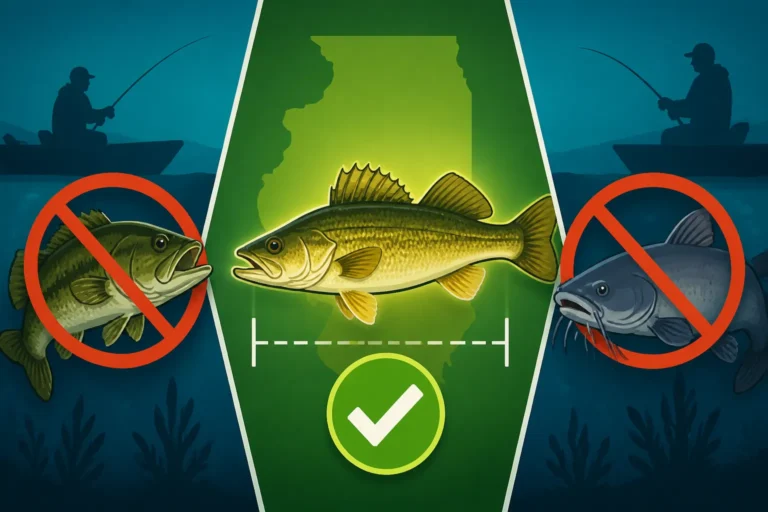
One of the biggest pitfalls for anglers is assuming a single set of rules applies everywhere. That's just not the case in Illinois. While there are statewide regulations, many lakes, rivers, and even specific sections of rivers have their own, often more restrictive, site-specific rules. For instance, you might find a statewide bass limit, but a particular lake might have a slot limit or a lower daily creel limit to protect its trophy bass fishery.
Take a look at the regulations for Illinois Statewide Bass Daily Catch Limit of Six Fish or Illinois Walleye Size and Catch Limits. You'll notice that the rules for a body of water like Rend Lake might be different from those for Lake Shelbyville or a stretch of the Mississippi River. The same goes for species like catfish; while there are general guidelines, specific daily limits can vary significantly. You can learn more about this by reading Illinois Catfish Daily Limits Explained. It's absolutely vital to check the current IDNR Fishing Information Guide for the specific body of water you're fishing before you even cast your first line. Ignoring this step is where most folks run into trouble, simply because they weren't aware that the rules changed from their usual fishing hole.
The Immediate Legal Repercussions of Exceeding Limits
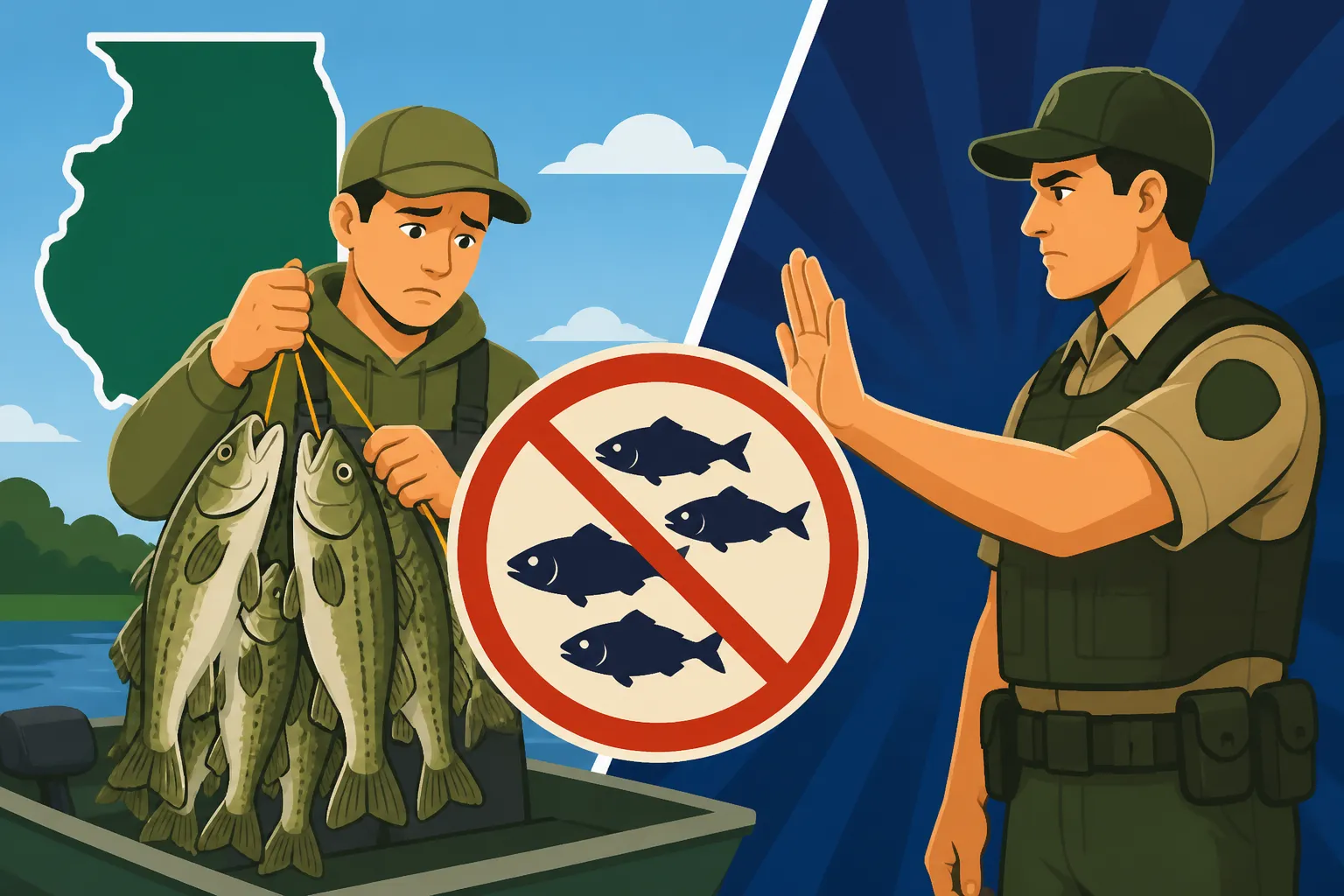
Okay, so you've caught more than you should have, whether intentionally or not. What happens next? This isn't just about a slap on the wrist. Exceeding your daily catch limit in Illinois is a serious offense, typically classified as a Class B misdemeanor. That sounds pretty official, right? It is. This means it's not a minor traffic ticket; it's a criminal offense that can show up on your record and lead to substantial fines and other penalties.
Fines and Court Appearances
The financial penalty for exceeding your daily catch limit can vary widely depending on the severity of the infraction. For a first offense, you might be looking at a minimum fine of around $120, but this can easily escalate into hundreds or even thousands of dollars, especially if you're significantly over the limit or if the species is particularly protected. Enforcement officials, like IDNR Conservation Police Officers (CPOs), have discretion, and factors like the number of fish over the limit, the species involved, and whether you've had previous offenses will all play a role in the ultimate penalty.
Beyond just the fine, being cited for a Class B misdemeanor often means a mandatory court appearance. This isn't just an inconvenience; it means taking time off work, potentially hiring legal counsel, and facing a judge. It's a much more involved and stressful process than many anglers anticipate, especially if they thought they were just getting a "ticket." You can get a sense of comparable situations by understanding Penalties for Fishing Without a License in Illinois.
Here's a general idea of how fines might escalate:
| Infraction Severity | Typical Fine Range (First Offense) | Additional Penalties |
|---|---|---|
| Minor Overage (1-2 fish) | $120 – $300 | Court Appearance, Potential Probation |
| Moderate Overage (3-5 fish) | $300 – $750 | Court Appearance, Potential Probation, License Suspension |
| Significant Overage (6+ fish, or protected species) | $750 – $2,500+ | Court Appearance, License Suspension/Revocation, Forfeiture of Equipment, Jail Time (rare) |
Note: These are estimated ranges and can vary based on jurisdiction, judge's discretion, and specific case details.
License Suspension and Future Fishing Privileges
One of the most disheartening consequences for a passionate angler is the potential loss of fishing privileges. Depending on the severity of the violation, the IDNR can suspend your fishing license for a period of time, ranging from a few months to several years. For repeat offenders or egregious violations, your license could even be permanently revoked. Imagine not being able to cast a line in your favorite Illinois waters for a whole season, or even longer!
This suspension doesn't just mean you can't buy a new license; it means any existing licenses you hold become invalid. Furthermore, if your privileges are suspended in Illinois, it could potentially affect your ability to get a fishing license in other states that have reciprocity agreements or participate in interstate compacts, though this often depends on the nature of the offense. Losing your ability to fish is a very real deterrent and one that many anglers only truly appreciate once they've lost it.
Broader Implications and How to Avoid Trouble
The direct legal penalties are just one part of the equation. There are other, less tangible but equally significant, repercussions that can arise from exceeding daily catch limits. Understanding these can help reinforce the importance of adherence to regulations.
Equipment Forfeiture and Public Perception
When a CPO finds you significantly over the limit, especially with commercially valuable species, they have the authority to confiscate the illegally possessed fish. In some cases, particularly with repeat offenses or large quantities of fish, your fishing gear itself – rods, reels, even boats – could be seized and forfeited. That's a huge financial hit, on top of the fines and legal fees.
Beyond the official penalties, there's the matter of your reputation among fellow anglers. The fishing community, especially those who prioritize conservation, takes these rules very seriously. Being known as someone who disregards catch limits can lead to negative perceptions, and word travels fast at popular fishing spots or among local clubs. It undermines the collective effort to preserve our fisheries and can erode trust within the community.
The Role of Education and Due Diligence
The best defense against receiving a citation for exceeding catch limits is knowledge. As mentioned earlier, ignorance of the law is rarely an acceptable excuse. It's your responsibility as an angler to know and understand the current regulations for the specific waters you're fishing.
Here's how you can stay on the right side of the rules:
- Consult the IDNR Fishing Information Guide: This guide is updated annually and is your authoritative source for all regulations, including statewide and site-specific limits. You can usually pick up a physical copy at bait shops, sporting goods stores like those that stock fishing gear you can find on Amazon, or IDNR offices. It's also readily available online as a PDF.
- Check Site-Specific Regulations: Don't just skim the statewide rules. Pay close attention to the section in the guide that lists special regulations for individual lakes and rivers. As we discussed in Why Fishing Rules Vary by Lake and River, these can override general rules.
- Utilize Apps and Online Resources: Many anglers find it helpful to have fishing regulation apps on their smartphones or bookmark the IDNR website for quick reference while on the water. Some apps even integrate with GPS to show regulations based on your current location.
- Ask Local Experts: Bait shop owners and experienced local anglers are often a wealth of information about current conditions and local rules. Just make sure to cross-reference their advice with official sources.
- Measure and Count Carefully: Before you put a fish in your livewell or cooler, measure it if there's a size limit, and count it against your daily creel limit. Keep a mental or even physical tally. Carrying a small, waterproof fishing rule book from Amazon in your tackle box is a great idea, along with a reliable tape measure and maybe a digital scale if you're dealing with weight limits. Many anglers also find a simple clicker counter useful to keep track of their fish as they're caught and kept.
What to Do If You're Cited for Overfishing
Finding yourself in a situation where a Conservation Police Officer is issuing you a citation for exceeding your daily catch limit can be incredibly stressful and intimidating. It's important to know how to handle the interaction professionally and what steps you should take afterward.
Interacting with Conservation Police Officers
When a CPO approaches you, remember that they are enforcing the law and are trained professionals. The best course of action is always to be polite, cooperative, and respectful.
- Remain Calm: It's natural to feel anxious, but getting defensive or argumentative will not help your situation.
- Comply with Requests: If an officer asks to see your fishing license, proof of ID, or inspect your catch or livewell, politely comply. They have the legal authority to do so. This is part of their job, similar to how they might conduct a check for Illinois Fishing License Guide for 2026.
- Answer Honestly (but carefully): If asked questions, answer them truthfully. However, you are not obligated to offer information beyond what is directly asked. Avoid rambling or speculating.
- Do Not Admit Guilt: While you should be cooperative, you do not have to admit guilt on the spot. You can state that you understand the officer's concerns and will address the citation through the proper legal channels.
- Document Everything: Make a mental note (or discreetly write down) the officer's name and badge number, the time and location of the stop, and any specific details you remember about the interaction.
Once the CPO issues the citation, read it carefully to understand the charges, the court date, and where you need to appear. They will likely confiscate the illegally possessed fish.
Legal Steps After Receiving a Citation
Receiving a citation is not the end of the world, but it does require prompt and appropriate action.
- Understand the Charges: The citation will clearly state the specific violation, which will likely reference a section of the Illinois Administrative Code or State Statute related to fish and wildlife. Understanding what you're accused of is the first step.
- Seek Legal Counsel: For a Class B misdemeanor, it is highly advisable to consult with an attorney, especially one experienced in environmental or conservation law. A lawyer can explain your rights, review the evidence, and help you navigate the court system. They might be able to negotiate a plea bargain, reduce the charges, or represent you in court.
- Prepare for Court: If you decide to represent yourself, gather all relevant documentation. This could include your valid fishing license, any permits, or even a copy of the fishing regulations guide for the specific waterbody. Be prepared to present your side of the story clearly and concisely to the judge.
- Pay Fines or Attend Hearing: If you choose to plead guilty or are found guilty, you will be responsible for paying any imposed fines and court costs. If you contest the citation, you must appear in court on the specified date. Failure to appear will almost certainly result in a warrant for your arrest and additional penalties.
Remember, the goal is not just to avoid the immediate penalties but also to preserve your fishing privileges for the future. Being proactive and responsible after a citation can make a big difference in the long run. Whether you're looking for new fishing line or the latest fish finder, a quick search on Amazon for "Illinois fishing gear" might even yield results that help you comply with regulations, such as tackle boxes with separate compartments to help count your catch.
Disclaimer
Please note that this guide provides general information about penalties for exceeding daily catch limits in Illinois. Fishing regulations and legal interpretations can change, and specific outcomes may vary based on individual circumstances, the exact nature of the violation, and the discretion of law enforcement and the courts. This content is not legal advice. Always consult the most current Illinois Department of Natural Resources (IDNR) Fishing Information Guide and, if facing legal charges, seek counsel from a qualified attorney.