Getting a Citation for Fishing Without a License in Illinois
There’s nothing quite like the peaceful anticipation of a day on the water, rod in hand, waiting for that tell-tale tug. But that idyllic scene can turn into a gut-wrenching moment if a Conservation Police Officer approaches and you realize you don't have your fishing license. That sinking feeling of being unprepared is truly awful, and the reality of getting a citation for fishing without a license in Illinois can quickly turn a relaxing outing into a stressful, expensive ordeal. This guide is here to walk you through exactly what happens if you find yourself in that situation, the penalties you might face, and most importantly, how to ensure it never happens to you.
The Immediate Reality of a License Check
It happens to even the most seasoned anglers sometimes: you’re so focused on the fish, the weather, or just unwinding, that the paperwork slips your mind. But for Illinois Conservation Police Officers (CPOs), checking for valid fishing licenses is a routine part of their job. They're out there to protect our natural resources and ensure everyone is playing by the rules, which includes having the proper permits.
How Conservation Police Officers Verify Licenses
When a CPO approaches you on the water or at a boat ramp, their first question, after a friendly greeting, is usually about your fishing license. They have the authority to ask for it at any time while you are engaged in fishing activities. What they're looking for is a current, valid Illinois fishing license. This can be a physical card, a printed copy of an online purchase, or even a digital version displayed on your smartphone. Many anglers, myself included, rely on the convenience of showing their license right on their phone, which is perfectly acceptable.
The anxiety that can bubble up if you suddenly realize you don't have it on you is intense. Maybe you left it in a different tackle box, a forgotten wallet in another pair of pants, or perhaps you genuinely forgot to renew it. CPOs are professional, but they're also doing their job. They'll ask for your identification and then proceed to verify your licensing status through their system. This often means a quick radio call or a check on their mobile devices to see if you have a valid license on file with the Illinois Department of Natural Resources (IDNR). It's a quick process for them, but for you, it can feel like an eternity if you're in the wrong.
Initial Steps After a Violation is Identified
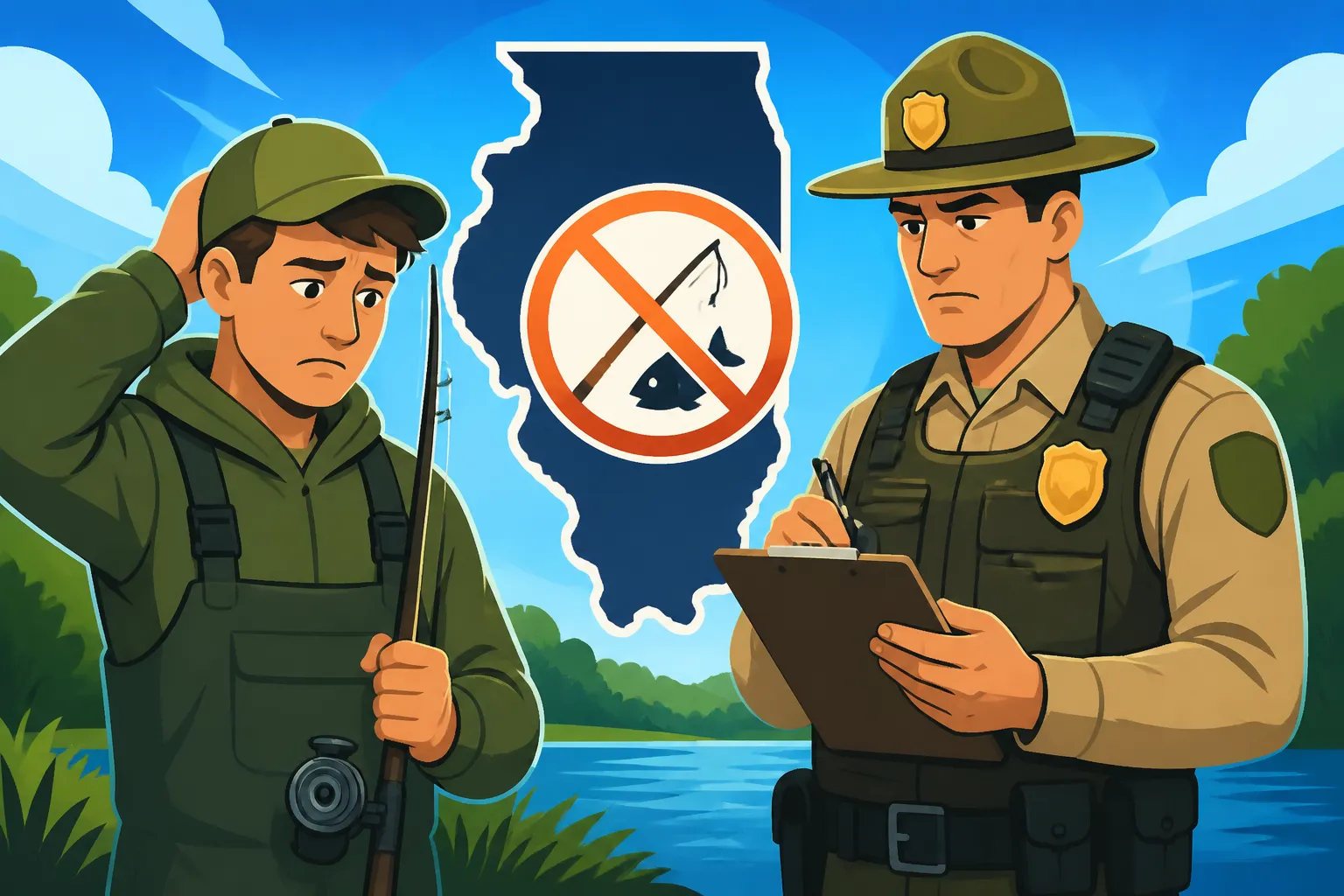
If the CPO confirms that you do not have a valid license—either because you never purchased one, it expired, or it's simply not on your person and can't be verified—the situation moves from a routine check to a confirmed violation. The officer will explain the offense and begin the process of issuing a citation. This isn't usually a pleasant conversation for anyone involved.
They will collect your personal information, including your name, address, and date of birth, which they'll cross-reference with their records. They'll also note the time, location, and specific circumstances of the violation. You’ll be issued a ticket, often referred to as a notice to appear in court, or sometimes a citation with a fine amount that can be paid without a court appearance for minor infractions. It's crucial to treat the officer with respect, even if you’re upset or embarrassed. Cooperating can't erase the violation, but it can prevent additional charges or escalate the interaction unnecessarily. Understand that at this point, the wheels are already in motion.
Understanding the Penalties for Fishing Without a License in Illinois
The immediate sting of being handed a citation is just the beginning. The state of Illinois takes its fishing regulations seriously, and fishing without the proper license is not just a minor slap on the wrist. It’s categorized as a petty offense, but the consequences can still be significant and stretch beyond just a monetary fine.
Fines and Court Costs
For a first-time offense of fishing without a license, you're generally looking at a fine that can range from a few hundred dollars. This isn't a fixed amount and can vary based on the specific county where the citation was issued and the discretion of the court. On top of the base fine, you’ll almost certainly incur court costs and administrative fees. These added charges can easily double or even triple the initial fine amount, making a "small mistake" turn into a substantial financial hit.
Imagine planning a fun weekend fishing trip to Rend Lake or Carlyle Lake, only to find yourself facing a bill for $300-$500 or more because you forgot to buy a $15 annual license. It’s a bitter pill to swallow. The intent behind these fines is not just to punish, but to deter. The state relies on license sales to fund vital conservation efforts, fish stocking programs, and habitat restoration, so when someone fishes without contributing, it impacts everyone. It’s why the system is set up to make unlicensed fishing a costly endeavor. If you want a more comprehensive breakdown, check out our guide on Illinois Fishing License Costs and Types.
Potential Impact on Future Fishing Privileges
While a first-time offense for fishing without a license might primarily result in financial penalties, repeated violations can lead to much more serious consequences, including the suspension of your fishing privileges. The Illinois Department of Natural Resources (IDNR) maintains records of all citations. Accumulating multiple violations can result in a review of your fishing history, potentially leading to a temporary ban from fishing in Illinois waters.
This isn't just a hypothetical threat; it’s a real enforcement tool used to ensure compliance. Just like traffic tickets can lead to the suspension of your driving license, repeated violations of fishing regulations can jeopardize your ability to enjoy the sport you love. The embarrassment and financial burden of a citation are bad enough, but imagine being told you can't fish at all for a year or more. It’s a strong motivator to ensure you're always properly licensed. For a deeper dive into the specific consequences, you might want to read about the Penalties for Fishing Without a License in Illinois.
Beyond the Fine: Other Consequences and How to Avoid Them
Getting a citation for fishing without a license isn't just about the money. There are other potential ramifications that can ruin your day, your trip, and even your reputation as a responsible angler. But the good news is, avoiding these issues is incredibly straightforward.
Confiscation of Gear or Catch
One of the most disheartening aspects of getting caught fishing without a license is the potential loss of your hard-earned catch. CPOs have the authority to confiscate any fish caught illegally. This means that prize-winning largemouth bass or that cooler full of crappie you’ve been working on all day could be taken away. It’s a huge blow, not just to your cooler, but to your morale.
In more severe or repeated cases, especially when combined with other violations (like exceeding catch limits or using illegal methods), CPOs also have the legal right to seize fishing equipment. While it's less common for a simple license violation, the potential is there, especially if the situation escalates or there’s a history of non-compliance. You work hard for your fishing gear, from your expensive rods and reels to your tackle box packed with lures you carefully selected, perhaps even from a well-stocked online retailer like Amazon. Losing any of it due to an oversight is a devastating outcome.
Preventing a Citation: Your Best Defense
The absolute best defense against a citation for fishing without a license is, simply, to always have one. It sounds obvious, but you’d be surprised how many honest mistakes happen. The good news is, getting an Illinois fishing license is incredibly easy and affordable, especially compared to the costs of a citation.
Here’s how you can make sure you’re always compliant:
- Purchase Online: The easiest and most convenient way to secure your license is through the Illinois Department of Natural Resources (IDNR) website. You can purchase or renew your license from the comfort of your home, print it out immediately, or save a digital copy to your phone. This is a game-changer for those last-minute trips! If you're wondering about the specifics, our guide on How to Buy an Illinois Fishing License Online has all the details.
- Visit a Retailer: Most sporting goods stores, bait shops, and even some large retailers throughout Illinois are authorized license vendors. Places like Walmart, Bass Pro Shops, and local bait shops can issue you a license on the spot. This is great if you prefer a physical card or need to pick one up on your way to the water.
- Know Your Dates: Illinois fishing licenses operate on an annual cycle, generally expiring on March 31st each year, regardless of when you purchased it. It's easy to forget if you bought it mid-season last year. Set a reminder in your phone or mark it on your calendar for early spring to ensure you’re always up-to-date. You can also explore our comprehensive Illinois Fishing License Guide for 2026 for detailed information.
- Keep It Accessible: Whether it's a laminated card in your wallet, a printout in a waterproof pouch in your tackle box, or a digital copy on your phone, make sure your license is readily available. Many anglers keep a specific, easily accessible pocket or a small waterproof case, readily available on Amazon, just for their license and ID. Being able to quickly present it to a CPO demonstrates your preparedness and responsibility.
- Understand Reciprocity: If you fish on border waters like the Mississippi, Ohio, or Wabash rivers, be aware of reciprocity agreements with neighboring states like Missouri, Kentucky, Iowa, Indiana, and Wisconsin. In some cases, a license from a neighboring state might be valid, but this isn't always true for all waters or all species. Always double-check.
- Check for Exemptions: There are specific exemptions, such as during Illinois's annual Illinois Free Fishing Days and License-Free Weekends (usually around Father’s Day in June) or for certain age groups. For example, Illinois residents who are 65 or older often receive discounted licenses, and those 75 and up might even qualify for a special "Super Senior" license, but they still need to apply and possess the physical license or digital proof. Similarly, young children typically don't need a license. Ensure you know the exact rules for your situation. Our article on Illinois Fishing License Rules for Kids and Seniors offers more clarity.
Taking a few minutes to secure your license, which you can easily do online or at many local vendors, is a small price to pay for peace of mind and the uninterrupted enjoyment of your fishing trip. Think of it as part of your essential fishing gear – as important as your rod, reel, or your favorite lures you just picked up from Amazon.
Here’s a quick comparison to put things in perspective:
| License Type | Estimated Annual Cost (Resident) | Potential Citation Cost (Unlicensed) | Consequence |
|---|---|---|---|
| Annual Fishing License | ~$15.00 | $120.00 – $500.00+ | Financial fine, court costs |
| Senior Fishing License (65-74) | ~$7.75 | $120.00 – $500.00+ | Financial fine, court costs |
| Super Senior License (75+) | ~$1.00 | $120.00 – $500.00+ | Financial fine, court costs |
| Non-Resident Annual License | ~$31.50 | $120.00 – $500.00+ | Financial fine, court costs |
| N/A (Fishing without license) | $0 | $120.00 – $500.00+ | Fine, court costs, potential gear/catch confiscation, future license suspension |
It's clear from this table that the minimal investment in a fishing license pales in comparison to the potential financial and practical repercussions of being caught without one. Make it a habit, make it easy, and make sure your license is always with you when you hit the water. It’s part of being a responsible angler and helps ensure our beautiful Illinois waterways remain healthy and productive for generations to come.
Disclaimer
Please remember that fishing regulations and license requirements in Illinois can change. While this guide provides comprehensive and up-to-date information, it is always your responsibility to verify the most current regulations with the Illinois Department of Natural Resources (IDNR) before engaging in any fishing activities. This content is for informational purposes only and does not constitute legal advice.