Penalties for Fishing Without a License in Illinois
There's nothing quite like the sudden pit in your stomach when you're out enjoying a peaceful day of fishing on an Illinois lake, only for a conservation police officer to approach and ask for your license. Many anglers, especially those new to the sport or visiting from out of state, might not fully grasp the serious implications of fishing without a valid permit. This guide will walk you through the very real, often costly, and potentially long-lasting penalties you could face if you're caught fishing without a license in the Land of Lincoln.
The Uncomfortable Truth: Why a Fishing License is Non-Negotiable
It might feel like just another bureaucratic hurdle, but that Illinois fishing license isn't just a piece of paper or a digital file on your phone; it's a fundamental requirement for anyone casting a line in public waters across the state. The Illinois Department of Natural Resources (IDNR) uses these funds to manage fish populations, maintain public access sites, and enforce regulations that protect our precious aquatic ecosystems. Without this system, our lakes and rivers would quickly become overfished and neglected, impacting the very resource we all cherish.
The Legal Framework and IDNR's Role
In Illinois, the law is quite clear: if you're 16 years of age or older and not otherwise exempt, you must possess a valid fishing license to fish. This isn't just a suggestion; it's a legal mandate outlined in the Illinois Administrative Code. Conservation Police Officers (CPOs) are empowered to enforce these laws, and they take their role seriously. Their job is to protect natural resources, and checking licenses is a primary way they ensure compliance. They are frequently patrolling lakes, rivers, and even smaller ponds, so the idea of flying under the radar is often a pipe dream.
When you purchase your license, you're directly contributing to conservation efforts, fish stocking programs, and habitat restoration. The money helps fund everything from monitoring fish health to running hatcheries that ensure future generations of anglers have something to catch. It's an investment in the sport itself, and the state relies on these funds to keep Illinois fishing vibrant and sustainable. Therefore, skipping out on a license isn't just skirting a rule; it's shortchanging the very system that supports our beloved pastime.
Dispelling Common Misconceptions About License Requirements
There are so many myths floating around about when and where you need a license, and these misconceptions can lead to trouble. Some people mistakenly believe that if they're fishing in a state park, a private pond (even if it's publicly accessible), or simply from the bank, a license isn't required. Others think that if they're only catching and releasing, or targeting specific species like bluegill, they're exempt. These are all common, but dangerous, falsehoods. The rule of thumb is simple: if you're fishing in Illinois waters and are 16 or older, assume you need a license unless you've confirmed a specific, official exemption.
Another common misunderstanding revolves around the "Illinois Free Fishing Days and License-Free Weekends." While these are wonderful opportunities for everyone to enjoy fishing without a license, they are specific, designated dates, typically in June. Outside of these very narrow windows, the standard licensing requirements apply. It's crucial not to confuse these special events with a year-round exemption. Always check the official IDNR calendar for the exact dates to avoid any unpleasant surprises.
What Happens When the Warden Asks: Immediate Consequences
The moment a Conservation Police Officer (CPO) asks for your fishing license, the calm atmosphere of your fishing trip can instantly shift. It's a situation no angler wants to be in, and understanding the immediate next steps can help you navigate it, even if you're in the wrong. Staying calm and cooperative is always the best approach, regardless of your license status.
The Initial Encounter and Information Gathering
When a CPO approaches, they'll typically identify themselves and politely ask for your fishing license and photo identification. This is a routine part of their job, similar to a police officer asking for a driver's license during a traffic stop. If you can't produce a valid license, either physical or digital, the officer will proceed to gather information. This usually involves confirming your identity and asking why you don't have a license. They'll record details such as your name, address, date of birth, and any other pertinent information. It's important to remember that CPOs have the authority to ask questions related to your fishing activity, including what you're targeting and if you've caught anything. You might also be asked, "Can Game Wardens Check Your Fishing License on the Water?" The answer is unequivocally yes, and they have the legal right to do so.
During this initial phase, the CPO is assessing the situation. Are you genuinely unaware of the requirement, or are you intentionally flouting the law? While ignorance of the law is never an excuse, your demeanor can sometimes influence how the situation is handled, though the legal consequences for fishing without a license are generally clear-cut. They are simply doing their job to uphold the Illinois Fishing Regulations Overview and ensure fair play for all anglers who do follow the rules.
Confiscation and Cease-and-Desist Orders
One of the most immediate and impactful consequences of being caught without a license is the order to cease fishing. The CPO will inform you that you must stop all fishing activity immediately. This means packing up your gear and leaving the water. They may even escort you off the premises, especially if you're on public land or a state park lake. Any fish you have caught might also be confiscated. This is particularly true if there's any suspicion of other violations, such as exceeding daily limits or fishing during a closed season.
In some cases, the CPO might also temporarily confiscate your fishing gear, such as rods, reels, or even your boat if it's directly involved in the unlicensed activity. This isn't always standard practice for a first-time, simple license violation, but it is within their power, especially if they believe you might continue fishing or if there are other, more severe infractions involved. It’s a stark reminder that the cost of skipping a license can go far beyond just a fine; it can prematurely end your day on the water and even cost you your equipment, illustrating the importance of knowing "How the Illinois License Year Works" and ensuring you're compliant.
Understanding the Legal and Financial Ramifications
The initial interaction with a CPO is just the beginning. The real sting comes with the legal and financial penalties that follow. These aren't just minor inconveniences; they can impact your wallet and, in some cases, even your record. It’s important to understand that fishing without a license is a serious offense in Illinois.
Fines and Court Costs: It's More Than Just a Ticket
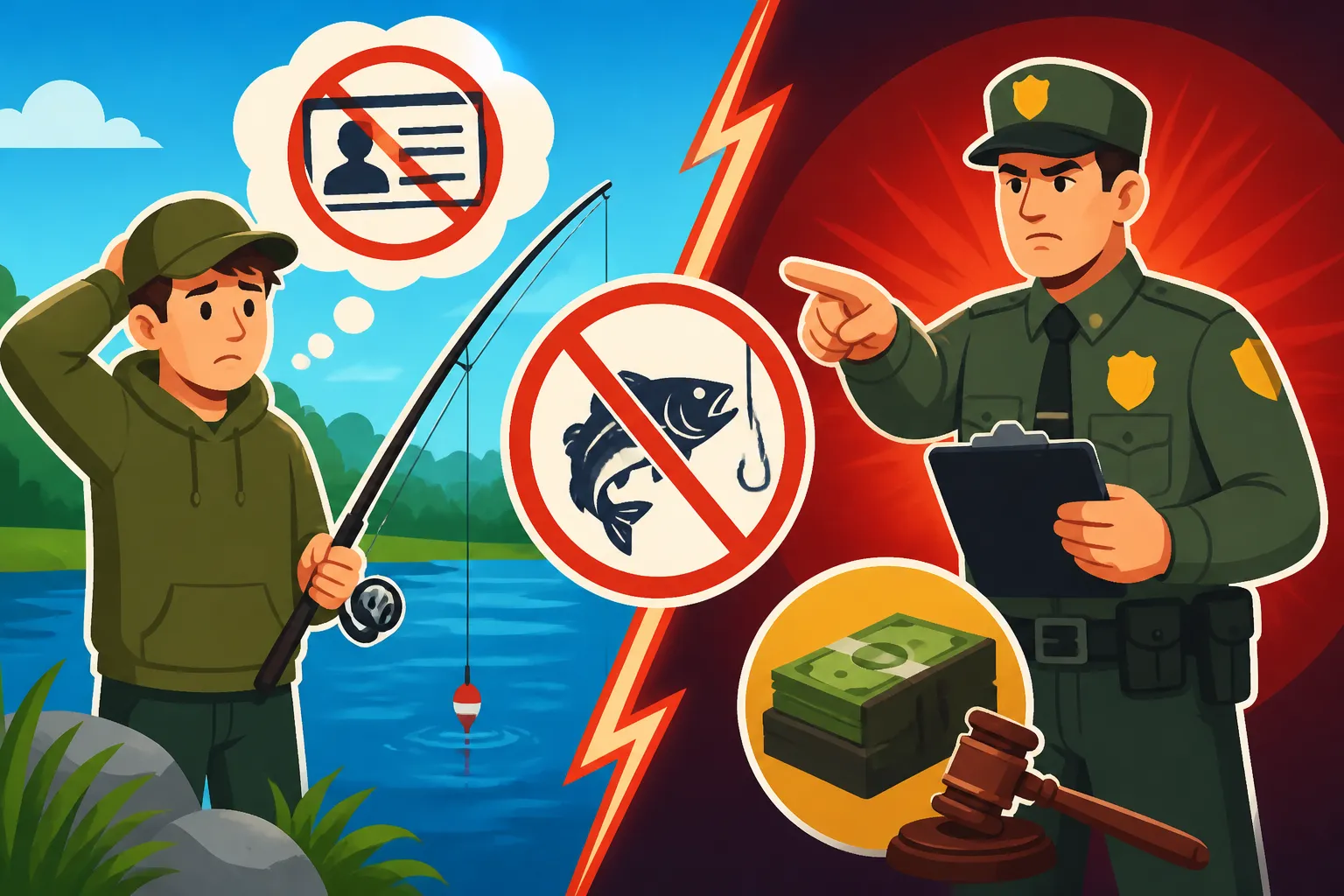
In Illinois, fishing without a license is generally classified as a petty offense. While this might sound minor, the associated fines can be anything but. The base fine can range anywhere from $75 to $1,000, depending on the discretion of the officer and the specific circumstances of the violation. On top of that, you'll almost certainly be hit with court costs and administrative fees, which can quickly add another $100-$200 or more to the total. So, what might start as a $75 base fine can easily escalate to over $300 once all is said and done.
Consider this: an annual resident fishing license costs around $15. If you're caught without one, you're looking at paying at least twenty times that amount in fines and fees. It's a steep price to pay for what could have been a simple and affordable purchase. This financial hit can be a significant burden, especially for someone who was trying to save a few dollars by not buying a license in the first place. You can find details on various license prices in our guide on Illinois Fishing License Costs and Types.
| Violation Type | Classification | Typical Fine Range | Additional Costs (Estimated) | Potential Total (Low End) |
|---|---|---|---|---|
| Fishing Without a License | Petty Offense | $75 – $1,000 | $100 – $200 (Court/Admin) | $175 |
| Exceeding Daily Catch Limit | Class B Misdemeanor | $75 – $1,500 | $100 – $200 (Court/Admin) | $175 |
| Using Illegal Gear | Class B Misdemeanor | $75 – $1,500 | $100 – $200 (Court/Admin) | $175 |
| Repeat Offense | Class B Misdemeanor | $1,500 + | $100 – $200 (Court/Admin) | $1,600 |
Note: Fines and court costs are subject to change and can vary based on county and judge discretion.
The Potential for Misdemeanor Charges
While a simple "fishing without a license" charge is usually a petty offense, it can quickly escalate. If you have prior violations, or if the unlicensed fishing is coupled with other offenses, you could face misdemeanor charges. For instance, if you were also caught with over the legal limit of fish, or using illegal fishing methods, the charges compound. Violations like "Penalties for Exceeding Your Daily Catch Limit" are often Class B misdemeanors, carrying fines up to $1,500 and even potential jail time of up to six months, though this is rare for a first offense.
Attempting to provide false information to a CPO, resisting arrest, or behaving disrespectfully can also lead to more serious charges. CPOs are law enforcement officers, and obstructing them or providing fake details can result in a Class A or Class B misdemeanor. These are not minor infractions; a misdemeanor conviction goes on your criminal record, which can have far-reaching consequences beyond just fishing, affecting employment, housing, and other aspects of your life. It's a stark reminder that fishing regulations are serious laws.
Additional Penalties for Aggravating Factors
Beyond the base fines and potential misdemeanor charges, there are aggravating factors that can increase the severity of the penalties. For example, if you are also found to be fishing during a closed season for a specific species, or in a protected area, the penalties will be significantly higher. Similarly, if you're a repeat offender, the courts tend to impose much stiffer sentences, often maxing out the fines and increasing the likelihood of license suspension.
Sometimes, the judge might also order restitution, meaning you have to pay back the value of any fish you illegally harvested, especially if they were game fish. This is on top of the fines and court costs. In the most severe cases, particularly involving commercial fishing without proper licenses or poaching, penalties can include significant jail time, forfeiture of vessels, and large fines in the tens of thousands of dollars. While these are extreme examples, they illustrate the broad range of consequences when regulations are disregarded.
Beyond the Immediate: Long-Term Impacts on Your Fishing Privileges
The repercussions of fishing without a license don't necessarily end when you pay the fine or leave the courtroom. There can be lingering effects that impact your ability to enjoy fishing and other outdoor activities in Illinois for years to come.
License Suspension and Future Purchase Restrictions
One of the most frustrating long-term consequences for an avid angler is the suspension of fishing privileges. Depending on the severity of the violation and whether it's a repeat offense, the IDNR has the authority to suspend your ability to purchase an Illinois fishing license for a specified period. This could be anywhere from one year to five years or even longer. Imagine having to sit out multiple fishing seasons because you neglected to buy a $15 license. It’s a bitter pill to swallow for anyone who loves spending time on the water.
During this suspension period, any attempt to purchase a new license would be flagged and denied. If you were to somehow obtain a license illegally or try to fish during your suspension, the penalties for that violation would be even more severe, potentially leading to further, longer suspensions and increased fines. This enforcement ensures that those who violate the rules face real consequences that affect their cherished pastime. This is why knowing "Does an Illinois Fishing License Expire on a Set Date?" and keeping it current is so vital.
The Ripple Effect on Hunting and Other Outdoor Licenses
The consequences of a fishing license violation aren't always confined just to fishing. In Illinois, hunting and fishing licenses are often tied together under your IDNR customer profile. A serious violation, or multiple violations, related to fishing can sometimes result in the suspension of your hunting privileges as well. This means if you're an avid hunter and angler, a lapse in judgment on the water could mean you miss out on deer season or duck hunting too.
This broad impact is designed to underscore the importance of respecting all wildlife and conservation laws. The IDNR sees these licenses as privileges, not rights, and repeated disregard for regulations demonstrates a lack of respect for the state's natural resources. While it might seem unfair to lose your hunting privileges over a fishing offense, it’s a very real possibility and one more reason why it’s critical to always ensure you have a valid permit for whatever outdoor activity you're pursuing. Many passionate outdoors enthusiasts order their specialized gear, from hunting blinds to fishing tackle boxes, from retailers like Amazon, but they understand the foundational importance of adhering to licensing requirements.
Special Circumstances: Reciprocity, Free Days, and Minors
While the general rule of "get a license" applies, there are a few situations that can cause confusion or offer temporary exemptions. Understanding these nuances is key to staying out of trouble with the law.
Fishing on Border Waters: Where State Lines Get Blurry
Illinois shares significant waterways with neighboring states like Iowa, Missouri, and Kentucky. The Mississippi River, for example, forms a long border. This is where "Illinois Fishing License Reciprocity With Iowa" and similar agreements come into play. Generally, if you have a valid fishing license from an adjacent state (e.g., Iowa, Missouri, Indiana, or Kentucky) and are fishing on the shared border waters, your license might be recognized by Illinois. However, this is not a blanket rule. There are specific agreements and often restrictions.
For instance, an Iowa license might allow you to fish the main channel of the Mississippi River, but not necessarily an Illinois backwater or tributary that flows into it. Always check the specific reciprocity agreements for the exact section of water you plan to fish. These rules can be complex and are detailed in the Illinois Fishing Information Guide. It's crucial to consult the most current regulations for both states, as fishing beyond the reciprocal boundaries with only an out-of-state license will be treated the same as having no license at all in Illinois.
Understanding Illinois Free Fishing Days and Exemptions
Every year, Illinois designates specific "Illinois Free Fishing Days and License-Free Weekends." During these special days, residents and non-residents alike can fish without a license. This is a fantastic initiative to encourage new anglers and families to try fishing without the initial cost barrier. These days are usually centered around Father's Day weekend in June, offering a perfect opportunity for family outings.
However, it's vital to remember that while the license requirement is waived, all other fishing regulations, such as catch limits, size limits, and species-specific rules, remain in effect. So, you can fish license-free, but you still can't keep undersized bass or exceed the daily crappie limit. These free days are clearly publicized by the IDNR, and you should always verify the exact dates before heading out without your license. Outside these dates, all standard license requirements apply.
Rules for Young Anglers and Supervising Adults
One common point of confusion revolves around children and fishing licenses. In Illinois, individuals under the age of 16 are generally not required to possess a fishing license. This is a wonderful policy that makes it easier for families to introduce kids to the joy of fishing without additional costs or paperwork. So, if you're taking your 12-year-old out to the local pond, they don't need a license. More information is available in our guide, "Illinois Fishing License Rules for Children."
However, if an adult (age 16 or older) is also fishing alongside the child, that adult does need a valid license. The exemption is for the minor child themselves, not for any accompanying adults who are also participating in fishing. If you're an adult helping a child, baiting hooks, or casting for them, and you yourself don't have a license, you could still be cited. The intent is to encourage youth participation, not to provide a loophole for adults to fish without a license.
Proactive Steps: Ensuring You're Always Legal on the Water
No one wants to face fines, court dates, or license suspensions. The good news is that avoiding these penalties is incredibly straightforward: get your license and stay informed. A little preparation goes a long way in ensuring your time on the water is enjoyable and worry-free.
How to Obtain and Renew Your Illinois Fishing License
Getting an Illinois fishing license is easier than ever. The most convenient way for many is to buy an Illinois Fishing License Online through the IDNR website. The process is quick, secure, and you can often print a temporary license immediately. This is particularly handy if you realize you need a license right before a trip. Your license year typically starts on March 1st each year, so it’s a good idea to renew around that time. You can find out more by reading "When the 2026 Illinois Fishing License Year Begins."
Beyond online purchases, licenses are readily available at hundreds of authorized vendors across the state. These include most major sporting goods stores like Cabela's and Bass Pro Shops, many local bait and tackle shops, and even some chain retailers that carry outdoor gear. Just ask the counter clerk, provide your identification, and you'll be set. Many dedicated anglers refresh their gear and tackle annually, often ordering supplies from places like Amazon, but never forget the fundamental license that allows them to use that gear legally.
Digital Proof and Carrying Your License
Once you've purchased your license, whether online or in person, you'll receive either a physical card or a printable document. The IDNR now accepts digital proof of your license displayed on your smartphone. This is a game-changer for many, eliminating the worry of a lost or forgotten paper license. Just make sure your phone is charged and accessible! However, it's always a good idea to have a backup, whether it's a screenshot, a printed copy in your tackle box, or even a picture in your email. Technology can fail, and a dead battery is not an acceptable excuse to a CPO.
Keeping your license easily accessible is crucial. Don't bury it at the bottom of a backpack or leave it in your car. Many anglers keep it in a waterproof wallet, a lanyard around their neck, or a dedicated pocket in their fishing vest. The goal is to be able to present it quickly and easily when asked by a CPO. This simple act of preparedness can save you a lot of hassle and potential fines.
Staying Informed About Ever-Changing Regulations
The world of fishing regulations isn't static. Rules can change annually, and sometimes even within a season, especially concerning site-specific limits or new conservation efforts. Relying on old information or hearsay is a recipe for disaster. The IDNR publishes an annual "Illinois Fishing Information Guide" that details all statewide and site-specific regulations, including size and catch limits for various species, special restrictions, and more.
It's your responsibility as an angler to stay current. Before heading out to a new lake or river, always take a few minutes to look up the specific rules for that body of water. The IDNR website is an excellent resource, offering digital copies of the guide and often direct links to specific lake or river regulations. Signing up for IDNR email updates or following their social media channels can also help keep you in the loop. Knowledge is power, and in this case, it's also your best defense against unwanted penalties.
Disclaimer
The information provided in this guide is for general informational purposes only and does not constitute legal advice. Fishing regulations in Illinois can change, and interpretations may vary. Always consult the official Illinois Department of Natural Resources (IDNR) website or the most current Illinois Fishing Information Guide for the most accurate and up-to-date regulations. If you have received a citation, it is advisable to seek legal counsel.