Illinois Channel Catfish Daily Limit of 20 Fish
It can be incredibly confusing to keep track of all the different fishing regulations in Illinois, especially when it comes to daily catch limits for popular species like channel catfish. Many anglers wonder how many they can really take home and if there are any specific size restrictions. This comprehensive guide will walk you through the statewide daily limit for channel catfish, explain why local rules sometimes differ, and provide practical advice for staying compliant and enjoying your time on the water.
Understanding Illinois Channel Catfish Limits
When you're out on the water, whether it's a quiet farm pond or a bustling river, knowing the rules for the fish you're targeting is crucial. Channel catfish are a beloved species in Illinois, known for their strong fight and delicious meat, making them a popular target for many anglers. But with popularity comes the need for responsible management, which is where daily limits come into play.
The Statewide Daily Limit: 20 Fish
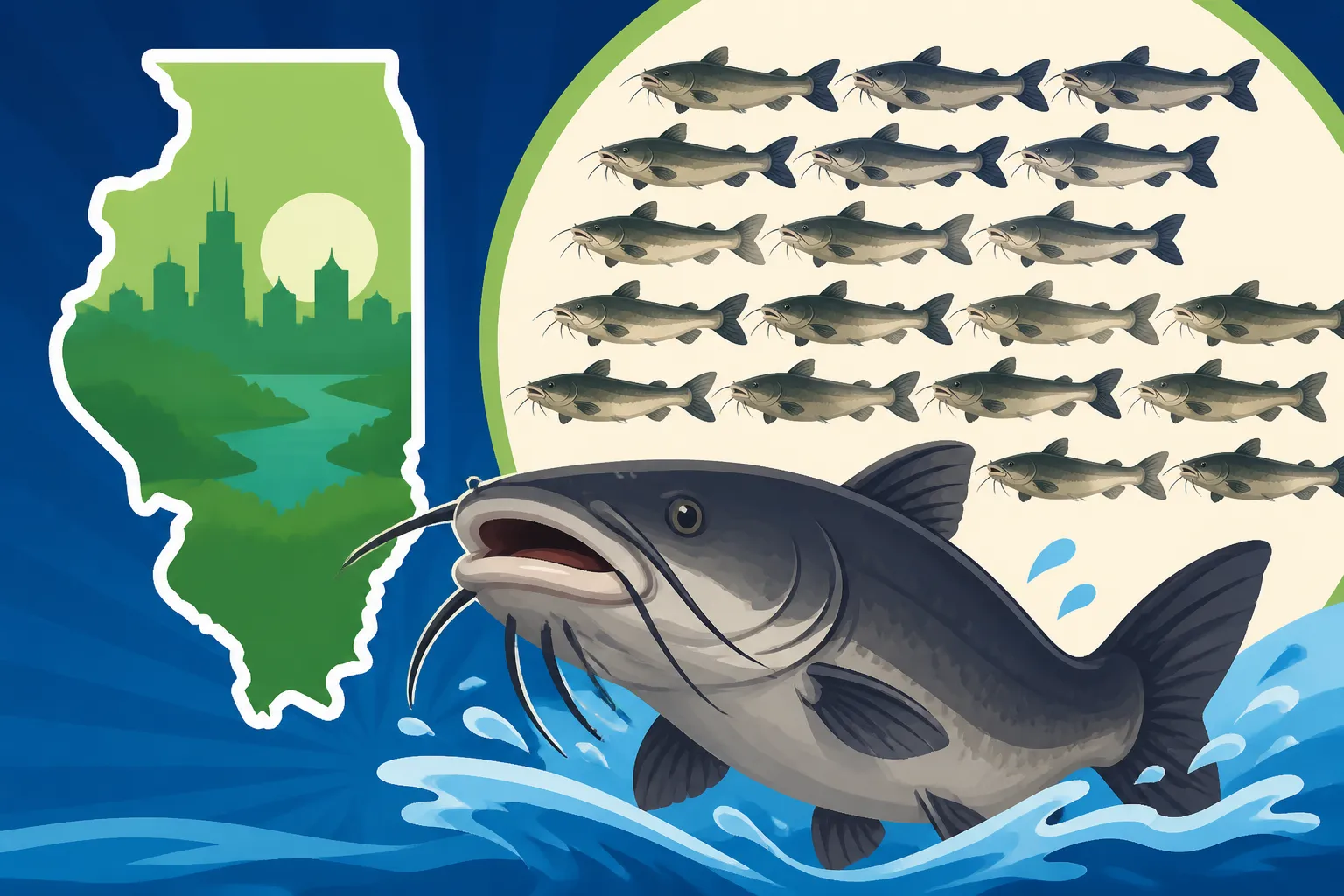
Here's the straight scoop: for most public waters across Illinois, the statewide daily limit for channel catfish is 20 fish. That's a pretty generous number, allowing anglers to bring home a substantial cooler full of fish for a family fish fry or to share with friends. This limit applies per angler, per day, meaning that if you and a buddy are out fishing together, you could potentially take home 40 channel catfish between the two of you, as long as each person adheres to their individual limit.
The purpose of this limit isn't to make your life harder; it's all about conservation. The Illinois Department of Natural Resources (IDNR) sets these limits to ensure that our fish populations remain healthy and sustainable for future generations of anglers. Imagine if there were no limits – everyone would keep as many as they could, and pretty soon, our favorite fishing holes would be depleted. By setting a reasonable daily limit, the IDNR helps maintain a balance, allowing enough fish to survive and reproduce while still providing ample opportunity for anglers to enjoy their harvest. When you're packing your fishing gear, it's a good idea to have a clear plan for how you'll keep count of your catch. Many anglers use a simple stringer or a well-marked livewell to prevent accidental overharvesting. You can find reliable stringers and livewell accessories on sites like Amazon, which can be a real lifesaver when the bite is hot and you're quickly racking up fish.
No Minimum Size Limit for Channel Catfish
One of the common questions I hear from fellow anglers, especially beginners, is about size limits for catfish. It's a valid concern because many popular game fish, like bass and walleye, have strict minimum size requirements. However, when it comes to channel catfish in Illinois, there is generally no statewide minimum size limit. This means that if you catch a channel catfish, regardless of its length, it counts toward your 20-fish daily limit.
This lack of a minimum size limit offers anglers a lot of flexibility. If you prefer to keep smaller "eater" size catfish, which often have a milder flavor and are easier to clean, you're welcome to do so within your daily bag limit. Conversely, if you're chasing trophy-sized channel cats, you can release the smaller ones with confidence, knowing they'll have a chance to grow bigger. This contrasts sharply with species where you might have to throw back a perfectly healthy fish just because it's an inch short of the legal mark. If you're ever in doubt about whether there's a size limit on a particular fish, it's always best to consult the official Illinois Fishing Regulations Overview or specifically ask, "Is There a Size Limit on Catfish in Illinois?" before you head out. This flexibility also makes channel catfish a fantastic target for family fishing trips, as kids can experience the thrill of catching and keeping fish of all sizes, making their fishing adventures even more memorable.
Site-Specific Rules and Exceptions for Channel Catfish
While the statewide daily limit of 20 channel catfish is a great general guideline, it's absolutely vital to understand that fishing regulations in Illinois aren't always one-size-fits-all. Some lakes, rivers, or even specific stretches of waterways can have their own unique rules that supersede the general statewide mandates. Ignoring these site-specific regulations can lead to a spoiled fishing trip and, worse, a hefty fine.
How Local Regulations Can Override Statewide Rules
The IDNR manages hundreds of lakes, rivers, and streams across Illinois, and each body of water is a unique ecosystem. Factors like fish population health, spawning success, angler pressure, and habitat conditions vary dramatically from one location to another. Because of this, fisheries biologists often implement special regulations for particular sites to ensure sustainable fishing. This is precisely Why Fishing Rules Vary by Lake and River. For channel catfish, this might mean a reduced daily limit (e.g., 6 or 10 fish instead of 20) or even a protected slot limit, where fish within a certain size range must be released.
It's not uncommon for popular fishing destinations, especially those that see heavy angler traffic or where the IDNR is trying to boost a particular fishery, to have more restrictive rules. These site-specific rules are designed to protect the local fish populations and ensure good fishing for everyone. Think of it like this: a small, heavily fished lake might not be able to sustain the same harvest as a vast river system, so different rules are put in place to reflect that reality. Before you even pack your tackle box, make it a habit to check the current regulations for your chosen fishing spot. The official Illinois Fishing Information Guide Covers April 2026 Through March 2027 is your best friend here, as it details all statewide and site-specific rules. You can usually find a copy online, or sometimes even at your local bait shop. Many seasoned anglers will even download the guide to their phone or print out the relevant pages, keeping them handy in a waterproof bag – a simple waterproof phone case from Amazon can be a great investment for this very reason.
Key Waterways with Unique Channel Catfish Rules
Let's look at some examples where you might encounter different rules for channel catfish. Major river systems and large reservoirs are often where you'll find these variations.
- Mississippi River: The mighty Mississippi River, especially along the Illinois border, often operates under special reciprocal agreements with neighboring states like Iowa or Missouri. While channel catfish limits might align with Illinois’s statewide 20-fish rule in some pools, others might have slightly different stipulations. It's crucial to consult the section of the guide specifically for the Mississippi River, particularly if you're fishing in shared border waters. For those interested in this legendary waterway, check out our guide on Mississippi River Catfish Fishing in Southern Illinois.
- Illinois River: Another significant waterway, the Illinois River, is a prime destination for catfish anglers. While many sections adhere to the 20-fish daily limit, occasional localized rules or conservation efforts might introduce variations. Always consult the specific regulations for the stretch of river you plan to fish, perhaps near Peoria or Starved Rock, which you can find in the Illinois River Fishing Guide.
- Large Reservoirs (Rend Lake, Carlyle Lake, Lake Shelbyville): These vast lakes are incredibly popular and well-managed fisheries. While many of their regulations are statewide, it's not unheard of for the IDNR to implement specific rules for channel catfish, or other species, based on ongoing studies of the fish population. For instance, a particular cove might have a temporary restriction if it's a critical spawning area. Before heading out to one of the Best Catfish Fishing Spots in Illinois like Rend Lake, Carlyle Lake, or Lake Shelbyville, remember to always cross-reference the site-specific regulations mentioned in the fishing guide. The key takeaway is to never assume. Always verify the rules for your specific location. There are great resources like Checking Site-Specific Rules Before Fishing an Illinois Lake and How to Find the Rules for a Specific Illinois Fishing Spot that can guide you to the exact information you need, ensuring your fishing trip is both legal and enjoyable.
Practical Tips for Adhering to Channel Catfish Regulations
Staying within the legal limits isn't just about avoiding trouble; it's about being a responsible angler and contributing to the health of our fisheries. Nobody wants to face the consequences of an honest mistake, so having a few practical habits can make all the difference.
Keeping Track of Your Catch
When the fish are biting, it's easy to lose count, especially with a generous limit like 20 channel catfish. That's why having a system in place before you even cast your first line is so important.
- Immediate Counting: The simplest method is to count each fish as you place it on your stringer or into your livewell. Don't wait until you're packing up to try and remember how many you caught. A mental tally can quickly get skewed when you're focused on baiting hooks and landing fish.
- Visual Cues: If you're using a stringer, consider one with individual clips for each fish, or use small, easily visible markers for every five fish. For livewells, a small, laminated card and a waterproof marker can help you jot down numbers as you go.
- Multi-Person Boats: If you're fishing with others, establish clear communication about who is keeping what. Each individual angler is responsible for their own limit. You can't, for example, pool your fish into one person's limit if that person hasn't caught their share. If two people each have a 20-fish limit, they need to keep their catches separate or at least have a clear, agreed-upon method for distinguishing between individual totals. Some anglers use different colored stringers, for instance. You can find durable fishing scales and measuring tapes, often bundled with other fishing tools, on Amazon to help you manage your catch effectively.
By adopting these simple habits, you can focus on the joy of fishing without the nagging worry of accidentally exceeding your daily limit. It's a small effort that pays off big time in peace of mind.
Consequences of Exceeding Limits
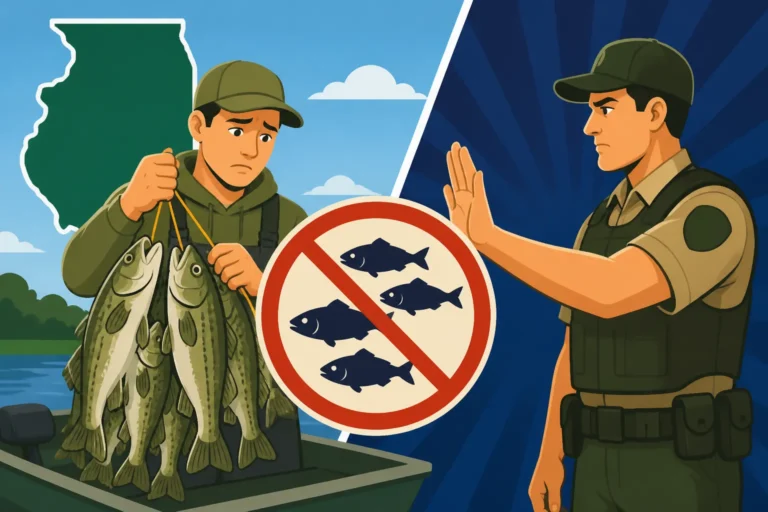
Nobody wants to get a citation while enjoying a peaceful day on the water. However, exceeding your daily catch limit, even by accident, is a violation of Illinois fishing regulations and comes with real consequences. It's not just a slap on the wrist; it can be a serious matter.
Typically, the penalties for fishing violations, including exceeding daily limits, can range from substantial fines to the confiscation of your fishing gear, and even the loss of your fishing privileges for a period. The exact fine amount can vary depending on the severity of the violation and whether you have previous offenses. Conservation police officers in Illinois are dedicated to protecting our natural resources, and they regularly patrol lakes and rivers, checking licenses and creel limits. They have the authority to issue citations on the spot. If you find yourself in such a situation, it can certainly put a damper on your fishing season. To avoid any unpleasant surprises, it's always best to be thoroughly familiar with the Illinois Catfish Daily Limits Explained for all species and to respect the rules. Remember, these regulations are in place to ensure that our fish populations thrive, providing enjoyable fishing for everyone, year after year. For a deeper dive into what can happen, read our article on Penalties for Exceeding Your Daily Catch Limit.
Catch-and-Release Best Practices
While keeping fish for the table is a cherished part of fishing, knowing when and how to practice catch-and-release is equally important. Even if the limit is 20 fish, you might choose to release some for various reasons. Maybe you've caught enough for dinner, you're targeting a different size class of fish, or you simply want to ensure a strong breeding population.
When you do choose to release a channel catfish, especially after a good fight, maximizing its chances of survival is key.
- Handle with Care: Wet your hands before touching the fish to protect its protective slime coat. Avoid squeezing the fish, especially around its belly or gills.
- Minimize Air Exposure: Try to keep the fish in the water as much as possible. If you need to remove it for a quick photo, do so quickly and return it to the water promptly.
- Use Proper Tools: A good pair of needle-nose pliers or a hook remover can help you quickly extract hooks with minimal damage. Barbless hooks can also make removal much easier. You can find these essential tools and more for responsible angling on Amazon.
- Revive the Fish: If the fish seems sluggish or stressed after being unhooked, hold it gently in the water, facing into the current, and allow water to flow over its gills until it regains its strength and swims away on its own.
Understanding and implementing these best practices not only makes you a more ethical angler but also directly contributes to the sustainability of the channel catfish fishery in Illinois. There are even Catch-and-Release Only Periods on Some Waters for other species, emphasizing the importance of this practice in conservation.
Illinois Channel Catfish Daily Limits at a Glance
To summarize the key points regarding channel catfish limits in Illinois, here’s a quick reference table. Remember, this table provides general guidelines, and it's always critical to consult the official IDNR fishing guide for the most current and site-specific information for your chosen fishing location.
| Regulation Aspect | Statewide Rule (General) | Potential Site-Specific Variation | What it Means for You |
|---|---|---|---|
| Daily Limit | 20 fish per angler | Can be lower (e.g., 6, 10 fish) | Maximum number of channel catfish you can keep per day. Always check local rules. |
| Minimum Size Limit | No statewide minimum size | Some waters may have slot limits or minimums | You can generally keep channel catfish of any size, up to your daily limit. |
| Possession Limit | Often twice the daily limit | Can vary by site or species | Maximum number of fish you can have in your possession (e.g., at home, in transit). |
Disclaimer
The information provided in this guide is for general informational purposes only and is not intended as legal advice. Fishing regulations in Illinois can change, and site-specific rules may vary. Always consult the most current official Illinois Department of Natural Resources (IDNR) Fishing Information Guide or their website before heading out to fish to ensure compliance with all applicable laws and regulations.