Catch-and-Release Only Periods on Some Waters
It's incredibly frustrating to get out on the water, spend hours perfecting your cast, finally hook a magnificent fish, and then realize you might not be allowed to keep it. The world of Illinois fishing regulations can feel like a maze, especially when you encounter signs or rules about "catch-and-release only" periods on certain waters. This guide aims to demystify these specific regulations, explain why they exist, and equip you with the knowledge to fish responsibly and successfully, ensuring those treasured moments on the water remain stress-free.
Understanding the 'Why' Behind Catch-and-Release Only Rules
These regulations aren't put in place to make fishing harder or less enjoyable. Quite the opposite, in fact. They are carefully designed by the Illinois Department of Natural Resources (IDNR) to protect and enhance our precious fish populations, ensuring healthy fisheries for generations of anglers to come. It’s a balancing act between allowing recreational harvest and preserving the ecological integrity of our lakes and rivers.
Protecting Spawning Fish and Vulnerable Populations
One of the primary reasons for implementing catch-and-release only periods is to safeguard fish during their most vulnerable times, especially during spawning season. Think about it: when fish are concentrated in specific areas, focused on reproducing, they become much easier targets for anglers. If everyone were to keep their catch during these critical windows, it could severely deplete the population, hindering future generations of fish.
For instance, many popular game fish like largemouth bass, smallmouth bass, walleye, and muskie often have strict catch-and-release or highly restrictive harvest regulations during their spawning periods. In Illinois, you might find such rules on a specific section of a river where walleye are migrating to spawn in early spring, or on a particular lake known for its trophy bass population during their spring bedding ritual. These periods are vital for the fish to successfully lay eggs and guard their young, allowing the next generation to thrive. Without these protections, we'd see a dramatic decline in fish numbers and sizes, which no angler wants. This is a key part of the broader Illinois Fishing Regulations Overview designed to maintain a healthy ecosystem.
Enhancing Trophy Fisheries and Genetic Diversity
Beyond basic population protection, catch-and-release rules are also a powerful tool for developing and maintaining "trophy" fisheries. When anglers consistently release larger fish, those fish continue to grow, mature, and contribute their superior genetics to the next spawning cycle. This selective pressure helps to foster a population of bigger, healthier fish that are more resilient and challenging to catch—exactly what many experienced anglers dream of.
Take Kinkaid Lake, for example, which is known for its excellent muskie fishing. Muskies are typically managed with very high minimum size limits, meaning that virtually all muskies caught are released. This practice ensures that these long-lived, predatory fish have the chance to reach impressive sizes and reproduce multiple times throughout their lives. Similarly, some lakes are managed specifically for trophy largemouth bass, with tight slot limits or total catch-and-release periods that allow the largest fish to remain in the water. By protecting these mature, robust breeders, we help maintain the genetic diversity and vigor of the entire fishery. It's about thinking long-term: letting that big one go today often means even bigger ones will be biting tomorrow.
Common Species and Their Catch-and-Release Windows in Illinois
While statewide regulations provide a general framework, it’s the site-specific catch-and-release periods that truly require your attention. These local rules are tailored to the unique conditions and fish populations of individual bodies of water, often reflecting a strategic conservation effort for particular species at critical times.
Largemouth and Smallmouth Bass Seasons
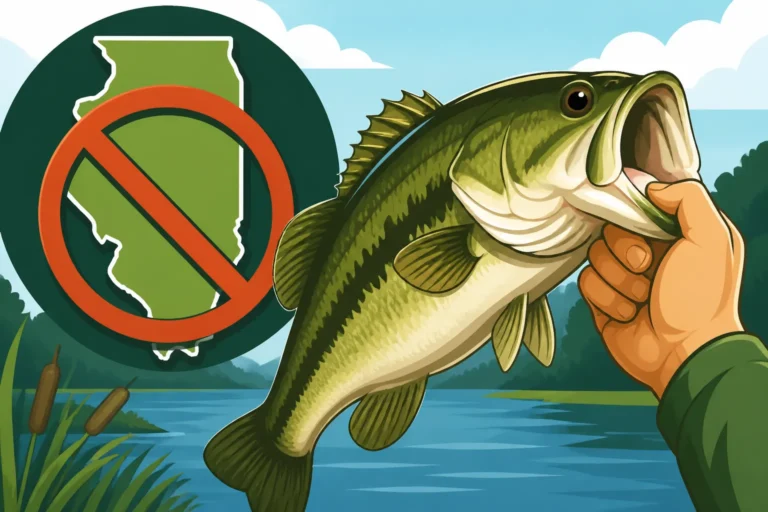
Bass anglers are likely the most familiar with catch-and-release only periods, as these regulations are frequently applied to largemouth and smallmouth bass, especially during their spring spawning season. The exact timing can vary depending on water temperature and geographical location within Illinois, but generally, from early April through mid-June, you'll find various lakes and rivers implementing these restrictions. This is precisely when the bass move shallow to build nests and guard their eggs, making them particularly vulnerable.
For instance, many state-managed lakes might have a "no harvest" period for bass during this time, often allowing only artificial lures. This allows bass to complete their reproductive cycle undisturbed by harvest. You'll commonly see these specific catch-and-release mandates on well-known bass fisheries like Lake Shelbyville or Clinton Lake, and on numerous smaller impoundments managed by the IDNR. These regulations differ from the standard Illinois Statewide Bass Fishing Limits you might find outside of these specific periods or locations. Always double-check the local rules for the specific body of water you plan to fish. You can find more detailed information on when bass are most active during these periods in the Illinois Bass Spawn Timing Guide. These measures are crucial for protecting adult bass during their most important biological phase, ensuring a robust population for the years to come.
Walleye and Muskie Special Regulations
Walleye and muskie also frequently fall under special catch-and-release or highly restrictive harvest rules in Illinois. Walleye, known for their spring spawning runs, are often protected by catch-and-release only periods on certain rivers or river sections. The Illinois River, for example, might have specific areas where walleye are protected during their intense spawning migrations in late winter and early spring. This allows the fish to concentrate and reproduce without harvest pressure, which is vital for maintaining the population in a river system. The general Illinois Walleye Fishing Season in Illinois can still be open, but specific stretches of water might have these temporary C&R rules.
Muskies, being a prized but relatively rare trophy fish, are almost always managed with stringent regulations. Many muskie fisheries, like those at Lake Kinkaid, Lake Shelbyville, or Fox Chain O'Lakes, will have extreme minimum size limits (often 42 inches or more), which effectively makes most muskie fishing a catch-and-release endeavor. These large size limits, combined with the often challenging nature of catching a muskie, mean that very few are ever harvested. This management strategy allows these fish to grow to truly massive sizes and ensures that they contribute significantly to the gene pool for many years. You can delve deeper into these specific regulations by looking at the Illinois Muskie Fishing Rules and Regulations for This Game Fish. The goal here is to preserve these magnificent, long-lived predators as much as possible, giving every angler a chance to hook a fish of a lifetime.
Other Species with Temporary Restrictions
While bass, walleye, and muskie are the most common species to have explicit catch-and-release only periods, other fish can also be subject to temporary restrictions under specific circumstances. You might encounter these for crappie or bluegill in certain highly-managed small lakes, especially those designated as "trophy" panfish waters where the goal is to grow exceptionally large specimens. For instance, a small public lake might implement a catch-and-release program for crappie for a few years to allow the population to rebound or to increase the average size of the fish.
Similarly, in some stocked trout programs, especially for inland streams or lakes, there might be a "no harvest" period immediately following a stocking event, or specific days designated as youth-only fishing with catch-and-release rules. This allows the fish to acclimate or provides a unique angling opportunity without harvest pressure. These highly localized rules highlight why it's so important to consult the site-specific regulations for every body of water you plan to fish. As the saying goes, ignorance of the law is no excuse, and fishing without understanding the specific rules for your chosen spot can lead to citations, as detailed in Penalties for Fishing Without a License in Illinois, even if your license is valid. This variability is why understanding Why Fishing Rules Vary by Lake and River is so crucial for any serious angler.
Navigating Site-Specific Regulations and How to Stay Informed
The sheer volume of fishing information in Illinois can be overwhelming, and it's easy to assume that if you have a general understanding of statewide rules, you're good to go. However, that couldn't be further from the truth. The key to responsible and compliant fishing in Illinois lies in understanding and diligently checking site-specific regulations, especially for catch-and-release periods.
The Importance of the Illinois Fishing Information Guide
Your absolute best friend for navigating Illinois fishing regulations is the official Illinois Fishing Information Guide. This comprehensive guide, updated annually, is an invaluable resource that details not only statewide rules but also the crucial site-specific regulations for hundreds of lakes, rivers, and ponds across the state. Many anglers make the mistake of only skimming the statewide rules, but the section dedicated to specific water bodies is where you'll find those critical catch-and-release mandates.
For example, while the statewide bass limit might allow a certain number of fish with a minimum size, a specific lake might explicitly state "Largemouth Bass: Catch and Release Only, April 1 – June 15." Missing this small detail can turn a fun fishing trip into a costly encounter with a conservation officer. You can pick up a physical copy at bait shops, IDNR offices, or even download a PDF version directly from the Illinois DNR website. Always make sure you're consulting the most current guide; remember that the Illinois Fishing Information Guide Covers April 2026 Through March 2027, so always be sure you're looking at the right year! Make it a habit to check it every time you plan to fish a new spot or at the start of each fishing season.
Utilizing IDNR Resources and Local Bait Shops
Beyond the printed guide, the Illinois DNR offers a wealth of online resources that can help you stay informed. Their website often has up-to-date press releases, news sections, and dedicated pages for specific lakes or river systems that might highlight recent regulation changes or temporary catch-and-release periods. Subscribing to their email newsletters or following their social media channels can also provide timely alerts. It's a convenient way to get real-time updates that might not yet be in the printed guide.
However, don't underestimate the power of local knowledge. Your local bait and tackle shop owners and employees are often the absolute best source for hyper-local information. They hear the latest news, know about temporary closures, and understand the nuances of the regulations for the specific waters in their area. Before heading out, especially to a new spot, stop by a local shop. Ask questions like, "Are there any special regulations on Lake Bloomington right now for bass?" or "Are the walleye on the Rock River currently catch-and-release?" Their insights can save you a lot of trouble and also clue you into what's biting! This local expertise is vital for knowing How to Find the Rules for a Specific Illinois Fishing Spot.
Understanding Signage at Boat Ramps and Access Points
When you arrive at a lake or river, particularly at boat ramps, fishing piers, or other public access points, always be on the lookout for posted signs. These signs are often the last line of defense in informing anglers about site-specific regulations, including catch-and-release only periods. They are legally posted notifications, and it's your responsibility to read and understand them.
These signs usually provide concise summaries of length limits, bag limits, and any special catch-and-release stipulations for the specific body of water you are entering. It's not uncommon to find signs that say something like "No Black Bass Harvest: April 1 – May 31" or "All Walleye Must Be Released." Ignoring these signs can lead to serious consequences. Conservation police officers regularly patrol these areas and expect anglers to be fully aware of the rules. The penalties for violating these specific harvest regulations can be significant, ranging from fines to confiscation of gear, as can happen if you are cited for What Happens If You Fish Without a License in Illinois?, which is a similar infraction of not following regulations. Always take a moment to read them thoroughly before casting your first line.
Best Practices for Ethical Catch-and-Release Fishing
Catch-and-release fishing, especially during mandated periods, isn't just about adhering to the rules; it's about doing so ethically and effectively to ensure the fish you release survive and thrive. A poorly handled fish, even if released, might not make it, defeating the entire purpose of the regulation.
Proper Handling Techniques to Maximize Survival
The moment you land a fish you intend to release, every action counts towards its survival. The goal is to minimize stress and physical damage. First, keep the fish in the water as much as possible. If you must take it out for a quick photo, do so quickly and efficiently. Time out of water is critical; even a minute can be detrimental, especially in warm weather.
Always handle fish with wet hands. Dry hands can remove the fish's protective slime coat, leaving it vulnerable to infection. Support the fish horizontally, especially larger ones. Never hold a fish vertically by its jaw or gill plates, as this can severely damage its internal organs and spine. For bass, a lower jaw gripper can be helpful, but still support the body with your other hand. Avoid squeezing the fish's body, particularly around the belly. If a fish is bleeding from the gills, it's likely not going to survive, and if legal to keep, it's more humane to harvest it. These guidelines are crucial, particularly during Catch-and-Release Bass Seasons on Some Illinois Lakes, where the goal is to protect the spawning population.
Selecting the Right Gear and Lures
Your choice of tackle can significantly impact a fish's survival rate during catch-and-release. One of the most important considerations is using barbless hooks or, at the very least, crimping the barbs on your regular hooks with pliers. Barbless hooks come out much easier and cause less tissue damage, allowing for a quicker release. You can find excellent barbless hooks or multi-packs of pliers for crimping barbs on platforms like Amazon, making it easy to prepare your tackle box for responsible angling.
Another critical factor is using appropriate line strength. While fighting a fish on ultralight tackle can be exhilarating, an extended fight can exhaust a fish to the point where it won't recover after release. Use line that's strong enough to land the fish relatively quickly, minimizing its stress and lactic acid buildup. Lastly, always have needle-nose pliers or a dedicated hook removal tool easily accessible. These tools allow you to quickly and safely remove hooks, especially those deeply embedded, without excessive handling or tearing of delicate tissues. Many quality hook removal tools are available on Amazon, making quick releases a breeze.
Reviving and Releasing Fish Responsibly
After the hook is removed, the release process is just as important as the handling. Gently place the fish back into the water, ideally in an area with good current or oxygenation. If the fish is lethargic or appears stunned, don't just toss it back. Hold it upright in the water, supporting its belly, and gently move it back and forth to force water over its gills. This helps to re-oxygenate its blood and revive it.
Watch for signs of recovery, such as the fish trying to swim away or regaining its natural color and vigor. Only release the fish when it can swim off under its own power. If a fish is severely injured, bleeding profusely, or shows no signs of recovery after several minutes of revival efforts, and if it meets legal size and possession limits, it's often more ethical to humanely dispatch it and, if allowed, add it to your cooler rather than releasing it to slowly die. The entire purpose of catch and release is survival, and sometimes, a realistic assessment of the fish's condition is necessary.
The Angler's Role in Conservation and Future Fishing
Adhering to catch-and-release regulations isn't just about following the law; it's about embracing a broader role as a steward of our natural resources. Every angler has a responsibility to contribute to the health and sustainability of Illinois's fisheries, ensuring that the joy of fishing can be experienced by future generations.
Beyond the Regulations: A Mindset of Stewardship
True conservation goes beyond merely checking off boxes on a list of rules. It involves cultivating a mindset of stewardship—a deep respect for the fish and their environment. This means being mindful of your impact every time you step out on the water. It means voluntarily practicing catch-and-release even when not explicitly required, especially for larger breeding-size fish. If you already have enough for a meal, consider releasing subsequent catches, even if they're legal to keep.
A stewardship mindset also means educating others, particularly new anglers and children, on proper handling techniques and the importance of conservation. Lead by example: demonstrate ethical fishing practices, clean up any trash you find (even if it's not yours), and treat the environment with care. It's about recognizing that we are all temporary visitors to these wild places, and it's our duty to leave them better than we found them.
Participating in Local Conservation Efforts
For those who want to take their commitment to conservation a step further, there are numerous opportunities to get involved. Many local fishing clubs, conservation organizations, and even the Illinois DNR frequently organize volunteer events. These can range from stream clean-ups to habitat restoration projects, fish stocking efforts, or even assisting with creel surveys that help monitor fish populations.
Supporting organizations like the Illinois DNR, whether through purchasing your Illinois Resident Annual Fishing License Cost or contributing to special stamps like the Illinois Inland Trout Stamp Requirements, directly funds these vital conservation initiatives. Every license dollar helps manage fish populations, improve habitat, and enforce regulations that protect our natural resources. By actively participating, you're not just ensuring the survival of fish during catch-and-release periods; you're directly contributing to the long-term health and abundance of all Illinois fisheries.
| Species | Typical Catch-and-Release Considerations | Common Periods/Conditions | Notes |
|---|---|---|---|
| Largemouth Bass | Spawning protection, trophy management | Spring (April-June) | Many lakes implement C&R or slot limits during spawning. Always check site-specific rules for particular lakes, especially in spring. |
| Smallmouth Bass | Spawning protection, habitat sensitivity | Spring (April-June), specific river sections | Similar to largemouth, often protected during spring spawn, particularly in river systems where they are less abundant. |
| Walleye | Spawning run protection | Late Winter/Early Spring (Feb-April) | Specific river sections (e.g., Illinois River) may have C&R during peak spawning migrations. |
| Muskie | Trophy species management, slow growth rates | Year-round (due to high minimum size limits) | Most muskie fishing is effectively C&R; high minimum size limits mean few are harvested. |
| Crappie | Population management, trophy enhancement | Site-specific, temporary | Some smaller, managed lakes may implement C&R for a period to increase average size or rebuild populations. |
| Trout (stocked) | Post-stocking acclimation, youth events | Immediately after stocking, specific dates | Certain stocked streams or lakes may have temporary C&R or specific days designated as C&R only for special events. |
Disclaimer
Please be aware that fishing regulations in Illinois are subject to change. Always consult the most current Illinois Fishing Information Guide published by the Illinois Department of Natural Resources (IDNR) or visit their official website before any fishing trip. The information provided in this guide is for general informational purposes only and should not be considered a substitute for official regulations.