Illinois Fishing License Costs for Out-of-State Anglers
Venturing to a new state for a fishing trip can be an exhilarating experience, but often, the first hurdle you encounter isn't the tricky fish or unfamiliar waters, it's figuring out the maze of licensing requirements and, more importantly, how much it's all going to cost. It's a common frustration for out-of-state anglers, feeling like you're paying a premium just for the privilege of wetting a line. This comprehensive guide is here to untangle the specifics of Illinois fishing license costs for out-of-state anglers, ensuring you can budget effectively and get straight to enjoying the fantastic fishing opportunities Illinois has to offer.
Understanding the Non-Resident Premium
Let's be real, seeing those higher price tags for non-resident fishing licenses can sting a little. You might wonder why a state needs to charge visitors more than its own residents. It's a question many of us have asked, and while it might feel unfair at times, there's a clear rationale behind it. Understanding this helps manage expectations and appreciate the system, even if it impacts your wallet.
The Rationale Behind Higher Fees
The primary reason non-residents pay more for fishing licenses in Illinois, and indeed in most states, boils down to funding and resource management. Illinois residents contribute to the state's infrastructure and conservation efforts through various taxes, not just fishing license sales. Non-residents, on the other hand, primarily contribute to these specific programs through their license purchases. The Illinois Department of Natural Resources (IDNR) uses these funds to manage fish populations, maintain public access sites, conduct research, and enforce regulations across all state waters. These are crucial activities that benefit every angler, regardless of where they call home. When you consider the vastness of Illinois's waterways, from the mighty Mississippi River to Lake Michigan and countless inland lakes and streams, the resources needed to keep these fisheries healthy are substantial. So, while the price difference might feel steep, it's essentially your direct contribution to preserving the very resource you've traveled to enjoy.
Reciprocity Agreements and Their Absence
Another factor influencing non-resident costs is the presence, or often absence, of robust reciprocity agreements with neighboring states. Some states have agreements where a license from one state is valid on shared border waters, offering a small reprieve for anglers living close to a state line. For example, Illinois shares border waters with several states like Iowa, Missouri, Kentucky, Indiana, and Wisconsin. You might be wondering if your Iowa license works on the Mississippi River. The reality is, while some limited agreements do exist for very specific shared waters, they are often quite nuanced and don't extend statewide or cover all species. For the vast majority of Illinois waters, if you're an out-of-state angler, you'll need an Illinois license. For instance, the Mississippi River has specific rules depending on where you are. To fully understand these, you'd want to consult resources like Illinois Fishing License Reciprocity With Iowa or Illinois Fishing License Reciprocity With Missouri, which detail the exact boundaries and conditions. The general rule of thumb is: if in doubt, buy the Illinois license. It’s better to be safe than face penalties for fishing without a license in Illinois.
Types of Non-Resident Illinois Fishing Licenses
Illinois offers several license options for non-resident anglers, designed to accommodate different lengths of stay and fishing habits. This flexibility is a huge plus, allowing you to choose the most cost-effective solution for your specific trip. Whether you're planning a quick day trip or a full week-long vacation, there's likely a license tailored for your needs.
The Annual Non-Resident Option
For the dedicated angler who plans multiple trips to Illinois within a year, or perhaps a single extended visit, the annual non-resident fishing license is usually the most economical choice in the long run. This license is valid from April 1st of one year through March 31st of the following year, regardless of when you purchase it. This means if you buy it in September, it's still good until the end of March. This long validity period makes it perfect for those who might visit Illinois several times for different fishing seasons, perhaps chasing spring crappie, summer bass, or fall walleye. While the upfront cost is higher than the short-term options, it quickly pays for itself if you spend more than a few days on Illinois waters. It also offers peace of mind, as you don't have to worry about renewing or buying a new license every time you cross the state line. You can explore more about this option in the Illinois Nonresident Annual Fishing License Cost guide.
Short-Term License Choices: 3-Day and 24-Hour
Illinois recognizes that not every out-of-state angler is looking for a year-long commitment. Many visitors come for a long weekend, a quick business trip with a fishing detour, or even just a single day. For these scenarios, the state offers convenient short-term licenses: the 3-day non-resident fishing license and the 24-hour non-resident fishing license.
The 3-day license is ideal for those extended weekend getaways. It allows you to fish for three consecutive calendar days from the date and time of purchase. This means if you buy it Friday morning, it's good through Sunday evening. This offers excellent value for a typical weekend trip and is a popular choice for visitors staying at destinations like Rend Lake, Lake Shelbyville, or Carlyle Lake.
The 24-hour license is perfect for the truly spontaneous trip, or if you're just passing through and want to squeeze in a single day of fishing. As the name suggests, it's valid for 24 hours from the time of purchase. This is the cheapest Illinois fishing license option for a two-day trip or a single day excursion. It's fantastic for those moments when you see a beautiful stretch of river and decide to pull over and cast a line. While it's the most budget-friendly per-purchase, you need to be mindful of its limited duration, as it will expire quickly.
Current Non-Resident License Costs
So, let's get down to the numbers. The costs for non-resident fishing licenses in Illinois are set by the IDNR and are subject to change, though they tend to be fairly stable year-to-year. It's always a good idea to check the official IDNR website for the absolute latest figures before you make your purchase, but here's a general breakdown of what you can expect. Remember, these prices do not include any additional stamps that might be required for certain species or waters.
Annual Non-Resident License Price
The Illinois Nonresident Annual Fishing License Cost typically sits around the $45.50 mark. This price point reflects the comprehensive coverage it provides for an entire license year. When you compare this to the resident annual license, which is significantly lower (around $15.00), you can see why a nonresident pays more than double an Illinois resident. This difference helps to offset the non-resident's lesser contribution to the state's overall tax base that supports these conservation efforts. For someone planning more than just a fleeting visit, this annual license can quickly become the most cost-effective choice. If you're coming from a state like Wisconsin or Indiana multiple times a year, this saves you the hassle and potentially the cost of buying multiple short-term licenses.
The 3-Day Non-Resident Fishing License Cost
If you're planning a long weekend or a short fishing vacation, the Illinois Nonresident 3-Day Fishing License Cost is usually around $19.50. This option is particularly popular for visitors who might travel to Illinois specifically for a fishing tournament or a family camping trip where fishing is just one of many activities. It provides good value for a few days on the water without committing to an entire year. Imagine heading down to the southern lakes for a few days of excellent crappie or bass fishing; this license covers you perfectly. It’s important to remember that it’s for three consecutive days, so plan your purchase wisely to maximize its utility during your trip. This helps answer what a visiting angler pays for a long weekend of Illinois fishing.
Single-Day Non-Resident Fishing Permit
The most flexible and lowest-cost option for a very brief fishing excursion is the Nonresident 24-Hour Fishing License Cost, which typically runs about $10.50. This is your go-to if you're only going to be on the water for a single day, perhaps stopping at a river for a few hours while traveling through the state, or joining a friend for a day trip. It's the equivalent of paying for just one day of fishing in Illinois. This is often chosen by anglers who want to test the waters of a new location without a huge financial commitment. It also makes for a fantastic spur-of-the-moment decision if you find yourself near a promising fishing spot.
Here's a quick comparison of the non-resident license options:
| License Type | Typical Cost | Validity Period | Ideal For |
|---|---|---|---|
| Annual Non-Resident | $45.50 | April 1st – March 31st | Multiple visits, extended trips, frequent visitors |
| 3-Day Non-Resident | $19.50 | 3 consecutive days from purchase | Long weekends, short fishing vacations |
| 24-Hour Non-Resident | $10.50 | 24 hours from purchase | Single-day trips, spontaneous fishing, quick stops |
Additional Stamps and Fees
Just when you think you’ve got the license figured out, many anglers realize there might be extra "stamp fees" on top of an Illinois fishing license. These aren't hidden charges; rather, they are specific endorsements required for targeting certain popular species, particularly trout and salmon. It's crucial to understand these requirements, as failing to purchase the correct stamp can result in fines, even if you have a valid fishing license.
Inland Trout and Salmon Stamp Requirements
If your fishing plans include chasing trout in any of Illinois's regularly stocked inland lakes and streams, you'll need to purchase an Inland Trout Stamp. This stamp is an additional fee on top of your base fishing license and typically costs around $6.50. Illinois's IDNR actively stocks many waters with rainbow trout, especially in spring and fall, creating fantastic opportunities for anglers. Popular stocking locations include rivers like the Fox River and numerous state park lakes. You can find detailed information on when you need the Inland Trout Stamp, which applies to various put-and-take trout programs. It's a small fee that directly supports these stocking programs, ensuring there are plenty of feisty trout for everyone to enjoy. If you're planning to fish any of the designated trout waters, make sure you have this stamp.
Lake Michigan Salmon Stamp Considerations
For those adventurers heading to the majestic shores of Lake Michigan to target salmon and steelhead, an additional stamp is also required. The Lake Michigan Salmon Stamp is a specific endorsement for this unique fishery and costs approximately $6.50. This is distinct from the Inland Trout Stamp. If your sights are set on Chinook salmon, Coho salmon, or various species of trout like brown trout or steelhead that inhabit Lake Michigan, then this stamp is a must-have. Budgeting for a salmon fishing trip on Lake Michigan means accounting for this stamp, your non-resident license, and any specialized gear you might need. The funds from this stamp directly contribute to the management, stocking, and research of the incredible salmon and trout populations in Illinois’s portion of Lake Michigan. You don't want to be caught reeling in a beautiful Coho only to find out you're missing the proper endorsement! Check out the Lake Michigan Salmon Stamp Requirements for Anglers for more specific details.
Where and How to Purchase
Once you know which license and stamps you need, the next step is actually acquiring them. Illinois has made the process quite convenient, offering both online and in-person options. Knowing your choices ensures a smooth start to your fishing adventure.
Online Purchase Process
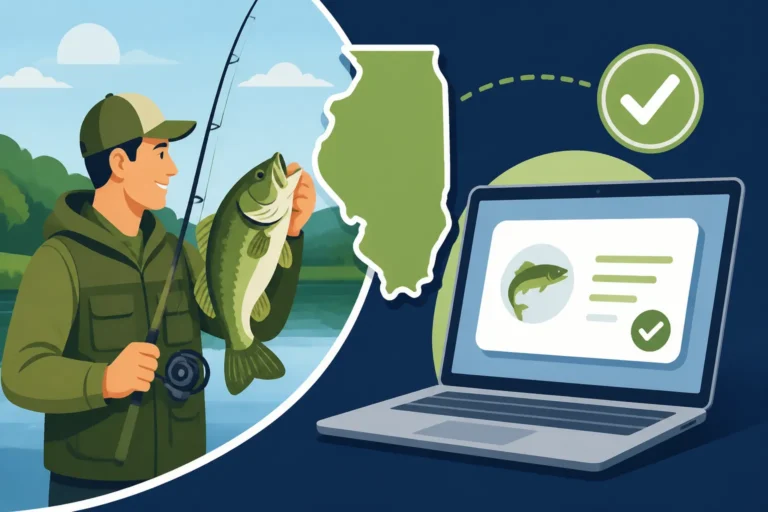
For most anglers, especially those traveling from out of state, purchasing your Illinois fishing license online is the easiest and most efficient method. The Illinois Department of Natural Resources (IDNR) website hosts a straightforward portal where you can buy licenses and stamps from the comfort of your home, or even on your phone right before you hit the water.
Here's how it generally works:
- Visit the IDNR Website: Navigate to the official Illinois hunting and fishing license sales portal.
- Select License Type: Choose "Non-Resident" and then select the specific license you need (Annual, 3-Day, 24-Hour) along with any necessary stamps (Inland Trout, Lake Michigan Salmon).
- Provide Information: You'll need to provide personal details, including your full name, address, date of birth, and usually a valid identification number (like your driver's license number from your home state).
- Payment: Payments are typically accepted via credit or debit card.
- Print or Save: Once purchased, you’ll receive a confirmation email with a printable PDF of your license. Many anglers prefer to save a digital copy on their smartphone, which is perfectly acceptable as proof of license in Illinois.
This online system is incredibly user-friendly and ensures you have your license in hand (or on your device) before you even arrive in Illinois. It's a convenient way to get an Illinois fishing license.
In-Person Retailers
If you prefer a more traditional approach or find yourself without internet access, Illinois also has a wide network of authorized vendors where you can purchase your fishing license and stamps. These locations are scattered throughout the state, often in places frequented by anglers.
Common places to buy your license in person include:
- Sporting Goods Stores: Major retailers like Cabela's, Bass Pro Shops, or even local independent shops often sell Illinois fishing licenses. These stores are usually well-versed in the requirements and can help guide you to the right purchase.
- Bait and Tackle Shops: The local bait shop is often the heart of the fishing community. They not only sell licenses but can also provide invaluable local knowledge about what's biting, where to go, and which bait to use. They're often treasure troves of information!
- Chain Retailers: Many Wal-Mart or K-Mart locations with a sporting goods counter are also authorized vendors.
- IDNR Offices: While less convenient for most, IDNR offices can also issue licenses.
When purchasing in person, remember to bring a valid form of identification, as the vendor will need it to process your license. While you can browse specific fishing guides on Amazon for gear ideas, for the actual license, stick to the official IDNR website or authorized physical retailers.
Comparing Costs for Different Trip Durations
Deciding which non-resident license to purchase often comes down to how long you plan to fish in Illinois and how frequently you'll visit. It’s not just about the cheapest upfront cost, but the best value for your specific angling habits. Let's break down a few scenarios to help you figure out the most economical choice. This can help answer Illinois license prices for a short visit versus a full season.
Weighing the Annual vs. Short-Term Options
The fundamental question for out-of-state anglers is whether to opt for the annual license or stick to the shorter-duration permits.
- Annual License ($45.50): This is the clear winner if you anticipate visiting Illinois multiple times within a 12-month period, or for a single trip that lasts more than 4-5 days. For example, if you make two separate 3-day trips, you'd spend $19.50 x 2 = $39.00 on two 3-day licenses. If you then decide to make a third trip, you'd quickly surpass the annual cost. The annual license provides maximum flexibility and peace of mind.
- 3-Day License ($19.50): This is ideal for single, focused trips of a few days. If you only come to Illinois once a year for a dedicated long weekend of fishing, this is likely your most cost-effective option. It's also great for short family vacations where fishing is just one activity among many.
- 24-Hour License ($10.50): This is strictly for brief, one-day excursions. If you're passing through or joining a friend for just a few hours, it's perfect. However, two 24-hour licenses ($21.00) already exceed the cost of a 3-day license, so plan carefully.
The break-even point between a 3-day license and an annual license is roughly three 3-day trips, or around four to five individual fishing days on separate occasions. If your projected fishing days in Illinois add up to more than that over the license year (April 1 to March 31), the annual license typically offers better value.
Scenario: A Long Weekend Trip
Let's imagine you're planning a Friday-through-Sunday fishing trip to Carlyle Lake, known for its fantastic catfish. You're coming from St. Louis, Missouri, and want to make sure you're legal on the water.
- Option 1: Two 24-Hour Licenses: You could buy a 24-hour license for Friday and another for Saturday, costing you $10.50 x 2 = $21.00. This doesn't cover Sunday, though.
- Option 2: One 3-Day License: A single 3-day license for $19.50 would cover you for Friday, Saturday, and Sunday. This is clearly the more economical choice.
In this common scenario, the 3-day non-resident fishing license is the clear winner. You save money and ensure coverage for your entire trip. This highlights why the 3-day option is so popular for visiting anglers. You can refer to What a Visiting Angler Pays for a Long Weekend of Illinois Fishing for similar examples.
Scenario: Multiple Visits Throughout the Year
Consider an angler living in Indianapolis, Indiana, who loves fishing for bass and crappie. They plan to visit Rend Lake in April for the crappie spawn, Lake Shelbyville in July for summer bass, and perhaps the Illinois River in October for fall walleye. That's three separate trips over the course of the license year.
- Buying three 3-day licenses: This would cost $19.50 x 3 = $58.50.
- Buying one annual non-resident license: This would cost $45.50.
In this case, the annual non-resident license is significantly cheaper and more convenient. You purchase it once, and you're covered for all your planned (and unplanned!) trips throughout the year. Plus, if you decide to squeeze in an extra trip or two, you won't incur additional license costs. This demonstrates the value of the annual pass for dedicated out-of-state anglers. Don't forget, if you plan to target trout or salmon, you'll need to add those stamps, which are an extra stamp fees on top of an Illinois fishing license. You might also want to pick up a detailed Illinois fishing map, perhaps even one found on Amazon, to help plan your multi-lake excursions.
Disclaimer
Please remember that fishing regulations and license costs can change. Always consult the official Illinois Department of Natural Resources (IDNR) website or their most current fishing guide before planning your trip to ensure you have the most up-to-date and accurate information. The prices mentioned in this article are based on recent figures but are subject to revision by the state.