Checking Site-Specific Rules Before Fishing an Illinois Lake
It’s a common scenario: you’ve got your fishing gear packed, the cooler loaded, and your fishing license is current, but as you pull up to a new lake or river access point, you’re suddenly confronted with a sign detailing a whole new set of rules you didn't even know existed. This can be incredibly frustrating and confusing, making you wonder if you’ve actually done enough homework. This guide is designed to cut through that confusion, helping you understand why site-specific fishing regulations are a reality in Illinois and, more importantly, how to confidently find and interpret them before you ever cast a line.
Understanding Why Fishing Rules Vary by Lake and River
One of the biggest head-scratchers for anglers, especially those just starting out or exploring new waters, is why the fishing regulations aren't just uniform across the entire state. You'd think a statewide fishing license would mean statewide rules, right? But the reality is far more complex, driven by the unique characteristics and ecological needs of each individual body of water. Illinois is home to an incredible diversity of lakes, rivers, and streams, each with its own fish populations, habitat, and angler pressure.
Ecological Balance and Fish Management Goals
Think of each lake or river as its own mini-ecosystem, a delicate balance of fish species, food sources, water quality, and habitat. The Illinois Department of Natural Resources (IDNR) biologists work tirelessly to maintain this balance and ensure healthy, sustainable fisheries for generations to come. This often means tailoring regulations to address specific issues or achieve particular goals in certain waters. For instance, a lake that struggles with an overabundance of stunted panfish might have more liberal daily limits for crappie or bluegill to encourage harvest, thus improving the overall size and health of the remaining population. Conversely, a lake known for producing trophy-sized largemouth bass might implement a slot limit, where anglers can only keep fish below or above a certain size range, protecting the prime breeding stock and larger, more desirable fish. This constant adjustment is a core part of effective fisheries management, aiming to provide quality fishing experiences while safeguarding the resource. It’s not about making things complicated; it’s about making them effective for that specific body of water.
Local Angler Pressure and Habitat Conditions
Beyond the purely biological factors, local angler pressure plays a huge role in shaping site-specific rules. A popular lake near a major metropolitan area, like those close to Chicago or Springfield, might see thousands of fishing trips annually. This intense pressure can quickly deplete fish stocks if not managed carefully. Therefore, these heavily trafficked waters often have stricter daily limits or more restrictive size limits to ensure fish populations can withstand the constant harvest. Imagine everyone keeping their limit of walleye every day from a small, easily accessible lake – it wouldn't take long for the population to crash. Similarly, the unique habitat conditions of a lake, whether it's a deep, clear quarry lake or a shallow, turbid flood control reservoir, influence which fish thrive and how they're managed. Some lakes might have abundant submerged timber creating excellent crappie habitat, leading to specific rules for that species, while others might be managed primarily for catfish, with rules to reflect that focus. Understanding that these variations are a tool for conservation, not just arbitrary rules, can help ease the frustration of deciphering them. It's truly a localized approach to ensure that your fishing trips remain productive for years to come.
Where to Find Site-Specific Fishing Rules
It’s easy to feel overwhelmed by the sheer volume of information, especially when you’re planning a trip to an unfamiliar lake. The good news is, the information is out there, and with a little proactive effort, you can quickly become an expert on the rules for your chosen fishing spot. The key is knowing where to look and making it a routine part of your pre-fishing prep. You wouldn't hit the road without checking a map, and you shouldn't hit the water without checking the rules.
The Official Illinois Department of Natural Resources (IDNR) Website
Your absolute best, most up-to-date resource for all Illinois fishing regulations, including those specific to individual lakes and rivers, is the official IDNR website. They publish an annual "Illinois Fishing Information Guide," which, while available in print, is also fully accessible online. This guide is a treasure trove of information. It starts with statewide regulations and then meticulously lists specific water bodies, detailing any exceptions to the general rules.
When you're looking for a particular lake, navigate to the fishing section of the IDNR site. You'll usually find a link to the current fishing guide. Don't just skim it; take the time to find your specific destination. Lakes are often listed alphabetically, and under each entry, you'll see details like:
- Size limits: A specific minimum length for a certain species.
- Daily harvest limits: How many fish of a particular species you can keep per day.
- Special seasons or protected areas: Sometimes certain coves or sections of a lake might be catch-and-release only during specific times of the year, or have special restrictions during spawning periods.
- Gear restrictions: Things like "electric motors only" or "no live bait fish" are common in smaller lakes.
It's a good habit to check this guide every year, as regulations can and do change. Even if you're a seasoned angler, a quick refresh before heading out can save you from a costly mistake or a disappointing encounter with a conservation police officer. This is especially true since the Illinois fishing license year starts on March 1, and new regulations might come into effect then. You can even find specific pages like the one detailing Illinois Fishing Information Guide Covers April 2026 Through March 2027 to ensure you're always looking at the most current version.
Physical Signs and Information Boards at Access Points
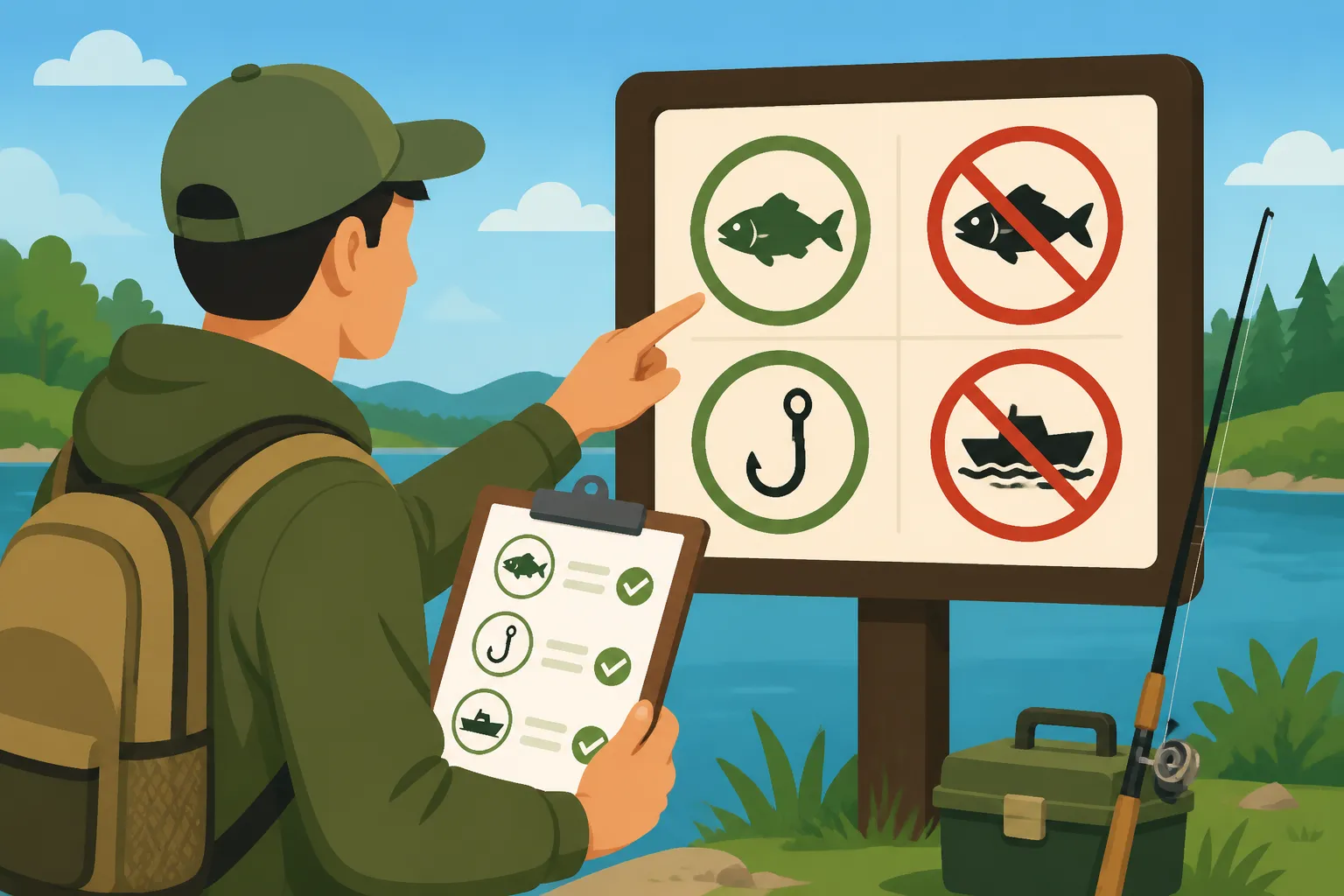
While the internet is fantastic for planning, always, always pay attention to the physical signs posted at boat ramps, piers, and other public access points. These signs are literally the last line of defense against breaking a rule you might have missed online. Park rangers, lake managers, or local authorities will often post laminated signs or permanent information boards detailing the specific regulations for that particular lake.
These signs serve as a vital reminder and can sometimes contain very localized, immediate updates that might not yet be fully reflected in the statewide online guide. For example, a sudden fish kill or a temporary closure for a stocking event might be communicated via a physical sign. I've personally seen signs at smaller community lakes dictating things like "No fishing from the spillway" or "Bass slot limit 14-18 inches, only one over 18 inches allowed." These are critical details that can change on a dime. Always take a moment to read them thoroughly before you launch your boat or set up your bank fishing spot. It's often where you'll find those hyper-local nuances that can make or break your compliance. If you're using a smartphone, it might even be helpful to snap a photo of the sign for quick reference throughout your day on the water.
Local Bait Shops and Angler Forums
Never underestimate the power of local knowledge! Bait shops are often hubs of information for anglers, and the folks working there are usually passionate, knowledgeable, and more than willing to share insights about the local waters. They often have the most up-to-date information on site-specific rules, recent stockings, and even what baits are currently working best. When I'm heading to a new spot, I always try to pop into a local bait shop – even if it’s just for a coffee or a few extra hooks – and strike up a conversation. They can be invaluable for clarifying any confusing regulations or pointing out nuances that aren't immediately obvious in the official guide.
Similarly, online angler forums dedicated to Illinois fishing can be a great resource. While you should always cross-reference information found on forums with official IDNR sources, they can provide context, discussions around rules, and tips on how to fish within them. Just remember, while these community resources are fantastic, they are not official, so always verify critical information through the IDNR. For example, if you’re planning a trip to Rend Lake, searching for a local bait shop near Sesser or Benton could give you crucial details on Rend Lake Fishing Guide for Illinois Anglers that you might not get elsewhere. Many anglers even find great deals on tackle, bait, and other fishing essentials through retailers like Amazon, making it easy to prepare for various regulations by having a diverse tackle box ready to go.
Navigating Common Site-Specific Differences
Once you know where to look for these rules, the next step is understanding what kinds of variations you're likely to encounter. It's not just about different numbers; sometimes it's about entirely different approaches to managing a specific fish species in a particular lake. These differences are designed to ensure sustainable populations and quality fishing experiences.
Varying Size and Daily Catch Limits
This is probably the most common difference you'll see. While there are statewide regulations, many lakes will have specific adjustments. Let’s take bass, for example. The statewide daily catch limit for largemouth bass is often six fish, with no minimum size limit in many waters. However, you'll find lakes like Clinton Lake or Kinkaid Lake that might have a 14-inch minimum length limit, or even a slot limit, where fish between, say, 14 and 18 inches must be immediately released, but you can keep one fish over 18 inches. These slot limits are implemented to protect the middle-sized fish that are crucial for spawning and population health, while still allowing anglers to keep smaller or true trophy-sized fish.
Walleye regulations are another excellent example. While the statewide minimum size limit for walleye is generally 14 inches with a six-fish daily limit, some popular walleye fisheries, such as Lake Shelbyville, might have even stricter rules, or perhaps specific periods where only catch-and-release is permitted. Checking the specific rules for Illinois Walleye Size and Catch Limits for your chosen body of water is paramount. For crappie, a 9-inch minimum length and 15-fish daily limit might be common statewide, but a lake known for huge crappie might have a 10-inch minimum or a reduced daily limit to protect those larger fish. Always cross-reference the statewide Illinois Fishing Regulations Overview with your specific lake's rules.
Here's a simplified example of how limits might vary:
| Species | Statewide General Rule | Example Lake X (Hypothetical) | Rationale at Lake X |
|---|---|---|---|
| Largemouth Bass | 6 fish daily, no min. size | 3 fish daily, 15-inch min. size | Protects spawning stock, encourages trophy size |
| Walleye | 6 fish daily, 14-inch min. size | 3 fish daily, 18-inch min. size | Focus on larger, mature fish for reproduction |
| Crappie | 15 fish daily, 9-inch min. size | 25 fish daily, no min. size | Manages overpopulation of stunted crappie |
| Channel Catfish | 20 fish daily, no min. size | 10 fish daily, 14-inch min. size | Boosts growth rate, reduces competition |
This table clearly illustrates why "statewide rules" are a starting point, not the end-all-be-all. Each lake has its own story, and its regulations are written to support that narrative.
Special Seasons, Gear Restrictions, and Designated Areas
Beyond size and daily limits, you might encounter other site-specific rules that are equally important.
- Catch-and-Release Only Periods or Areas: Some lakes or specific sections of rivers, particularly during known spawning periods, might be designated as catch-and-release only for certain species. This protects the fish when they are most vulnerable and concentrated. For instance, parts of a river might have a Catch-and-Release Only Periods on Some Waters for smallmouth bass in the spring.
- Gear Restrictions: Smaller, more sensitive lakes, especially those managed for specific species, might have restrictions on the type of gear you can use. This could include:
- Electric motors only: Common on smaller lakes to reduce noise pollution and protect against erosion from gas motor wakes.
- No live bait fish: To prevent the introduction of invasive species or diseases.
- Single-hook artificial lures only: To minimize harm to fish intended for release.
- Pole and line fishing only: Restricting methods like trotlines or jug fishing, which are permitted on some larger rivers.
- Designated Fishing Areas: Some parks or public access areas might restrict fishing to specific piers, shorelines, or zones. You might find "no fishing zones" around swimming beaches, boat docks, or environmentally sensitive areas. For example, a local pond might explicitly state "Fishing from pier only" or "No wading allowed."
These specific rules, while sometimes inconvenient, are put in place for very good reasons, whether it's for ecological protection, user safety, or maintaining the aesthetic quality of the area. Always double-check these nuances, as they can lead to immediate citations if ignored. Taking the time to understand these localized rules is key to a successful and stress-free fishing adventure.
Tips for Staying Compliant and Enjoying Your Trip
Nobody wants their fishing trip ruined by an unexpected ticket or the disappointment of having to release a fish they thought they could keep. Staying compliant with Illinois’s fishing regulations, both statewide and site-specific, is easier than you think if you adopt a few smart habits. It’s all about preparation and common sense.
Make Pre-Trip Research a Habit
The single best thing you can do is integrate rule-checking into your pre-trip routine. Before you even pack your bags, make a quick stop at the IDNR website. Treat it like checking the weather or charting your course. If you’re visiting a new lake, type its name into the search bar on the IDNR site or consult the "Illinois Fishing Information Guide." It takes mere minutes, but it can save you hours of confusion or potential trouble.
Consider printing out the specific rules for your chosen lake and keeping them in your tackle box or boat. Even better, many anglers today use their smartphones. There are apps that can help you find regulations, or you can simply save the relevant IDNR webpage to your phone for offline access. I’ve often used a waterproof phone case – you can find excellent options on Amazon – to keep my phone safe while having the regulations literally at my fingertips on the water. This way, if there's any doubt about a fish's size or the daily limit, a quick glance solves the mystery. This due diligence ensures you understand critical details like Illinois Fishing Season and Catch Limit Rules and other specific water body rules.
Don't Hesitate to Ask Locals and Staff
Once you arrive at your fishing destination, don't be shy! Strike up conversations with other anglers, bait shop owners, or park staff. These individuals are often a wealth of practical, real-time information. They can clarify confusing rules, point out newly posted signs, or even give you a heads-up on recent changes. Often, local anglers are happy to share their knowledge, especially if they see you’re genuinely trying to understand and respect the regulations.
For example, if you're at Carlyle Lake and unsure about a specific crappie limit, asking a seasoned local at the bait shop near the dam could give you insights you missed online. They might mention that during a certain period, the crappie are really stacked in specific coves and that the local warden is particularly vigilant about adherence to limits there. This local insight is gold! Remember, everyone wants to enjoy their time on the water, and cooperation helps ensure a good experience for all. Also, knowing what Penalties for Fishing Without a License in Illinois are can add extra motivation to always be prepared and confirm all your ducks are in a row.
Keep Your License and Documentation Accessible
Finally, make sure your Illinois fishing license is always with you and easily accessible. Whether it's a physical card in your wallet, a printout, or a digital copy on your phone, you need to be able to present it if requested by a conservation police officer. This also goes for any special stamps, like an Illinois Trout and Salmon Stamp Requirements if you're fishing for those species, or an Illinois Inland Trout Stamp Requirements.
You can easily How to Buy an Illinois Fishing License Online or renew it, so there's really no excuse for not having one. Most importantly, familiarize yourself with the general rules that apply across the state, such as when the Illinois Fishing License Year Starts on March 1, 2026. When you combine your statewide license knowledge with a solid understanding of any site-specific adjustments, you're set for a fun, legal, and rewarding fishing experience anywhere in Illinois.
Disclaimer
The information provided in this guide is intended for general informational purposes only and is not a substitute for the official regulations issued by the Illinois Department of Natural Resources (IDNR). Fishing regulations, including site-specific rules, can change. Always consult the most current official IDNR Fishing Information Guide and any posted signage at your specific fishing location before engaging in any fishing activities. Compliance with all applicable laws and regulations is the sole responsibility of the angler.