Statewide Rules Versus Lake-Specific Fishing Regulations
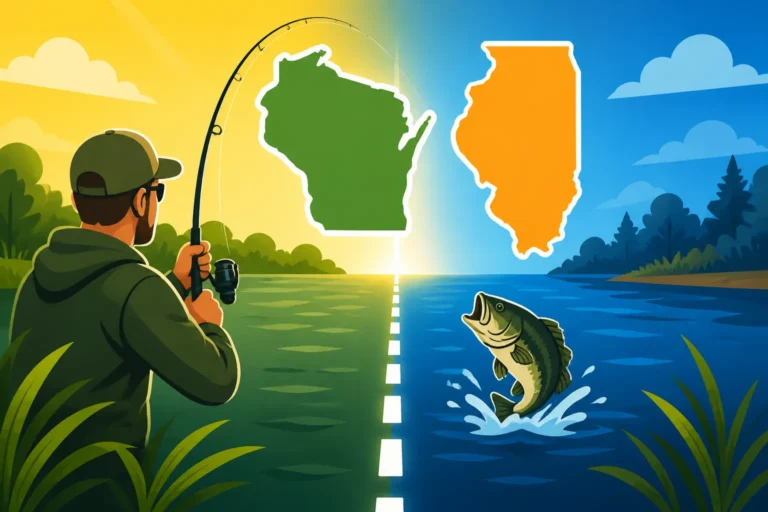
It can be incredibly frustrating to head out to your favorite Illinois fishing spot, confident you know the rules, only to arrive and see a sign detailing an entirely different set of regulations. The confusion between statewide fishing mandates and specific lake or river rules is a common headache for anglers across the state. This guide is here to untangle that web of regulations, helping you understand when the general rules apply and when you need to dig a little deeper for site-specific details.
The Foundation: Understanding Illinois' Statewide Fishing Regulations
Think of Illinois' statewide fishing regulations as the universal language of angling in our beautiful state. These are the baseline rules that every angler needs to know, no matter if you're casting a line in Lake Michigan or a tiny farm pond in Southern Illinois. They provide the fundamental framework, setting the stage for what’s broadly permissible.
The Illinois Fishing Information Guide: Your First Stop
Every year, the Illinois Department of Natural Resources (IDNR) publishes the Illinois Fishing Information Guide. This isn't just a suggestion; it's your go-to bible for understanding the general rules. This comprehensive guide covers everything from licensing requirements to basic species limits and acceptable gear. Seriously, before you even think about buying a new lure or planning a trip, you should make this guide your first point of reference. It’s accessible online and often available in print at bait shops and sporting goods stores, making it easy to consult. It establishes the initial playing field, so to speak, for what constitutes legal fishing throughout Illinois. Remember, the Illinois Fishing Information Guide Covers April 2026 Through March 2027, so always check for the current year's edition.
Common Statewide Rules and What They Cover
The statewide regulations lay out the broad strokes for fishing in Illinois. This includes the universal requirement that most individuals need an Illinois Fishing License Guide for 2026 to legally fish. There are specific guidelines for who needs a license, including different rules for residents and nonresidents, as well as exceptions for Illinois Fishing License Rules for Kids and Seniors. For example, children under 16 generally don't need a license, but it's always wise to verify current age limits in the guide.
Beyond licenses, statewide rules define what constitutes legal fishing methods, such as limiting the number of poles you can use or prohibiting certain types of nets or traps. They also often include general daily catch limits and minimum size restrictions for some of the most popular species, like bass, crappie, and catfish. These are the default settings; if a particular body of water doesn't explicitly state otherwise, these are the rules you're expected to follow. It’s the framework that ensures sustainable fishing practices across the state, preventing overharvesting in areas without specific management plans.
Diving Deeper: Why Lake-Specific Rules Exist
Now, here's where things get a bit more complex, but for very good reasons. While statewide regulations provide a necessary baseline, Illinois is incredibly diverse when it comes to its aquatic environments. From the vastness of Lake Michigan to the smaller, intensely managed inland reservoirs and meandering rivers, each body of water presents unique ecological characteristics and demands tailored management approaches.
Ecological Nuances and Management Goals
Imagine trying to manage a vibrant, deep-water fishery like Lake Shelbyville with the exact same rules as a shallow, heavily fished community pond. It just wouldn't make sense, right? This is precisely why lake-specific regulations are so crucial. The IDNR carefully studies individual lakes and rivers, looking at fish populations, water quality, habitat availability, and fishing pressure. They then implement localized rules designed to achieve specific goals:
- Protecting Spawning Fish: A lake might have a special catch-and-release period for bass during their spawn to ensure future generations.
- Enhancing Trophy Fisheries: Some lakes aim to produce larger fish, so they might have stricter size limits or slot limits that only allow anglers to keep fish within a certain size range, forcing larger fish to be released to grow even bigger.
- Controlling Invasive Species: In certain waters, specific rules might encourage the harvest of non-native species that threaten the local ecosystem.
- Balancing Pressure: Heavily fished lakes often have more restrictive bag limits to distribute the catch among more anglers and prevent rapid depletion.
This dynamic approach is vital for maintaining healthy and productive fisheries, ensuring that future generations can enjoy the same great fishing opportunities we have today. This is a primary reason Why Fishing Rules Vary by Lake and River.
Site-Specific Regulations in Action
So, what do these lake-specific rules actually look like? They can vary widely. For instance, while the Illinois Statewide Bass Daily Catch Limit of Six Fish might be the norm, you could visit a specific lake like Kinkaid Lake where the bass limit is reduced to three fish per day, with an 18-inch minimum length. Another lake might have a "slot limit" where bass between 14 and 18 inches must be released, but you can keep smaller or larger fish.
Walleye regulations are another common example. While the statewide rule often states an Illinois Walleye Minimum Size Limit of 14 Inches and a daily limit of six, a lake like Shabbona Lake might have a 16-inch minimum and a three-fish daily limit. Some waters even have a Trophy Walleye Exception on Some Illinois Waters allowing for one fish over a certain size to be kept, provided others meet the general rules.
You'll also encounter specific gear restrictions. Some lakes, particularly those with very sensitive ecosystems, might prohibit the use of live baitfish to prevent the introduction of undesirable species. Others might have "no motor" zones or even Catch-and-Release Only Periods on Some Waters for certain species, like during a particularly fragile spawning period. It’s imperative to be aware of these local nuances; Checking Site-Specific Rules Before Fishing an Illinois Lake is not just a suggestion, it's a necessity to avoid accidental violations.
Navigating the Regulations: How to Stay Compliant
Staying on the right side of Illinois fishing regulations doesn't have to feel like cracking a secret code. It just requires a little preparation and a commitment to checking the details before you hit the water. It’s far better to spend a few minutes verifying rules than to face a conservation police officer with an empty explanation.
Locating Site-Specific Information
The best way to find site-specific regulations is directly through the Illinois Department of Natural Resources (IDNR). Their official website is a treasure trove of information, usually with dedicated pages for major lakes and rivers that detail their unique rules. You can often search by waterbody name and pull up a PDF document or a web page with all the specifics.
Additionally, most state parks and major public access points will have signage posted at boat ramps and popular fishing areas. These signs usually summarize the key regulations for that specific body of water. Don't just glance at them; take a moment to read them thoroughly, even if you think you know the rules. Regulations can and do change, sometimes annually, sometimes due to a special management decision. A good habit is to check the IDNR website before every trip, especially if you haven't fished that specific water in a while.
Practical Tips for Anglers
To avoid any unwelcome surprises, here are a few practical tips:
- Carry the Guide: Always have a copy of the current Illinois Fishing Information Guide with you. Whether it's the physical booklet you picked up at the bait shop or the PDF saved on your smartphone, having it readily accessible is a lifesaver. You can even find convenient, waterproof versions or digital copies that make excellent references, sometimes available through retailers like Amazon.
- Know Your Target: Before you even cast your first line, be clear on what species you're targeting. Then, specifically look up the size and bag limits for those species at that particular body of water. Don't assume that because you can keep six bass at Lake A, you can do the same at Lake B.
- Ask the Locals: Bait shop owners, marina staff, and even fellow anglers (who seem knowledgeable!) are often excellent sources of information on current local regulations. They're usually happy to share their knowledge, but always cross-reference with the official guide if you're unsure.
- When in Doubt, Release: If you catch a fish and are genuinely unsure about its legality (size, species identification, etc.), the safest bet is always to release it gently. It's better to let one go than to risk a citation.
- Understand the Consequences: Fishing without a proper license or exceeding daily catch limits can lead to significant penalties. These aren't just minor slaps on the wrist; they can include fines, confiscation of gear, and even loss of fishing privileges. Know that Penalties for Fishing Without a License in Illinois or Penalties for Exceeding Your Daily Catch Limit are serious matters.
Common Species: Statewide Versus Lake-Specific Examples
Let's look at some of the most popular fish species in Illinois and illustrate how their regulations can differ between statewide rules and specific lake conditions. This comparison really drives home the importance of checking those local rules.
Largemouth Bass Rules
Across Illinois, Largemouth Bass are king, and they have some of the most varied regulations.
- Statewide Baseline: Generally, the Illinois Statewide Bass Daily Catch Limit of Six Fish applies, and there's often No Minimum Size for Largemouth Bass in Illinois Waters at the statewide level. This means if you're fishing a pond not specifically listed, these are your default rules.
- Lake-Specific Examples:
- Lake Springfield: You might encounter a 15-inch minimum length limit and a daily limit of three bass. This is a common strategy to allow bass to reach a larger size before they can be harvested, promoting a trophy fishery.
- Shabbona Lake: Known for its quality bass fishing, Shabbona often has a "slot limit," such as 15-18 inches, with anglers only allowed to keep one fish over 18 inches and perhaps 4 fish under 15 inches. This ensures a healthy population of larger, spawning fish.
- Some Rivers: Certain stretches of rivers or specific backwater areas might have Catch-and-Release Bass Seasons on Some Illinois Lakes during critical spawning times, protecting the population when they are most vulnerable.
These varying regulations mean that your tackle box might need to adapt. While a general-purpose bass rod and reel combo works, you might consider specialized gear like a high-quality fishing scale available on Amazon to ensure you're accurately measuring fish in accordance with specific lake rules.
Walleye and Catfish
Walleye and Catfish are also highly sought-after species, and their regulations can tell a similar story of local adaptation.
-
Walleye Statewide Baseline: The general rule usually includes an Illinois Walleye Minimum Size Limit of 14 Inches and a daily bag limit of six fish. This provides a balance for the overall population across many waters.
-
Walleye Lake-Specific Examples:
- Lake Shelbyville: This large reservoir might have a 16-inch minimum length and a reduced daily limit of three or four fish, aiming to improve the average size of walleye available to anglers. You might also find Illinois Walleye Six-Fish Daily Limit on Select Waters that still maintain the statewide rule but for specific purposes.
- Mississippi River: The Mississippi River in northern Illinois, known for its walleye and sauger fishery, often has specific length and bag limits that can differ from inland lakes, sometimes allowing for a combined bag of both species with varying minimum lengths.
-
Catfish Statewide Baseline: For Channel Catfish, the Illinois Channel Catfish Daily Limit of 20 Fish is a common statewide rule. For Flathead Catfish, it might be an Illinois Flathead Catfish Limit of 10 Fish Per Day. Generally, there aren't statewide size limits for catfish, though this can change.
-
Catfish Lake-Specific Examples:
- Rend Lake: While the statewide limits are common, some lakes might have special rules, perhaps encouraging the harvest of smaller channel catfish to manage their numbers or implementing a slot limit for trophy flatheads.
- Mississippi River Tributaries: Smaller rivers and streams feeding into the Mississippi might have their own specific regulations to protect localized populations, particularly for flathead catfish which grow very large and are highly prized.
Being prepared for these variations means having the right tools. A durable tape measure is invaluable for quickly checking lengths, and specialized catfish rigs for different water conditions are easily found on Amazon, ensuring you're ready for any local challenge.
Here's a quick comparison of hypothetical statewide vs. lake-specific rules for some popular species:
| Species | Statewide Rules | Hypothetical Lake-Specific Rule (Example) | Management Goal |
|---|---|---|---|
| Largemouth Bass | 6 fish/day, No minimum size | 3 fish/day, 15-inch minimum | Promote larger fish, reduce pressure |
| Walleye | 6 fish/day, 14-inch minimum | 3 fish/day, 16-inch minimum | Improve average size, conserve stock |
| Channel Catfish | 20 fish/day, No minimum size | 10 fish/day, No minimum size | Balance population in smaller waters |
| Crappie | 15 fish/day, No minimum size | 10 fish/day, 9-inch minimum | Enhance trophy crappie, reduce harvest |
This table clearly illustrates how easily the rules can shift from one body of water to another. Always, always check the specific regulations for the lake or river you plan to fish!
Disclaimer
The information provided in this guide is for general informational purposes only and is not legal advice. Fishing regulations in Illinois can change frequently. Always consult the most current official Illinois Fishing Information Guide published by the Illinois Department of Natural Resources (IDNR) or their official website before engaging in any fishing activities. Compliance with all state and local regulations is the sole responsibility of the angler.