Rend Lake Fishing Guide for Illinois Anglers
It's incredibly frustrating when you're planning a fishing trip, especially to a fantastic spot like Rend Lake, but can't find clear, practical advice on where to go, what to catch, and how to make the most of your time. This comprehensive guide aims to cut through the confusion, offering you an insider's look at Rend Lake, Illinois, ensuring your next angling adventure is successful and genuinely enjoyable.
An Overview of Rend Lake: Illinois's Fishing Gem
Rend Lake is a sprawling reservoir in southern Illinois, a true haven for anglers and outdoor enthusiasts alike. Created in the 1970s by the U.S. Army Corps of Engineers primarily for flood control and water supply, it quickly became one of the state's most popular fishing destinations. What makes Rend Lake so special isn't just its sheer size – it covers over 18,900 acres with an additional 3,300 acres of sub-impoundments – but its diverse fisheries and incredible access. From wide-open main lake areas to protected coves and shallow timber, Rend Lake offers a variety of habitats that support a thriving ecosystem of game fish.
Many anglers initially feel overwhelmed by the vastness of Rend Lake, wondering where to even begin. Its 162 miles of shoreline can be daunting, but with a little guidance, you'll discover that this lake is incredibly angler-friendly. The lake's structure, including flooded timber, brush piles, riprap, and numerous creek channels, creates prime real estate for fish, making it a productive spot year-round. It's truly a multi-species lake, meaning you're not just limited to one type of fish, which adds to the excitement and challenge of fishing here.
Understanding Rend Lake's Unique Characteristics
Rend Lake is somewhat unique among Illinois's larger reservoirs due to its relatively shallow average depth and the extensive amount of flooded timber and brush that remains in its waters. While other major lakes like Carlyle or Shelbyville might have deeper channels or more rock formations, Rend Lake’s character is defined by its vast shallow flats and the standing timber that often extends far from shore. This creates a labyrinth of cover that offers excellent habitat for panfish, bass, and catfish, but can also be tricky for navigation, especially for those unfamiliar with the area. Always keep an eye on your depth finder and charts, as stumps and shallow areas can appear unexpectedly.
Another defining characteristic is the presence of several major feeder creeks, including the Big Muddy River and Casey Fork, which significantly influence water levels and clarity, particularly after heavy rains. These inflowing waters can create nutrient-rich plumes that attract baitfish and, subsequently, larger game fish. The lake is managed to maintain healthy fish populations, and its extensive system of riprap along the dam and causeways also provides excellent fishing opportunities, especially for crappie and white bass. Knowing these local nuances can give you a real edge when planning your approach.
Key Fish Species You'll Encounter
Rend Lake is renowned for its diverse fishery, boasting impressive populations of several popular game fish. When you cast your line here, you're likely to connect with something exciting. The lake is particularly famous for its crappie, bluegill, and catfish, but it also offers excellent opportunities for largemouth bass and white bass. Each species has its preferred habitats and seasonal patterns, making Rend Lake a dynamic fishing destination that keeps you on your toes.
Many anglers are drawn to Rend Lake specifically for the chance to fill a cooler with panfish, but don't underestimate the potential for trophy-sized specimens of other species. The Illinois Department of Natural Resources (IDNR) regularly stocks certain species and monitors the health of the fishery, ensuring that Rend Lake remains a premier angling spot. If you're looking for an honest assessment of what's biting, a quick chat with local bait shops or a guide found through a service like FishingBooker can provide invaluable real-time insights.
Rend Lake's Crappie Hotspots and Techniques
Crappie fishing at Rend Lake is legendary, often touted as some of the best in Illinois. Anglers flock to these waters, especially in spring, hoping to cash in on the abundant populations of both black and white crappie. The lake's vast expanses of flooded timber, brush piles, and shallow bays create ideal spawning and feeding grounds for these popular panfish. It's a place where even a novice can have a fantastic day, but seasoned crappie anglers can truly excel by understanding the lake's seasonal patterns and fish behavior.
The sheer volume of crappie in Rend Lake makes it a consistent producer, but finding the truly large slabs requires a bit more finesse and local knowledge. You'll often hear stories of coolers full of crappie, and while those days are still possible, targeting the bigger fish often means exploring less pressured spots or trying different presentations. The challenge and reward of figuring out the crappie bite on Rend Lake is a huge part of its appeal for many anglers.
Where to Catch Crappie at Rend Lake
When it comes to pinpointing crappie, the key areas on Rend Lake are usually centered around structure. The numerous submerged brush piles and standing timber are magnets for crappie, especially during the pre-spawn and spawn periods. In the spring, when water temperatures start to rise into the 50s and 60s Fahrenheit, crappie move into shallower waters to spawn. Prime locations include bays like the Gun Creek area, Marcum Branch, and the flooded timber in the Nason Point and Wayne Fitzgerrell State Park sections. Look for areas with a mix of shallow water and submerged cover. Many anglers find success by slowly trolling jigs or minnows through these timbered areas, or by casting small jigs around visible cover. For more specific details on seasonal movements, checking out an article like Best Time to Catch Crappie at Rend Lake Illinois can be incredibly helpful.
As the weather warms up in summer, crappie tend to move to deeper brush piles and submerged creek channels. Focus on main lake points and humps that drop off into deeper water, usually around 10-20 feet. Using your electronics to locate these underwater structures is crucial. In the fall, crappie once again become more active, feeding heavily in preparation for winter. They often concentrate in predictable patterns in areas where baitfish are abundant, often around bridge pilings, riprap, and along the edges of creek channels. Even in winter, dedicated anglers can find crappie in deep channels and holes, often suspending over structure. Regardless of the season, if you're targeting crappie, having a solid understanding of Illinois Crappie Spawn Season Guide will greatly improve your chances.
Effective Crappie Fishing Techniques
For Rend Lake crappie, versatility in techniques is your friend. One of the most common and effective methods is jigging. Small jig heads (1/16 to 1/8 ounce) tipped with soft plastic bodies, such as Bobby Garland's Baby Shad or similar grub tails, are incredibly popular. Colors like chartreuse, pink, and white are often top producers, especially in slightly stained water. Vertical jigging directly over submerged brush piles that you've located on your fish finder is a deadly approach, particularly in deeper water. Many anglers will also 'spider rig,' which involves fishing multiple rods out of the front or back of the boat, often with different baits and depths, to cover more water and find the fish's preferred presentation.
Another highly effective technique, especially during the spring spawn, is to fish with live minnows under a slip bobber. This allows you to present the bait at a precise depth near submerged cover without constantly snagging. Casting small crankbaits or Road Runner jigs can also entice aggressive crappie, particularly if they are scattered or actively chasing bait. Don't be afraid to experiment with retrieve speeds and lure sizes. Shore anglers can also have great success by targeting areas with accessible riprap or brush, using simple bobber and minnow rigs. No matter your method, patience and attention to detail, like subtle bites, are key to a successful crappie outing on Rend Lake.
Targeting Rend Lake's Renowned Bluegill
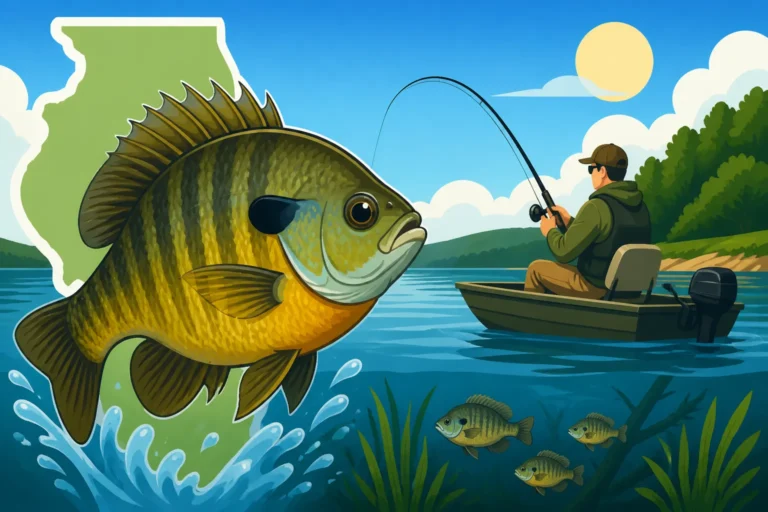
Rend Lake isn't just a crappie paradise; it's also home to some truly impressive bluegill, including some genuine trophy-sized specimens. Many anglers overlook bluegill in favor of their larger cousins, but a day spent chasing these feisty panfish can be incredibly rewarding, especially if you're fishing with kids or simply enjoy a consistent bend in your rod. The lake's abundant cover and nutrient-rich waters contribute to the health and size of its bluegill population, making it a prime destination for panfish enthusiasts.
What makes Rend Lake bluegill stand out is not just their numbers, but the potential to catch fish that truly earn the "plate-sized" moniker. These aren't your average pond bluegill; they often grow to substantial sizes, offering a much more spirited fight than you might expect. The excitement of feeling that strong pull on an ultralight rod is something that keeps many anglers coming back to Rend Lake specifically for its bluegill.
Rend Lake's Best Spots for Trophy Bluegill
If you're after those bigger bluegill, you'll want to focus on areas with ample weed beds, submerged timber, and brush. During the late spring and early summer, bluegill gather in dense concentrations to spawn in shallow, protected coves and backwater areas. Look for dark spots on the bottom or circular beds in water just a few feet deep. The numerous sub-impoundments, like the impoundment near the Rend Lake Visitor Center, can be fantastic for bluegill, offering calm, shallow waters with plenty of vegetation. Areas around Gun Creek and the edges of the Wayne Fitzgerrell State Park are also known producers. For anglers specifically seeking the giants, an article like Rend Lake's Best Spots for Trophy Bluegill Over a Pound offers specialized insights.
Beyond the spawn, bluegill will retreat to slightly deeper cover, but still relate heavily to structure. Docks, fallen trees, brush piles, and even submerged culverts can hold schools of bluegill throughout the summer and into the fall. The riprap areas along the dam and causeways also attract bluegill, as they feed on aquatic insects and small organisms that live among the rocks. Using a fish finder to locate schools of baitfish or subtle underwater structures in these areas can lead you directly to a bluegill hotspot. Don't shy away from exploring the less-pressured areas of the lake, as these often hold the biggest and most cooperative fish.
Simple and Effective Bluegill Techniques
Bluegill are typically not picky eaters, making them an excellent target for anglers of all skill levels, including beginners and children. The most classic and often still the most effective method involves a simple slip bobber rig with a small hook. Baiting with live bait such as wax worms, red worms, crickets, or even small pieces of nightcrawler is almost guaranteed to get bites. Adjust your bobber depth until you start getting consistent action, usually just above the weed line or submerged cover. These methods are perfect for Bluegill Fishing Techniques for Kids.
For a more active approach, small artificial lures can be incredibly productive. Tiny jigs (1/32 to 1/64 ounce) tipped with miniature soft plastic grubs, tubes, or crappie nibblers work wonders. Fly fishing with small poppers, flies, or nymphs can also be an exciting way to target larger bluegill, especially during their spawning season when they are aggressively defending their beds. Even a simple beetle spin or a tiny spinnerbait can trigger strikes from aggressive bluegill. Regardless of the bait, presentation is key: a slow, steady retrieve or a gentle jigging motion is often all it takes to entice these willing biters.
Catfish Opportunities at Rend Lake
Rend Lake isn't just about panfish; it's also one of Illinois's top destinations for catfish. Whether you're after channel cats, the robust blue catfish, or the elusive flathead, Rend Lake offers consistent action for whiskered warriors. The lake's extensive network of creek channels, humps, and abundant forage creates an ideal environment for these hard-fighting fish. Many anglers find the thrill of battling a big catfish to be the highlight of their Rend Lake experience, and the lake rarely disappoints.
What makes Rend Lake special for catfish is the sheer variety and size potential. While channel cats are the most common, the lake also boasts a healthy population of blue catfish that can grow to impressive sizes, offering a real challenge on the line. Flatheads are more elusive but present for those who know how to target them. The lake's connection to the Big Muddy River system further enhances its catfish potential, providing a constant influx of fish and rich habitat.
Top Catfish Locations and Tactics
For channel catfish, some of the best spots on Rend Lake are along the riprap of the dam and causeways, especially after a good rain or during periods of increased current. These areas concentrate baitfish and provide excellent feeding opportunities. Also, look for channel catfish in the mouths of major creeks, along the edges of submerged timber, and in deeper holes within creek channels. The Casey Fork and Big Muddy River arms are particularly productive. For a detailed comparison of this lake's catfish potential, refer to Rend Lake Catfish Spots Worth the Drive From Chicago.
Blue catfish tend to favor deeper water and current, so focus your efforts on the main lake channels, especially near the dam or where significant tributaries enter the main body of water. They often suspend near schools of baitfish, so using your electronics to locate both bait and larger fish arches can be highly effective. Flathead catfish are more solitary and prefer areas with heavy cover, like large submerged logs, rock piles, and undercut banks along the main river channels within the lake. Targeting them often means fishing closer to these structures, often with live bait. These bigger cats, especially flatheads, demand heavier tackle, so make sure you're geared up appropriately if you plan to tangle with them.
Best Baits and Rigs for Rend Lake Catfish
When it comes to bait, catfish on Rend Lake are usually quite cooperative. For channel catfish, classic stink baits, punch baits, cut bait (such as shad or skipjack), and even chicken livers are highly effective. Using a simple bottom rig, such as a Carolina rig with an egg sinker or a three-way swivel rig, allows your bait to sit directly on the bottom where catfish typically feed. Fishing these rigs near structure or in areas with current is often the ticket.
For blue catfish, fresh cut bait is king. Shad, carp, or even panfish cut into chunks are excellent choices. They respond well to larger baits presented on sturdy circle hooks to ensure a solid hook set. Fishing these baits on heavy-duty bottom rigs, often with larger weights to hold them in place in current, is standard practice. Flathead catfish, on the other hand, almost exclusively prefer live bait. Small sunfish, bluegill, or shad are top choices, presented on a heavy-duty circle hook near submerged timber or log jams. Regardless of the species, remember that catfish have an incredible sense of smell, so fresh, potent baits are always best. Check out Catfish Species in Illinois: The Complete Guide for more in-depth information on what makes each species tick.
Largemouth Bass Fishing at Rend Lake
While Rend Lake is often celebrated for its panfish and catfish, it also offers compelling opportunities for largemouth bass anglers. The lake's extensive cover, including vast areas of flooded timber, stump fields, and shoreline vegetation, creates excellent habitat for bass. While it might not always produce the sheer numbers of some dedicated bass lakes, Rend Lake certainly holds its share of quality largemouth, and those who learn its nuances can have extremely rewarding days on the water.
Fishing for largemouth bass on Rend Lake can be a bit of a challenge, as the fish are often spread out across the expansive cover. This means that a methodical approach and a willingness to explore different types of structure are crucial for consistent success. However, the reward of hooking into a chunky Rend Lake largemouth, especially when it explodes from heavy cover, is an experience that keeps bass anglers coming back. It’s definitely a lake where local knowledge or hiring a guide can give you a significant advantage.
Prime Bass Structure and Seasonal Movements
Largemouth bass on Rend Lake relate heavily to cover, regardless of the season. In spring, as water temperatures rise, bass move into shallower coves and flats, especially those with flooded timber, brush, or emergent vegetation, preparing for the spawn. Areas in the Casey Fork and Big Muddy River arms, as well as protected bays around Wayne Fitzgerrell State Park, become prime real estate. Look for visible wood or isolated clumps of grass in 2-6 feet of water. An article focused on Illinois Bass Pre-Spawn Timing at Rend Lake will provide valuable insights into this crucial period.
As summer progresses and water temperatures soar, bass often retreat to deeper, cooler waters, but they will still hold tight to structure. Submerged roadbeds, creek channel drop-offs, deep brush piles, and the shaded edges of standing timber become key areas. During these hotter months, fishing early morning, late evening, or even at night can be particularly effective. In the fall, bass become highly active again, aggressively feeding to build up reserves for winter. They will often be found chasing baitfish in shallower areas, around points, and along the edges of timber lines. Even in winter, deep timber and channel swings can hold bass, though they become less active.
Effective Bass Lures and Techniques
Rend Lake's bass often respond well to a variety of presentations, but those that mimic baitfish or crawfish are usually top producers. For fishing around the abundant flooded timber and brush, Texas-rigged soft plastics, such as worms, creature baits, or flukes, are excellent choices. Their weedless design allows them to be worked through heavy cover with minimal snagging. Flipping and pitching jigs with plastic trailers into dense cover is also a highly effective technique, especially for targeting larger, more elusive bass.
Topwater lures like buzzbaits, poppers, or frogs can be explosive during low light conditions in spring, summer, and fall, especially over matted vegetation or along timber edges. Crankbaits, particularly medium-diving models, can be effective when worked along channel edges or over submerged humps. Spinnerbaits and chatterbaits also shine when bass are actively chasing baitfish, especially around the edges of cover. Don't forget a trusty squarebill crankbait for bumping off shallow wood. Experimenting with colors and retrieve speeds based on water clarity and the mood of the fish is always a good strategy on Rend Lake. For a broader understanding of bass behavior, you might find Largemouth Bass Fishing in Illinois: The Complete Guide a useful resource.
Getting on the Water: Access and Boat Ramps
One of the great advantages of fishing Rend Lake is the excellent public access. The lake is well-equipped with numerous boat ramps, marinas, and shore fishing areas, making it easy for anglers of all types to get out and enjoy the water. Whether you're launching a bass boat, a pontoon, a kayak, or just planning to fish from the bank, Rend Lake provides ample opportunities to access its productive waters. Understanding where these access points are and what amenities they offer can greatly enhance your fishing trip.
The sheer number of access points means that even on busy weekends, you can usually find a spot to launch without too much hassle, especially if you arrive early. Many of these ramps are maintained by the U.S. Army Corps of Engineers or Wayne Fitzgerrell State Park, ensuring good quality and accessibility. For those looking to hire a guide or find a charter service, platforms like FishingBooker can help you connect with experienced local captains who know the lake inside and out.
Rend Lake Boat Ramps and Marinas
Rend Lake boasts several excellent boat ramps strategically located around its expansive shoreline. Some of the most popular and well-maintained ramps include:
- Dam West Boat Ramp: Located near the dam, this ramp offers easy access to the main lake body and areas along the riprap. It's a busy spot but provides quick access to deeper water.
- North Marcum Boat Ramp: Situated in the northern section of the lake, this ramp provides access to the Marcum Branch and surrounding timbered areas, which are fantastic for crappie and bass. It's often less crowded than the main dam ramps.
- Gun Creek Boat Ramp: Found on the western side, Gun Creek offers access to numerous coves and flooded timber, making it a favorite for panfish anglers.
- Wayne Fitzgerrell State Park Boat Ramps: The state park itself offers multiple ramps, including one near the Sailboat Harbor. These ramps provide access to varied habitats and are generally well-maintained.
- Casey Fork Boat Ramp: Located further up the Casey Fork arm, this ramp provides access to extensive timber and creek channels, which can be fantastic for both bass and catfish.
It's always a good idea to check local conditions before heading out, as water levels can affect ramp accessibility, especially during periods of drought or heavy rain. For a broader guide to launching your vessel, take a look at Best Boat Ramps for Fishing in Illinois.
Shore Fishing Access Around Rend Lake
For those who prefer to keep their feet on solid ground, Rend Lake offers numerous shore fishing opportunities. You don't always need a boat to have a successful and enjoyable day. The riprap along the main dam and causeways (like the one crossing the lake on IL Route 154) provides excellent access for casting, and these areas are known to hold crappie, white bass, and catfish. Just be mindful of traffic if you're fishing close to the road.
Wayne Fitzgerrell State Park is another fantastic resource for shore anglers, with designated fishing piers and accessible bank fishing spots. The park features many areas where you can comfortably cast a line without needing to bushwhack through dense brush. Additionally, many of the smaller coves and backwater areas around the lake can be accessed on foot, offering quieter, more secluded spots. Always be sure to respect private property boundaries and adhere to all local regulations, including those for Illinois Fishing Regulations Overview. Remember, a good pair of walking shoes and a small tackle bag are often all you need for a productive day of shore fishing at Rend Lake.
Essential Gear and Local Regulations
Before you hit the water at Rend Lake, or any Illinois fishing spot, it’s crucial to make sure you have the right gear and, more importantly, are compliant with all state regulations. Fishing licenses, species-specific limits, and general boating safety are all non-negotiable aspects of responsible angling. Being prepared not only keeps you on the right side of the law but also ensures a safer and more enjoyable experience for everyone on the water.
Navigating the rules and selecting the appropriate equipment can sometimes feel like a daunting task, especially for newcomers. But rest assured, a little planning goes a long way. Having the right tools for the job, from your rod and reel to your safety equipment, means you can focus on the thrill of the catch rather than worrying about what you might have forgotten or misunderstood.
Required Licenses and Stamps
First and foremost, if you're 16 years of age or older, you must possess a valid Illinois fishing license to fish at Rend Lake. There are different types of licenses available, including annual resident, non-resident, and short-term options. For example, an Illinois Resident Annual Fishing License Cost provides fishing privileges for a full license year. Children under 16 and Illinois residents who are disabled or 65 and older may have special exemptions or discounted rates, so it’s always worth checking the latest regulations. For comprehensive details, be sure to consult an article like Illinois Fishing License Guide for 2026.
Beyond the general fishing license, some species may require additional stamps. While Rend Lake is not typically known for salmon or trout that would require specific stamps like the Illinois Trout and Salmon Stamp Requirements, it’s vital to be aware of all possibilities, especially if you plan to visit other Illinois waters. It's easy to purchase your license online through the IDNR website, at many sporting goods stores, or at local bait shops around Rend Lake. Always carry proof of your license while fishing, either a physical copy or a digital version on your phone.
Recommended Gear for Rend Lake
Given Rend Lake's diverse fishery, having a versatile tackle setup is beneficial. For panfish (crappie and bluegill), ultralight to light spinning rods (5-7 feet) paired with small reels spooled with 4-6 pound test monofilament or fluorocarbon line are ideal. This setup allows for delicate presentations and maximizes the fight of smaller fish.
For bass, medium to medium-heavy spinning or baitcasting rods (6'6" to 7'6") with 10-20 pound test line are suitable for working plastics, jigs, and crankbaits through cover. Catfishing on Rend Lake often requires heavier gear, especially if you're targeting big blues or flatheads. Medium-heavy to heavy action rods (7-9 feet) with sturdy baitcasting reels spooled with 20-50 pound test monofilament or braided line are recommended to handle powerful runs and pull fish out of snags. Always ensure your hooks are sharp, and carry a variety of weights, bobbers, and lures to adapt to changing conditions. You might also consider reading Best Fishing Boat for Rend Lake Illinois if you are thinking about boat types.
Disclaimer
The information provided in this Rend Lake fishing guide is for general informational purposes only and is subject to change. Fishing regulations, conditions, and fish populations can vary. Always consult the latest Illinois Department of Natural Resources (IDNR) fishing guide and local advisories before heading out on the water. It is your responsibility to understand and comply with all applicable laws and regulations.