Rend Lake Catfish Spots Worth the Drive From Chicago
For many Chicago anglers, the constant search for truly impressive catfish can feel like an uphill battle. You’re often left with smaller catches in pressured urban waterways, dreaming of sprawling lakes where whiskered giants lurk. This guide is your answer, laying out exactly why Rend Lake, a true catfish paradise in Southern Illinois, is well worth the scenic drive from the city, and precisely where you can hook into some serious action.
Why Rend Lake is a Catfish Haven for Chicago Anglers
Let's face it, finding a genuine trophy catfish within a short drive of Chicago can be a real challenge. Our local waters, while beloved, often see intense fishing pressure that makes landing truly big cats a rare event. That's where Rend Lake steps in, offering a completely different fishing experience that makes the journey south an absolute must for any serious catfish enthusiast. It's a vast reservoir, spanning over 18,900 acres, offering a diverse range of habitats that allow catfish to thrive and grow to impressive sizes. The sheer scale of the lake means there's always new water to explore and less pressure on any single spot, increasing your odds of a memorable catch.
The Allure of Southern Illinois Fishing
Southern Illinois, with its larger impoundments like Rend Lake, offers a stark contrast to the smaller, often shallower ponds and rivers closer to Chicagoland. Rend Lake boasts a healthy forage base, including gizzard shad, emerald shiners, and various panfish, which provides an abundant food source for growing catfish. This rich food supply, combined with ample structure both natural and man-made, creates an ideal environment for Channel, Blue, and Flathead catfish to bulk up. The lake’s average depth is around 10 feet, but it features numerous deeper channels, old creek beds, and submerged timber that create perfect holding areas for big fish. Anglers often report catching Channel Cats in the 5-10 pound range and even larger Blues and Flatheads, which is a far cry from the typical smaller specimens found closer to the city.
Primary Catfish Species in Rend Lake
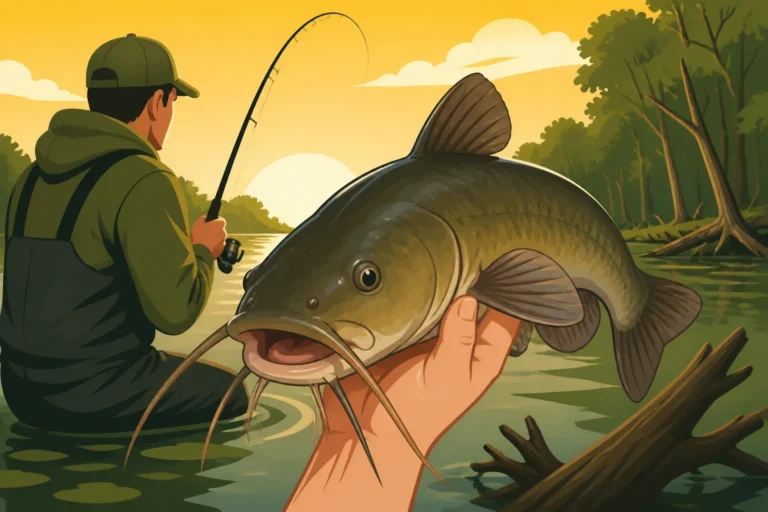
Rend Lake is home to a robust population of all three major catfish species: Channel, Blue, and Flathead. Each offers a unique challenge and can be targeted with specific techniques.
- Channel Catfish: These are the most common and often the easiest to catch, found throughout the lake in various habitats. They are known for their voracious appetite and aggressive strikes, making them a fantastic target for anglers of all skill levels. While they don't reach the gargantuan sizes of Blue or Flathead cats, Rend Lake regularly produces Channels weighing between 5 and 15 pounds, with some even pushing into the 20s. They're excellent table fare and provide a thrilling fight on appropriate tackle. You'll find them in shallower bays, along riprap, and in creek channels.
- Blue Catfish: These are the heavyweights of Rend Lake, capable of reaching truly immense sizes. While not as abundant as Channel Cats, Blues are present in significant numbers and offer the best chance at a true trophy catch. They prefer deeper, open water areas, especially around main lake channels and humps. Landing a Blue Catfish often means a prolonged, powerful battle that will test your gear and your stamina. They are powerful swimmers and will make long runs, so be prepared!
- Flathead Catfish: The ambush predators of the catfish family, Flatheads prefer heavy cover like submerged timber, rock piles, and old stump fields. They are solitary and territorial, often holding in the same spots for extended periods. Flatheads are highly sought after for their incredible fighting power and their preference for live bait. Catching a large Flathead from Rend Lake is a testament to an angler's skill and patience. These fish can weigh upwards of 50 pounds, making them an exciting, hard-earned reward for those willing to put in the effort.
Top Catfish Hotspots on Rend Lake
Rend Lake is a big place, and knowing where to focus your efforts can make all the difference, especially after a long drive from Chicago. While catfish can be found almost anywhere in the lake, certain areas consistently produce better results due to their unique structure, depth, and forage availability.
The Dam and Spillway Area
The area around the Rend Lake Dam, particularly the riprap along the dam face and the outflow below the spillway (when water is being released), is a perennial hotspot for all three catfish species. The moving water from the spillway oxygenates the water and disorients baitfish, making it an easy feeding ground for opportunistic catfish. The rocky riprap also provides cover and holds invertebrates, drawing in smaller fish that, in turn, attract the bigger cats.
- Tactics: For Channel and Blue cats, focus on fishing cut bait (shad or carp are excellent) or large chunks of shrimp on the bottom, especially near the current seams and eddies just below the spillway or along the riprap. A Santee Cooper rig or a simple Carolina rig with a heavy sinker to hold bottom in the current works well. For Flatheads, try fishing live bait, like a bluegill or shad, near any heavy current breaks or submerged structure along the dam face. If you're fishing from the bank, casting near the riprap where it drops off into deeper water can be incredibly effective. Always check local signs for specific regulations concerning fishing directly on or below the dam structure.
- Considerations: This area can be popular, especially during peak season, so be prepared for company. Strong currents can also be a factor, requiring heavier tackle to keep your bait in place. It’s also wise to wear appropriate footwear for rocky terrain if fishing from shore.
Nason Point and Nearby Structure
Nason Point, located on the western side of the lake, is a prominent feature that extends into the main body of water, offering a variety of depth changes and submerged structure. This area is known for underwater humps, old roadbeds, and remnants of timber, all of which are magnets for catfish. The deeper water around the point and its adjacent structures provides ideal ambush points and holding areas, particularly for larger Blue and Flathead catfish.
- Tactics: Drift fishing across the humps and along the old roadbeds with cut bait or live bait can be very productive for both Blue and Channel cats. Use your fish finder to locate schools of baitfish or prominent drops-offs, as catfish will often be found nearby. For Flatheads, target the most significant pieces of submerged timber or rock piles with a live bluegill or shad, making sure your bait is right on the structure. A powerful bottom fishing rig with a strong leader is essential here, as these fish will try to bury you in the cover.
- Navigation: Pay close attention to your depth finder in this area, as there are sudden changes in depth and plenty of submerged hazards. This is an excellent spot to launch your boat, and you might even consider booking a trip through a service like FishingBooker to learn the ins and outs from a local guide who knows these structures intimately.
North End Flats and Creek Channels
The northern reaches of Rend Lake are generally shallower, characterized by expansive flats and numerous winding creek channels that feed into the main lake. These areas are incredibly productive, especially during warmer months, as the shallower water warms up faster, stimulating baitfish activity and attracting hungry Channel and Blue catfish. The creek channels provide migration routes and deeper holding areas within the flats.
- Tactics: For Channel catfish, anchor your boat near the mouth of a creek channel or along the edges of the flats, casting prepared stink baits, chicken liver, or cut bait. The shallower water here means less current, so a lighter sinker can often suffice. During the summer, try targeting deeper holes within the creek channels with cut bait for both Channel and smaller Blue cats. Drift fishing the flats with a controlled pace can also cover a lot of water and help you locate active fish. Don't be afraid to experiment with different depths; sometimes the biggest cats are cruising in surprisingly shallow water, especially at dawn or dusk.
- Water Conditions: These areas can get muddy after heavy rains, which often turns the catfish bite on. The increased turbidity gives catfish a sense of security and makes it harder for their prey to see them coming. However, extremely low water levels can also make navigating the shallower flats tricky, so check conditions before you head out.
South Marcum Area and Submerged Timber
The South Marcum area, located on the southern end of Rend Lake, is another excellent spot, particularly for anglers targeting Flathead catfish due to its abundance of submerged timber and brush piles. These woody structures provide perfect ambush cover for Flatheads, and also attract crappie and bluegill, which serve as excellent live bait. The area also features deeper water access near the main lake channel, making it a diverse fishing ground.
- Tactics: This is prime territory for focusing on specific pieces of structure. Use your electronics to pinpoint isolated brush piles or fallen trees. Rig a live bluegill or shad on a heavy-duty ledger rig, positioning it right next to the cover. Be prepared for an immediate and violent strike! A stout rod and a strong braided line are critical here, as you'll need to turn the fish away from the snags quickly. For Channel and Blue cats, the transition areas where the timber gives way to open water, or along the deeper channels, are good places to try cut bait.
- Access: South Marcum offers good boat ramp access, making it convenient for launching. Many anglers will head out from here specifically looking to target the Flatheads that call this labyrinth of timber home. If you're new to the area, consider asking a local bait shop for current conditions and known timber locations.
Essential Catfish Techniques and Bait for Rend Lake
Catching catfish at Rend Lake, especially those impressive ones worth the journey from Chicago, isn't just about finding the right spot; it's also about employing the right techniques and bait. These whiskered beauties have preferences, and understanding them will significantly boost your success.
Proven Rigs and Presentation
When it comes to catfish, you generally want your bait on the bottom, or very close to it. The right rig ensures your bait stays where the fish are and presents it naturally.
- Bottom-Fishing Rigs: The most common and often most effective method for Rend Lake catfish.
- Carolina Rig (or Slip Sinker Rig): This classic rig consists of a sinker (often an egg sinker or no-roll sinker) sliding freely on your main line, followed by a swivel, and then a leader (12-24 inches) tied to a hook. This allows the fish to take the bait without feeling the weight of the sinker, providing a more natural presentation. It’s excellent for all three species, especially Channel and Blue cats, on the flats and along creek channels.
- Santee Cooper Rig: Similar to a Carolina rig, but with the addition of a peg float on the leader, positioned 1-3 inches above the hook. This float lifts the bait slightly off the bottom, making it more visible and keeping it out of snags like hydrilla or sparse weeds. This rig can be particularly effective on the North End Flats or other areas with softer bottoms.
- Drift Fishing: This technique involves letting your boat drift slowly with the wind or current, dragging your bottom rigs behind you. It's an excellent way to cover large areas and locate active fish, especially for Blue and Channel catfish on the larger flats or across humps like those near Nason Point. Maintain a slow drift speed using a drift sock if necessary.
- Jug Fishing Techniques: While not always practical for every angler, jug fishing can be highly effective and is a popular method on Rend Lake for targeting large catfish. It involves setting out multiple lines attached to floats (jugs), allowing them to drift freely, covering vast areas. Each jug has a weighted line with a hook and bait. This method is often used for Blue and Channel Catfish. Remember to check local regulations for specific rules on jug fishing, including limits on the number of jugs, tagging requirements, and hours of operation. You can learn more about specific techniques in a guide like this one on Catfish Jug Fishing Techniques.
Bait Selection for Rend Lake Catfish
The right bait is crucial. Catfish are primarily scavengers and predators, and their preferences can vary slightly by species and even by season.
- Stink Baits: These potent, often pre-made baits are incredibly effective for Channel Catfish. Brands like Sonny's or various homemade concoctions work wonders. They come in dip, dough, or punch bait forms. The strong odor disperses in the water, attracting Channel Cats from a distance.
- Cut Bait: Hands down one of the most versatile and effective baits for all three species, especially Blue and Flathead catfish. Fresh cut shad, carp, or even panfish like bluegill (check regulations for using game fish as bait) are excellent. Cut them into chunks or strips. Blue cats especially love oily cut bait. The fresher the better!
- Live Bait: Essential for Flathead catfish, which prefer live prey. Small to medium-sized bluegill, shad, or sunfish (again, verify baitfish regulations) hooked through the back or lips are ideal. Flatheads are ambush predators, and a struggling live baitfish is irresistible. Use a robust hook and tackle, as Flatheads will engulf the bait quickly and head for cover. This is one of the best ways to target Illinois Blue Catfish: Where to Find the Biggest Ones and Flathead Catfish Fishing Tips for Illinois Anglers.
- Other Baits: Chicken liver, shrimp, and nightcrawlers can also be effective for Channel Catfish, particularly in areas with less current. Chicken liver, in particular, has a strong scent profile that draws in curious channels.
Seasonal Catfish Strategies
Catfish behavior changes with the seasons, and adjusting your approach can significantly improve your catch rates.
- Spring (March-May): As water temperatures rise, catfish become more active and move into shallower areas to feed heavily before the spawn. Focus on the north end flats, creek channel mouths, and shallower bays where baitfish are abundant. Cut bait and stink bait are excellent.
- Summer (June-August): Catfish will spread out, with many moving to deeper main lake channels, humps, and submerged timber to escape the heat. Night fishing becomes incredibly effective during these months. Target the deeper sections of Nason Point and the South Marcum timber.
- Fall (September-November): Catfish gorge themselves in preparation for winter. They can be found in a variety of depths, often moving between deeper wintering holes and shallower feeding grounds. The bite can be fantastic during this time, with cut bait and live bait being very productive. Focus on transition zones.
Remember, local conditions can change rapidly. Before heading out, especially after a long drive, it's always a good idea to check with a local bait shop or the Rend Lake Fish & Wildlife Area for the most current fishing reports and water conditions. Services like FishingBooker can also connect you with local guides who offer current insights and can help you pinpoint the best spots.
Making the Drive Worth It: Tips for Chicago Anglers
The drive from Chicago to Rend Lake is a commitment, averaging around 4-5 hours depending on traffic and your starting point. But for serious catfish anglers seeking bigger fish and a different experience, it’s absolutely worth it. To ensure your trip is a success and maximize your time on the water, some careful planning and preparation are key.
Planning Your Trip
Don't just jump in the car; a little forethought goes a long way.
- Travel Time and Accommodation: Account for the drive time, and consider making it an overnight or weekend trip. There are several towns around Rend Lake, such as Benton, Mount Vernon, and Sesser, that offer various lodging options, from hotels to cabin rentals. Booking ahead, especially during peak season, is always a good idea. Sometimes, looking up local guides on platforms like FishingBooker can also reveal opportunities for guided trips that include suggestions for local stays.
- Checking Conditions: Always check the weather forecast for Southern Illinois before you leave. Rend Lake is large, and strong winds can make boating challenging, if not unsafe. Also, check the lake's water levels, especially if you plan to navigate shallower areas or launch from specific ramps. High or low water can significantly impact fish location and access. A quick call to a local bait shop can provide invaluable, up-to-the-minute information on water clarity, recent catches, and current hotspots.
- Mapping Your Route: Use a reliable GPS or mapping app to plan your route, and have a backup plan in case of detours or unexpected traffic, especially if you're traveling during popular times.
Gear Up for Rend Lake's Big Cats
Coming from smaller urban fisheries, you might need to upgrade some of your tackle for Rend Lake's potential giants.
- Rods and Reels: For serious catfish, you'll want stout medium-heavy to heavy action rods, 7-9 feet in length, capable of handling powerful fish and heavy sinkers. Pair these with baitcasting reels that have a strong drag system and ample line capacity (at least 200 yards of 20-30 lb mono or 50-80 lb braided line). You can find more specific recommendations in our guide on Best Catfish Rods for Illinois's Big Three Lakes.
- Line: Braided line is highly recommended for its strength, sensitivity, and lack of stretch, which is crucial for setting hooks on big cats and pulling them out of cover. A 50-80 lb test is not overkill. If you prefer mono, go with at least 20-30 lb test.
- Hooks and Sinkers: Invest in strong, sharp circle hooks (4/0 to 8/0 are good starting points for various baits and fish sizes) to ensure good hook sets and minimize gut-hooking. Bring a variety of sinker weights (from 1 oz to 6 oz or more) to cope with different currents and depths.
- Essential Accessories: Don't forget a large, sturdy landing net (a catfishing hoop net is ideal), a pair of long-nosed pliers or jaw spreaders for hook removal, a heavy-duty scale to weigh your trophies, and plenty of extra line, hooks, and sinkers. A cooler for keeping your bait fresh and your catch chilled is also a must.
Beyond the Bait: Local Resources and Regulations
To ensure a smooth and legal trip, always be informed.
- Illinois Fishing License Guide for 2026: Before you even think about casting a line, ensure you have a valid Illinois fishing license. You can purchase one online, at bait shops, or at most sporting goods stores. Make sure you understand the specific requirements, especially if you are an out-of-state angler.
- Illinois Fishing Regulations Overview: Rend Lake, like all public waters in Illinois, has specific fishing regulations that apply. This includes daily catch limits, size limits for certain species, and rules regarding bait use (e.g., using game fish as bait). Always consult the current Illinois Fishing Information Guide published by the Illinois Department of Natural Resources (IDNR). Violations can lead to significant penalties, so it's always better to be safe than sorry. For catfish, pay particular attention to the Illinois Channel Catfish Daily Limit Explained and any site-specific rules for Rend Lake itself.
- Local Bait Shops: These are goldmines of information. Stores like Fitzgerrell's Bait & Tackle or other local shops near Rend Lake can tell you what baits are hot, where the fish are biting, and what conditions are like. They often carry the specific baits and tackle that work best for the lake.
Taking the time to plan your drive, gather the right gear, and understand the local conditions and regulations will set you up for a fantastic catfishing adventure at Rend Lake. The effort put into the journey and preparation will be richly rewarded when you're battling a true Southern Illinois monster catfish.
| Catfish Species | Typical Size Range (Rend Lake) | Preferred Habitat | Best Bait | Key Characteristics |
|---|---|---|---|---|
| Channel Catfish | 5-15 lbs (up to 20+) | Shallow bays, creek channels, riprap | Stink bait, cut bait, chicken liver | Forked tail, dark spots (younger fish) |
| Blue Catfish | 10-40 lbs (up to 70+) | Deep main channels, humps, open water | Fresh cut bait (shad, carp) | Forked tail, bluish-gray color, no spots |
| Flathead Catfish | 15-50 lbs (up to 80+) | Heavy submerged timber, rock piles, log jams | Live bait (bluegill, shad) | Flat, broad head; square or slightly rounded tail |
Disclaimer
The information provided in this guide is for general informational purposes only and is subject to change. Fishing regulations, conditions, and fish behavior can vary. Always consult the latest official Illinois Department of Natural Resources (IDNR) fishing regulations and local advisories before engaging in any fishing activities. Ensure you have the proper licenses and permits.