Clinton Lake Fishing Guide
Clinton Lake, nestled in the heart of central Illinois, offers a unique and sometimes challenging angling experience that leaves many scratching their heads. Unlike many conventional lakes, its warm water discharge from the nearby power plant creates year-round fishing opportunities, but also means fish patterns can be wildly different from what you'd expect. This comprehensive guide will unravel the mysteries of Clinton Lake, helping you understand its distinct character, find the best spots, master the right techniques, and ultimately fill your cooler or land that trophy fish.
Why Clinton Lake is a Central Illinois Gem for Anglers
Clinton Lake isn't just another body of water; it's a dynamic ecosystem shaped by its unique purpose as a cooling reservoir for the Clinton Power Station. This often overlooked detail transforms the fishing experience, making it a standout destination for those willing to learn its quirks. For many anglers, the prospect of fishing a power plant lake can be intimidating, but once you understand the advantages, it becomes clear why it's such a prized spot.
A Unique Power Plant Lake Advantage
The defining characteristic of Clinton Lake is undoubtedly the warm water discharge from the Exelon (now Constellation Energy) power plant. This constant influx of warmer water, particularly during colder months, acts like a beacon for fish. While other lakes might be freezing over or experiencing extreme lethargy from cold water, parts of Clinton Lake remain actively fishable, offering incredible winter and early spring opportunities. Imagine being out on the water in December, catching bass when every other lake in the state is iced over – that's the Clinton Lake advantage.
This discharge creates a thermal refuge, concentrating baitfish and, subsequently, predatory game fish like bass, walleye, and hybrid stripers. It shifts their metabolism, keeping them active and feeding, even when the rest of the lake is cold. However, it's not just a winter haven; the discharge also influences summer patterns, often pushing fish to seek cooler, deeper waters, or paradoxically, concentrating them in areas where the discharge meets cooler main lake water, creating unique current breaks and food sources. Understanding the flow and temperature gradients around the discharge is key to unlocking year-round success on this lake.
Lake Overview and Key Features
Clinton Lake itself is a sprawling 4,900-acre reservoir, boasting over 130 miles of irregular shoreline. Its maximum depth hovers around 40-50 feet in the deepest channels, but it features vast areas of shallower flats, submerged timber, and varying bottom contours. The lake is generally clear, especially away from the main river channels and discharge areas, which can be turbid. This clarity demands different approaches for lure selection and presentation compared to muddier Illinois waters.
The lake is essentially divided into two main arms: the North Fork and the Salt Creek arm, which converge into the main lake basin near the dam and power plant. Each arm offers distinct fishing environments. The North Fork arm tends to be shallower with more extensive timber and flats, ideal for bass and crappie. The Salt Creek arm features more defined creek channels and deeper bends. The main lake basin, with its large open water areas, humps, and ledges, is prime territory for walleye, hybrid stripers, and deeper-holding bass. Submerged timber is abundant throughout, particularly in the upper reaches of the arms, providing crucial cover and structure. Learning to navigate these diverse environments, from the shallow timber to the deep ledges, is essential for consistent catches.
The Clinton Lake Experience
Beyond the fishing, Clinton Lake provides a robust outdoor experience. The surrounding Clinton Lake State Recreation Area offers ample opportunities for camping, boating, and hiking, making it a fantastic destination for a multi-day fishing trip or a family outing. There are multiple well-maintained boat ramps, bait shops, and local amenities in the nearby town of Clinton, ensuring that anglers have everything they need.
The atmosphere on the lake can vary wildly depending on the season and location. On a calm spring morning, you might find quiet coves teeming with wildlife, while on a busy summer weekend, the main lake might be alive with pleasure boats. The state park setting means access is generally easy, and facilities are well-maintained. Whether you're chasing trophy bass or simply looking for a peaceful afternoon catching crappie, Clinton Lake offers a diverse and engaging environment for all types of anglers. If you're looking to explore new waters and try new species, a local guide found through services like FishingBooker can provide invaluable insights and help navigate the lake's unique challenges.
Key Fish Species You'll Find in Clinton Lake
Clinton Lake is a truly multi-species fishery, offering something for every angler. While it's particularly famous for certain species, the diversity means you can almost always find something biting, regardless of the season or conditions. Understanding what each species prefers and how they behave in this unique environment will dramatically improve your chances of success.
Largemouth Bass: The Star of the Show
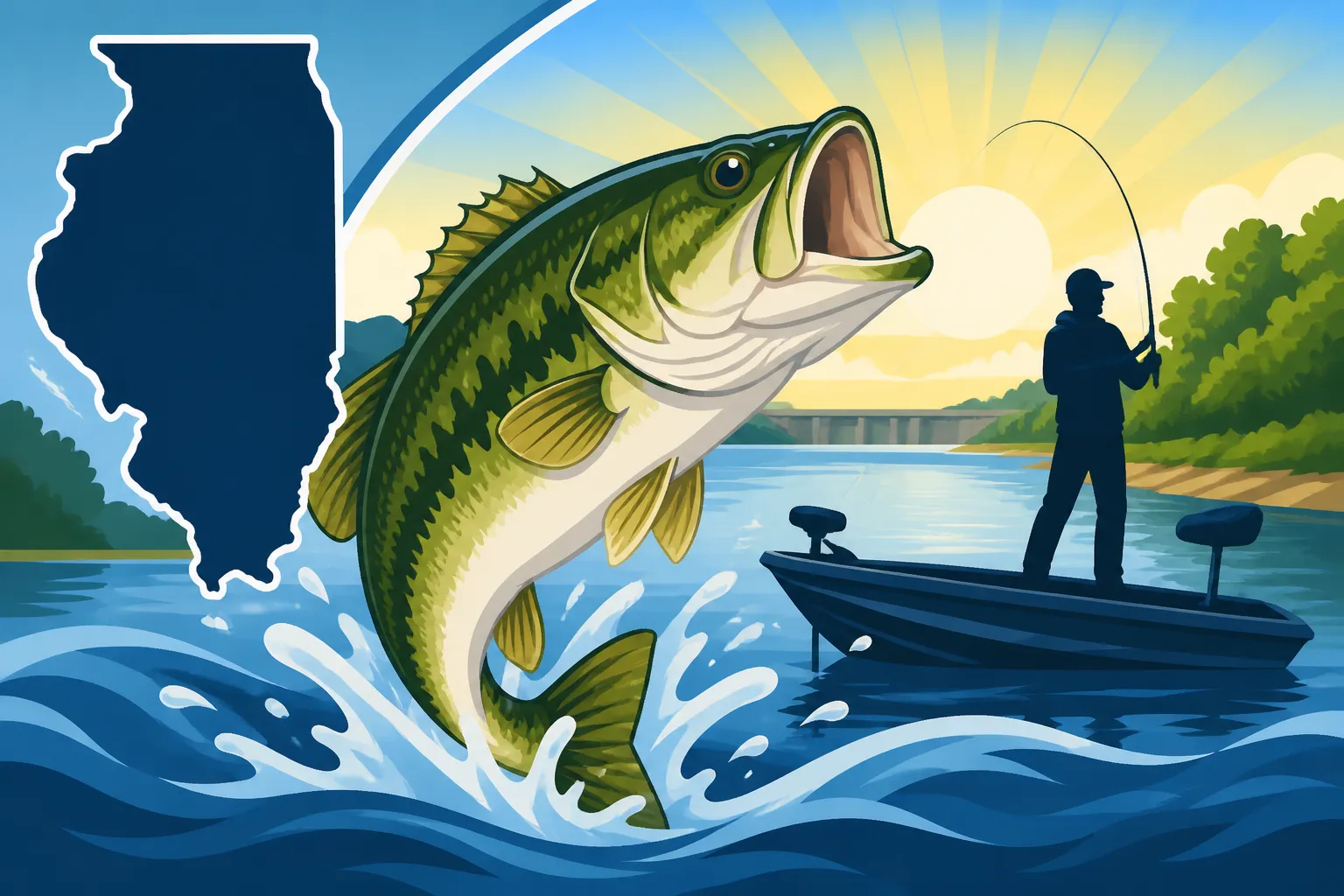
For many, Clinton Lake is synonymous with largemouth bass fishing. It's consistently ranked among the best bass lakes in Illinois, producing healthy numbers of fish and the potential for true trophy-sized catches. The abundance of submerged timber, creek channel swings, points, and structural cover provides ideal habitat for bass. They thrive in the lake's clear-to-moderately stained waters, often growing large due to a healthy forage base of shad, sunfish, and smaller crappie.
Anglers targeting largemouth bass on Clinton Lake can expect to encounter fish in the 2-4 pound range regularly, with 5-7 pounders being a real possibility. The protected slot limit (14-18 inches, with only one over 18 inches allowed) helps maintain a healthy population of larger bass, ensuring future generations of anglers have a shot at these impressive fish. During the spring, you'll find bass moving shallow for their spawn, while in summer and winter, they often relate to deeper structures or the warm water discharge. Fall sees them aggressively feeding across various depths. You can learn more about Illinois Bass Spawn Timing Guide to better plan your trips.
Walleye and Hybrid Striped Bass: Thrilling Fights
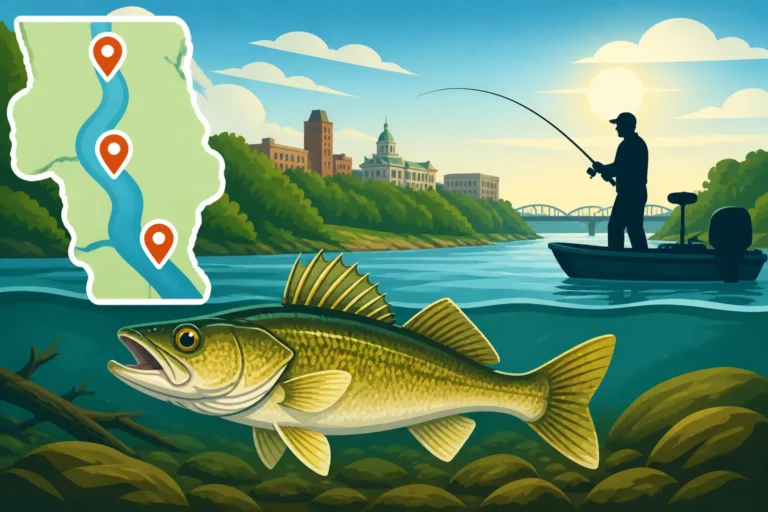
While bass might be the most common target, Clinton Lake is also a premier destination for walleye and hybrid striped bass, offering exhilarating fights and delicious table fare. These species prefer open water, humps, ledges, and areas with current, making the main lake basin and the warm water discharge particularly productive.
Walleye in Clinton Lake can grow to impressive sizes, with the 14-inch minimum length limit and 6 fish daily limit ensuring that anglers are keeping quality fish. They are often targeted by trolling crankbaits along main lake points and ledges, or by jigging spoons and blade baits on humps. Hybrid striped bass, a cross between striped bass and white bass, are incredibly strong fighters and can reach sizes well over 10 pounds. They are aggressive predators, often chasing baitfish schools in open water or congregating around the warm water discharge. They respond well to fast-moving lures like lipless crankbaits, swimbaits, and spoons. When chasing these powerful fish, be sure to check Illinois Walleye Size and Catch Limits for the latest regulations.
Crappie and Panfish: Consistent Action
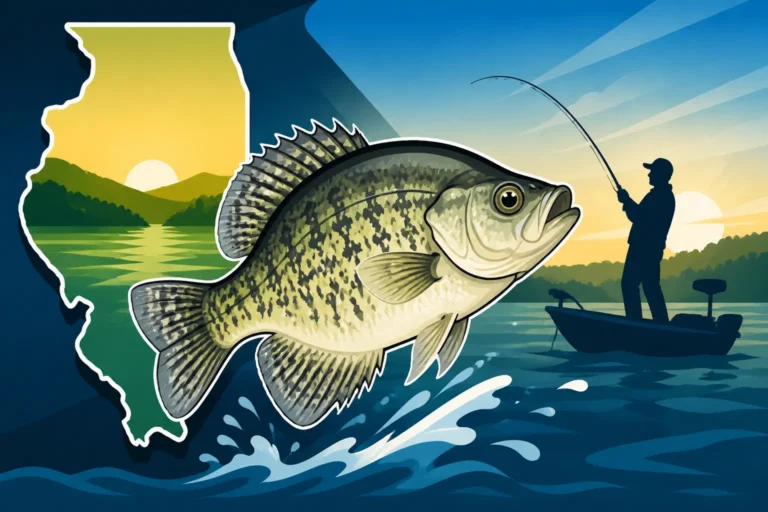
For anglers seeking consistent action and a tasty meal, Clinton Lake's crappie and panfish populations are hard to beat. Both black and white crappie thrive here, along with robust populations of bluegill and redear sunfish. These species are popular targets for both experienced anglers and families fishing with kids due to their relative ease of catching and abundance.
Crappie typically relate to submerged brush piles, standing timber, and deeper creek channels, especially during the spring spawn when they move shallow. The lake's 9-inch minimum length limit and 15 fish daily limit for crappie helps protect the younger fish and promotes larger individuals. Bluegill and redear sunfish are found almost everywhere, particularly around weed lines, docks, and shallower timber. They are eager biters and provide excellent fun on ultralight tackle. If you're looking for an exciting time, especially during the warmer months, targeting these panfish can lead to a full stringer. Get ready for the Illinois Crappie Spawn Season Guide to plan your crappie fishing trips.
Catfish: Day and Night Opportunities
Clinton Lake offers excellent catfishing, with healthy populations of channel, flathead, and blue catfish. These bottom-dwelling powerhouses provide thrilling fights and are particularly popular during the warmer months and into the night. Channel catfish are the most abundant and widespread, found in almost all parts of the lake, from shallow flats to deep channels. Flathead and blue catfish, known for their larger size, tend to prefer deeper, slower moving sections of the main lake and creek channels, often relating to heavy cover like log jams or rock piles.
Catfish are often targeted using bottom-fishing techniques with a variety of baits, from traditional cut bait and stink bait for channels to live sunfish or shad for trophy flatheads. Night fishing for catfish on Clinton Lake can be exceptionally productive, as these nocturnal predators become more active under the cover of darkness. The warm water discharge area can also hold concentrations of catfish, especially during cooler periods. Be sure to familiarize yourself with Illinois Catfish Daily Limits Explained before heading out.
Best Fishing Spots and Access Points on Clinton Lake
Knowing what to fish for is only half the battle; knowing where to fish for it on a large, complex lake like Clinton is equally important. This lake offers diverse habitats, from the unique thermal discharge to vast timber fields, each attracting different species at different times.
The Warm Water Discharge Area
This is arguably the most famous and productive fishing area on Clinton Lake, especially from late fall through early spring. The heated water discharged from the power plant creates an artificial spring, attracting baitfish and, in turn, massive concentrations of game fish. The discharge canal and the main lake area where the warm water mixes are absolute hotspots for bass, walleye, crappie, hybrid stripers, and catfish.
Fishing the discharge requires specific approaches. The current can be strong, so heavy jigs, weighted plastics, or deep-diving crankbaits are often necessary to get your bait down. Fish will often hold in current breaks, eddies, or along seams where the warm water meets the cooler main lake water. Safety is paramount here; boat traffic can be heavy, and the powerful discharge current requires careful navigation. Anglers often fish vertical jigs, spoons, or live bait in the discharge, targeting fish suspended in the warmer water column or hugging the bottom in calmer spots. It's truly a year-round draw, offering hot action even in the dead of winter.
Timber and Standing Structure
Clinton Lake is absolutely loaded with submerged timber and standing trees, remnants of the pre-impoundment landscape. These areas provide invaluable cover, ambush points, and foraging grounds for largemouth bass, crappie, and various panfish. These structural elements are most prominent in the shallower arms of the lake, particularly in the upper reaches of the North Fork and Salt Creek arms, but also along many of the lake's coves and deeper pockets.
Anglers targeting bass will often pitch or flip jigs and Texas-rigged plastics into the thickest cover. For crappie, vertical jigging with minnows or small jigs around submerged brush piles and standing timber is incredibly effective. These areas can be tricky to navigate, especially for boaters, but the rewards of pulling a trophy bass or a stringer full of crappie from these cover-rich spots are well worth the effort. Side-imaging sonar can be a game-changer here, helping you locate hidden brush piles and timber lines without getting tangled up.
Humps, Ledges, and Rock Piles
For species like walleye, hybrid stripers, and deeper-holding bass, offshore humps, ledges, and rock piles are prime real estate. These structures are scattered throughout the main lake basin and along the deeper creek channels, providing distinct depth changes and hard bottom that attract schooling baitfish and predators.
Identifying these structures with a good depth finder and GPS is crucial. Once located, anglers can employ a variety of techniques. Trolling deep-diving crankbaits along ledges and over humps is a popular method for walleye and hybrid stripers. Jigging spoons, blade baits, or live bait rigs (like a Lindy Rig with a crawler or minnow) can also be highly effective when fish are holding tight to these bottom features. Bass will often position themselves on the sides or tops of humps and ledges, particularly during the summer and fall, ambushing passing prey. These areas can be less pressured than the visible timber and discharge, offering a different challenge and potentially bigger rewards.
Public Boat Ramps and Shoreline Access
Clinton Lake is well-equipped with public access points, making it convenient for both boaters and bank anglers.
Major Boat Ramps:
- Mascoutin State Park Boat Ramp: Located on the northern end of the lake, offering easy access to the North Fork arm and its extensive timber. It's a popular choice for bass and crappie anglers.
- West Side Access Area: Another key access point, often used for reaching the central and western parts of the lake.
- Weldon Springs State Park: While primarily a smaller lake, it offers nearby amenities and some access to the Salt Creek arm of Clinton Lake.
- Power Plant Boat Ramp: This ramp is specifically located near the warm water discharge, providing direct access to the most dynamic part of the lake. Be aware of increased boat traffic here.
Shoreline Access:
Clinton Lake State Recreation Area offers numerous spots for bank fishing, particularly around designated park areas, picnic sites, and near the dam. These spots are excellent for targeting panfish, catfish, and even bass that cruise the shallower banks. Some popular shoreline spots include areas around the Mascoutin State Park camping areas and along the dam. While less expansive than boat access, there are still plenty of opportunities for anglers without a boat to enjoy fishing on Clinton Lake. For a broader look at places to fish without a boat, check out Illinois State Park Fishing Spots.
Effective Fishing Techniques for Clinton Lake
Fishing Clinton Lake successfully means adapting your techniques to its diverse environments and species. What works in the timber for bass won't necessarily work for walleye on a deep hump. Being versatile and understanding the nuances of each approach is key.
Bass Strategies for Varying Depths
Clinton Lake bass can be found from inches of water out to 30+ feet, requiring a wide array of techniques.
- Shallow Cover: When bass are shallow, especially during spring or early morning/late evening, flipping and pitching jigs, creature baits, or Texas-rigged worms into submerged timber, brush piles, and around docks is highly effective. Darker colors like black and blue, or green pumpkin, are often winners in these situations. Topwater lures like poppers, walking baits, and buzzbaits can produce explosive strikes at dawn and dusk.
- Mid-Depth Structure: As bass move to creek channel swings, points, and transition areas, crankbaits become incredibly useful. Medium to deep-diving crankbaits in shad patterns or crawfish colors can entice reaction strikes. Spinnerbaits and chatterbaits are also excellent for covering water, especially when bass are actively feeding.
- Deep Water: In summer and winter, bass often retreat to deeper ledges, humps, and the warm water discharge. Vertical jigging with heavy spoons, drop-shot rigs, or football jigs can be effective. Carolina rigs with lizards or worms can also probe deeper structures efficiently. Understanding how Water Temperature and Fish Activity Guide influences bass location is critical here.
Crappie and Panfish Tactics
Crappie and panfish are abundant and relatively easy to catch, but specific techniques will maximize your haul.
- Vertical Jigging: This is a go-to technique for crappie holding in brush piles or standing timber. Small jigs (1/32 to 1/16 ounce) tipped with minnows or soft plastic crappie tubes/grubs are deadly. Use a sensitive ultralight rod to detect subtle bites.
- Bobber Fishing: For bluegill and shallower crappie, a simple slip bobber rig with a small hook and live bait (wax worms, crickets, or redworms) is incredibly effective, especially for kids. Fish these around weed lines, docks, and the edges of timber.
- Casting Small Lures: Tiny inline spinners, micro crankbaits, or even fly-fishing nymphs can be fantastic for aggressive panfish in open water or along shorelines. For more ideas on how to target panfish, check out Best Crappie Fishing Lakes in Illinois.
Walleye and Hybrid Striper Approaches
These schooling fish require active presentation to cover water and locate them.
- Trolling: For walleye and hybrid stripers in open water, trolling crankbaits or spinnerbait rigs (like a crawler harness) at varying depths is a productive strategy. Use a GPS to mark productive passes over humps and ledges. Speed control is critical – typically slow for walleye, faster for hybrids.
- Jigging: Jigging spoons, blade baits, or heavy soft plastics near bottom on humps, ledges, or in the discharge current can trigger strikes from both species. For walleye, a snap-jigging motion can be very effective, while hybrids often hit a faster, more erratic retrieve.
- Live Bait Rigs: For walleye, a traditional Lindy Rig or slip-sinker rig with a lively minnow or crawler fished along the bottom on points and ledges can be irresistible. This technique allows for a natural presentation in areas where fish might be wary of faster moving lures.
Catfish Baits and Rigging
Catfish are less picky but still respond best to certain presentations.
- Bottom Fishing: The most common and effective method for all catfish species. Use a stout rod and reel combo with a heavy sinker (1-4 oz depending on current) and a circle hook. Bait choices vary:
- Channel Catfish: Cut bait (shad, bluegill), stink baits, chicken liver, nightcrawlers.
- Flathead Catfish: Live bait (bluegill, shad, suckers) is almost exclusively preferred for larger flatheads.
- Blue Catfish: Cut bait (especially oily fish like shad) or live bait.
- Drifting/Suspension: While less common for catfishing on Clinton, if you locate schools of blue or channel catfish suspended over deep water, a slip bobber rig with cut bait or a large live minnow can be effective for targeting them in the water column.
- Night Fishing: Catfish are primarily nocturnal. Setting up your bottom rigs near deeper channels, along the discharge, or near submerged timber at dusk and fishing through the night can lead to your best results.
Seasonal Fishing Guide for Clinton Lake
The fishing patterns on Clinton Lake are heavily influenced by the seasons, much like any other lake, but with the added twist of the power plant's warm water discharge. This discharge can accelerate or alter typical seasonal transitions, creating unique opportunities.
Spring: Pre-Spawn and Spawn Frenzy
Spring is a time of awakening on Clinton Lake, and fish become incredibly active. As water temperatures climb into the 50s and 60s Fahrenheit, baitfish become more active, and all species begin their migration towards shallower spawning grounds.
- Bass: Pre-spawn bass move from deeper wintering areas to shallower points, coves, and timber-filled flats. Crankbaits, spinnerbaits, and jigs are excellent for covering water. Once water temperatures hit the mid-60s, bass begin to spawn, and they can be found guarding beds in clear, shallow areas. Soft plastics, wacky-rigged worms, and creature baits pitched to visible beds are effective.
- Crappie: Crappie also move shallow for their spawn as water temperatures rise, often congregating in massive numbers in submerged brush, timber, and around docks in 4-10 feet of water. Minnows under a bobber and small jigs are irresistible.
- Walleye/Hybrid Stripers: Walleye make their spawning run, often concentrating on rocky points and areas with current. Trolling shallow-running crankbaits or jigging can be productive. Hybrid stripers will often follow schools of shad as they move shallower, providing fast action on spoons and lipless crankbaits.
Summer: Deep Water and Night Fishing
Summer brings warmer surface temperatures, pushing many fish to seek cooler, deeper water, or to become more active during low-light conditions. The warm water discharge can still be a factor, but fish may relate to its edges more than the direct flow.
- Bass: Largemouth bass will often retreat to deeper ledges, humps, and submerged timber during the heat of the day. Early morning and late evening topwater action can still be good, but midday often calls for deep-diving crankbaits, football jigs, and Carolina rigs. Night fishing for bass, using dark-colored spinnerbaits or jigs, can be incredibly productive.
- Catfish: Summer is prime time for catfishing. Channel, blue, and flathead catfish are active and feeding heavily. Bottom fishing with cut bait or live bait in deeper channels, holes, and along the discharge area is highly effective, especially at night.
- Walleye/Hybrid Stripers: These species will often suspend over deeper water or relate to main lake humps and ledges. Trolling deep-diving crankbaits or vertically jigging spoons can find them. Look for schooling baitfish on your electronics; the hybrids won't be far behind.
Fall: Feeding Blitz and Turnover
As air and water temperatures begin to cool in the fall, fish enter a "feeding frenzy" phase, actively bulking up for the lean winter months. This is often one of the most productive times to fish Clinton Lake.
- Bass: Bass can be found in a wide range of depths, aggressively chasing baitfish. Spinnerbaits, crankbaits, and jerkbaits are great for covering water and triggering strikes. As water cools, they will start to relate more to deep-water structure and timber.
- Crappie: Crappie will also aggressively feed, often schooling up in deeper brush piles and along creek channel ledges. They are still susceptible to minnows and jigs.
- Walleye/Hybrid Stripers: Fall is an excellent time for both walleye and hybrid stripers as they follow shad schools into coves and shallower areas to feed, or concentrate on main lake structures. Trolling, casting spoons, or working lipless crankbaits can all be effective.
Winter: Thermal Discharge Hotspot
Winter fishing on Clinton Lake is all about the warm water discharge. While the rest of the lake cools significantly, this area remains a hive of activity.
- All Species: Bass, crappie, walleye, hybrid stripers, and catfish all congregate in and around the discharge area. Vertical jigging with spoons, blade baits, or heavy soft plastics is a primary technique. Slowly retrieved crankbaits can also work. The fish's metabolism is slower, so subtle presentations are often key.
- Deeper Main Lake Spots: Away from the discharge, fish will relate to the deepest parts of the lake, often suspending in schools or hugging the bottom on main lake humps and channels. Sonar is crucial for locating these schools. Fishing is slower, but patient anglers can still find success with slow-moving jigs and live bait.
Rules, Regulations, and Tips for a Successful Trip
Before you even launch your boat or cast a line, understanding the rules and having a few key tips in your back pocket can make all the difference for a safe and successful fishing trip on Clinton Lake.
Illinois Fishing License Requirements
First and foremost, nearly all anglers in Illinois need a valid fishing license. This includes residents and nonresidents alike, with some age exemptions for very young children and super seniors. It's not just a formality; these licenses fund conservation efforts that directly benefit lakes like Clinton. You can easily purchase an Illinois Fishing License Guide for 2026 online through the Illinois Department of Natural Resources (IDNR) website, at most sporting goods stores like Bass Pro Shops or Cabela's, or at local bait shops. Make sure your license is current for the season, which typically runs from April 1st to March 31st of the following year. Penalties for fishing without a license can be steep, so don't risk it!
Clinton Lake Specific Regulations
While statewide regulations apply to most species, Clinton Lake has several site-specific rules designed to manage its unique fishery and promote quality fish populations. These are crucial to observe:
| Species | Length Limit | Daily Catch Limit |
|---|---|---|
| Largemouth/Smallmouth Bass | 14-18 inch protected slot limit | 6 fish (only 1 over 18 inches) |
| Walleye/Sauger/Saugeye | 14 inch minimum length | 6 fish |
| Crappie (Black/White) | 9 inch minimum length | 15 fish |
| Channel Catfish | No length limit | 6 fish |
| Hybrid Striped Bass | 17 inch minimum length | 3 fish |
Note: Regulations can change, so always check the latest Illinois Fishing Information Guide published by the IDNR or current signage at the lake before you fish.
Beyond fish limits, general boating rules and specific regulations regarding fishing near the power plant discharge might also apply. Always be mindful of "No Wake" zones and restricted areas near the power plant intake and discharge. A comprehensive look at all the rules is available in the Illinois Fishing Regulations Overview.
Safety and Responsible Angling
Safety should always be your top priority on the water.
- Life Jackets: Ensure everyone on board has a properly fitting, Coast Guard-approved life jacket, and children under 13 must wear one while underway. Even adults should consider wearing one, especially in colder water or when fishing alone. Read up on Illinois Life Jacket and PFD Rules for full details.
- Weather Awareness: Illinois weather can change rapidly. Always check the forecast before heading out and be prepared for sudden storms, wind, or temperature drops. If you see lightning or dark clouds, get off the water immediately.
- Boating Safety: If you're operating a boat with a motor over 10 horsepower and were born after January 1, 1998, you'll need an Illinois Boater Education Card. This ensures you know the rules of the water. Learn more about Illinois Boater Education Card Requirements.
- Respect the Environment: Practice catch-and-release, especially for protected slot fish, or only keep what you'll eat. Pack out everything you pack in, and never litter. Be mindful of others on the water, whether they are fellow anglers or recreational boaters.
Planning Your Trip: Local Resources
To make your Clinton Lake fishing trip as smooth as possible, utilize local resources:
- IDNR Website: The Illinois Department of Natural Resources website is your primary source for up-to-date regulations, stocking reports, and general lake information.
- Local Bait Shops: These are goldmines of real-time information. Shops in or near Clinton can tell you what's biting, where, and on what bait. They often have the latest local tips that aren't published anywhere else.
- Fishing Guides: If you're new to Clinton Lake or want to specifically target a challenging species like walleye or trophy bass, consider hiring a local fishing guide. Services like FishingBooker can help you find experienced guides who know Clinton Lake inside and out, saving you time and dramatically increasing your chances of success. A guided trip is also a fantastic way to learn specific techniques and patterns unique to this power plant lake.
- Online Forums/Groups: Many online fishing communities and social media groups dedicated to Illinois fishing offer a wealth of shared knowledge and recent fishing reports.
By staying informed, prioritizing safety, and utilizing available resources, your Clinton Lake fishing adventure will be both enjoyable and rewarding.
Disclaimer
The information provided in this guide is for general informational purposes only and is subject to change. Fishing regulations, license requirements, and local conditions can vary. Always consult the official Illinois Department of Natural Resources (IDNR) website or the current Illinois Fishing Information Guide for the most up-to-date and accurate rules and regulations before planning your fishing trip. Safety is paramount; always wear appropriate personal flotation devices and be aware of weather conditions.