Lake of Egypt Fishing Guide
If you're an angler in Illinois, you know the struggle: finding a fishing spot that truly lives up to its hype, especially one that offers consistent action and a bit of a challenge. Many lakes promise a lot but deliver little, leaving you with a half-empty cooler and a frustrated sigh. But down in Southern Illinois, there's a gem that consistently performs, offering unique conditions and a diverse fishery that can keep your lines tight all year round. This comprehensive guide will peel back the layers of Lake of Egypt, giving you the insider knowledge to make your next trip a truly memorable one, full of bends in your rod and plenty of fish stories.
Discovering the Unique Allure of Lake of Egypt
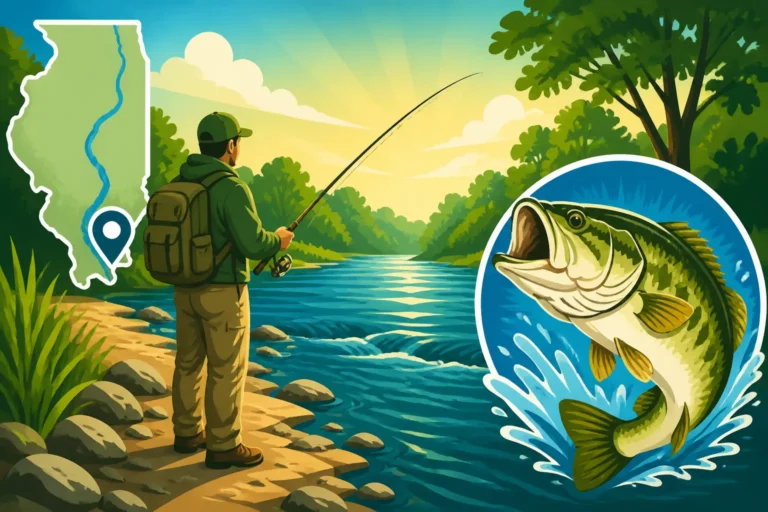
Lake of Egypt isn't just another body of water in Illinois; it's a unique fishing ecosystem that stands out from the crowd, largely thanks to its partnership with the Southern Illinois Power Cooperative (SIPC) plant. This 2,300-acre private reservoir, nestled in Johnson and Williamson counties, was built in 1962 to serve as a cooling source for the power plant. And that's where its magic truly begins. The thermal discharge from the plant means parts of the lake stay significantly warmer through the colder months, creating an extended growing season for fish and prime fishing conditions when other lakes are frozen over or lethargic.
The private ownership often confuses new visitors, making them wonder if public access is even allowed. Rest assured, while the lake is private, public fishing is absolutely welcomed, though specific rules and regulations apply. This dynamic creates a slightly different atmosphere than your typical state park lake, often feeling a bit more exclusive and pristine. The average depth hovers around 17 feet, but it plunges to over 50 feet in some areas, offering diverse structures and habitats for various species.
The Thermal Advantage: Year-Round Fishing Opportunities
The power plant's warm water discharge isn't just a quirky fact; it's the beating heart of Lake of Egypt's fishery. As water cycles through the power plant to cool its systems, it gets warmed up and then returns to the lake. This creates a fascinating thermal gradient, with certain coves and areas near the discharge point remaining much warmer, even in the dead of winter. For anglers, this is a game-changer. While northern Illinois lakes are locked under ice, you can often find open water and active fish here.
This consistent warmth translates into a longer feeding season for species like bass and crappie, allowing them to grow larger and healthier. It also means you don't necessarily have to pack up your gear when the leaves start falling. You might need to adjust your techniques and target specific warm-water zones, but the possibility of a solid catch in January is a huge draw. It’s also one of the primary reasons Lake of Egypt has earned its reputation as a consistent producer for many Illinois anglers.
Navigating Lake of Egypt's General Regulations
Even though Lake of Egypt is privately owned, standard Illinois fishing licenses are required. Don't let the "private lake" status trick you into thinking you can skip the paperwork. You'll still need your valid Illinois Fishing License Guide for 2026 before you cast a line. Beyond that, the lake adheres to most of the general Illinois Fishing Regulations Overview, including statewide length and creel limits for most species. However, as is often the case with specific bodies of water, there are some site-specific regulations that you absolutely need to be aware of to avoid any issues.
For instance, certain areas near the power plant's intake and discharge are often marked as no-wake zones or even restricted from specific activities like swimming or skiing. Always pay close attention to buoys and signage. There are also specific rules concerning boat registration and safety equipment, which are consistent with statewide laws. It’s always a good practice to grab the latest Illinois Fishing Information Guide Covers April 2026 Through March 2027 from the IDNR website or a local bait shop before heading out, as limits and rules can occasionally change. Being prepared means a worry-free fishing experience.
Target Species and Prime Locations
Lake of Egypt boasts a robust and diverse fishery, making it a favorite for many anglers. While it’s renowned for its fantastic largemouth bass, you’ll also find excellent crappie, bluegill, and channel catfish populations. The unique warm-water discharge also makes it a hot spot for hybrid striped bass, offering a different kind of fight. Knowing what you're after and where these species tend to congregate can significantly boost your success rate.
Many anglers find it helpful to consult local fishing reports or even consider booking a trip with a local guide, which you can often find through platforms like FishingBooker, especially if you're targeting a specific species or visiting during an unfamiliar season. Their expertise can cut down your learning curve dramatically.
Largemouth Bass: The Lake's Star Attraction
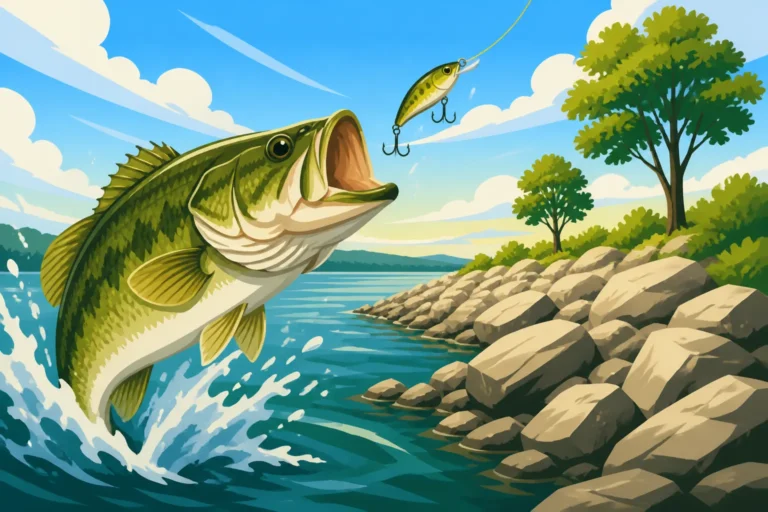
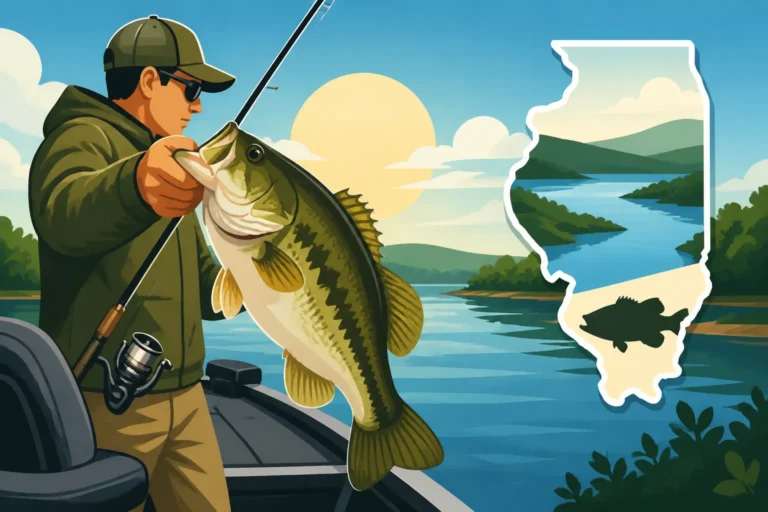
If you're a bass angler, Lake of Egypt should be high on your list. The lake consistently produces healthy largemouth bass, with trophy-sized fish regularly caught. The warm water, abundant forage, and diverse underwater structure create an ideal environment for these feisty predators. You’ll find bass relating to different types of cover depending on the season, from shallow weed lines and brush piles to deep points and submerged timber.
During the cooler months, the warmest water zones near the power plant discharge become prime real estate. Bass will congregate there, actively feeding thanks to the elevated water temperatures. In spring, as water temps rise across the entire lake, bass move to shallower coves and flats for the spawn. Later in summer, they’ll often retreat to deeper, cooler waters during the day, moving to shallower feeding grounds during dawn and dusk. Target areas with good cover like fallen trees, docks, and rock formations. The many private docks around the lake also offer excellent ambush points for bass, providing shade and structure. For more in-depth advice, check out our Largemouth Bass Fishing in Illinois: The Complete Guide.
Crappie: Abundant and Aggressive
Lake of Egypt is also a crappie paradise, with both black and white crappie populations thriving. Many anglers come specifically for the chance to fill a cooler with these delicious panfish. Similar to bass, the crappie benefit from the warmer waters, often growing to impressive sizes. Finding crappie generally involves targeting structure – submerged brush piles, standing timber, bridge pilings, and the countless docks around the lake.
In spring, during the Illinois Crappie Spawn Season Guide, they’ll move to shallow flats and coves, especially those with some woody debris or vegetation. This is when they are most accessible to shore anglers and those in smaller boats. As summer progresses, crappie tend to suspend in deeper water over brush piles or along channel edges. During fall and winter, the warmest parts of the lake near the power plant discharge become incredibly productive. Look for schools of baitfish, as crappie will often be close by. Jigging small jigs or using minnows under a bobber are proven tactics here.
Catfish and Panfish: Steady Action for All
For those who enjoy a strong fight and a tasty meal, Lake of Egypt offers excellent channel catfish fishing. These bottom-dwelling giants are abundant throughout the lake, particularly in deeper channels, humps, and areas with muddy bottoms. They’re less sensitive to the warm water fluctuations than bass or crappie, making them a reliable target year-round. Night fishing for catfish can be especially productive, as they become more active feeders after dark. Popular baits include cut bait, stink baits, and live worms fished on the bottom. For more tips, check out our Catfish Fishing Techniques and Bait Guide.
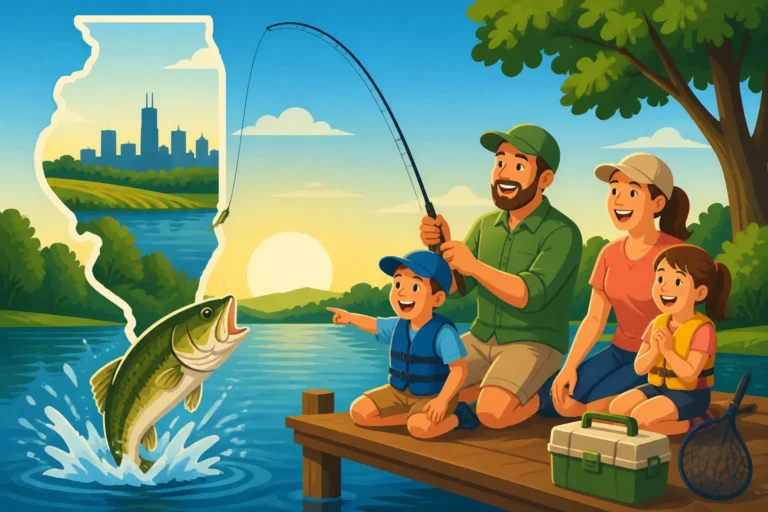
Beyond crappie, bluegill are another popular panfish species in Lake of Egypt. While not always reaching the trophy sizes seen in other lakes, they provide steady action, especially for family outings or beginner anglers. They can be found in similar habitats to crappie – around docks, brush, and weed edges in shallower water. A simple setup with a bobber, a small hook, and a piece of worm or a wax worm is often all you need. If you're looking for more general panfish advice, our Illinois Bluegill Fishing: Best Bait and Where to Go article has you covered.
Effective Fishing Techniques and Seasonal Strategies
To truly unlock Lake of Egypt's potential, it's essential to match your fishing techniques with the season and the unique characteristics of the lake. What works in spring won't necessarily be effective in winter, especially with the thermal discharge influencing fish behavior. Understanding these patterns is key to consistent success.
Spring: Spawning Activity and Shallow Water Action
Spring at Lake of Egypt is electric with spawning activity. As the water temperatures climb from the 50s into the 60s, both bass and crappie move into the shallows. This is a prime time for sight fishing for bass on beds or targeting crappie in brushy coves. For bass, focus on shallow flats, protected coves, and areas with submerged timber or laydowns. Spinnerbaits, jigs, and soft plastics like Texas-rigged worms or creature baits are excellent choices. Working these lures slowly near cover can entice aggressive strikes.
Crappie will also be in full swing, moving to shallow banks, especially those with reeds or brush. Small jigs (1/16 to 1/32 ounce) in chartreuse, white, or black/chartreuse, tipped with a minnow or a crappie nibbler, are deadly. Vertical jigging around structure or casting and retrieving slowly are effective. Don't forget the catfish, who will also become more active as the water warms, heading towards shallower flats to feed. It's a fantastic time for all species, offering some of the year's most consistent action.
Summer: Deeper Waters and Early/Late Bites
As the scorching Illinois summer sun heats the lake, fish often seek refuge in deeper, cooler waters during the day. This doesn't mean fishing shuts down, but it does require an adjustment in strategy. Largemouth bass will relate to deeper points, humps, and main lake structure. Carolina rigs, deep-diving crankbaits, and drop shots become invaluable tools to reach these fish. Early mornings and late evenings, or even night fishing, can be highly productive as bass move shallower to feed under lower light conditions.
Crappie will suspend over deeper brush piles or along creek channels. Look for them on your fish finder, often suspending 10-20 feet down over 30 feet of water. Trolling small crankbaits or spider rigging with multiple rods and minnows can be effective. Catfish remain a consistent summer target, especially in deeper holes and channels, and are excellent for night fishing. Hybrid striped bass will often chase baitfish schools in open water, providing exciting topwater action if you find them busting schools. This season demands patience and an understanding of vertical presentations.
Fall and Winter: The Warm Water Advantage
Fall brings a frenzy of feeding as fish bulk up for winter, and then the power plant discharge truly shines. In fall, as the entire lake cools, fish gorge themselves on baitfish. Bass will move shallower during cooler periods, chasing schools of shad. Crankbaits, spinnerbaits, and jigs are excellent choices. Crappie will also be highly active around structure. As winter sets in and other lakes freeze over, Lake of Egypt's warm water zones become magnets for all species.
Concentrate your efforts around the discharge area and any nearby coves that retain warmer temperatures. Bass and crappie will stack up in these areas. Slow presentations are key in winter. For bass, try jigging spoons, slow-rolled spinnerbaits, or even vertical jigging soft plastics. For crappie, very small jigs or minnows fished slowly and vertically are often irresistible. Catfish will also congregate in the warmer, deeper sections. The ability to fish open water actively in January is truly one of Lake of Egypt's biggest draws, making it a premier destination for Illinois Fishing Seasons Guide.
Boat Access, Shore Fishing, and Facilities
Getting on and around Lake of Egypt is relatively straightforward, with several public and private access points. However, due to its unique status as a private lake, understanding the specifics of boat ramps, marinas, and shore fishing opportunities is crucial for a smooth trip. Planning ahead, especially if you’re bringing your own boat, will save you time and hassle.
Marinas and Boat Ramps for Anglers
Lake of Egypt offers several excellent marinas and public boat ramps, ensuring you can get your vessel on the water without too much trouble. Egyptian Hills Resort & Marina and Lake of Egypt Marina are two of the most popular options, providing not only ramps but also bait, tackle, fuel, and often rental boats or cabins. These facilities cater well to anglers, understanding the needs of both local and visiting fishermen.
When using any ramp, always practice good Illinois Boat Trailer and Ramp Tips to keep things efficient for everyone. Ensure your boat is properly registered in Illinois; our Illinois Boat Registration Requirements Explained guide can help clarify any questions you might have. For larger boats, especially bass boats or pontoons, the main marinas are your best bet. If you’re a kayak angler, the access points at the marinas also work well, or you might find quieter spots to launch a Best Kayak Models for Illinois Fishing.
Shore Fishing Opportunities
While Lake of Egypt is largely lined with private residences, there are still several spots for productive shore fishing, which is a relief for many anglers without boats. The public access areas around the marinas often have designated bank fishing spots. Additionally, the spillway area, while it can be crowded, often holds fish during certain times of the year, especially after heavy rains or during spring runs.
The key to successful shore fishing here, as with many lakes, is identifying accessible points with good structure. Look for areas where the bank drops off quickly, or where there's visible cover like rocks or fallen trees. Small jigs, bobber and worm setups, or casting crankbaits can all be effective from shore. Remember to always be respectful of private property and only fish from clearly marked public access points. Sometimes, simply walking a bit further from the main parking areas can reveal less-pressured spots.
| Species | Best Season | Prime Locations | Recommended Baits/Lures |
|---|---|---|---|
| Largemouth Bass | Spring, Fall, Winter | Shallow coves (Spring), Deep points (Summer), Warm discharge (Winter), Docks, Brush piles, Submerged timber | Jigs, Soft plastics, Crankbaits, Spinnerbaits, Topwater |
| Crappie | Spring, Fall, Winter | Shallow brush (Spring), Suspended over brush (Summer), Warm discharge (Winter), Docks, Standing timber | Small jigs, Minnows, Crappie nibblers |
| Channel Catfish | Spring, Summer, Fall | Deep channels, Humps, Muddy bottoms, Night fishing (Summer) | Cut bait, Stink bait, Live worms |
| Bluegill | Spring, Summer | Shallow weed lines, Docks, Brush piles, Shoreline vegetation | Worms, Wax worms, Crickets, Small poppers |
| Hybrid Striped Bass | Summer, Fall | Open water, Chasing baitfish, Power plant discharge | Topwater lures, Spoons, Live shad |
Responsible Angling and Local Etiquette
Part of the charm of Lake of Egypt is its community, which includes both permanent residents and visiting anglers. To ensure everyone has a great experience and the lake remains a fantastic fishing destination for years to come, practicing responsible angling and respecting local etiquette is paramount. This isn't just about following the rules; it's about being a good steward of the resource.
Preserving the Fishery and Lake Environment
Catch and release is a common practice for many bass anglers on Lake of Egypt, especially for larger, trophy-sized fish. While keeping legal limits is perfectly fine, consider releasing some of the bigger fish to help maintain the robust genetics of the population. Proper handling of fish is essential, especially when releasing them. Minimize their time out of water, use de-hooking tools, and support their weight adequately.
Always pack out what you pack in. Litter, especially discarded fishing line, is detrimental to the environment and harmful to wildlife. Ensure you dispose of all trash properly. Using lead-free weights when possible also contributes to a healthier aquatic ecosystem. The IDNR and local conservation groups work tirelessly to manage Illinois' 220 Fish Species, and our individual actions as anglers play a huge role in supporting these efforts.
Being a Respectful Visitor
Remember that much of Lake of Egypt's shoreline is privately owned. While public access for fishing is guaranteed, always respect private property. Avoid trespassing on private docks or land, and keep noise levels down, especially in residential areas. Many of the property owners cherish the tranquility of the lake, and respectful behavior from anglers helps foster a positive relationship.
When boating, be mindful of no-wake zones, especially near shorelines, residential areas, and the power plant discharge. Not only are these often regulated for safety, but they also prevent excessive shoreline erosion and disturbance to residents. If you're new to the lake or not sure about certain regulations, asking a local at a bait shop or marina is always a good idea. They’re usually more than happy to share insights and tips, especially to someone who shows genuine respect for their home waters.
Disclaimer
The information provided in this guide is for general informational purposes only and is subject to change. Always consult the official Illinois Department of Natural Resources (IDNR) regulations and local signage before fishing, as rules and limits can vary by specific water body and may be updated periodically. Fishing conditions and fish populations are dynamic and can be affected by various environmental factors.