Best Time to Fish for Crappie at Rend Lake Illinois
It’s incredibly frustrating to plan a crappie fishing trip, wake up early, get all your gear ready, only to arrive at Rend Lake and find the fish just aren't biting. We’ve all been there, staring at an empty cooler, wondering what went wrong. The truth is, timing is everything when it comes to consistently catching crappie, especially on a fantastic, sprawling body of water like Rend Lake here in Illinois. This guide is here to shed light on the best times to target crappie at Rend Lake, helping you understand their seasonal movements and behaviors so you can maximize your chances of a successful and rewarding day out on the water.
Understanding Rend Lake Crappie Seasons
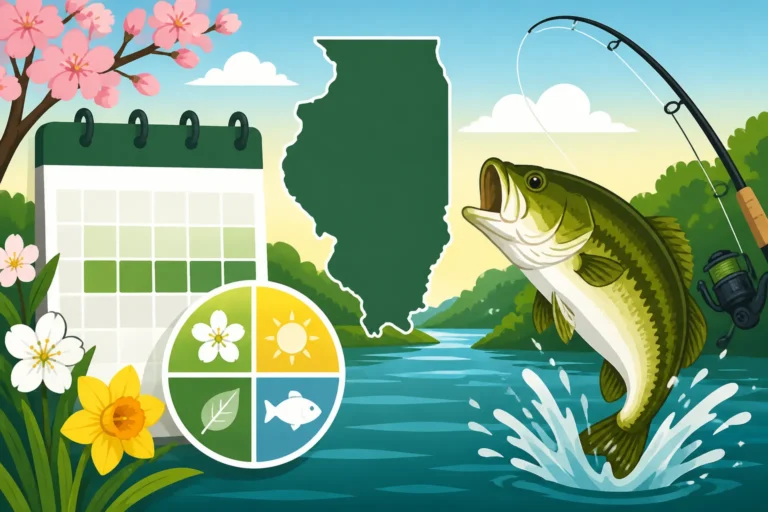
Rend Lake, a true gem in Southern Illinois, offers fantastic crappie fishing year-round, but the best times to hit the water really depend on what kind of experience you’re looking for and how the crappie are behaving. Their activity is heavily influenced by the seasons, dictating where they’ll be and what they’ll be willing to bite. Knowing these patterns is your first step to filling your livewell.
The Spring Crappie Spawn Frenzy
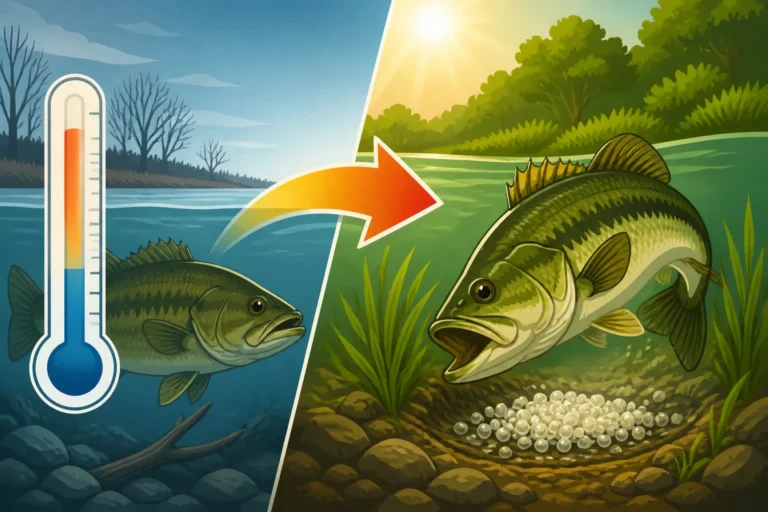
Ah, spring! This is arguably the most anticipated time for crappie anglers at Rend Lake, and for good reason. As the days lengthen and the water temperatures begin to climb into the upper 50s and low 60s Fahrenheit, crappie move out of their deeper winter haunts and head for the shallows to spawn. This pre-spawn and spawn period, typically running from late March through May, is when they are most aggressive and concentrated, making them easier to locate and catch. They’ll be seeking out warmer water, often found in shallow coves, around submerged brush, timber, stumps, and riprap. The male crappie are particularly feisty as they guard their nests.
During this time, the fishing can be phenomenal. You’ll often find them stacked up in relatively small areas, and if you hit it right, you can experience some fast and furious action. However, the exact timing can shift a bit year-to-year depending on how quickly spring arrives and stabilizes. A sudden cold front can push them back to slightly deeper water, only for them to return when conditions improve. You’ll want to keep an eye on the water temperature readings to pinpoint the prime window. For more details on the statewide patterns, check out our guide on the Illinois Crappie Spawn Season Guide.
Summer's Deep-Water Hideouts
Once the spring spawn is over and the water really heats up, Rend Lake's crappie move into their summer patterns, which means they often head for deeper, cooler water. This can be a more challenging time to fish for crappie, as they become less concentrated and spread out across the lake. You won't find them stacked against the banks as easily. They’ll be looking for structure in deeper channels, humps, ledges, and submerged timber, often at depths of 8 to 20 feet or more, seeking out thermal refuges and consistent food sources. This is when a good fish finder really becomes your best friend.
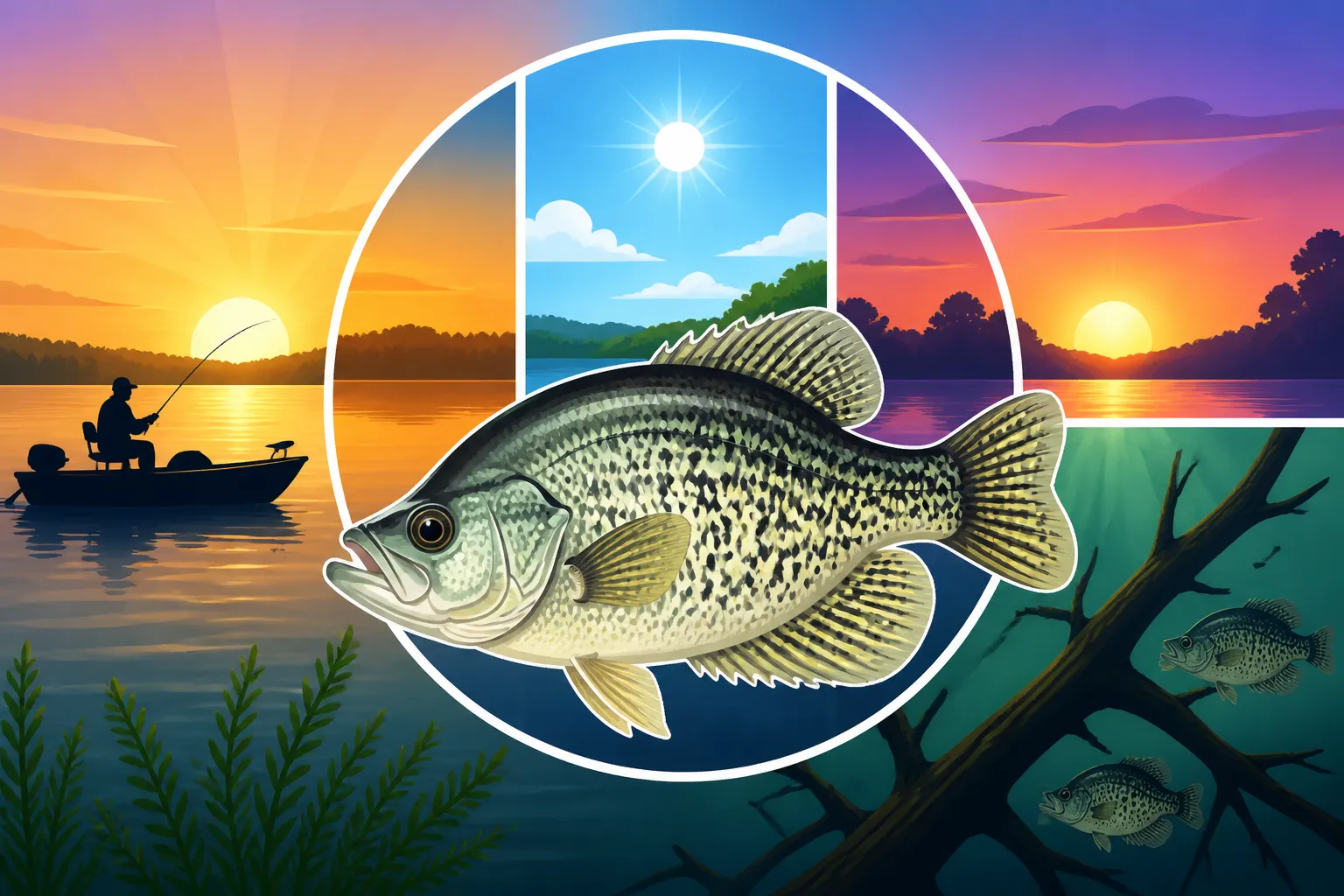
Early mornings and late evenings can still produce bites when the sun isn't directly overhead and the water surface is cooler, but mid-day can be tough. Crappie in summer are often more lethargic and require a more subtle presentation. You might need to scale down your bait and slow down your retrieve. While Rend Lake is known for its excellent panfish, finding those summer crappie schools takes patience and a willingness to explore different depths and structures. For a broader look at where these fish thrive, consider our resource on the Best Crappie Fishing Lakes in Illinois.
Fall's Feeding Binge
Just like in spring, fall can be another fantastic time to target crappie at Rend Lake. As the air temperatures drop and the water begins to cool, crappie sense the approaching winter and go on a feeding binge to fatten up. This "fall turnover" can mix the water layers and distribute baitfish more evenly, making crappie more active and willing to chase down prey. You'll often find them schooling up and moving from deeper summer haunts towards shallower, albeit still structured, areas. They might not be as shallow as during the spawn, but they'll be more accessible than in the peak of summer.
Look for them around creek channels, brush piles, submerged islands, and main lake points, often in depths ranging from 5 to 15 feet. They'll be actively pursuing schools of baitfish, so mimicking those baitfish with your lures can be incredibly effective. The cooler, crisp weather of autumn also makes for a much more pleasant fishing experience, often with fewer recreational boaters on the water. This is a great time to experiment with different presentations, from vertical jigging to slow trolling.
Winter's Icy Challenge
For the dedicated angler, Rend Lake offers a unique crappie fishing experience during the winter months, especially when safe ice forms. This is when crappie become incredibly concentrated, often suspending in deep holes, old creek channels, and around significant submerged structure. They become very lethargic in the cold water, but once you locate a school, you can often catch quite a few. Ice fishing for crappie demands precision and specialized techniques.
If open water remains, crappie will still be in those deeper, stable areas, often hugging the bottom or suspending just above it. Their metabolism slows considerably, so a very subtle presentation is key. Small jigs tipped with a grub or minnow, fished extremely slowly, will be your best bet. While it takes more effort and patience, catching winter crappie can be incredibly rewarding, offering a quiet, serene fishing experience away from the crowds. For those brave enough to venture out in the cold, our guide on Rend Lake's Best Spots for Early Spring Crappie might offer clues to their deeper winter holds as they transition.
Key Environmental Factors Influencing Crappie Activity
While seasonal timing provides a general roadmap, crappie are finicky creatures, and their daily behavior is highly sensitive to a variety of environmental factors. Understanding these elements can help you fine-tune your approach and decide if it's even worth heading out on a particular day.
Water Temperature is King
We touched on it briefly, but water temperature is perhaps the single most critical factor dictating crappie behavior at Rend Lake.
- Below 50°F (Winter): Crappie are deep and inactive. They conserve energy, often schooling tightly around deep structure.
- 50°F – 60°F (Pre-Spawn/Early Spring): This is the magic zone for pre-spawn movements. Crappie start moving shallower, staging on structure near spawning grounds. They become increasingly active and feed heavily.
- 60°F – 68°F (Spawn/Peak Spring): The prime spawning window. Crappie are in the shallowest water, actively bedding and guarding nests. This is often when the bite is most aggressive.
- 68°F – 75°F (Post-Spawn/Early Summer): Crappie transition out of the shallows. They might be disoriented and recuperating immediately after the spawn, but then they move to deeper summer patterns, often suspending.
- Above 75°F (Summer): Crappie seek thermal refuge in deeper, cooler water. They become less active during the day, with bites often concentrated around dawn and dusk.
Monitoring the surface water temperature, and ideally, temperatures at different depths using a good fish finder, can give you a significant advantage. Even a few degrees can make a world of difference in where you find the fish and how willing they are to bite. For general understanding of how this impacts all fish, refer to our Water Temperature and Fish Activity Guide.
The Role of Weather Patterns and Barometric Pressure
Beyond temperature, the day-to-day weather also plays a huge role.
- Stable, Warm Weather (Spring/Fall): Often means consistent crappie activity. Fish are comfortable and feed regularly. These are usually your best days.
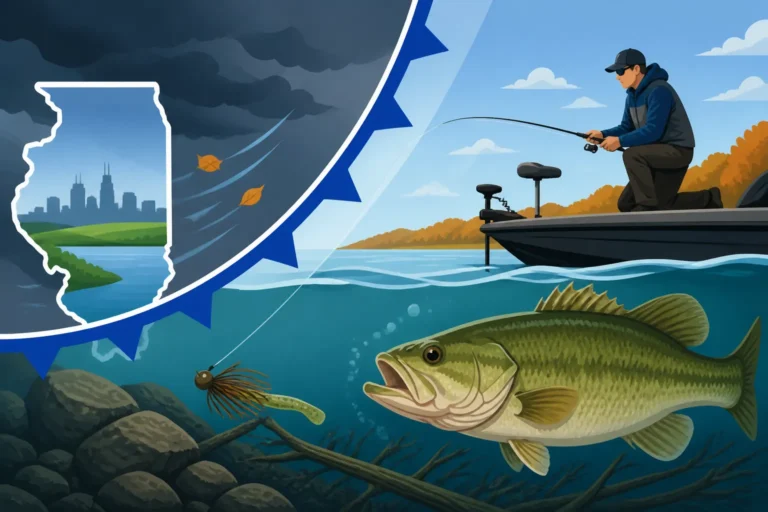
- Cold Fronts: A sudden drop in temperature, especially after a period of warmth, can shut down the bite almost completely. Crappie often retreat to deeper, more stable water and become very lethargic. It can take a day or two for them to adjust.
- Warm Fronts: A rising trend in temperature, particularly in spring or fall, can energize crappie and send them on a feeding spree.
- Cloud Cover and Light Rain: Often fantastic for crappie fishing. The reduced light penetration makes crappie feel more secure and encourages them to move shallower or remain active throughout the day.
- Bright Sun and Clear Skies: Can push crappie deeper or tighter into cover, especially in summer. You might need to target shady areas or fish deeper.
Barometric pressure also affects fish. A rising or stable high-pressure system often corresponds with good fishing, while a rapidly falling pressure (often before a storm) can trigger a frantic bite right before the weather changes, followed by a slowdown during the low-pressure system itself. Paying attention to weather forecasts, and even using a barometric pressure gauge, can greatly inform your fishing strategy.
Water Levels and Their Impact
Rend Lake is a large reservoir, and its water levels can fluctuate due to rainfall and dam management. These fluctuations significantly impact crappie behavior.
- Rising Water: Can push crappie into newly flooded vegetation, brush, and shoreline cover. These areas offer new feeding opportunities and protection. If the water rises slowly, it can be a boon for crappie fishing, opening up new, untapped spots.
- Falling Water: Can pull crappie out of shallow areas and off newly exposed structure, concentrating them on deeper main lake points or in creek channels. This can make them easier to locate, but they might also be more stressed and less willing to bite initially.
- Stable Water Levels: Generally lead to the most consistent fishing, as crappie have adapted to their surroundings and established predictable patterns.
Always check the current Rend Lake water levels before your trip. The U.S. Army Corps of Engineers website or local fishing reports often provide this crucial information. Knowing how water levels have been changing will help you anticipate where the crappie might be holding.
Essential Techniques and Gear for Each Season at Rend Lake
To truly master crappie fishing at Rend Lake, you need to adapt your techniques and gear to the seasonal patterns. What works in spring won't necessarily work in summer, and vice-versa. Having the right tools and knowing how to use them is paramount to success.
Spring's Shallow Water Strategies
During the spring spawn, crappie are generally in shallower water, often less than 10 feet deep.
- Techniques: Casting small jigs (1/32 to 1/16 ounce) under a bobber is incredibly effective. The bobber allows you to keep your bait suspended at a precise depth over submerged brush or near cover. Slow retrieve, often with pauses, is key. Another popular method is spider rigging, where multiple rods are deployed from the front of the boat, allowing you to cover different depths and presentations simultaneously.
- Lures: Small soft plastic jigs in chartreuse, white, or black-and-chartreuse are perennial favorites. Hair jigs and tube jigs also work wonders. Tipping your jig with a live minnow can be irresistible to a spawning crappie. You can find a wide variety of these jigs and soft plastics on Amazon, perfect for stocking your tackle box.
- Gear: Light to ultralight spinning gear with 4-6 lb test monofilament or fluorocarbon line. A sensitive rod helps you detect those subtle bites. Short jigging rods are excellent for close-quarters fishing around timber.
Adapting for Summer's Heat
When crappie move deeper in the summer, you need to adjust your approach.
- Techniques: Vertical jigging directly over submerged brush piles, ledges, or deep timber is very effective. Look for schools on your fish finder and drop your bait right on their heads. Slow trolling with multiple jigs at different depths using a spider rig can also cover a lot of water and locate dispersed schools. You might need to focus on structure in 15-25 feet of water, especially during mid-day.
- Lures: Smaller jigs (1/16 to 1/8 ounce) are still popular, but you might experiment with slightly heavier options to get down faster. Live minnows, especially in deeper water, are often the most reliable bait. Some anglers also have success with small crankbaits or blade baits trolled over structure.
- Gear: Still light spinning gear, but perhaps a slightly longer rod (6-7 feet) for better hook sets in deeper water. Investing in a quality portable fish finder, readily available on Amazon, is crucial for locating those deep-water schools and submerged structure effectively. Our guide on Crappie Jigging Techniques provides more detailed strategies.
Fall Transition Tactics
Fall fishing at Rend Lake combines elements of spring and summer strategies.
- Techniques: Crappie will be actively feeding, so they might chase baits more aggressively. Trolling small crankbaits or roadrunners can be productive as crappie move along creek channels and main lake points. Vertical jigging over deep structure remains effective, but also check mid-depth areas (8-15 feet) where baitfish might be congregating. Casting and retrieving jigs near bridge pilings or riprap can also yield results.
- Lures: A mix of jigs, minnows, and small crankbaits. Colors can vary, but natural baitfish patterns often excel. Blade baits can also be effective in drawing reaction strikes from aggressive fall crappie.
- Gear: Versatile light to medium-light spinning gear. You might want to use a slightly heavier line (6-8 lb test) if you're targeting larger fall crappie or fishing around more abrasive structure. This is also a good time to consider a dedicated boat setup for those who enjoy exploring different parts of the lake.
Ice Fishing Approaches for Winter
For those brave enough to tackle Rend Lake's winter conditions, ice fishing for crappie requires precision.
- Techniques: Focus on deep holes, creek channels, and significant submerged structure. Crappie will often suspend a few feet off the bottom. Use a flasher or fish finder to pinpoint their depth and present your bait just above them. Vertical jigging with tiny jigs (1/64 to 1/80 ounce) tipped with a single wax worm, spike, or a crappie minnow is the most common method. Extreme patience and subtle movements are key.
- Lures: Small ice jigs, teardrop jigs, or tiny spoons are ideal. Glow-in-the-dark options can be effective in deeper, darker water.
- Gear: Ultralight ice fishing rod and reel combo with very light line (2-4 lb test monofilament or fluorocarbon). A portable ice fishing shelter and a good ice auger are essential for comfort and access. Many specialized ice fishing jigs can be easily purchased from Amazon.
Here's a quick overview of crappie fishing at Rend Lake by season:
| Season | Best Time of Day | Typical Depths | Key Locations | Recommended Techniques | Primary Baits/Lures |
|---|---|---|---|---|---|
| Spring | All Day (especially mid-day) | 2-8 feet | Shallow coves, brush, stumps, riprap, spawning beds | Bobber fishing with jigs, spider rigging | Small jigs (plastics, hair), live minnows |
| Summer | Early Morning, Late Evening | 8-25 feet | Deep brush piles, ledges, creek channels, humps | Vertical jigging, slow trolling with multiple jigs | Live minnows, small jigs, tiny crankbaits |
| Fall | All Day (peak mid-day) | 5-15 feet | Creek channels, main lake points, submerged islands | Casting jigs, trolling crankbaits, vertical jigging | Jigs, minnows, small crankbaits, blade baits |
| Winter | Mid-day | 15-30+ feet | Deep holes, old creek channels, significant structure | Ice jigging (if safe ice), vertical jigging (open water) | Tiny ice jigs (tipped with live bait), small spoons |
Pro Tips for Consistent Crappie Success at Rend Lake
Even with the right seasonal knowledge and gear, crappie fishing still requires a strategic mindset. These pro tips can help you consistently put more fish in the boat, no matter the time of year.
Scout Smart with Electronics
In today's age, fishing without modern electronics is like navigating a foreign city without a map. A good fish finder is an absolute game-changer, especially on a lake as large and diverse as Rend Lake.
- Side Imaging and Down Imaging: These technologies allow you to see submerged timber, brush piles, ledges, and even schools of baitfish and crappie that you might otherwise miss. You can scan wide areas efficiently and pinpoint key structures.
- GPS and Mapping: Mark your productive spots on your GPS. Rend Lake has countless submerged features, and being able to return to a specific brush pile or stump where you found fish previously is invaluable. Many fish finders come pre-loaded with detailed lake maps, or you can purchase high-definition maps that show contours and structure in incredible detail.
- Reading the Sonar: Learn to interpret what your sonar is showing you. Crappie often appear as distinctive arches or blobs, sometimes suspending in schools. Understanding how to differentiate them from baitfish or other species will significantly improve your targeting.
Don't just drive around; use your electronics to actively search for structure and fish. This reduces wasted time and increases your chances of finding those elusive schools.
Patience and Persistence Pay Off
Crappie fishing, like all angling, is as much about mental fortitude as it is about skill.
- Don't Give Up on a Spot Too Soon: If you're confident in the location (based on structure, depth, or previous success), give it some time. Crappie activity can fluctuate, and they might turn on at any moment. Try different presentations, depths, or jig colors before moving on.
- Don't Stay Too Long at a Dead Spot: Conversely, don't waste hours on a spot that simply isn't producing, especially if your electronics aren't showing any signs of life. Sometimes, the fish just aren't there, or the conditions aren't right for that specific location. Be willing to move and explore. Rend Lake is vast, and there are always other spots to check.
- Vary Your Presentation: If one technique isn't working, switch it up. Try a different retrieve speed, a different jigging motion, a different lure size or color, or even a different bait. Sometimes a subtle change is all it takes to trigger a bite.
Remember that fishing is often a puzzle, and patience and persistence are key to figuring it out on any given day. You can learn more about general crappie strategies in our Crappie Tightlining Techniques article.
Respect the Regulations
Finally, and perhaps most importantly, always respect the Illinois fishing regulations specific to Rend Lake. These rules are in place to ensure a healthy crappie population for future generations of anglers.
- Size and Creel Limits: Rend Lake typically has specific size and daily creel (possession) limits for crappie. As of recent information, the daily limit for crappie on Rend Lake is 15 fish, and there is an 18-inch maximum length limit, with only five fish in the daily creel allowed to be over 10 inches long. However, these regulations can change, so always consult the latest Illinois Fishing Information Guide published by the Illinois Department of Natural Resources (IDNR).
- License Requirements: Make sure your Illinois Fishing License Guide for 2026 is current. It's an easy way to avoid unnecessary fines.
- Site-Specific Rules: While statewide regulations exist, many lakes, including Rend Lake, have specific rules that supersede the general guidelines. Always check the IDNR guide for Rend Lake's specific section.
- Practice Catch and Release: While you can keep your legal limit, consider practicing catch and release, especially for larger crappie. These bigger fish are often the prime breeders and contribute significantly to the lake's population health.
Following these guidelines not only keeps you on the right side of the law but also helps ensure that Rend Lake remains a premier crappie fishing destination for years to come. By understanding the seasonal nuances, adapting your gear and techniques, and employing smart angling strategies, you'll be well on your way to enjoying some truly memorable crappie fishing trips on this fantastic Illinois lake.
Disclaimer
Please note that fishing conditions and regulations can change. Always consult the latest Illinois Department of Natural Resources (IDNR) fishing guide and local advisories before heading out on the water. This guide is for informational purposes only and does not constitute legal advice or guarantee fishing success.