Best Walleye Bait for Rivers
Trying to dial in the perfect bait for river walleye in Illinois can feel like a never-ending puzzle. These elusive fish are notorious for being finicky, especially when facing the constantly changing currents and depths of our magnificent rivers. This guide is dedicated to breaking down the most effective baits and how to present them, ensuring you spend less time guessing and more time reeling in those beautiful, golden-eyed trophies.
Understanding Walleye Behavior in River Environments
River walleye are a different beast compared to their lake-dwelling cousins. The constant flow of water, the ever-shifting bottom, and the varied forage bases create a unique set of challenges and opportunities for anglers. Knowing what makes a river walleye tick is the first step to choosing the right bait.
How Current Influences Walleye Feeding
The current in rivers like the Illinois River or the mighty Mississippi isn't just a force of nature; it's a driving factor in walleye behavior. Walleye are ambush predators, and in rivers, they'll often position themselves in current breaks to conserve energy while waiting for prey to drift by. Think of eddies behind rocks, logs, bridge pilings, or even subtle changes in the river bottom where the flow slows down. These are prime feeding zones.
When the current is strong, walleye are less likely to chase a fast-moving bait far from their ambush point. They prefer something that tumbles naturally with the flow or can be held steadily in their strike zone. Conversely, in slower currents, they might be more willing to pursue a faster presentation. Your bait choice and presentation need to mimic what the current naturally delivers or what requires minimal effort for the walleye to snatch. This is why understanding the river's mood each day is crucial.
Seasonal Movements and Bait Preferences
Just like any other fish, walleye in rivers have distinct seasonal patterns that directly impact their bait preferences. In the early spring, as water temperatures rise, walleye will often move into shallower spawning grounds. During this time, they might be less interested in feeding aggressively and more focused on reproduction. Once the spawn is over, they’ll start to spread out, moving into deeper pools and channel edges to feed heavily.
Summer sees them seeking cooler, oxygen-rich waters, often deeper in the main channels or in the mouths of cooler tributaries. Fall is a prime time for aggressive feeding as they pack on weight for winter, making them more receptive to a wider array of baits. Finally, in winter, they'll often hold in deep, slow-moving holes, where a subtle, vertical presentation with smaller baits can be key. Tailoring your bait to these seasonal shifts is a game-changer. For a comprehensive look at their annual habits, check out our guide on Illinois Walleye Fishing: The Complete Guide.
Top Live Baits for River Walleye
There’s an old saying for a reason: "Live bait is hard to beat." For river walleye, this often holds true, especially when the bite is tough. The natural scent and action of live bait can be irresistible, triggering strikes even from the most lethargic fish.
Minnows and Shiners: The All-Season Favorite
When it comes to live bait for walleye, minnows and shiners are consistently at the top of the list. Their natural swimming action and flash are exactly what predatory walleye are looking for. Fathead minnows, shiners, or even small creek chubs work exceptionally well.
For river applications, you’ll typically want to rig these on a plain hook with a slip sinker, allowing them to drift naturally with the current close to the bottom. This bottom bouncing method is fantastic for covering ground and presenting your bait right in the walleye's strike zone. You might use a walking sinker to help prevent snags in rocky areas. The key is to use enough weight to keep your bait down but not so much that it stifles the minnow's natural movement. When fishing in cooler temperatures or after a cold front, a lively minnow can often outperform artificial lures because of its undeniable natural appeal. For more on navigating tricky conditions, consider reading up on Best Walleye Lures for Cold Water.
Nightcrawlers and Leeches: Slow and Steady Wins the Race
While minnows are often the first choice, nightcrawlers and leeches are incredibly effective, especially when walleye are a bit sluggish or when you're targeting areas with slower current. Nightcrawlers, when presented correctly, offer a wriggling, irresistible meal. Many anglers use a "crawler harness" which features multiple hooks and a small spinner blade, creating flash and vibration while the worm undulates behind.
Leeches are another fantastic option. They are incredibly hardy, staying active on the hook for a long time, and their undulating movement in the water is very attractive to walleye. They can be fished similarly to minnows under a slip bobber in calmer eddies or on a simple plain hook and weight. The scent trail they leave, combined with their natural movement, can coax bites when other baits fail. For a deep dive into how to use these effectively, our article on Walleye Trolling Techniques offers some great insights into presentation.
River-Specific Forage as Bait
Sometimes, the best bait is what the walleye are already eating in that specific river system. This might mean small shad, suckers, or other local baitfish. Observing what baitfish are prevalent in the area you're fishing can give you a significant edge.
If you can mimic the size, color, and action of the dominant forage, your chances of success will skyrocket. For instance, if you're fishing a stretch of the Mississippi River in northern Illinois, and you notice schools of small shad, using a shad-profile minnow or a lure that imitates a shad will likely be more effective than something entirely different. This hyper-local approach requires a bit of research and observation, but the payoff can be huge. Sometimes, catching a few of these local baitfish with a cast net (where legal) and using them fresh can be the ultimate secret weapon for river walleye.
Effective Artificial Lures for River Walleye
While live bait has its place, artificial lures offer incredible versatility, allowing you to cover more water, probe different depths, and trigger reaction strikes. Modern lure technology means there's an artificial option for almost every river scenario.
Jigs: Versatility in the Current
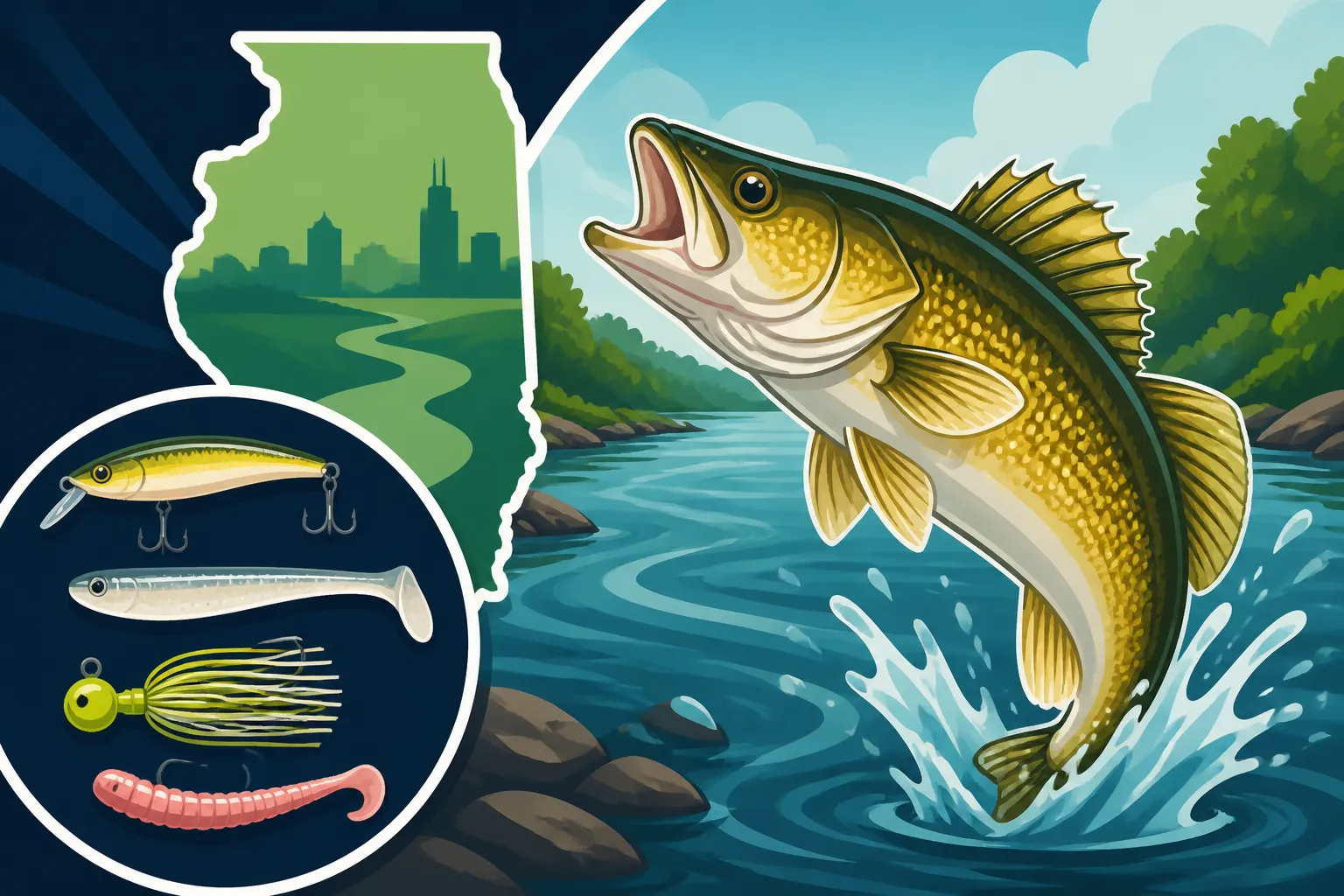
Jigs are arguably the most versatile and consistently effective artificial lure for river walleye. They come in countless shapes, sizes, and colors, and can be tipped with soft plastics, minnows, or even a piece of a nightcrawler. The beauty of a jig in river current is its ability to be precisely controlled. You can fish it vertically, drift it, or cast and retrieve it.
For river walleye, heavier jigs (1/4 to 3/4 ounce, sometimes even heavier depending on current and depth) are often necessary to maintain bottom contact. Popular soft plastic trailers include paddle tails, grub tails, and straight-tail worms in natural colors like chartreuse, white, or various shades of green and brown. The key is to "feel the bottom" – that subtle tap-tap as your jig makes contact. A slow, controlled retrieve or drift that keeps the jig just ticking the bottom is often deadly. Many anglers swear by a specific jig head and plastic combination; it’s worth experimenting to find what the walleye prefer on a given day. You can find a huge variety of jig heads and soft plastics on Amazon, making it easy to stock up for any fishing trip. For more on this technique, our article on Walleye Jigging Techniques offers plenty of tips.
Crankbaits and Stickbaits: Covering Water
When walleye are actively feeding or you need to cover large expanses of river to find them, crankbaits and stickbaits become invaluable. These lures mimic baitfish and are designed to dive to specific depths, making them perfect for targeting submerged structure, channel edges, or flats.
Shallow-diving stickbaits work well in shallower sections or when fishing over submerged weed beds, while deep-diving crankbaits are essential for probing river channels and deep holes. Trolling with crankbaits is a popular and very effective method for river walleye, especially on larger rivers where you can cover miles of water, such as the Mississippi River Walleye and Pike Fishing in Northern Illinois. The vibration, flash, and darting action of a crankbait can trigger aggressive strikes. Experiment with different colors – natural baitfish patterns often excel in clear water, while brighter colors like firetiger or chartreuse can be effective in stained or muddy conditions. You can check out a wide selection of these versatile lures on Amazon before your next trip.
Blade Baits and Spoons: Vibrations That Trigger Bites
Sometimes, walleye need a little extra persuasion, and that's where blade baits and spoons shine. Blade baits are metal lures designed to vibrate intensely on the retrieve or during a lift-and-fall presentation, sending out strong sonic waves that walleye can detect even in murky water or low light. They're excellent for vertical jigging in deep holes or along steep breaks.
Spoons, on the other hand, offer a different kind of action. They wobble and flash as they fall, imitating a wounded baitfish, and can be jigged or cast and retrieved. Both blade baits and spoons are fantastic for eliciting reaction strikes from otherwise hesitant fish. The rapid vibration of a blade bait, particularly when you rip it up from the bottom and let it flutter back down, can be irresistible. Similarly, a spoon dancing through the water can make a walleye snap. These lures are particularly effective in colder water or when fish are lethargic, as they don't require the fish to chase them far.
Presentation and Techniques: Making Your Bait Count
Having the best bait in the world won't matter if you don't present it correctly. River fishing for walleye often demands precision and adaptability, as conditions can change rapidly.
Drifting and Bottom Bouncing
One of the most natural and effective ways to present bait in a river is by drifting or bottom bouncing. This technique allows your bait (whether live or artificial) to move with the current, mimicking natural forage. For bottom bouncing, you'll typically use a three-way swivel rig or a walking sinker setup, keeping your bait just off the bottom as you slowly drift downstream. This is excellent for targeting walleye holding in current seams or along channel edges.
When drifting, use your trolling motor sparingly to control your speed, aiming to match the current as closely as possible. This presentation gives walleye ample time to inspect your offering. It's particularly effective when walleye are spread out or when they're not actively chasing. Keeping your line as vertical as possible while drifting helps maintain better contact with your bait and the bottom. Mastering this technique can dramatically improve your success rate on rivers like the Fox River or the Kankakee River. For those fishing from shore, check out How to Catch Walleye From the Bank for alternative strategies.
Vertical Jigging in Deep Holes
Deep holes, current eddies, and submerged rock piles are classic walleye holding areas in rivers. When you find these hotspots, vertical jigging is an incredibly precise and effective technique. This involves positioning your boat directly over the structure and dropping a jig straight down, keeping it just off the bottom or making short, sharp lifts and drops.
This method is especially good for targeting schooled walleye in specific locations. A good fish finder is invaluable here, helping you pinpoint fish and structure. The subtle action of a jig, often tipped with a minnow or a soft plastic, can trigger bites from fish that are holding tight to the bottom and aren't willing to move far. It’s also a great way to handle the challenge of fishing in strong current without your bait getting swept away. Often, the bite is very subtle – just a light tap or a feeling of weight, so paying close attention to your line is key. Understanding How to Find Walleye in Current will help you locate these prime spots.
Trolling River Channels and Edges
On larger Illinois rivers, trolling can be one of the most efficient ways to cover vast amounts of water and find active walleye. This involves pulling crankbaits or spinner rigs behind your boat at a controlled speed, typically along channel edges, submerged humps, or across flats where walleye are known to feed.
Matching your trolling speed to the current and the lure's action is crucial. Different lures perform best at different speeds. The goal is to present your bait at the depth where walleye are actively feeding. Using a rod holder and watching your rod tip for vibrations can help detect subtle bites. This method is particularly productive during periods when walleye are actively searching for food, such as during the pre-spawn or late fall feeding frenzies. Make sure to consult Illinois Walleye Size and Catch Limits before your trip to ensure you're compliant with regulations on any kept fish. If you plan to use a boat, understanding How to Catch Walleye From a Boat is also essential.
| Bait Type | Best River Conditions | Pros | Cons |
|---|---|---|---|
| Live Minnows | Moderate to fast current, clear water | Natural action and scent, high success rate | Requires care, can be expensive, sometimes fragile |
| Nightcrawlers | Slower current, stained water | Strong scent, durable, good for slow bites | Can be picked off easily, less flash |
| Leeches | Moderate to slow current, any water clarity | Extremely durable, natural movement | Can be harder to find, sometimes pricey |
| Jigs (tipped) | Any current, deep holes, structure | Versatile, precise, good feel of bottom | Requires skill to "feel" the bite, can snag |
| Crankbaits | Covering open water, trolling, active fish | Covers lots of water, good for reaction bites | Can get snagged, might not work on finicky fish |
| Blade Baits/Spoons | Deep water, strong current, reaction bites | High vibration, effective for sluggish fish | Can be heavy, requires active jigging |
No matter which bait you choose, remember that adaptability is your best friend when river fishing. What worked yesterday might not work today, and what works in one stretch of the river might not work in another. Pay attention to the water conditions, current speed, and most importantly, what the fish are telling you. Good luck out there, and tight lines!
Disclaimer
This article is for general informational purposes only and does not constitute professional advice. Laws, prices and regulations vary by location and change over time. Consult a qualified professional for guidance on your specific situation.