Walleye Trolling Techniques
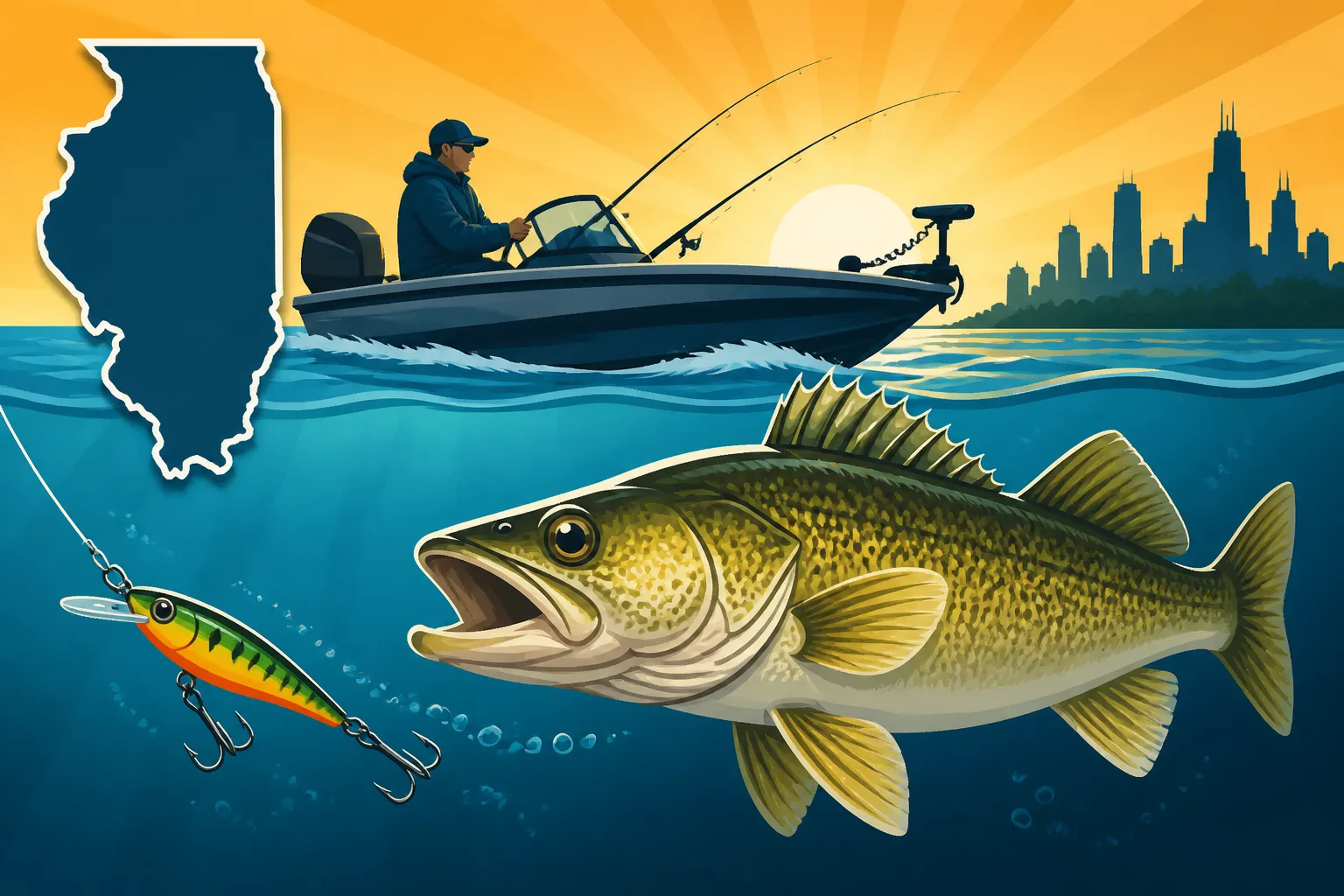
Trolling for walleye can sometimes feel like trying to solve a puzzle with a thousand pieces, especially when you’re out on a big Illinois lake, staring at a vast expanse of water. It's frustrating to know those trophy walleye are down there, but feel utterly clueless about how to get your lure in front of them effectively. This comprehensive guide is here to demystify walleye trolling techniques, breaking down the strategies, gear, and nuances you need to confidently find and catch more walleye across Illinois waters.
Understanding Walleye Behavior for Trolling Success
Before you even think about dropping a line, understanding how walleye behave is absolutely crucial for successful trolling. These fish aren't just swimming around aimlessly; they're influenced by water temperature, available forage, and light conditions. Knowing their habits will inform every decision you make about your trolling setup and strategy.
Seasonal Movements and Depths
Walleye are masters of adaptation, constantly moving to find their comfort zone and food sources throughout the year. In Illinois, this means their depth preferences can change dramatically from spring to fall.
- Spring: As ice melts and water temperatures begin to rise, walleye start to move into shallower areas to spawn. You’ll find them in depths of 5-15 feet, often near rocky points, gravel bars, or feeder creek mouths. They’re still a bit lethargic early in the season, so slower trolling speeds are key. Think about areas where the sun can warm the water faster. Once spawning is over, they’ll often linger in these shallower areas for a bit, feeding aggressively before dispersing. This is a prime time for anglers who are ready for some fast action.
- Summer: Once water temperatures really heat up, walleye typically retreat to deeper, cooler waters. You might find them suspended over open water, especially in large reservoirs like Lake Shelbyville or Carlyle Lake, or hugging cooler main lake humps and submerged points. Depths of 15-30 feet, or even deeper in some lakes, become their prime real estate. They'll often move shallower during low-light conditions, such as dawn, dusk, or overcast days, to feed. During the bright parts of the day, however, they're usually tucked away in the darker, cooler parts of the water column.
- Fall: As water temperatures cool down again, walleye become incredibly active, putting on the feedbag for the upcoming winter. They'll start to move back into shallower areas, though not as shallow as in spring, often concentrating on transition zones between deep and shallow water, or around schools of baitfish. Depths of 10-25 feet are common, and they can be found aggressively chasing bait. This period offers some of the best trophy walleye fishing opportunities, as they are actively hunting.
Forage and Preferred Habitats
Walleye are primarily piscivores, meaning they love to eat other fish. Understanding their main diet in different Illinois lakes will help you select the right lures and presentations.
- Baitfish: In many Illinois lakes, walleye feast on shad, alewives, perch, and various minnows. If you know what baitfish are abundant in the water you're fishing, matching your lure's size, color, and action to mimic that forage is a game-changer. For instance, if crappie are abundant, a lure that imitates a small crappie might do the trick. The Illinois Department of Natural Resources often stocks walleye in a variety of lakes, and these fish quickly adapt to the local forage base.
- Structure: Walleye are often found near structure, whether it’s natural or man-made. This includes submerged timber, rock piles, ledges, humps, and points. These structures provide ambush points for feeding and cover from bright sunlight. In rivers like the Mississippi River, current seams, eddies, and wing dams are prime walleye habitat. Trolling effectively often means guiding your lure right alongside or over these features. When you're considering your next trip, remember that understanding where the walleye hide can significantly boost your chances.
Essential Gear for Walleye Trolling in Illinois
Getting set up for walleye trolling can seem like a significant investment, but having the right tools makes all the difference. You don't need the most expensive gear, but you do need equipment that's up to the task of presenting your bait effectively and handling those powerful walleye strikes.
Rods, Reels, and Line Selection
The foundation of your trolling setup starts with your rod, reel, and line. Each component plays a vital role in your success.
- Rods: For trolling, you generally want medium to medium-heavy power rods with a moderate to fast action. This allows for sufficient backbone to handle crankbaits or bottom bouncers, while still having enough flex to absorb strikes and prevent hooks from pulling out. A length of 7 to 9 feet is common, providing good leverage and keeping lines spread out when running multiple rods. A longer rod can also help when you need to quickly clear obstacles or steer around a snag. Brands like St. Croix or Fenwick offer excellent trolling rod options that are durable and sensitive enough to detect subtle bites.
- Reels: Line counter reels are almost a necessity for effective trolling. These specialized baitcasting reels allow you to precisely measure how much line you have out, which is critical for replicating successful presentations. Whether you're running crankbaits at a specific depth or keeping a bottom bouncer in the strike zone, knowing your line out is key. Make sure your reels have a smooth drag system, as walleye can put up a surprisingly strong fight, especially larger fish. Shimano and Daiwa both produce reliable line counter reels that many Illinois anglers trust.
- Line: The type of line you choose impacts how your lure runs. Monofilament line has stretch, which can act as a shock absorber, but it also has more drag in the water, affecting depth. Fluorocarbon is less visible and has less stretch, offering more sensitivity, but it can be pricier. Braided line is incredibly strong with almost no stretch, providing maximum sensitivity, but it's very visible and can cut through fish if not handled carefully. Many anglers opt for a braid main line with a fluorocarbon leader for a good balance of strength, sensitivity, and stealth. Test out different line types to see what works best for your specific applications and the conditions you're facing.
Lures, Baits, and Presentation
This is where the artistry of walleye trolling really comes into play. The right lure, presented correctly, can turn a slow day into a memorable one.
- Crankbaits: These are arguably the most popular trolling lures for walleye. They come in an endless array of colors, sizes, and diving depths. Shallow-diving crankbaits work well in spring, while deep divers are essential for summer and fall trolling when walleye are holding deeper. Choose colors that mimic local baitfish or offer a contrasting flash. Popular brands like Rapala, Berkley, and Bandit produce effective crankbaits. Experiment with different models to see what the walleye are keying in on that day. Sometimes a subtle rattle makes all the difference, other times a silent bait is preferred.
- Bottom Bouncers and Live Bait Rigs: When walleye are hugging the bottom, especially on structured areas like humps or along ledges, bottom bouncers paired with live bait or plastics are incredibly effective. A bottom bouncer keeps your bait near the bottom without constantly snagging, while a snelled hook with a minnow, nightcrawler, or leech trails enticingly behind. This setup is particularly potent when trying to target fish in specific depth ranges on uneven bottom terrain. Remember to check local regulations on live bait, as some Illinois waters may have restrictions.
- Other Options: Spinner rigs, often tipped with a crawler or minnow, are fantastic for enticing active walleye, especially when they're feeding on smaller baitfish. Spoons can also be effective, particularly for suspended walleye or when fishing in areas where fish are chasing schools of bait in open water. Don't be afraid to experiment, and always carry a variety of options in your tackle box. Many anglers find great deals on these diverse lures and baits on platforms like Amazon.
Trolling Motor and Electronics
Modern technology has revolutionized walleye trolling, making it easier and more efficient than ever before.
- Trolling Motor: A reliable bow-mount electric trolling motor with GPS capabilities is a game-changer. Features like "spot-lock" or "anchor mode" allow you to hold your boat precisely over a productive area, even in wind or current, without constantly steering. This frees you up to focus on fishing. Autopilot functions can help you maintain a straight trolling path or follow a contour line, which is invaluable for precise presentations. Minn Kota and Lowrance Ghost are popular choices among serious walleye anglers for their durability and advanced features.
- Fish Finders and Sonar: High-quality fish finders with side-imaging and down-imaging sonar are indispensable. They allow you to see not only fish directly beneath your boat but also structure and fish off to the sides. This helps you identify productive areas, locate baitfish schools, and even spot individual walleye. Pay attention to your depth contours, thermoclines (where temperature changes rapidly), and any schooling bait. Being able to mark fish and structure before you even drop a line can save you hours of unproductive trolling. Make sure you understand how to use your unit effectively; a good fish finder is only as good as the angler operating it.
Key Trolling Techniques and Strategies
Now that you've got your gear sorted, let's dive into the actual techniques. Trolling isn't just dragging a lure behind the boat; it's a dynamic approach that requires constant adjustment and attention to detail.
Open Water Trolling with Crankbaits
This is perhaps the most common and often productive way to cover water and find active walleye, especially during the summer and fall when fish might be scattered or suspended.
- Running Multiple Lines: To maximize your chances, utilize multiple lines. In Illinois, you're usually limited to three lines per angler. This allows you to present different crankbaits at various depths and colors. Using different diving lures or employing lead core line and planer boards (which we'll discuss next) can help spread out your presentation horizontally and vertically. The goal is to cover as much of the water column as possible to find where the walleye are holding.
- Controlling Depth: The depth your crankbait runs is determined by several factors: line diameter, trolling speed, and the lure's design. Fatter lines and faster speeds will make your lure run shallower, while thinner lines and slower speeds (within the lure's optimal range) will allow it to dive deeper. Many crankbaits come with diving charts, but real-world conditions can vary. You can use dive curves (often found online or through apps) to estimate your lure's depth at different speeds and line-outs. Remember that even a small change in speed or line out can make a big difference in depth.
- Speed and Action: Pay close attention to your trolling speed. Most walleye crankbaits have an optimal speed range, typically between 1.5 and 3.0 mph, where they exhibit their best action. However, walleye can be finicky. Sometimes a slower speed (1.0-1.5 mph) is best for lethargic fish, while other times a faster pace (2.5-3.0+ mph) is needed to trigger aggressive strikes. Experimentation is key. Observe your rod tip: a steady vibration indicates your crankbait is running correctly.
Contour Trolling with Bottom Bouncers and Live Bait
When walleye are relating tightly to bottom structure, contour trolling with bottom bouncers is the way to go. This method excels at keeping your bait in the strike zone on specific depth contours.
- Following Depth Contours: The main principle here is to use your GPS-enabled trolling motor or chartplotter to follow specific depth contours. If your fish finder shows walleye holding in 18 feet of water along a submerged ledge, you want to keep your boat moving along that 18-foot contour line. This ensures your bottom bouncer and trailing bait stay in the prime depth zone. This technique is particularly effective in lakes with distinct features, allowing you to methodically work a specific piece of structure.
- Weight Selection and Line Angle: The weight of your bottom bouncer needs to match your trolling speed and depth to maintain a roughly 45-degree angle from your rod tip to the water. If your line is too vertical, your bouncer is too light; too horizontal, it’s too heavy. Common bottom bouncer weights range from 1/2 oz to 3 oz. The goal is to feel the bouncer occasionally tap the bottom, indicating you're in the right zone, without constantly snagging.
- Live Bait vs. Artificials: While live bait (minnows, leeches, nightcrawlers) is a traditional and highly effective choice for bottom bouncers, artificial presentations like soft plastics or Gulp! products can also be deadly. Artificials offer convenience and durability, often standing up to multiple fish. Experiment to see what the walleye prefer on any given day. Sometimes the natural movement and scent of a live minnow is irresistible, other times a brightly colored plastic twitching through the water is what triggers a bite.
Lead Core and Planer Board Applications
These advanced techniques allow you to present lures far from the boat, covering more water and targeting wary fish that might be spooked by the boat's presence.
- Lead Core Trolling: Lead core line is a specialized line with a lead core wrapped in a braided sheath. It sinks at a predictable rate, allowing you to reach specific depths without added weights like bottom bouncers or downriggers. The general rule of thumb is that one "color" (which is typically 10 yards of line) will get you about 5 feet deep for a medium-diving crankbait at 2 mph. By letting out a certain number of colors, you can precisely control your lure's depth. This is excellent for targeting suspended walleye in open water or specific depth zones. It does require specific lead core reels due to the line's bulk.
- Planer Boards: Planer boards are designed to pull your fishing line out to the side of the boat, away from the prop wash and the boat's shadow. This is particularly effective for shy walleye in clear water, allowing your lures to run through undisturbed water. Both inline and mast-and-board systems are used. Inline boards clip directly to your line, while mast systems involve a main line from a mast reel to a large board, with individual lines attached to clips on the board. Planer boards are often used in conjunction with crankbaits or spinner rigs to cover a wider swath of water. Many reputable fishing brands, available on Amazon, offer quality planer board setups.
Optimizing Your Trolling Pass
Simply dragging lures through the water isn't enough; true trolling success comes from optimizing every pass you make. It's about precision, observation, and continuous adjustment.
Speed, Direction, and Turns
Small adjustments in how you steer and the speed you travel can have a huge impact on whether you get a bite. Walleye are often triggered by changes in lure action.
- Varying Your Speed: Don't just set your speed and forget it. Try varying your speed slightly, speeding up for a few seconds, then slowing down. These subtle changes cause your crankbaits to dive and rise, or your live bait to flutter, often triggering a strike from following fish. A change of just 0.2-0.5 mph can make a significant difference. Pay attention to when bites occur – was it during an acceleration or deceleration? That might tell you something important.
- Strategic Turns: Instead of trolling in straight lines, make gentle S-turns or wide arcs. When your boat turns, the lures on the inside of the turn slow down and sink, while those on the outside speed up and rise. This creates a highly enticing action that walleye often can't resist. Many experienced anglers report that a high percentage of their bites come during or immediately after a turn. Use your GPS mapping to identify areas that merit repeated passes and turns, focusing on structure, baitfish schools, or previous strike zones.
- Direction Relative to Wind/Current: Consider how wind and current affect your boat and lure presentation. Trolling with the wind or current can be easier for boat control but might require a faster boat speed to achieve optimal lure action. Trolling against the wind or current provides more precise boat control at slower speeds and can make your lures present more naturally. In rivers like the Illinois River, fishing upstream often yields different results than fishing downstream.
Reading Your Electronics for Active Fish
Your fish finder isn't just for locating depth; it's a window into the underwater world, showing you where the fish are and what they're doing.
- Interpreting Sonar Readings: Learn to distinguish baitfish schools from individual large fish, and understand what structure looks like on your screen. Active fish often appear as strong, distinct arches, sometimes suspended above structure. If you see fish tightly bunched near the bottom, a bottom bouncer might be the answer. If they're scattered throughout the water column, open water crankbait trolling might be more effective.
- Spotting Baitfish and Structure: Walleye follow their food. If your sonar lights up with dense schools of baitfish, you can bet walleye are nearby. Target the edges of these schools or troll through them. Similarly, when you mark structure like humps, points, or submerged brush piles, focus your efforts there. Even subtle changes in bottom composition can hold fish. For example, a transition from soft mud to hard rock can be a key feeding area.
- Using Waypoints: Every time you get a bite, mark a waypoint on your GPS. This allows you to return to that exact spot, troll the same path, and replicate your successful presentation. Over time, you'll start to build a map of productive areas on your favorite Illinois lakes. This is especially useful when chasing walleye that are known to concentrate in specific areas. You can also use waypoints to mark submerged hazards or potential snag areas.
Adapting to Conditions
No two days on the water are exactly alike. Being able to adapt your trolling strategy to changing conditions is the hallmark of a successful walleye angler.
- Water Clarity: In clear water, walleye tend to be warier. Use natural lure colors, thinner lines, and consider trolling further away from the boat with planer boards. In stained or murky water, brighter, more vibrant colors (like chartreuse or fire tiger) and lures with rattles can be more effective, as they offer better visibility and vibration.
- Weather Changes: Barometric pressure changes, cold fronts, and sunny vs. cloudy conditions all impact walleye behavior. After a cold front, fish might become lethargic and move deeper; slower speeds and subtle presentations might be needed. On overcast days, walleye might move shallower and be more aggressive. Always check the forecast and adjust your approach accordingly.
- Wind and Waves: Wind and waves can make boat control challenging, but they can also create current and oxygenate the water, often stimulating walleye to feed. Troll into waves for better boat control and a more consistent lure presentation. If the waves are too large, consider moving to a more sheltered area or adjusting your speed to maintain control. The wind can also help spread your boat’s scent and shadow, making fish less wary.
Common Trolling Challenges and Troubleshooting
Even the most seasoned walleye anglers face challenges. The key is to know how to identify problems and troubleshoot them effectively, turning potential frustrations into learning opportunities.
Dealing with Snags and Weeds
One of the most annoying parts of trolling, especially with crankbaits or bottom bouncers, is constantly getting snagged or picking up weeds. This not only wastes time but also puts your expensive lures at risk.
- Understanding the Bottom: Before you troll, use your map and sonar to get a good understanding of the bottom composition and any known hazards. If you're fishing an unfamiliar area, start with a lure that runs a bit shallower until you get a feel for the bottom. Don't be afraid to pull up your lines and visually inspect your lures if you suspect you've been dragging through a weed bed.
- "Bouncing" Techniques: For bottom bouncers, learn to "bounce" them gently along the bottom, lifting your rod tip slightly when you feel resistance to avoid snags. For crankbaits, if you're consistently hitting the bottom, either increase your speed, shorten your line, or switch to a shallower-diving lure. In extremely weedy areas, consider switching to weedless presentations or suspending lures higher in the water column.
- Lure Retrieval Tools: It's a good idea to carry a lure retriever tool. These devices can often free snagged lures, saving you money and frustration. Some are simple weighted chains that slide down your line, while others are more elaborate systems. A good lure retriever is a small investment that pays off quickly. You can find a range of reliable options on Amazon.
Adjusting for Weather and Water Clarity
As we mentioned, conditions are rarely static. Being able to quickly pivot your strategy based on the environment is essential.
- Pre and Post-Front: Walleye often feed aggressively before a cold front moves in, as barometric pressure drops. This can be a prime time for faster trolling speeds and aggressive lure colors. After the front passes and the skies clear, fish tend to become less active and move deeper. Slow down, use more subtle presentations, and focus on vertical jigging or slowly creeping bottom bouncers.
- Sunny vs. Cloudy: On bright, sunny days, walleye typically prefer deeper, darker water or heavy cover. Use deeper-diving lures or lead core to target them. Consider using natural, muted colors. On cloudy days or during low light, walleye are often more willing to move shallower and chase bait. You might find success with brighter colors and shallower running crankbaits. The fish's eyes are very sensitive to light, so this is a major factor.
- Wind Direction and Speed: A strong wind can create a "walleye chop" that many anglers swear by. The disturbance on the surface can break up light penetration, making walleye more comfortable moving and feeding. Use the wind to your advantage for boat control if possible, or work sheltered banks if the main lake is too rough. However, too much wind can make lure presentation inconsistent and boat control nearly impossible.
Overcoming a Slow Bite
We've all been there: trolling for hours with no action. It's frustrating, but it's also an opportunity to troubleshoot and learn.
- Check Everything: First, check the basics. Are your lines clean? Are your hooks sharp? Is your bait fresh? Is your trolling motor actually working at the speed you think it is? Sometimes the simplest issues are the culprits.
- Change One Variable at a Time: Don't change everything at once. If the bite is slow, change one thing: speed, color, depth, or lure type. If that doesn't work after 15-30 minutes, change another variable. This systematic approach helps you pinpoint what the fish are responding to.
- Scan for New Areas: If you've worked a productive spot thoroughly and the bite has shut down, don't be afraid to move on. Use your electronics to scan for new schools of baitfish, different depth contours, or new pieces of structure. Sometimes a short move to a different area is all it takes to find actively feeding walleye. Remember that walleye in Illinois's various lakes and rivers can be quite localized, so exploring is part of the game.
Trolling Technique Comparison Table
Here's a quick look at how different trolling techniques stack up for various scenarios:
| Technique | Primary Depth Range | Optimal Trolling Speed | Ideal Conditions | Pros | Cons |
|---|---|---|---|---|---|
| Crankbait Trolling | 5-30+ feet (lure dependent) | 1.5 – 3.0 mph | Open water, suspended fish, searching | Covers vast amounts of water quickly; wide lure variety | Depth can be tricky to control precisely; snags in heavy cover |
| Bottom Bouncer Rig | 10-40 feet | 0.8 – 1.5 mph | Bottom-hugging fish, structured areas, light current | Excellent for precise bottom contact; effective with live bait | Slower speeds mean less water covered; more prone to snags on rough bottom |
| Lead Core Trolling | 10-50+ feet | 1.5 – 2.5 mph | Suspended fish, specific depth zones, clear water | Precise depth control without added weights; less boat-shy fish | Bulky line, requires specific reels; can be tricky to manage multiple lines |
| Planer Board Trolling | Varies (lure dependent) | 1.0 – 3.0 mph | Clear water, wary fish, covering wide areas | Spreads lures away from boat; covers maximum width | Requires more setup time; boards can be cumbersome |
Disclaimer
Fishing conditions and regulations in Illinois can change, and it's essential to stay informed. Always consult the latest Illinois Department of Natural Resources (IDNR) fishing regulations before heading out on the water. This guide provides general information and techniques, but local rules, specific lake conditions, and individual fish behavior can vary. Your safety and adherence to all laws are your responsibility.