How to Catch Big Crappie at Rend Lake
Trying to land those big crappie at Rend Lake can sometimes feel like chasing ghosts, right? You hear the whispers of massive slabs, but when you get out there, it's often the smaller ones biting. It’s frustrating when you put in the effort and don't see the results. This guide is here to unravel the mysteries of Rend Lake crappie, providing proven strategies and insights to help you specifically target and catch those impressive, larger fish.
Understanding Rend Lake's Unique Crappie Fishery
Rend Lake, situated in southern Illinois, isn't just another body of water; it's a crappie powerhouse. What makes this lake so special for crappie, particularly the larger ones that make your cooler sing? Well, it boils down to a combination of its size, structure, and the diligent management by the Illinois Department of Natural Resources (IDNR). This 18,900-acre reservoir is designed with a multitude of submerged timber, brush piles, and shallow flats that provide ideal habitat for both black and white crappie to thrive and grow to impressive sizes.
Why Rend Lake is a Crappie Hotspot
The sheer abundance of cover in Rend Lake is a major factor. Imagine miles of standing timber, hundreds of man-made fish attractors, and natural brush piles that provide endless ambush points and sanctuaries for crappie. This isn't just about having some cover; it's about having diverse cover that supports crappie at every stage of their life cycle. From spawning beds in the shallow flooded timber to deep-water brush piles for wintering fish, Rend Lake has it all. This extensive, varied habitat allows crappie to spread out, find food, and avoid predators, leading to better survival rates and, ultimately, larger fish. For a broader overview of this fantastic fishery, check out our Rend Lake Fishing Guide for Illinois Anglers.
Key Characteristics of Rend Lake Crappie
Rend Lake is known for producing both black and white crappie, and often, anglers will encounter a mix of both. Black crappie tend to prefer clearer water and more dense vegetation, while white crappie are often found in murkier water and around open-water structure. However, in a lake like Rend, with its diverse conditions, these preferences can often overlap. The lake consistently yields crappie in the 10-14 inch range, with many fish pushing past that mark, sometimes even reaching the coveted 15-inch mark and beyond. These larger fish are typically older, wiser, and require a bit more finesse and understanding to trick into biting. They aren't just looking for any meal; they're looking for an easy, substantial one.
Seasonal Strategies for Targeting Big Rend Lake Crappie
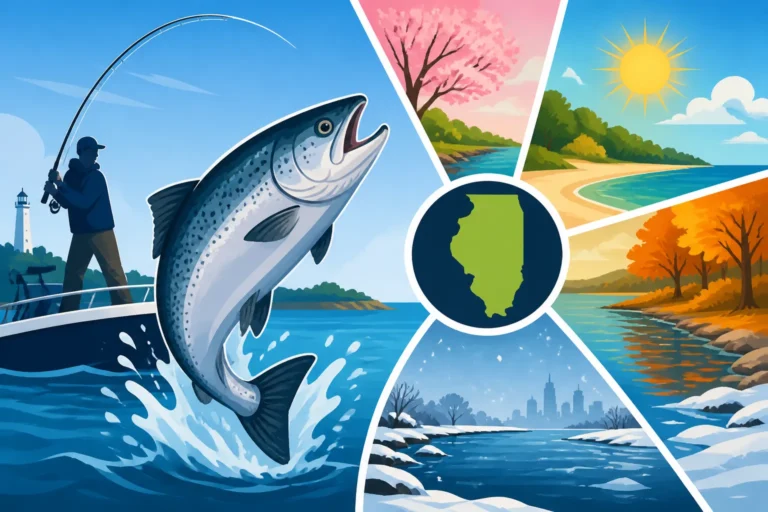
Knowing when and where to find crappie is half the battle, and this becomes even more critical when you're specifically after the bigger fish. Rend Lake crappie exhibit distinct seasonal patterns, and understanding these movements is key to consistent success.
Spring: The Spawn and Pre-Spawn Frenzy
Spring is arguably the most anticipated time for crappie anglers, and for good reason. As water temperatures begin to climb, crappie move from their deeper wintering grounds into shallower waters, first for pre-spawn feeding and then for the actual spawn. This is when the bigger fish are most accessible, as they congregate in relatively predictable areas.
- Pre-Spawn (Late March to Mid-April): Once water temperatures hit the mid-40s to low 50s Fahrenheit, crappie start their migration. They'll often stage in slightly deeper water adjacent to their eventual spawning grounds, typically around creek channels, submerged timber lines, and brush piles in 8-15 feet of water. During this phase, they are actively feeding to build energy for the spawn. This is an excellent time to use horizontal presentations like small crankbaits or suspending jerkbaits, as well as classic jigging with minnows or jigs. Focus on areas that warm up quickly, like north-facing banks or shallow coves protected from the wind.
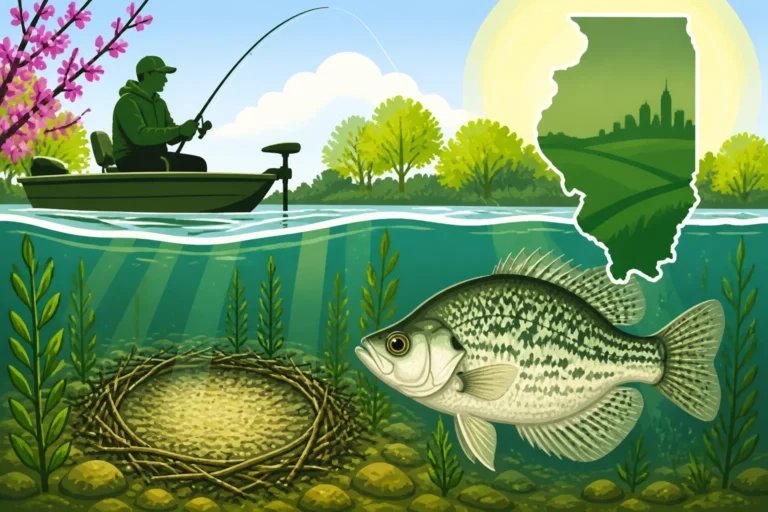
- The Spawn (Late April to Mid-May): When water temperatures consistently reach the mid-50s to low 60s, the crappie spawn kicks into full gear. Big crappie will move into very shallow water, often less than 5 feet deep, particularly in flooded timber areas, around cypress trees, and in dense brush. They are protecting their nests and can be quite aggressive. Vertical jigging with small jigs (1/16 to 1/32 oz) tipped with a minnow or soft plastic is incredibly effective. Target visible cover, slowly working your bait around every stump and branch. This is often the time when you'll hear about anglers filling coolers with slabs. For more detailed timing, consult an Illinois Crappie Spawn Season Guide.
Summer: Deep Water and Shade Tactics
Once the spawn is over and water temperatures rise into the 70s and 80s, crappie transition to their summer patterns. The big fish often retreat to deeper, cooler water, seeking out thermal refuges and dense cover.
- Mid-Summer (June to August): Look for crappie suspending over creek channels, around deep timber, and in significant brush piles in 15-25 feet of water. They will often relate to the thermocline if one forms. The key here is to find schools of baitfish, as crappie will be close by. Spider rigging with multiple rods, slow trolling, or vertical jigging directly over submerged structure using your electronics are prime techniques. Remember, the biggest crappie are often found holding tight to the densest cover, seeking shade and ambush points. Early mornings and late evenings can also see them venture slightly shallower to feed.
- Late Summer (August to September): As summer wanes, crappie may begin to school up more tightly and will still be found in deeper areas, but might start to relate more to main lake points or channel bends where baitfish are abundant. This can be a great time for consistent action if you locate a productive school.
Fall and Winter: Transition and Deep-Water Holds
Fall brings a feeding frenzy as crappie fatten up for winter, and winter sees them consolidate in predictable deep-water locations.
- Fall Turnover (September to November): As water temperatures cool down, crappie become highly active, feeding aggressively. They will move shallower than mid-summer depths, often frequenting the same areas as spring pre-spawn, but in deeper sections of those zones. Look for them around submerged timber, roadbeds, and bridge pilings in 10-20 feet of water. Trolling small crankbaits or casting jigs and minnows are effective. This is often an excellent time for quantity and quality, as fish are putting on weight.
- Winter (December to February): During the coldest months, crappie will typically school up tightly in the deepest available cover that offers some protection from current and cold. Look for them in deep creek channels, submerged timber, and brush piles in 20-30+ feet of water. Vertical jigging with sensitive rods and light lines, using tiny jigs or small spoons, is the name of the game. Your boat's electronics become invaluable for finding these tight schools. Remember, their metabolism slows down, so a subtle presentation is often best.
Essential Gear and Baits for Rend Lake Crappie
Having the right tools for the job can make a huge difference, especially when you’re targeting those larger, more wary crappie. You don’t need the most expensive gear, but reliability and sensitivity are key.
Rods, Reels, and Line Selection
For crappie fishing on Rend Lake, a sensitive rod is paramount. You need to feel those subtle "thumps" and light bites that bigger crappie often deliver.
- Rods: A light to medium-light action spinning rod, 6 to 7.5 feet long, is ideal. Look for rods with a fast or extra-fast tip that can detect faint bites but still have enough backbone to handle a larger fish. Popular choices include specialized crappie rods or even light panfish rods. For spider rigging or trolling, longer, softer rods (8-14 feet) can be useful to spread out lines and absorb shock.
- Reels: Pair your rod with a small, lightweight spinning reel (500 to 1000 size) that has a smooth drag system. The drag is crucial for preventing line breaks when a big crappie makes a sudden run, especially near timber.
- Line: Opt for a 4-8 pound test monofilament or fluorocarbon line. Monofilament offers a bit of stretch, which can be forgiving, while fluorocarbon provides excellent sensitivity and is nearly invisible underwater. Braided line can be used as a main line for increased sensitivity and strength, but you'll almost always want a fluorocarbon leader (4-6 lb test) for stealth, especially in clear water.
Top Baits and Lures for Rend Lake Slabs
Crappie are opportunists, but big crappie can be picky. A combination of natural and artificial baits will cover all your bases.
- Live Minnows: The classic crappie bait for a reason. Live minnows, especially small to medium shiners, are irresistible to crappie. Hook them lightly through the lips or dorsal fin and present them under a bobber, on a jig head, or on a simple hook-and-sinker rig. They are particularly effective when fish are sluggish or when you need a natural presentation. You can find robust minnows at local bait shops around Rend Lake.
- Jigs: Small jigs (1/32 to 1/8 ounce) paired with soft plastic bodies are incredibly versatile.
- Colors: Rend Lake often has stained to murky water, so darker or brighter colors like chartreuse, black and chartreuse, pink, or orange can be very effective. White and natural baitfish patterns also have their moments, especially in clearer areas. For more insight into color choices, consider reading about Best Crappie Jig Colors for Stained Water.
- Shapes: Grub tails, paddle tails, and tube jigs are all popular. Experiment with different profiles and actions. Brands like Bobby Garland's Baby Shad or Johnson Crappie Buster jigs are widely available on platforms like Amazon and perform well.
- Small Crankbaits and Suspending Jerkbaits: These are often overlooked but can be deadly for aggressive, larger crappie, especially during pre-spawn and fall. Small baits that mimic baitfish, like Rapala Ultra Light Crank or Strike King Bitsy Minnow, can entice strikes from bigger fish that are looking for a more substantial meal. Troll them slowly or cast and retrieve them along channel edges and timber lines.
| Bait Type | Best Season | Presentation Method | Key Advantages |
|---|---|---|---|
| Live Minnows | All Seasons | Under a bobber, vertical jigging, slow trolling | Natural action, irresistible to hesitant fish |
| Soft Plastic Jigs | All Seasons | Vertical jigging, casting & retrieving, spider rigging | Versatile, variety of colors/shapes, cost-effective |
| Small Crankbaits | Spring, Fall, Summer | Trolling, casting & retrieving | Covers water, targets aggressive fish, triggers reaction |
| Suspending Jerkbaits | Spring, Fall | Jerk & pause retrieve, slow trolling | Stays in strike zone, imitates injured baitfish |
Techniques for Locating and Catching Big Crappie
Finding crappie is one thing, but consistently catching the larger ones requires refined techniques and an understanding of their behavior. It's not always about quantity; sometimes it's about targeting quality.
Mastering Vertical Jigging and Drifting
Vertical jigging is perhaps the most fundamental and effective technique for crappie, especially when they are holding tight to cover or suspending in deeper water.
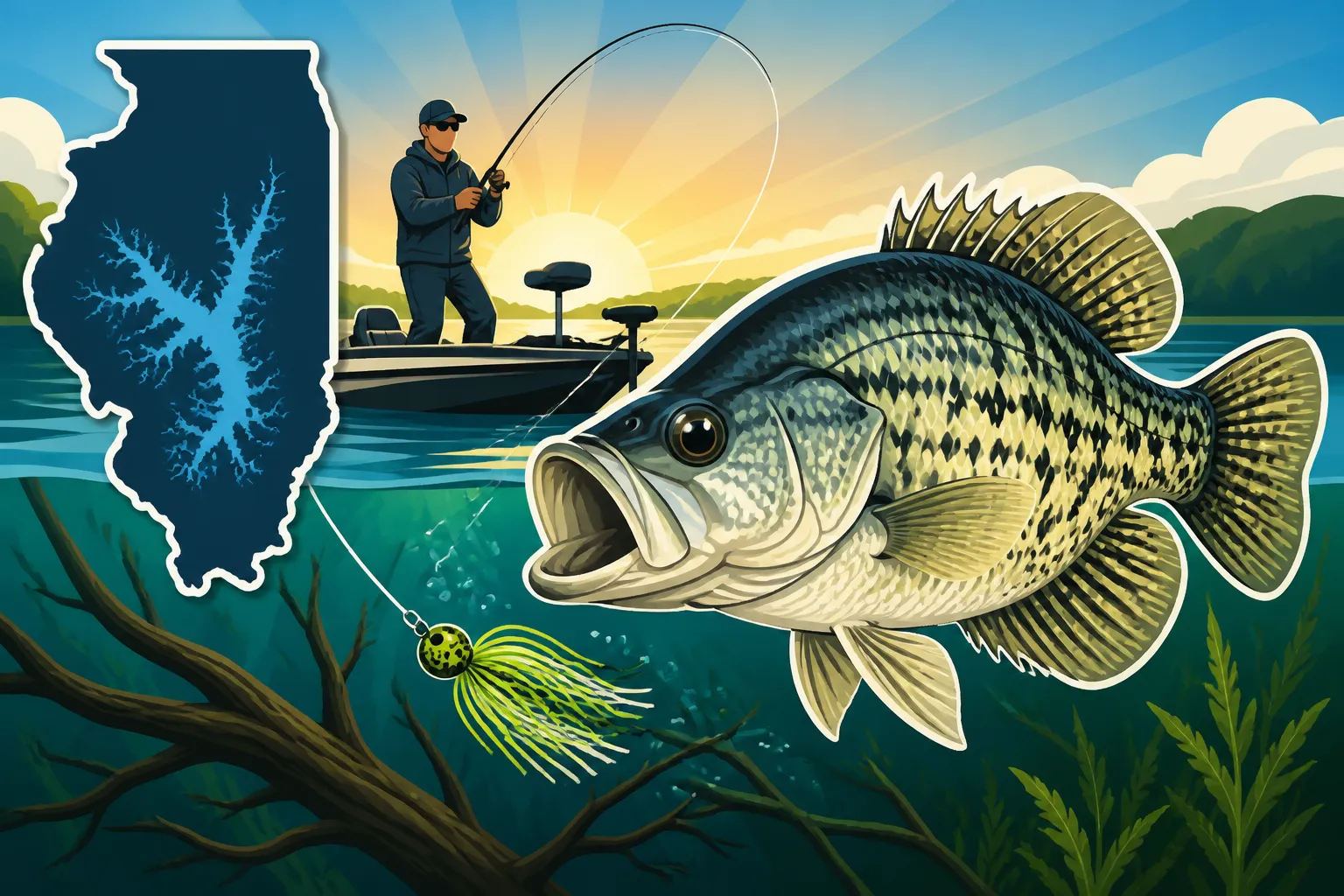
- Vertical Jigging: This involves positioning your boat directly over the fish (using your fish finder) and dropping your bait straight down. Slowly raise and lower your rod tip, imparting a subtle action to the jig or minnow. The key is to keep your bait in the strike zone for as long as possible. If you're marking fish at 15 feet, try to keep your bait at 14-16 feet. When they're hugging timber, you might need to drop right into the branches, but be prepared for snags. For some anglers, this precise presentation is essential for catching How to Catch Crappie From a Boat.
- Drifting/Slow Trolling: For covering larger areas and finding scattered fish, especially in open water during summer and fall, drifting or slow trolling can be highly productive. Use multiple rods (spider rigging) with different bait depths and colors until you find what works. A trolling motor allows for precise speed control. This method lets you present your bait to numerous crappie without spooking them. Remember to keep an eye on your electronics for structure and baitfish schools, as crappie will usually be close by.
Fishing Timber and Brush Piles
Rend Lake is absolutely full of timber and submerged brush, which are prime crappie real estate. Targeting these areas effectively is non-negotiable for big fish.
- Understanding Cover: Not all cover is created equal. Crappie often prefer specific types of cover based on season, water depth, and temperature. In spring, flooded cypress trees and buckbrush are magnets. In summer and winter, deep cedar trees or sunken brush piles along creek channels hold significant numbers. Use your electronics to identify dense cover. Side imaging is particularly useful for spotting brush piles off to the side of your boat.
- Precise Presentation: When fishing timber, precision is key. Cast or drop your jig as close to the cover as possible without getting snagged. Sometimes, you need to literally bump the cover to trigger a strike. Work your bait slowly around the entire structure, paying close attention to every limb and branch. Big crappie are often tucked deep inside the thickest part of the cover. Don't be afraid to lose a few jigs; that's the price of admission for quality fish in these areas. You can also learn more about specific Where to Catch Crappie at Rend Lake, Illinois by focusing on these prime locations.
Utilizing Electronics for Success
Modern fish finders are powerful tools that can transform your crappie fishing success, particularly for larger, suspended fish or those in deep cover.
- Sonar and Down Imaging: Use 2D sonar to locate schools of crappie and baitfish, and to identify depth changes and bottom contours. Down imaging provides a clearer, photo-like view directly beneath your boat, helping you discern individual fish from structure. Look for tell-tale "arcs" or "clouds" of fish, often relating to submerged timber or humps.
- Side Imaging/Side Scan: This technology is a game-changer for finding brush piles and timber off to the sides of your boat. Instead of driving directly over every piece of structure, you can scan wide swaths of water, identify key targets, and then approach them more discreetly. This is invaluable for locating those isolated, often unfished, brush piles where trophy crappie might be hiding. Once located, mark the waypoint and then move in for a precise vertical presentation. This really maximizes your efficiency when searching for the Best Crappie Fishing Lakes in Illinois.
- GPS and Mapping: Integrate your fish finder with GPS and detailed lake maps. This allows you to mark productive waypoints, navigate back to successful spots, and follow creek channels or depth contours with accuracy. You can often download high-definition maps for Rend Lake that show submerged structures, old roadbeds, and creek channels, which are all vital for crappie location. Having detailed maps readily available, especially on a device purchased from Amazon, can really streamline your on-the-water strategy.
Remember, patience and persistence are your best friends when targeting big crappie on Rend Lake. The biggest fish didn't get big by being careless, so a thoughtful, deliberate approach will often outproduce frantic casting. Try different presentations, vary your depths, and pay close attention to what the fish are telling you. When you find a pattern, stick with it until it stops producing.
Disclaimer
Fishing conditions and regulations in Illinois can change. Always consult the latest Illinois Department of Natural Resources (IDNR) fishing guide before heading out on the water. This information is for general guidance and educational purposes only.