Boat Fishing Tips for Beginners
Stepping onto a fishing boat for the very first time can feel like a whole new world, full of exciting possibilities but also a fair bit of trepidation. You might be wondering about everything from how to even get the boat in the water to what gear you really need, and honestly, that anxiety is completely normal. This guide is here to cut through the confusion and give you practical, reassuring boat fishing tips for beginners, ensuring your first few trips on Illinois waters are fun, safe, and hopefully, full of fish!
Getting Started: Prepping for Your First Boat Fishing Adventure
So, you’ve decided to take the plunge into boat fishing. Fantastic! But before you even think about dropping a line, there's some crucial groundwork that will make your experience much smoother and safer. It’s not just about having a boat; it's about being prepared for what the water throws at you.
Understanding Boat Safety and Regulations
One of the biggest hurdles for new boaters isn't the fishing itself, but the regulations and safety protocols. Illinois, like every state, has specific rules designed to keep everyone safe on the water. Trust me, ignoring these can lead to fines or, worse, dangerous situations.
First and foremost, you'll need to ensure your boat is properly registered with the state. This isn't just a formality; it ties your vessel to you and ensures you're operating legally. The requirements vary by boat size and motor type, so always check the latest guidelines. Beyond registration, consider what Illinois asks of its boat operators. For example, depending on your age and the horsepower of your motor, you might need an Illinois Boater Education Card Requirements. This isn't just some hoops to jump through; it teaches you critical skills like navigation rules, emergency procedures, and how to safely operate your vessel around others.
Then there are personal flotation devices (PFDs), or life jackets. This is non-negotiable. Every person on board needs access to a Coast Guard-approved life jacket, and specific rules apply to children under a certain age. You can find detailed information about Illinois Life Jacket and PFD Rules, but the simplest advice is: wear it! Especially if you're not a strong swimmer or if conditions are choppy. It's much easier to fish when you know you're safe. These items are readily available and can often be found with competitive pricing on platforms like Amazon, making it easy to equip your boat without breaking the bank. Always have a throwable PFD, like a cushion, on board too – it’s a quick solution if someone unexpectedly goes overboard.
Essential Gear for Beginner Boat Anglers
Once the safety checks are in order, you can start thinking about fishing gear. The beauty of boat fishing is the access it provides, but you don't need to overcomplicate your tackle box from the start.
For rods and reels, a couple of medium-action spinning combos are a great starting point. They're versatile enough for many different species you'll encounter in Illinois, from bass to crappie to smaller catfish. You don't need anything super fancy; reliable and easy-to-use models are widely available. When considering your setup, think about Best Rods and Reels for Illinois Anglers to match the common fish you'll be targeting. Don't forget to spool your reels with fresh line – monofilament in 8-12 pound test is very forgiving for beginners.
As for tackle, keep it simple. A selection of hooks (various sizes), sinkers (split shot and a few different weights), bobbers, and a few basic lures or baits will get you started. Think about what the fish in your chosen lake or river are likely to bite. Worms, minnows, or even simple corn can be incredibly effective for panfish or catfish. Small jigs, spinnerbaits, and crankbaits can entice bass or crappie. Don't feel pressured to buy every shiny new lure you see; start with the basics and expand as you gain confidence and learn more about what works in your local waters. You can find excellent starter kits and individual tackle pieces on Amazon to build your initial collection without feeling overwhelmed.
Having a small cooler for drinks and snacks, a first-aid kit, a pair of pliers, and a knife are also crucial. A net is incredibly helpful for landing bigger fish, preventing dropped catches and minimizing stress on the fish.
Navigating the Water: Boat Handling and Etiquette for Beginners
Steering a boat might seem daunting at first, but with a little practice and respect for the water, you'll get the hang of it quickly. It's not just about driving; it's about understanding the environment and sharing it respectfully.
Launching and Retrieving Your Boat Like a Pro
Ah, the boat ramp. This can be a source of major anxiety for new boaters, but it doesn't have to be. The key is preparation and practice.
Before you even back down the ramp, pull over to a staging area and get everything ready. Secure your gear, load up your cooler, unfasten transom straps, insert the drain plug (critical!), and raise your motor. Take your time. When it’s your turn, back down slowly and deliberately. If you have a passenger, they can guide you, but make sure your communication is clear and calm. The goal is to get the boat far enough into the water so it floats off the trailer, then quickly move the vehicle out of the way so others can launch.
Retrieval is similar. Be patient in line. When it’s your turn, back the trailer into the water, and have someone guide the boat onto it. Remember, practice makes perfect. Try to go during off-peak hours initially to avoid the pressure of a crowded ramp. Observing experienced boaters can also teach you a lot about ramp etiquette and technique. Don't be afraid to ask for help if you're truly struggling – most fellow anglers are happy to lend a hand.
Understanding Basic Navigation and Water Safety
Once you're on the water, basic navigation becomes important. Illinois lakes and rivers often have buoys and markers that indicate channels, hazards, and no-wake zones. Learn what these mean. Red buoys usually mark the right side of a channel when returning from sea (or upstream), while green marks the left. Pay attention to speed limits, especially near shorelines, swimming areas, or marinas. Illinois Boating Safety Gear Checklist reminds you of all the little things you might forget.
Always keep a watchful eye out for other boats, swimmers, and obstacles in the water. One of the biggest mistakes beginners make is not looking behind them when turning or accelerating. Stay aware of your surroundings at all times. If you're fishing on larger bodies of water, like Lake Michigan, weather conditions can change rapidly. Always check the forecast before heading out and be prepared to head back to shore if storms roll in. Having a marine radio or at least a fully charged cell phone in a waterproof case is a smart safety measure.
| Pre-Trip Checkpoints | On-Water Essentials | Safety & Regulation Highlights |
|---|---|---|
| Valid Boat Registration | Full Tank of Gas | Life Jackets (PFDs) for everyone |
| Drain Plug Inserted | Paddle or Oars (backup) | Working Navigation Lights |
| Life Jackets Accessible | Anchor with sufficient rope | Sound-Producing Device (horn/whistle) |
| Safety Gear Onboard | First-Aid Kit | Fire Extinguisher (if required) |
| Fishing License & Stamps | Pliers, Knife, Net | Boater Education Card (if needed) |
| Weather Check | Cooler with drinks/snacks | Respect No-Wake Zones & Buoys |
| Charged Phone/Radio | Basic Tackle Box | Be Aware of Other Boaters & Hazards |
Casting Your Line: Basic Fishing Techniques from a Boat
Now for the fun part – actually fishing! A boat gives you access to areas shore anglers can only dream of, opening up new possibilities for where and how you can target fish.
Positioning Your Boat for Success
One of the biggest advantages of boat fishing is the ability to position yourself precisely where the fish are. Instead of being stuck on the bank, you can slowly cruise along shorelines, drop anchor over a submerged structure, or drift across open water.
When you approach a spot, do so quietly. Fish are sensitive to noise and vibrations. Use your trolling motor if you have one, or simply paddle slowly. If you plan to stay in one spot, anchoring is crucial. Learn how to properly set your anchor so it holds the boat securely, preventing you from drifting into hazardous areas or away from the fish. If you're in a river, anchor from the bow (front) facing upstream to keep your boat stable against the current. On lakes, you might anchor on a windy side to let the wind push your boat towards your target, or anchor in calm coves. Some anglers prefer to drift, especially when covering large flats or looking for active fish. Pay attention to wind and current, and let them naturally guide your boat over potential fish-holding areas.
Knowing when to switch between techniques is also key. If you're getting bites drifting, keep drifting. If the fish are concentrated on a specific brush pile, anchor up and target that spot precisely. Different fishing spots will require different approaches, so read up on Best Fishing Spots in Illinois to get ideas.
Tried-and-True Beginner-Friendly Techniques
For beginners, simple and effective techniques are always the way to go. You want to build confidence and catch fish, not get frustrated with complex rigs.
- Bobber Fishing: This is a classic for a reason! It’s visual, easy, and effective for panfish (like bluegill and crappie) and smaller bass or catfish. Rig a small hook with a piece of worm, minnow, or corn, clip on a bobber a foot or two above, and add a small split shot weight to help it sink. Cast it near weeds, submerged brush, or docks. When that bobber goes down, set the hook! Illinois Panfish Tackle Setup covers this in more detail.
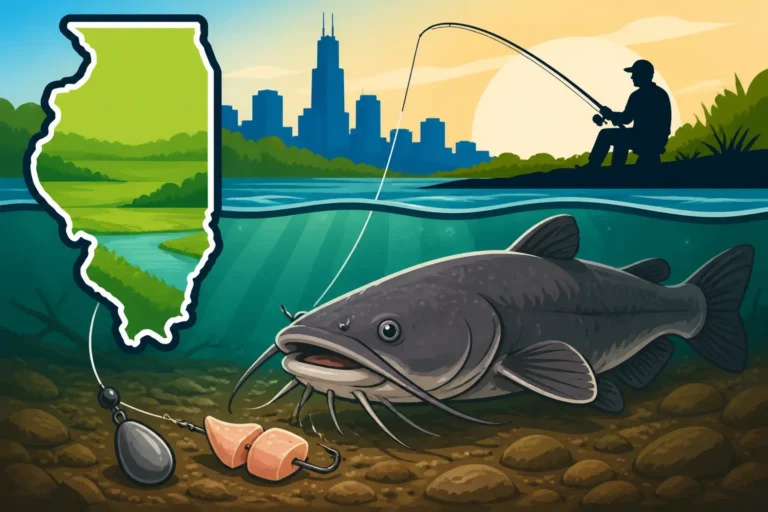
- Bottom Fishing: Excellent for catfish, carp, and even walleye. Use a heavier sinker (like an egg sinker or a bell sinker) that slides freely above a swivel, then tie a leader (about 12-18 inches) and a hook. Bait with cut bait, stink bait, or a nightcrawler. Cast it out, let it sink to the bottom, and wait for a bite. This is a very relaxed method, perfect for enjoying the scenery while waiting for a tug.
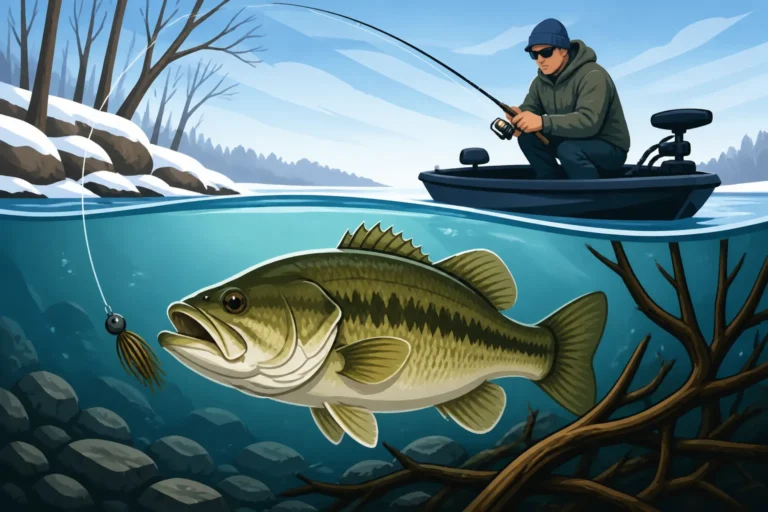
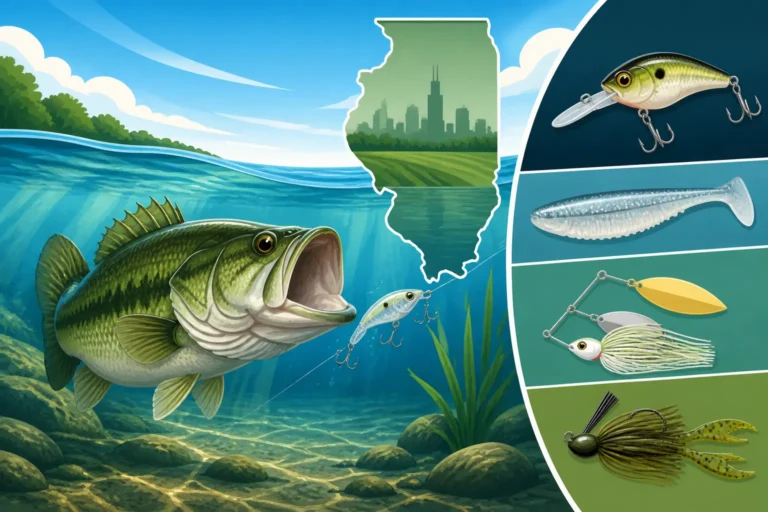
- Simple Casting with Lures: Once you're comfortable casting, try a few easy-to-use lures. Spinnerbaits are great for bass and northern pike; just cast them out and reel them back in steadily. Small crankbaits or jigs can work wonders for crappie and bass, too. The key is to keep it moving. If you're targeting specific species, exploring Best Bait and Lures for Illinois Smallmouth Bass or similar guides can give you targeted advice. Remember, fish often hang out near structure – fallen trees, rocks, weed lines – so try to cast near these areas.
Common Mistakes and How to Avoid Them
We all make mistakes, especially when learning something new. The important thing is to learn from them. Here are a few common pitfalls for beginner boat anglers and how to navigate around them.
Overlooking the Details: From the Drain Plug to the Dock Line
It’s the small things that can sometimes lead to the biggest headaches. Forgetting to put in the drain plug before launching is a classic rookie mistake – your boat will start filling with water, and that’s a quick end to your fishing trip! Always make it part of your pre-launch checklist.
Another common oversight is not having enough rope for your anchor or dock lines. You don't want to be caught adrift because your anchor line isn't long enough for the depth you're fishing, or struggle to tie up at a busy dock. Investing in quality marine rope and having plenty of it is a cheap insurance policy. Similarly, make sure your fuel tank is full. Running out of gas on the water is not just inconvenient, it can be dangerous.
And remember, every piece of gear has its place. Keep your boat organized. A tangled mess of lines, lures, and unorganized tackle boxes on the boat deck is a recipe for frustration, lost gear, and potential accidents. Organize your tackle in trays and secure loose items. You can find excellent boat organizers and tackle storage solutions on Amazon that can make a huge difference in keeping your deck clear and safe.
Disregarding Weather and Water Conditions
Many beginners, in their excitement, might overlook the importance of checking weather and water conditions. A beautiful sunny morning can turn into a dangerous thunderstorm in minutes, especially on larger Illinois waters like Lake Michigan. Strong winds can make boat control difficult and create choppy waves that are uncomfortable or even unsafe for smaller boats.
Before every trip, check the local weather forecast, including wind speed and direction. If the forecast looks iffy, it’s always better to err on the side of caution and postpone your trip. Pay attention to water levels and currents, especially on rivers. High water or strong currents can make navigation treacherous. Don’t push your limits or the limits of your boat. There’s always another day to fish. Understanding the Illinois Fishing Season and Catch Limit Rules is also vital, as certain seasons and conditions might make fishing particular species more productive or legally mandated.
Forgetting Basic Angler Etiquette
Finally, remember that you’re sharing the water with others – other anglers, recreational boaters, kayakers, and swimmers. Respectful behavior goes a long way.
- Give Space: Don’t crowd other anglers. If someone is already fishing a spot, give them ample room. A general rule is to stay at least a cast length away.
- No Wake Zones: Respect "no wake" zones. These are clearly marked areas where you must operate your boat at the slowest possible speed to create minimal wake. This protects shorelines, swimmers, and other boats.
- Boat Ramp Manners: Be efficient at the boat ramp. Get everything ready beforehand, launch quickly, and move your vehicle. When retrieving, don’t block the ramp while you re-strap your boat or unload your gear. Pull off to a staging area.
- Noise Levels: Keep noise levels down, especially in the early morning or late evening. Blasting music or yelling can disturb wildlife and fellow anglers.
- Leave No Trace: Always pack out everything you pack in. Don't leave trash, discarded fishing line, or bait containers on the water or at the launch site. Leave the environment better than you found it.
By keeping these tips in mind, your first foray into boat fishing in Illinois will be a rewarding experience. It takes time to build confidence and learn the nuances of boat handling and fishing from a vessel, but the freedom and access it provides are absolutely worth it. Enjoy the journey, stay safe, and have fun catching some fish!
Disclaimer
This article is for general informational purposes only and does not constitute professional advice. Laws, prices and regulations vary by location and change over time. Consult a qualified professional for guidance on your specific situation.